
-
Filter ClothBelt press filter mesh belt Horizontal belt vacuum filter mesh belt Vertical filter press filter cloth Filter Press Filter Cloth Breathable mesh Technical fabric - drying Technical fabric - high pressure belt Technical fabric - conveyor belt Technical fabric - fiberboard Joint form Edge banding form Accessories (threading)
Search HistoryClear All Records
- All
- Product Management
- News
[Citius] The Application of Disc Filters in the Refining of Aluminum Hydroxide: The Importance of Industrial Filter Cloths and Filter Screens
Release time:
2024-11-14
Aluminum hydroxide is a key intermediate product in the refining process of bauxite, with significant applications in many industrial fields, especially in aluminum smelting and the chemical industry. The process of refining aluminum hydroxide typically involves complex solid-liquid separation operations, where disc filters are widely used as efficient solid-liquid separation equipment. To achieve efficient filtration and production, industrial filter fabrics and filter meshes play a crucial role in disc filters. This article will explore the applications of industrial filter fabrics and filter meshes in disc filters and how they optimize the refining process of aluminum hydroxide.
1. Overview of Disc Filters
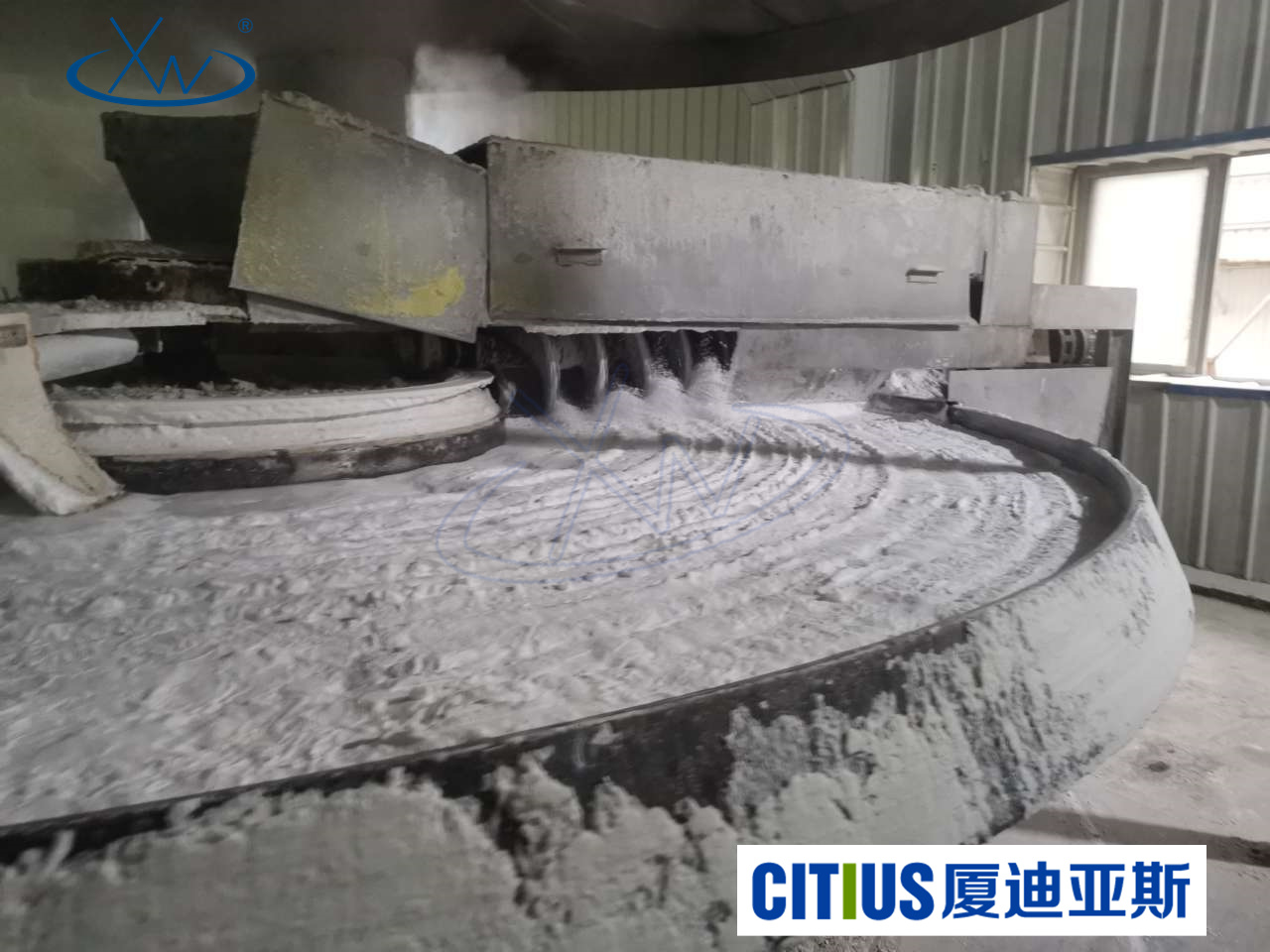
Disc filters are solid-liquid separation equipment widely used in the chemical, mining, and metallurgy industries. This equipment performs filtration operations through circular filter discs, using vacuum suction to separate solids from liquids. Each filter disc is covered with filter fabric, allowing liquid to pass through while retaining solid materials on the surface of the fabric.
In the refining process of aluminum hydroxide, the main role of disc filters is to separate insoluble solid impurities from bauxite slurry, such as precipitates, residual minerals, and suspended particles. Due to the large volume of slurry involved in aluminum hydroxide refining, disc filters have become the preferred equipment for this process due to their high processing capacity and efficient solid-liquid separation performance.
2. The Role of Industrial Filter Fabrics and Filter Meshes
One of the core components of disc filters is the filter fabric, whose material, structure, and performance directly affect filtration efficiency and equipment operational efficiency. In the refining process of aluminum hydroxide, the filter fabric not only needs to have strong chemical corrosion resistance but also high filtration precision and a long service life.
1. Selection of Filter Fabric Material
In the refining process of aluminum hydroxide, liquids often contain strong acids, strong bases, or other corrosive substances; therefore, the material of the filter fabric must possess acid resistance, alkali resistance, and high-temperature resistance. Commonly used filter fabric materials include polyester, polypropylene, polyvinyl chloride (PVC), and special synthetic fibers, which can maintain stable performance in extreme chemical environments.
The abrasion resistance of the filter fabric is also crucial because disc filters require continuous operation, and the fabric can wear out due to contact with particulate materials. Therefore, selecting filter fabrics with good abrasion resistance can effectively extend the service life of the equipment and reduce downtime.
2. Pore Size and Structural Design of Filter Fabrics
The pore size and structural design of filter fabrics determine their filtration efficiency. In the refining process of aluminum hydroxide, the filter fabric needs to effectively capture small particle impurities to prevent them from entering the liquid. The pore size of the fabric should be adjusted according to the required filtration precision to ensure effective removal of impurities without causing clogging. Pores that are too small may lead to clogging of the fabric, while pores that are too large may allow excessive solid particles in the filtrate.
3. Cleaning and Maintenance of Filter Fabrics
Disc filters are usually equipped with automatic cleaning systems to remove solid materials from the filter fabric. Regular cleaning and maintenance not only help extend the service life of the filter fabric but also maintain efficient operation of the equipment. In the refining process of aluminum hydroxide, due to a high concentration of particulates in the liquid, clogging of the filter fabric is common; thus, efficient cleaning procedures need to be designed to ensure continuous stable production.
3. Advantages of Disc Filters in Aluminum Hydroxide Refining
Disc filters have a series of advantages that make them an ideal choice in the refining process of aluminum hydroxide:
1. Efficient Solid-Liquid Separation
The design of disc filters ensures efficient solid-liquid separation. In the refining process of aluminum hydroxide, suspended particles in liquids are relatively small; traditional filtration equipment may not effectively remove these fine particles. However, disc filters can achieve efficient solid-liquid separation through a larger filtration area and vacuum suction, ensuring high purity of aluminum hydroxide.
2. Low Energy Consumption and Continuous Operation
Compared with other types of filtration equipment, disc filters have lower energy consumption. Their design utilizes vacuum suction for solid-liquid separation, which effectively reduces energy consumption compared to traditional centrifugal filters. Additionally, disc filters can continuously perform filtering, washing, discharging, and regeneration operations suitable for large-scale continuous production processes for aluminum hydroxide refining.
3. Automation Control and Low Maintenance Requirements
Disc filters are typically equipped with automated control systems that can adjust filtration speed and pressure according to production needs, reducing manual intervention and ensuring stability in production processes. Furthermore, automatic cleaning systems effectively reduce clogging issues with filter fabrics, lowering maintenance costs and improving equipment efficiency.
4. Challenges and Future Trends for Industrial Filter Fabrics
Despite numerous advantages offered by disc filters, as aluminum hydroxide refining processes continue to evolve, demands for filtration equipment and fabrics are increasing as well. In the future, materials and designs for filter fabrics will focus more on several aspects:
High-Temperature Resistance and Corrosion Resistance: As refining process temperatures rise, filter fabrics need to withstand higher temperatures and stronger chemical corrosion.
Long Service Life and Low Maintenance: The long service life and low maintenance characteristics of filter fabrics will become important factors in selection criteria, especially in environments with prolonged high-intensity operations.
Environmental Protection and Sustainability: With increasingly stringent environmental regulations, eco-friendliness and recyclability of filter fabric materials will become focal points for manufacturers and users.
5. Conclusion
In the chemical industry, particularly in the refining process of aluminum hydroxide, disc filters have become important filtration equipment due to their efficient solid-liquid separation capabilities, low energy consumption, and continuous operation advantages. Industrial filter fabrics and meshes play an irreplaceable role as key components in ensuring filtration effectiveness and equipment stability. With ongoing technological advancements, both performance improvements for filter fabrics and increased intelligence levels for filtration equipment will further enhance aluminum hydroxide refining processes towards greater efficiency and environmental friendliness.


Previous article:

Add
No. 16-22 Chunfeng East Road, Xiang'an Torch High tech Zone, Xiamen City, Fujian Province, ChinaAll Rights Reserved. | Privacy Policy |
Tel/ WhatsApp