
-
Filter ClothBelt press filter mesh belt Horizontal belt vacuum filter mesh belt Vertical filter press filter cloth Filter Press Filter Cloth Breathable mesh Technical fabric - drying Technical fabric - high pressure belt Technical fabric - conveyor belt Technical fabric - fiberboard Joint form Edge banding form Accessories (threading)
Search HistoryClear All Records
- All
- Product Management
- News
From chemical reactions to resource recovery: The importance of the filter cloth of the Citiusas plate and frame filter press in clinker processing
Release time:
2024-11-13
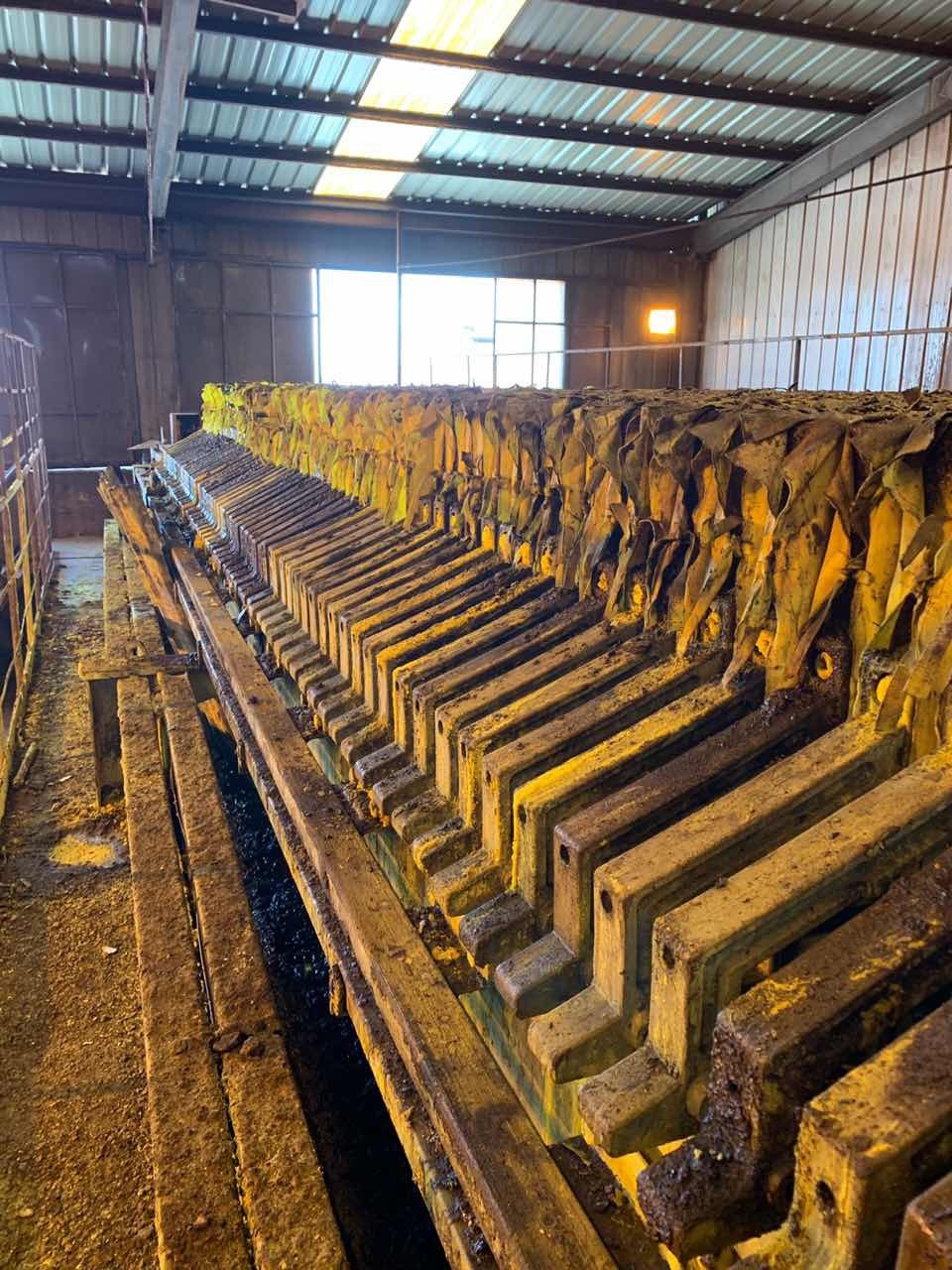
With the rapid development of the chemical industry, the handling of clinkers generated during the production process has become an important environmental protection and resource management issue. Clinkers are often by-products of chemical reactions or high-temperature calcination processes, which may contain unreacted chemical components, harmful substances, or heavy metals. Efficiently processing these clinkers and maximizing resource recovery has become a challenge that chemical companies urgently need to address.Clinker handlingIn this process,the filter cloth of the plate and frame filter pressplays an important role as a key piece of equipment in solid-liquid separation and clinker handling.
Working principle and application of the plate and frame filter press
The plate and frame filter press is a device used for solid-liquid separation, widely applied in fields such as chemicals, mining, metallurgy, and wastewater treatment. It separates solid particles from liquids through filter cloth, using pressure to force the liquid through the filter cloth while retaining solid particles on the surface of the cloth to form a filter cake. The moisture in the filter cake is further squeezed out to achieve dehydration.
In the chemical industry, plate and frame filter presses are commonly used to handle clinkers generated during production, which may contain a large amount of moisture or useful chemical components. Through the plate and frame filter press, moisture in the clinkers can be efficiently separated, while useful components can be further recovered or disposed of.
The role of the filter cloth in the plate and frame filter press
the filter cloth of the plate and frame filter pressis the core component for achieving efficient solid-liquid separation, and its performance directly affects the efficiency and quality of the entire dehydration process. The main functions of the filter cloth include:
Solid-liquid separation: The filter cloth effectively captures and isolates solid materials in clinkers through its dense pore structure, allowing liquid components to flow out through the pores. This process not only improves the dryness of the clinkers but also significantly reduces their volume, facilitating subsequent treatment or disposal.
Improving dehydration efficiency: The dehydration effect of the plate and frame filter press is closely related to the material, pore size, and pressure resistance of the filter cloth. High-quality filter cloth can enhance solid-liquid separation efficiency, shorten filtration cycles, and reduce equipment operating loads. By optimizing the selection of filter cloths, chemical companies can greatly improve their clinker processing capacity and production efficiency.
Reducing pollution and waste disposal costs: Clinkers in the chemical industry may contain some harmful substances, and untreated clinkers can cause environmental pollution. Effective dehydration through the filter cloth of the plate and frame filter press can not only reduce wastewater discharge but also significantly decrease clinker volume, thus reducing transportation and disposal costs. Additionally, useful components (such as metals and chemical raw materials) in certain clinkers can be recovered through subsequent processing, further improving resource utilization efficiency.
Considerations for selecting and applying filter cloths
In the clinker handling process within the chemical industry, choosing suitable filter cloths is crucial. Factors such as material, pore size, pressure resistance, and chemical corrosion resistance directly affect filtration effectiveness. Here are several key factors to consider when selecting filter cloths:
High temperature resistance and chemical corrosion resistance: Clinker handling in the chemical industry often involves high temperatures or corrosive substances; therefore, filter cloths need to possess high-temperature resistance and chemical corrosion resistance characteristics. For example, materials like polyester, polypropylene, and stainless steel mesh are commonly used to manufacture heat-resistant and acid-alkali-resistant filter cloths.
Pore size and filtration precision: The pore size of the filter cloth determines its filtration precision. In the chemical industry, clinkers may contain particles of different sizes; selecting a suitable pore size for the filter cloth helps improve solid-liquid separation efficiency. Generally speaking, smaller pore sizes can effectively capture finer solid particles, thereby increasing the dryness of the filter cake.
Wear resistance and tensile strength: During operation of the plate and frame filter press, the filter cloth must withstand significant pressure and friction; thus it must have high wear resistance and tensile strength to avoid damage in long-term high-pressure working environments.
Cleaning performance: Due to the characteristics of chemical clinkers, filter cloths are prone to clogging with dirt, affecting their filtration effectiveness. Therefore, it is very important to choose easily cleanable and maintainable filter cloths. Regular cleaning and maintenance can extend the lifespan of the filter cloths and reduce equipment maintenance costs.
Application of Xiamen Citius industrial filter cloths in clinker handling
Xiamen Citius Filter Materials Technology Co., Ltd., as a leading brand in the industry, is committed to providing high-performance filter cloth solutions for the chemical industry. The plate and frame filter press cloth developed by the company uses high-strength, corrosion-resistant materials with excellent high-temperature resistance, wear resistance, and tensile strength; it is widely used for dewatering chemical clinkers and solid-liquid separation.
Citius's filter cloths efficiently capture solid materials in clinkers through precise pore design while maintaining stable operation under high-pressure conditions. Their outstanding chemical corrosion resistance and easy cleaning features make them perform excellently in clinker handling processes within the chemical industry, earning favor from many chemical companies.
Conclusion
The handling of clinkers in the chemical industry not only relates to production efficiency but also directly impacts environmental protection and resource utilization levels for enterprises. By adopting efficient methods for solid-liquid separationthe filter cloth of the plate and frame filter press, chemical companies can achieve more efficient clinker processing results while reducing environmental risks. As a leading manufacturer of industrial filter cloths, Xiamen Citius provides reliable solutions for the chemical industry with its innovative products that help enterprises achieve efficient, environmentally friendly, and sustainable production goals.



Previous article:

Add
No. 16-22 Chunfeng East Road, Xiang'an Torch High tech Zone, Xiamen City, Fujian Province, ChinaAll Rights Reserved. | Privacy Policy |
Tel/ WhatsApp