
-
Filter ClothBelt press filter mesh belt Horizontal belt vacuum filter mesh belt Vertical filter press filter cloth Filter Press Filter Cloth Breathable mesh Technical fabric - drying Technical fabric - high pressure belt Technical fabric - conveyor belt Technical fabric - fiberboard Joint form Edge banding form Accessories (threading)
Search HistoryClear All Records
- All
- Product Management
- News
A Clean Revolution Under High Loads: Filter Cloth Application and Equipment Optimization in Ceramic Polishing Sludge Dewatering
Release time:
2025-05-22
A Clean Revolution Under High Load: Filter Cloth Application and Equipment Optimization in Ceramic Polishing Slurry Dewatering
In every link of the ceramic industry chain, environmental protection and efficient resource utilization have become new focal points of competition for manufacturing enterprises. Especially in the polishing process, the large amount of polishing slurry generated along with surface treatment of products is complex in composition, fine in particles, and high in water content. If not properly handled, it not only threatens environmental compliance but also increases the operational costs and space management burden of enterprises.
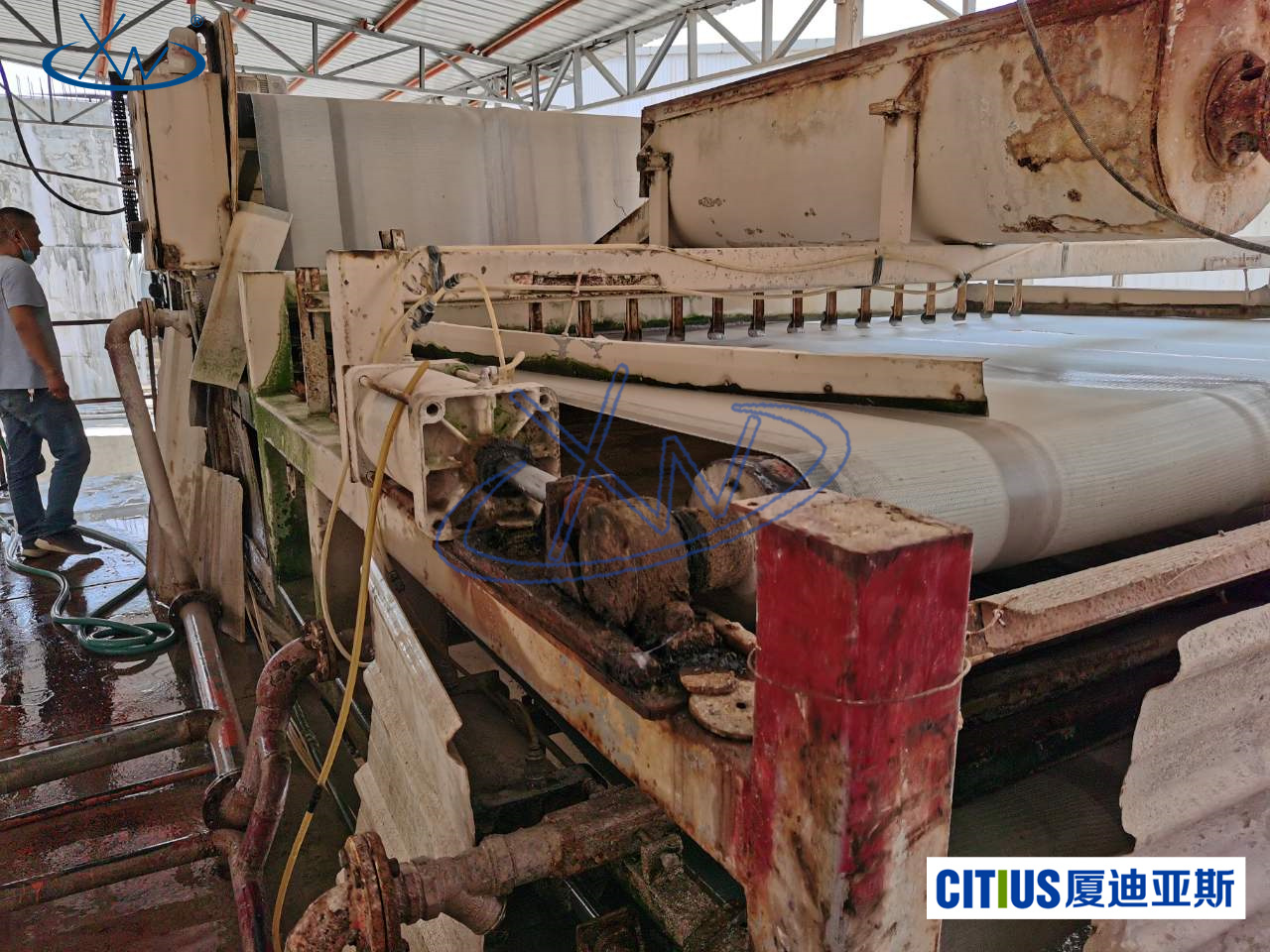
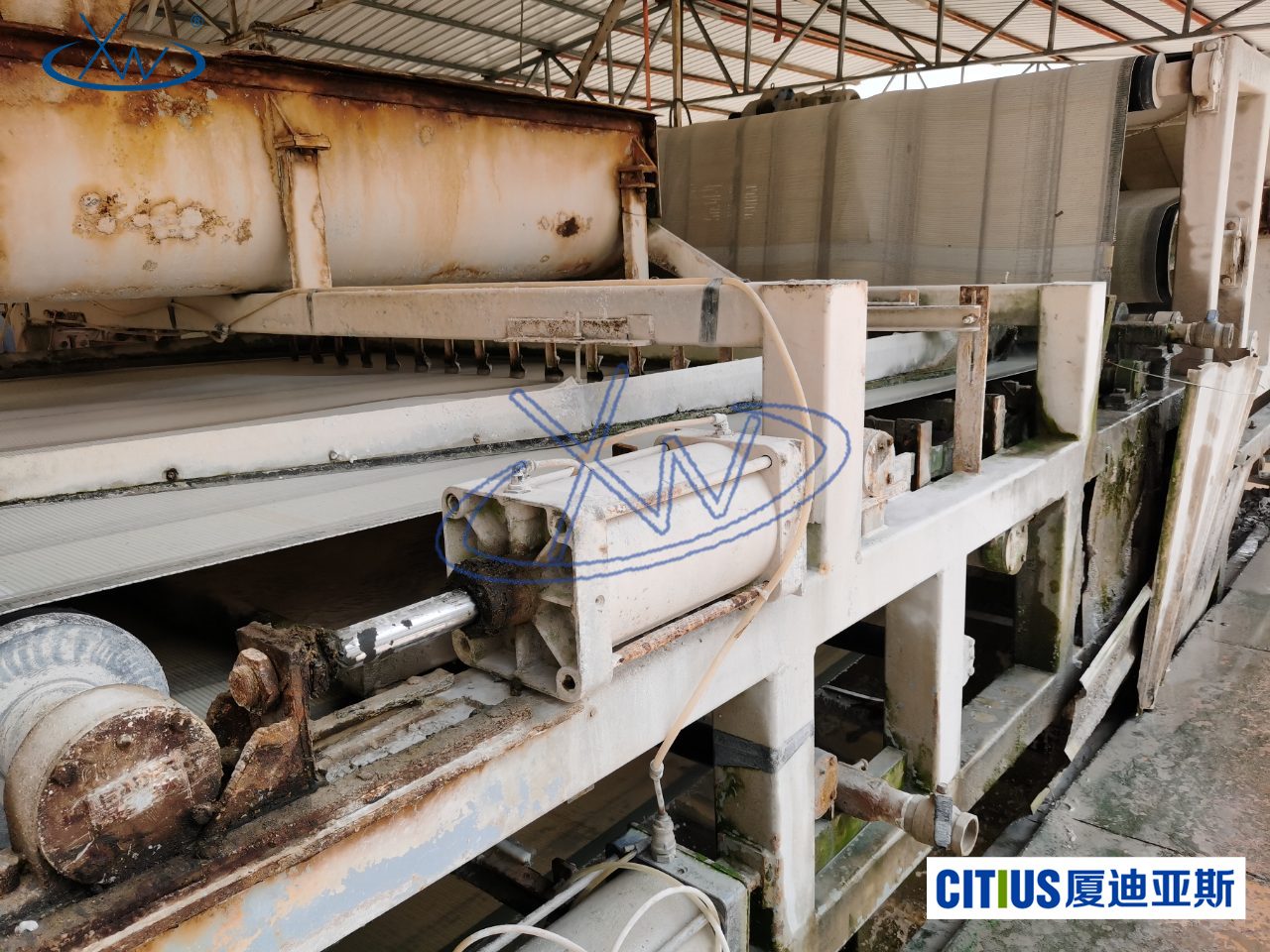
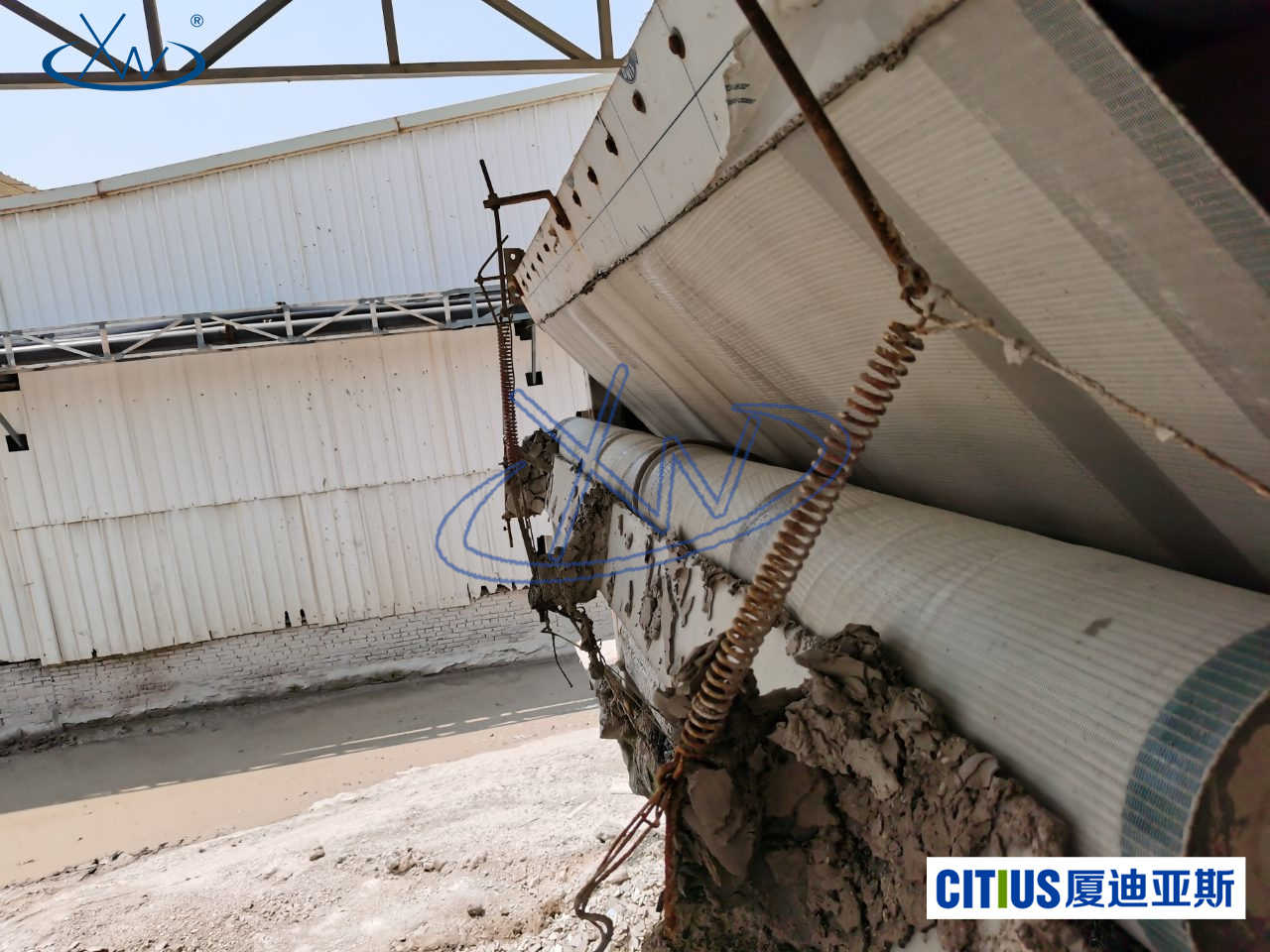
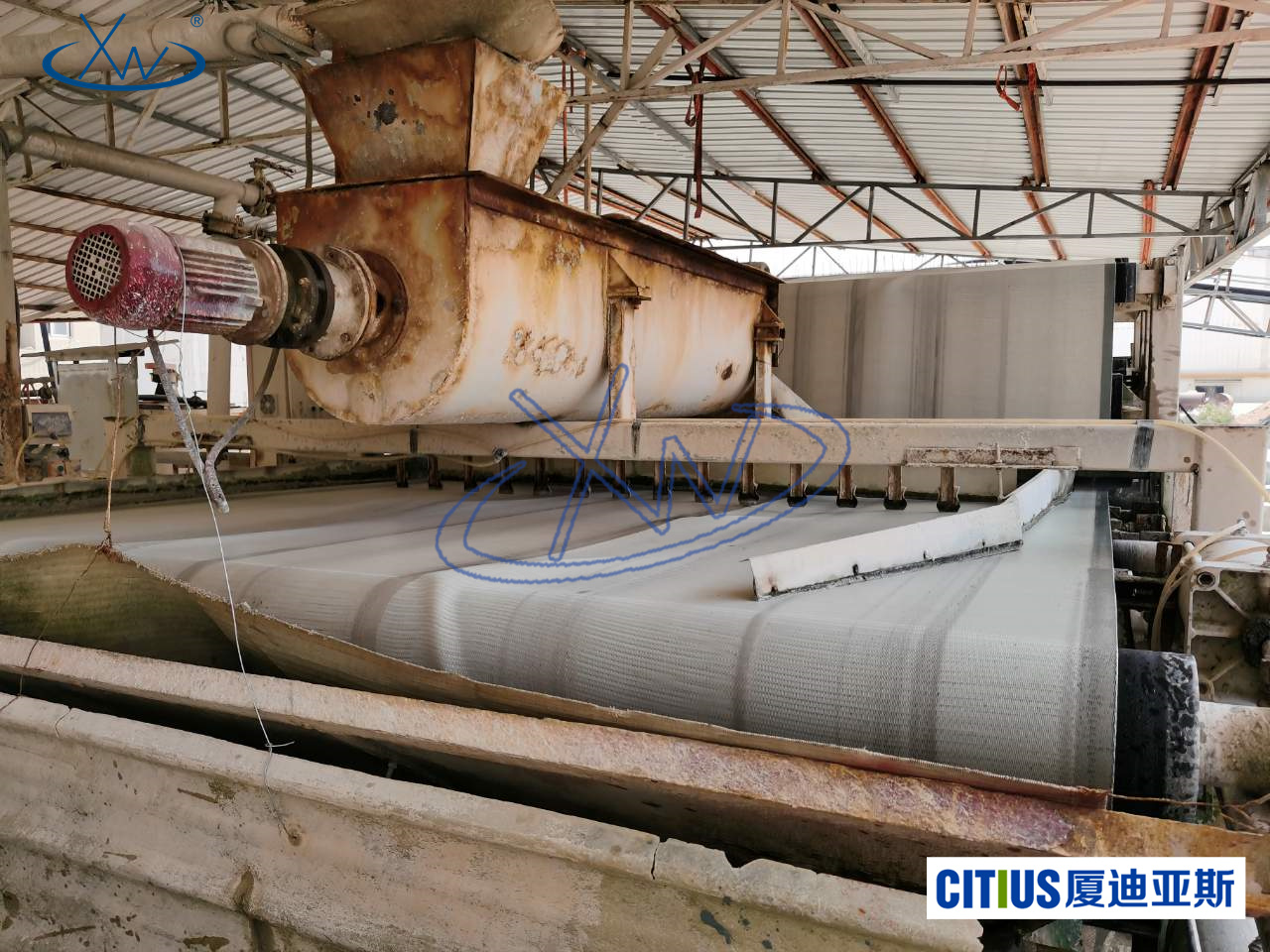
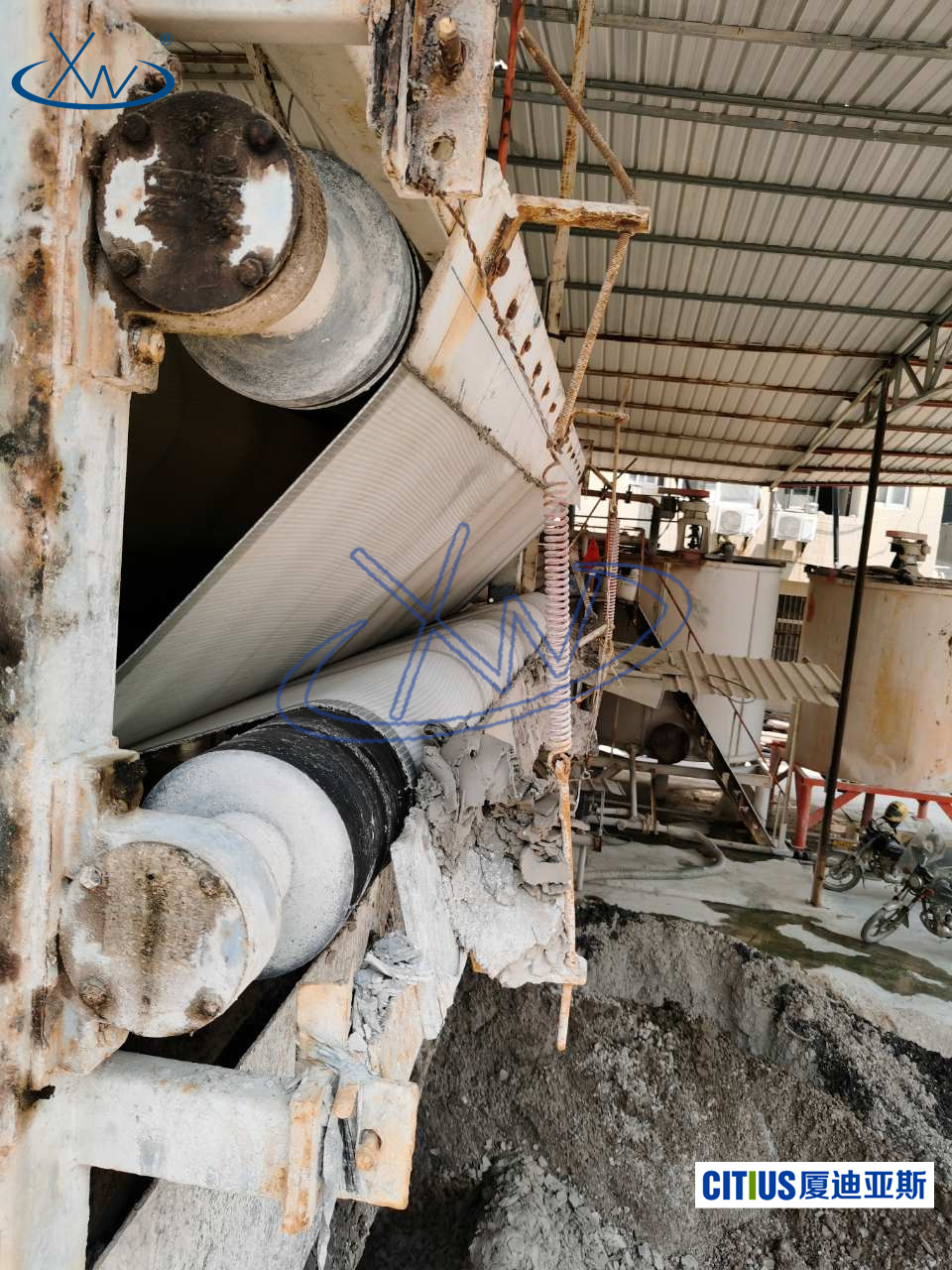
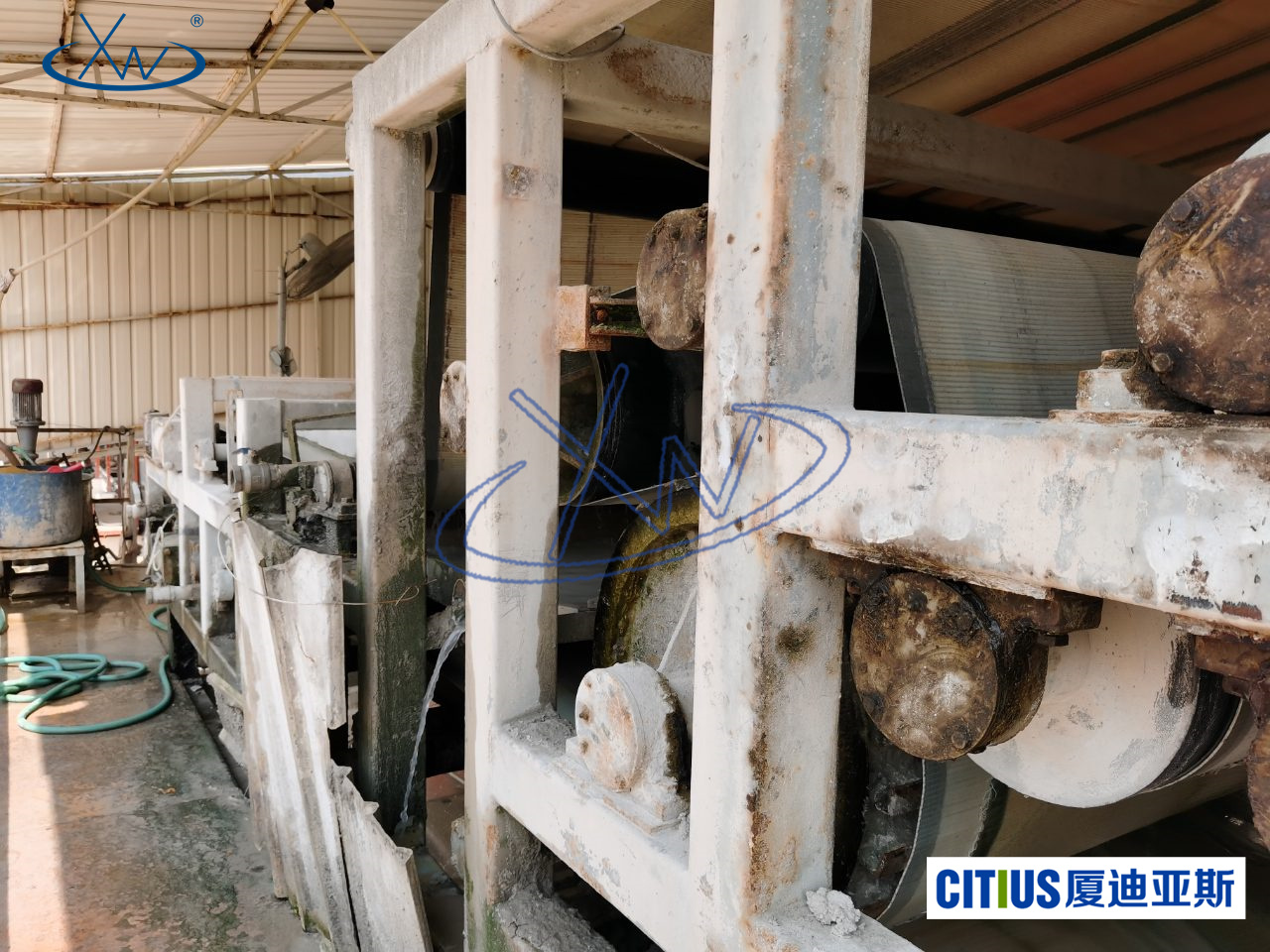
In recent years, belt press filter presses have been widely used as mature equipment for solid-liquid separation of polishing slurry. “ ordinary ” filter cloth, in fact, plays a core role in the success or failure of the entire dewatering system. This article will analyze the application logic, performance design, and customization direction of filter cloth in belt press filter presses, starting from the characteristics of ceramic polishing slurry, and combine the technical experience and application results of Xiamen Citius to outline a (Xiamen Citius) 的技术经验与应用成果,勾勒出一幅“ picture of how microscopic materials affect the efficiency of macroscopic systems ” in modern industrial scenarios.
I. Polishing Slurry Challenges: From Emission Pressure to Processing Bottlenecks
After polishing, ceramic products have a smoother surface, but the resulting polishing slurry often has the following typical characteristics:
- Extremely fine particles, mainly pulverized ceramics and abrasive particles ( <75μm )
- High water content, generally between 65%~80% , low fluidity
- A mixture of organic and inorganic substances, some containing residual grinding aids or surfactants
- Rapid accumulation in a short time; if not dewatered in time, it is easy to cause secondary pollution
Traditional sedimentation, natural drying, or pressure filtration methods often have obvious bottlenecks in terms of efficiency and space occupation. Belt press filter presses, as continuous and highly automated processing equipment, have quickly become the mainstream choice due to their advantages in dewatering speed, system integration capabilities, and output stability. However, the performance of the equipment ultimately depends on “ the filter cloth ” —a seemingly simple yet highly technically integrated key consumable.
II. Filter Cloth: The “ First Sensory Nervous System ”
of Belt Press Filter Presses “ The core of the operation of a belt press filter press lies in the process of + squeezing ” and
water permeation.
- The role of the filter cloth is both a solid-liquid separation medium and a determining factor in the mud cake conveying, pressing channel formation, and filtrate discharge efficiency. Structurally, a typical belt filtration system requires at least two filter cloths to operate simultaneously, clamping the polishing slurry and jointly passing through the pressing zone, peeling zone, and washing zone. The three functions of filter cloth:
- Filtration function : Achieving efficient solid-liquid separation through the pore structure of the fabric surface
- Mechanical function : Withstanding the tension and pressure of the pressing rollers to maintain system stability
Transportation function “ : Continuously conveying the filter cake to ensure the smooth operation of the entire machine and the continuity of unloading ” Filter cloth is like a
second skin
; its material, weaving method, surface treatment, and even edge processing will have a subtle and systematic impact on the equipment operating parameters.
1. III. Highly Adaptable Filter Cloth Design: The Exclusive Needs of the Ceramic Industry
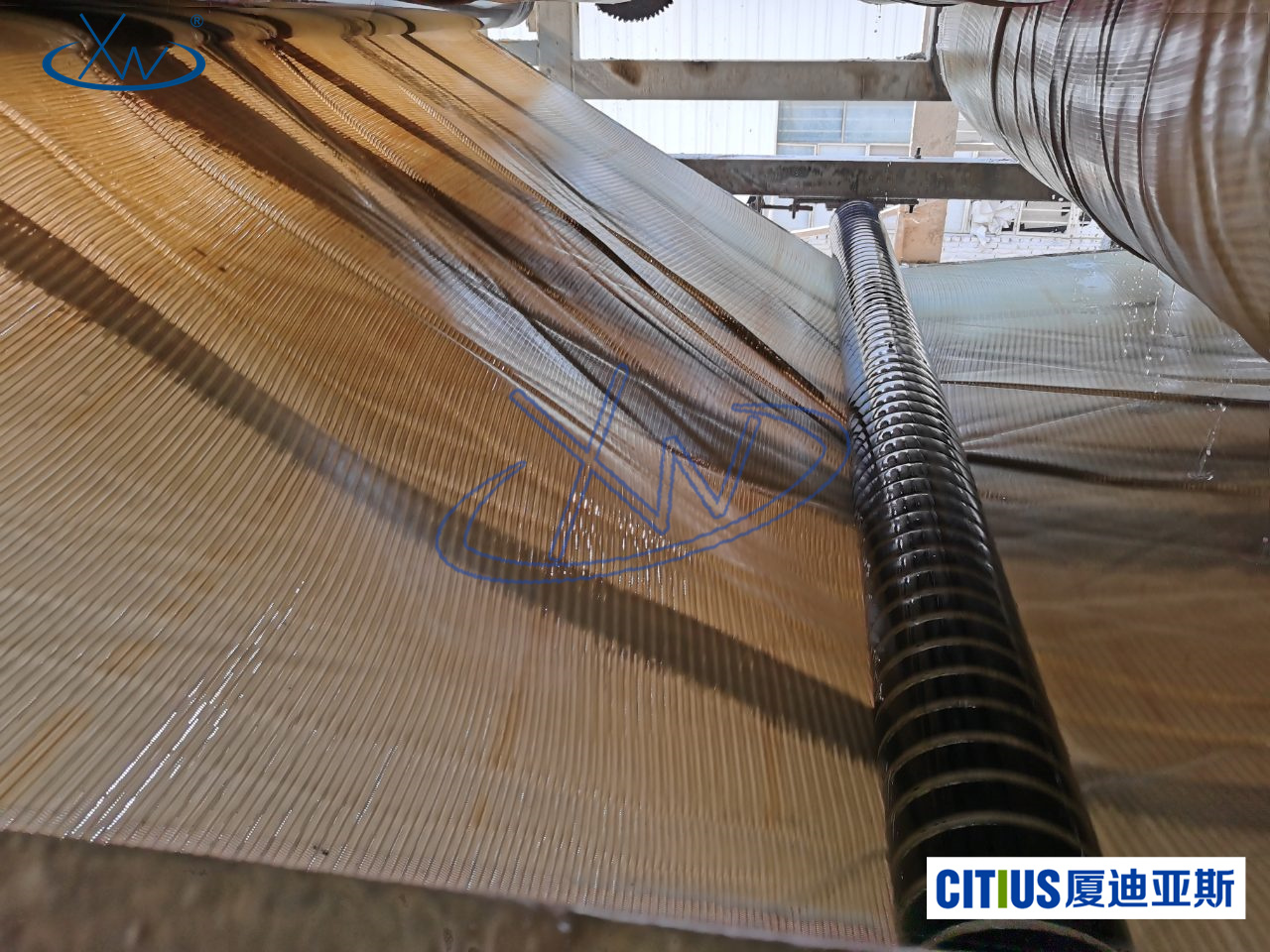
Faced with the fineness, high viscosity, and complex inclusions of polishing slurry, general-purpose filter cloths often fail to meet the requirements of long-term stable operation. Combining industry applications, targeted filter cloth design must be carried out from the following core dimensions: Filter cloth material: Combining chemical stability and mechanical strength Most ceramic polishing slurries are neutral or weakly alkaline. Common filter cloth materials such as polyester ( PET ), polypropylene ( PP ), and nylon ( Filter cloth material: Combining chemical stability and mechanical strength PA
2. ) all have good adaptability. Among them, “ due to its high tensile strength and stable temperature resistance, it is one of the most widely used base materials. - squeezing ” Weaving structure: Determining the
retention balance point Using
3. double-layer woven or multi-layer composite structures
can enhance the dewatering channels, reduce clogging, and maintain certain filter cake peeling performance. Twill weaving, compared to plain weaving, can form more continuous drainage channels, increasing the speed of filtrate passage. (Xiamen Citius) Surface treatment: Improving anti-clogging performance and mud peeling effect “ Xiamen Citius ” has added “ anti-adhesion ” and
4. hydrophilic modification
Filter cloth edges often require heat sealing or binding to prevent fraying; guide bars are used to maintain precise alignment of the filter cloth in the running track, preventing deviation.
IV. Case Analysis: Xiamen Citius (Xiamen Citius) Practical achievements of filter cloth in the ceramic industry
Application scenario: A large-scale building ceramics enterprise in Guangdong
- Processing object : Ceramic tile polishing slurry, processing volume 15 ton / hour
- Equipment configuration : Double-belt press filter ( 3 section pressing)
- Filter cloth model : Xiamen Citius (Xiamen Citius)TBD-1800 Double-layer high-permeability anti-stick filter cloth
- Operating data :
- Initial moisture content: 78%
- Moisture content of filter cake after dehydration: 32%
- Filter cloth replacement cycle: approximately 4~5 months (far higher than the industry average)
- Reduced cleaning frequency 30% ,energy consumption decreased 15%
- Initial moisture content: 78%
Feedback from the enterprise's technical director: “ can enhance the dewatering channels, reduce clogging, and maintain certain filter cake peeling performance. Twill weaving, compared to plain weaving, can form more continuous drainage channels, increasing the speed of filtrate passage. (Xiamen Citius) The provided filter cloth is not only wear-resistant, tensile-resistant, and highly stable, but also allows for quick and efficient polishing slurry removal, significantly reducing the labor burden in the press filtration workshop, and substantially optimizing equipment operating efficiency and maintenance costs. ”
V. From Materials to Systems: The Upgrading Logic Driven by Filter Cloth
It is worth noting that filter cloth is not merely a “ consumable ” ,it is gradually becoming a carrier and engine for customized upgrading of industrial equipment . The design of the filter cloth must not only be compatible with the materials being processed, but also needs to be coordinated with the pressing strength, speed control, liquid flow structure, and even the downstream recycling system of the filtration equipment.
For example, in resource-recycling-oriented ceramic enterprises, the reusable value of filter cakes is increasing, which requires the filter cloth to ensure the dryness of the filter cake while avoiding impurity contamination and particle shedding . Such demands are driving the design of filter cloths to be more intelligent and refined, and in the future, even intelligent filter cloths with sensing functions will be developed. “ intelligent filter cloth ”。
VI. Conclusion: The “ material core ”
of green transformation in the ceramic industry “ micro-materials ” Filter cloth, a microscopic material that is easily overlooked in industrial production, is becoming one of the fulcrums of clean production in the ceramic industry. Starting from the environmental protection requirements of dealing with the dehydration of polishing slurry, the collaborative evolution of belt press filtration systems and high-performance filter cloths marks the fact that manufacturing enterprises are “ macro-industry ” The deep cultivation of
Xiamen Citius (Xiamen Citius) ,as a leading brand in the research and manufacturing of filtration material technology textiles in China, adheres to the “ systematic filtration solutions ” philosophy, continuously promoting the collaborative optimization of filter cloth products and equipment performance in multiple fields such as ceramics, minerals, metallurgy, and chemicals, and with 30 years of professional accumulation as support, helping Chinese manufacturing achieve a cleaner and more efficient green leap.
If you need to customize a filter cloth model that is compatible with your company's equipment, or if you need technical solution support, please contact:
📧 Email: wyl@citius-filter.com
📱 WhatsApp: +86-13950107241
🌐 Official website : www.citius-filter.com

Add
No. 16-22 Chunfeng East Road, Xiang'an Torch High tech Zone, Xiamen City, Fujian Province, ChinaAll Rights Reserved. | Privacy Policy |
Tel/ WhatsApp