
-
Filter ClothBelt press filter mesh belt Horizontal belt vacuum filter mesh belt Vertical filter press filter cloth Filter Press Filter Cloth Breathable mesh Technical fabric - drying Technical fabric - high pressure belt Technical fabric - conveyor belt Technical fabric - fiberboard Joint form Edge banding form Accessories (threading)
Search HistoryClear All Records
- All
- Product Management
- News
Recommended filter cloth for calcium phosphate filtration | A complete analysis of filter cloths for horizontal vacuum belt filter presses
Release time:
2025-06-05
Introduction
With the development of modern industry, calcium phosphate, as an important inorganic chemical raw material, is widely used in fertilizers, food additives, medicine and many other fields. In the production and processing of calcium phosphate, solid-liquid separation is a key process step, which directly affects the purity, water content and production efficiency of the product. Horizontal vacuum belt filter is a continuous automated solid-liquid separation equipment, which plays an important role in the filtration and dehydration of calcium phosphate. The industrial filter cloth, as the core filtration medium of the equipment, directly determines the filtration effect and the stable operation of the equipment. This article will focus on the industrial filter cloth used in horizontal vacuum belt filter, especially the technical requirements, selection standards and application practices of filter cloth for calcium phosphate filtration.
I. Process characteristics and difficulties of calcium phosphate filtration
In the production of calcium phosphate, solid particles are usually obtained through chemical precipitation and crystallization reaction, and then solid-liquid separation is needed to recover the solid product, reduce the water content, and facilitate subsequent drying and packaging. Calcium phosphate slurry has the following characteristics:
- Fine and dense particles The particle size is small, and the particles are easy to form a compact filter cake, resulting in a large flow resistance of the filtrate.
- High slurry viscosity The slurry is viscous and has poor fluidity, which easily causes the filter cloth to be blocked.
- High impurity content Contains free acid and impurity particles, the filter cloth needs to have corrosion resistance.
- Strict requirements for product water content The water content of calcium phosphate directly affects the quality, and sufficient dehydration of the filter cake must be ensured.
The above process characteristics put high demands on the filtration equipment and filter cloth. The filter cloth needs to have good water permeability, wear resistance, corrosion resistance, easy cleaning, and long service life.
II. Horizontal vacuum belt filter and the role of filter cloth
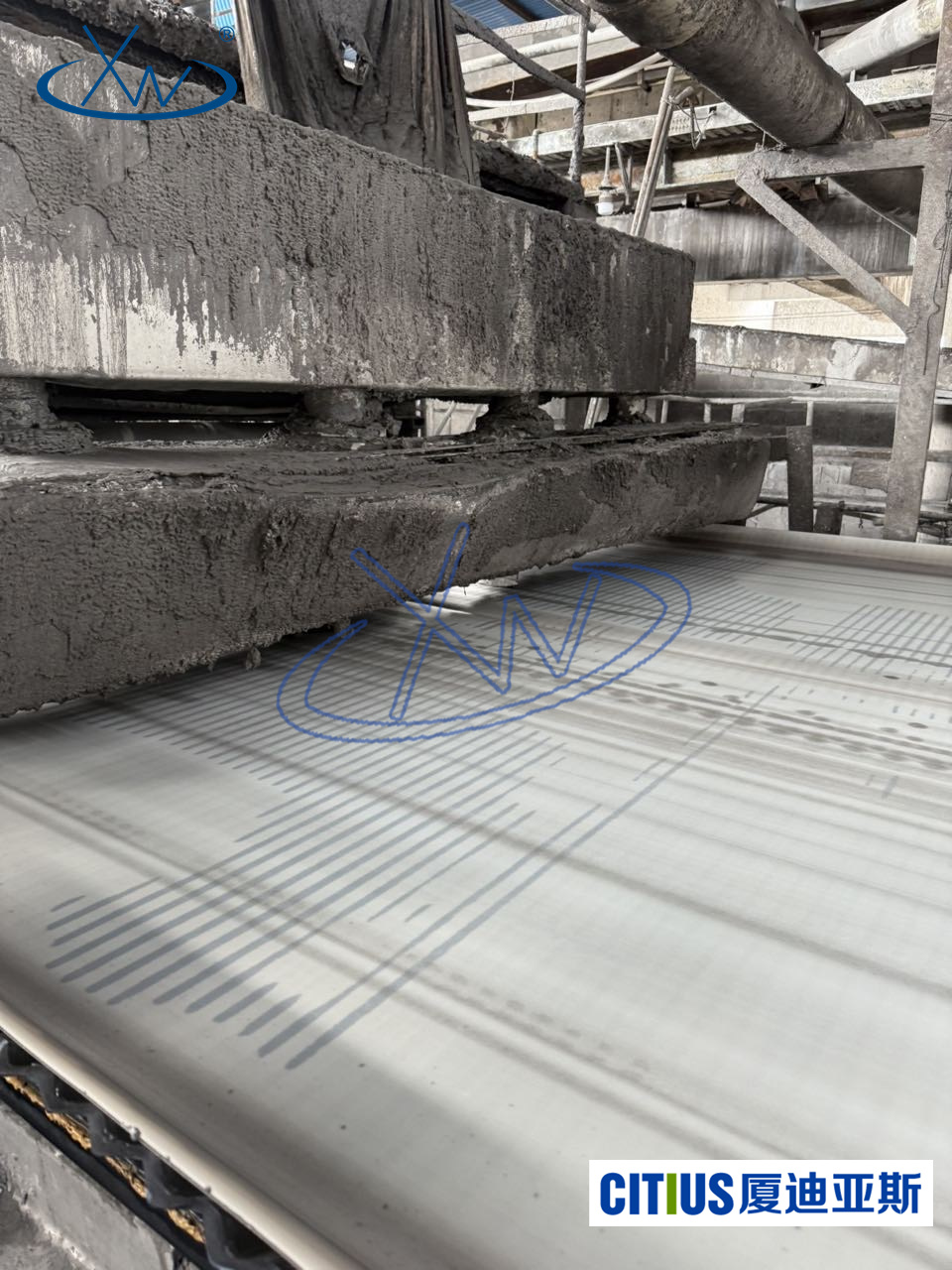
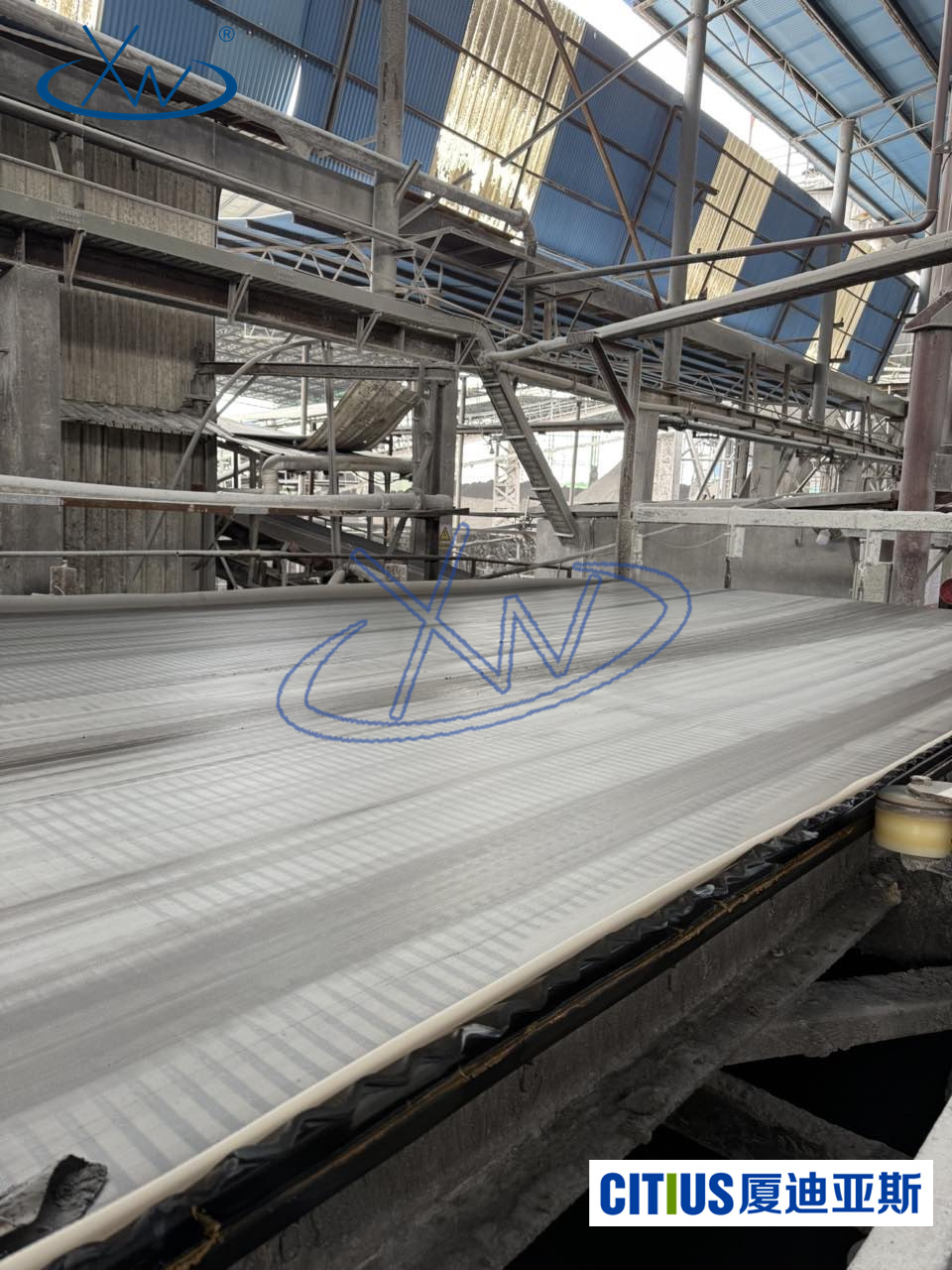
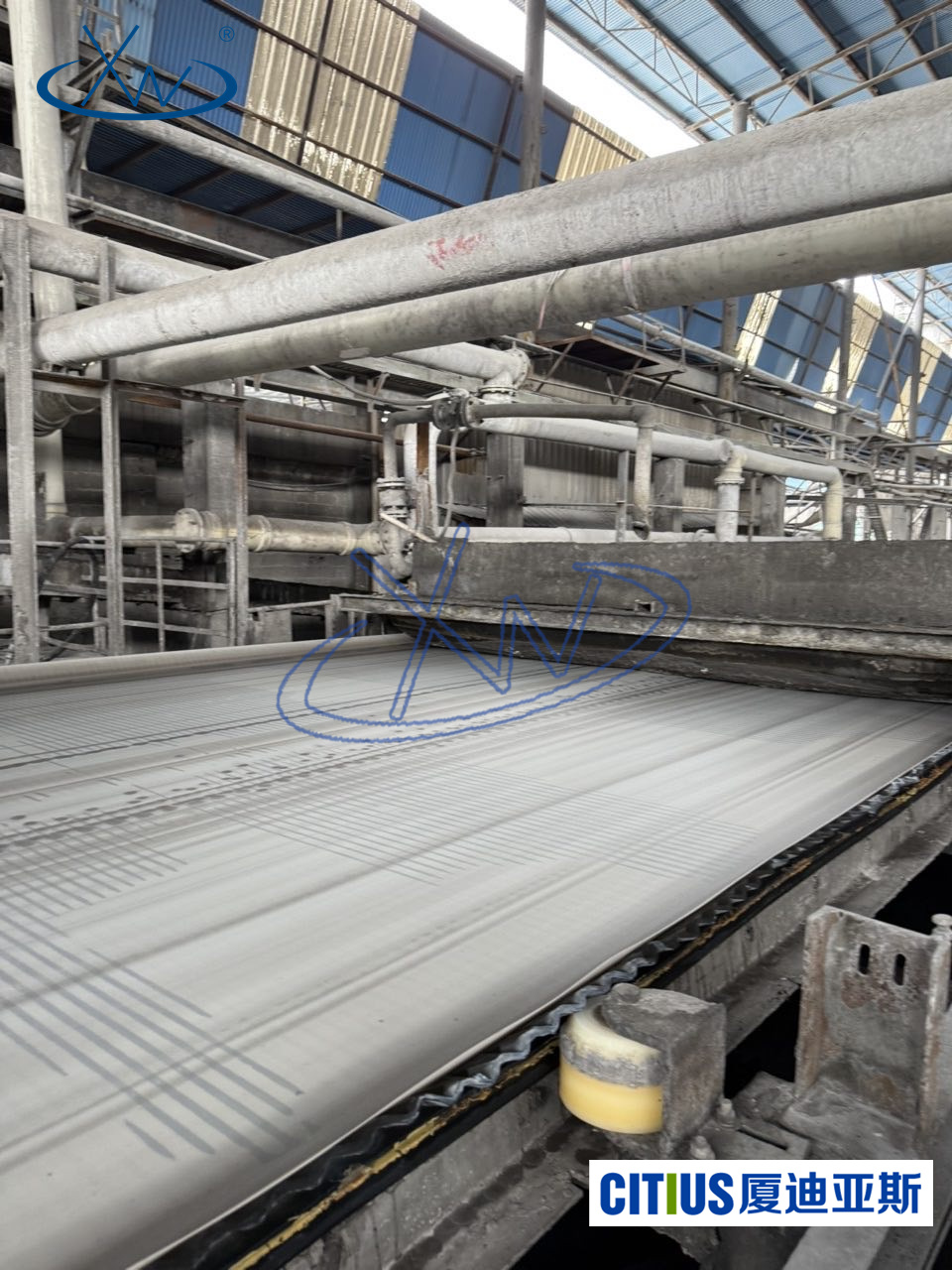
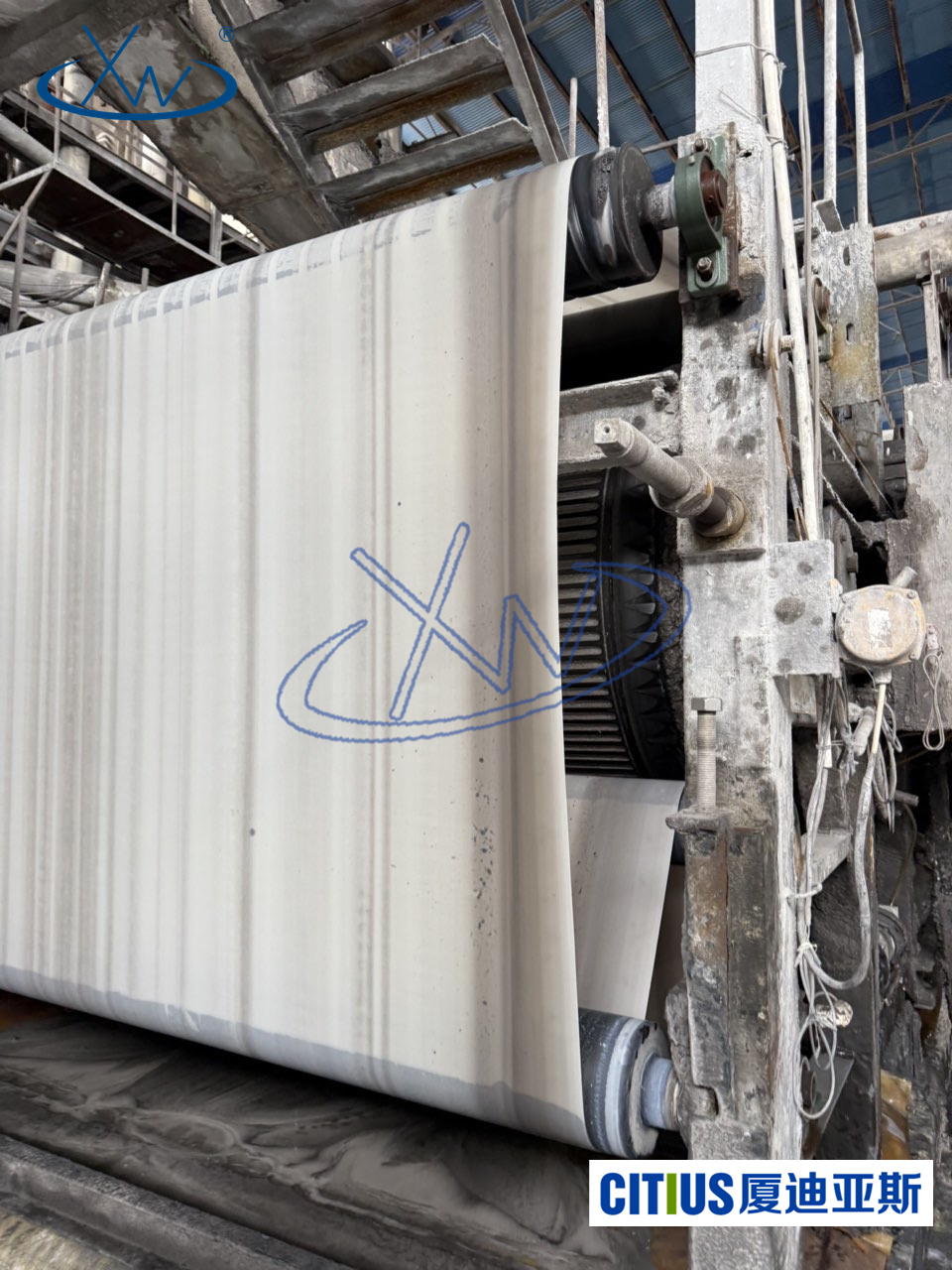
The horizontal vacuum belt filter uses belt drive to use the filter cloth as a filter membrane to carry the slurry to be filtered. Negative pressure suction is used to allow the liquid to pass through the filter cloth and discharge, and the solid particles form a filter cake on the filter cloth to complete the dehydration process. This equipment is suitable for continuous and automated production, has a large filtration area, and is suitable for the large-scale needs of calcium phosphate production.
As a core component, the performance of the industrial filter cloth directly affects the filtration efficiency, the water content of the filter cake, and the stable operation of the equipment:
- Filter cloth air permeability Determines the filtration speed and the drying effect of the filter cake.
- Mechanical strength and wear resistance Ensures that the filter cloth is not easily damaged during high-speed operation.
- Corrosion resistance Ensures the long-term use of the filter cloth in an acidic environment.
- Filter cloth surface structure Affects the ease of filter cake removal and secondary pollution.
Therefore, selecting a special calcium phosphate filtration filter cloth is the key to improving the performance of the filtration process.
III. Technical characteristics of industrial filter cloth for calcium phosphate filtration
For calcium phosphate filtration conditions, industrial filter cloths usually have the following technical characteristics:
1. Material selection
- Excellent acid and alkali resistance Usually, high molecular materials such as polyester ( PET ), polypropylene ( PP ) are selected, and special processes are used to improve the chemical corrosion resistance.
- Strong mechanical properties The fabric fiber has high strength and wear resistance, ensuring long-term high-strength operation.
- Good dimensional stability After heat setting treatment, it ensures that the filter cloth size is not easily deformed and maintains filtration accuracy.
2. Weaving process
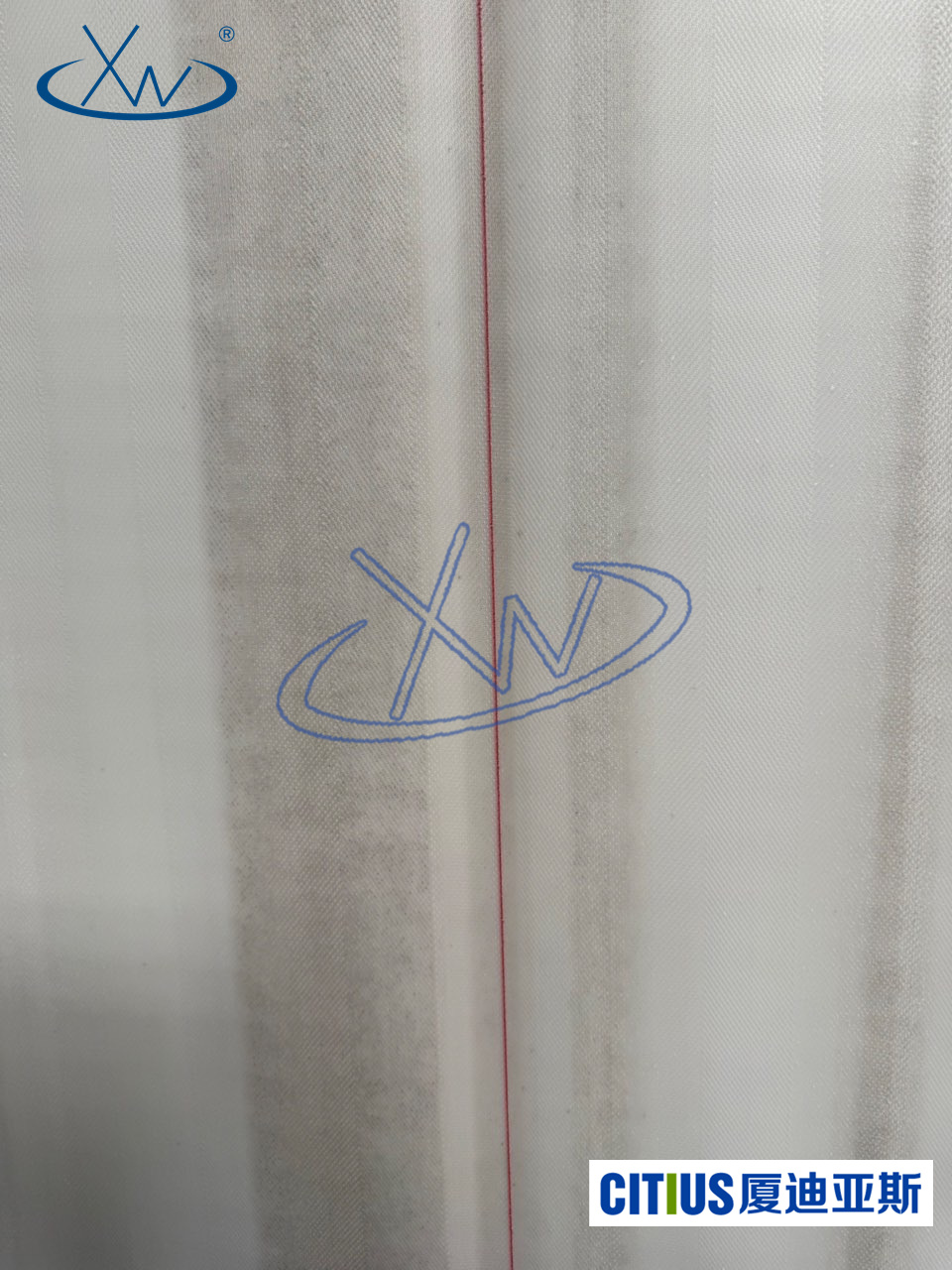
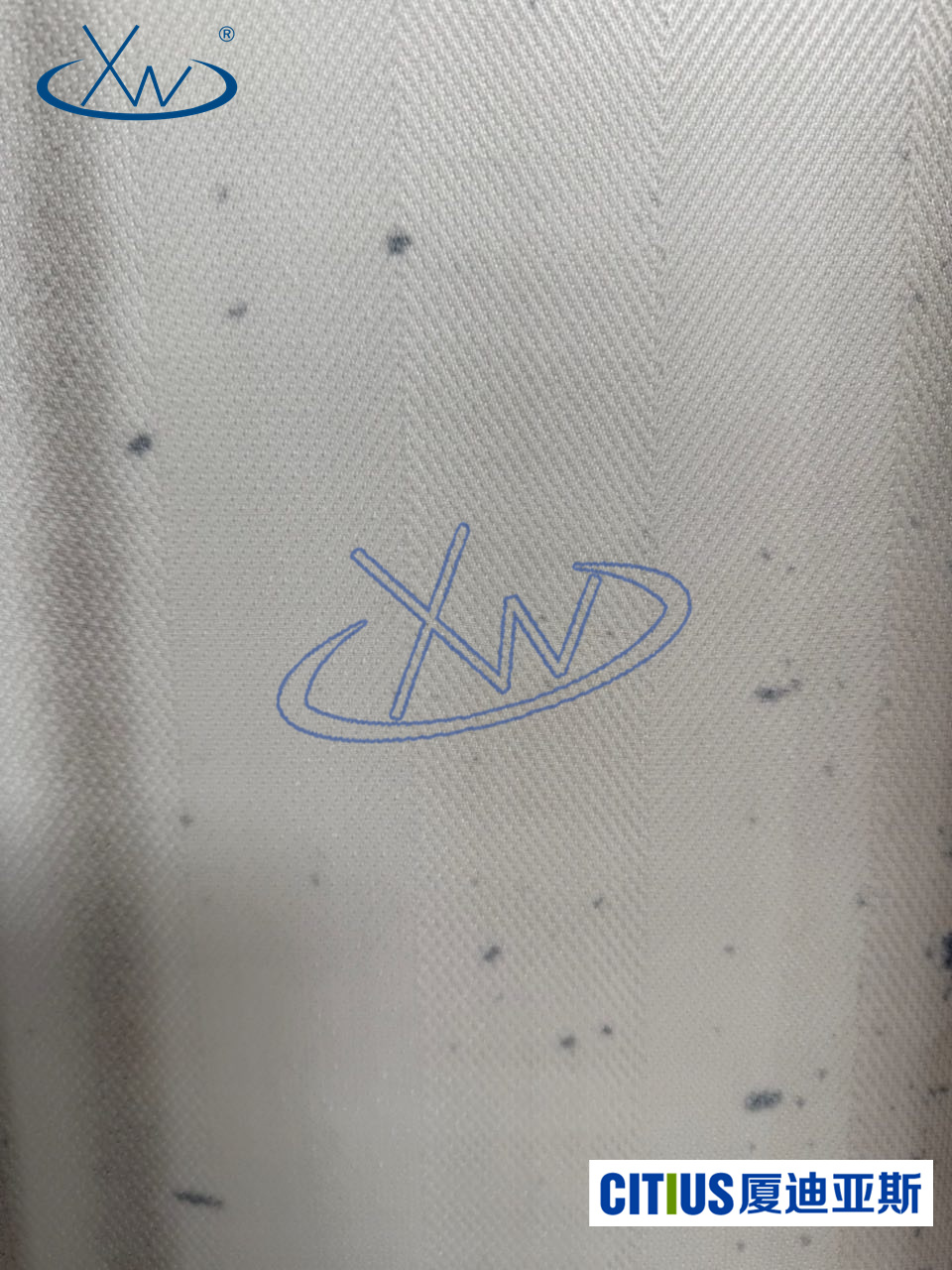
- Single-layer plain or twill weave Ensures that the filter cloth structure is tight, prevents fine particles from leaking, and improves the clarity of the filtrate.
- Multi-layer composite weaving method Some filter cloths use a multi-layer structure, one side is highly breathable, and the other side is wear-resistant, combining filtration efficiency and service life.
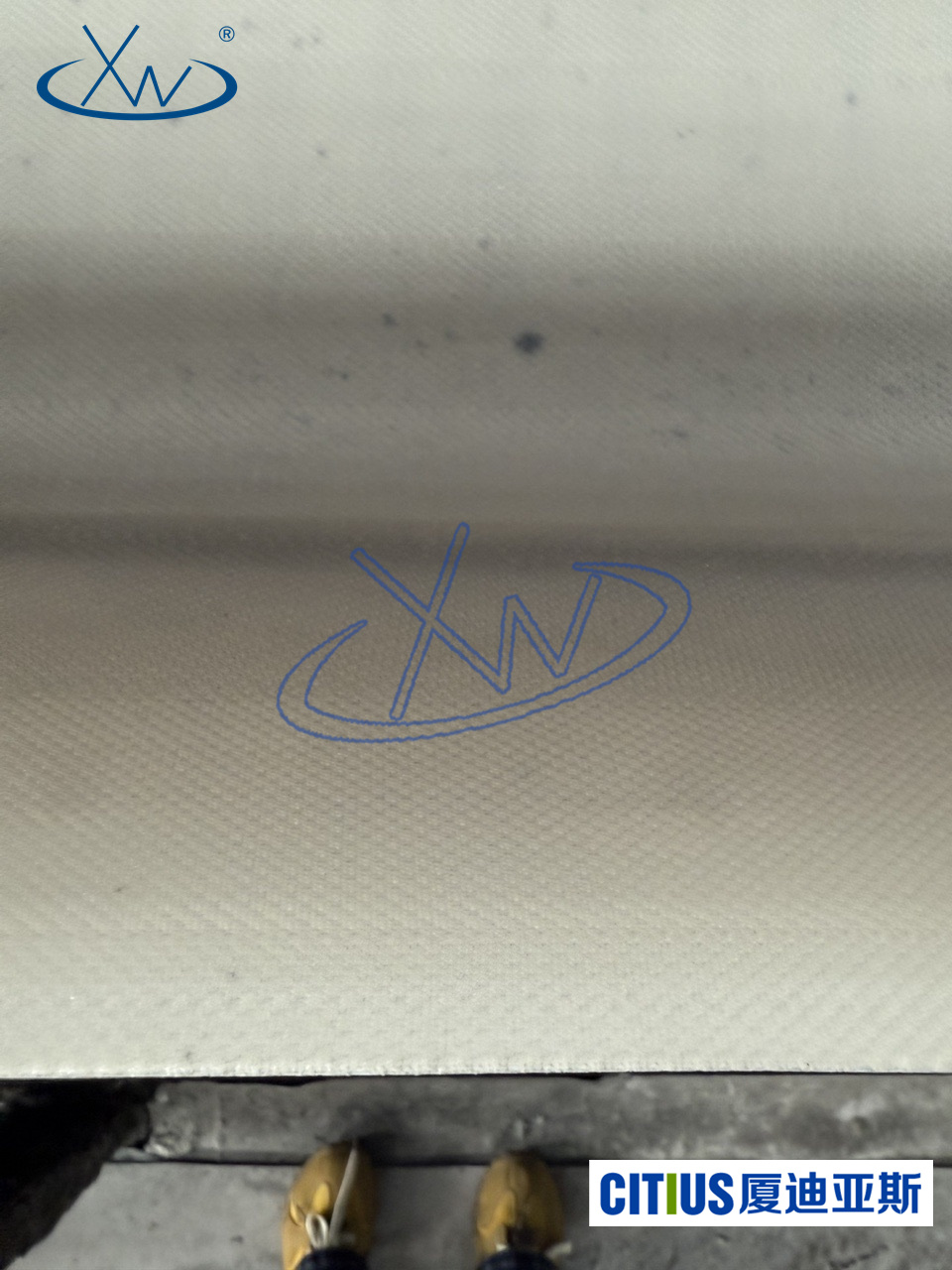
- Surface smoothness control Properly control the surface roughness of the filter cloth to reduce filter cake adhesion and facilitate cleaning and separation.
3. Filtration accuracy
The calcium phosphate slurry particles are fine, and the filter cloth needs to have an appropriate pore size, generally in 10-50 micrometers, which can ensure the permeability of the filtrate and retain fine solids.
4. Processing technology
- Anti-static and anti-caking treatment Improves the anti-caking performance of the filter cloth and prevents excessive adhesion of the filter cake.
- Anti-clogging design Reasonable fiber arrangement and pore size design to avoid slurry clogging the filter cloth pores.
- Easy cleanability The filter cloth can be repeatedly cleaned and regenerated, reducing operating costs.
IV. Selection suggestions for calcium phosphate filtration filter cloth
The selection of suitable filter cloth should be considered comprehensively in combination with process parameters and equipment specifications:
Parameter
|
Description
|
Selection suggestion
|
|---|---|---|
Filtration area
|
Select the appropriate filter cloth width and length according to the equipment size
|
Cut according to device size to ensure a tight fit
|
Filter cloth material
|
Corrosion-resistant materials such as polyester and polypropylene
|
Use high-strength, acid and alkali resistant materials
|
Filtration accuracy
|
10-50 Micron
|
Adjust the pore size according to the fineness of the solid particles
|
Mechanical strength
|
High tensile strength, high wear resistance
|
Heat setting treatment enhances strength
|
Temperature range
|
Low temperature to 100℃ or so
|
Meet the process temperature requirements
|
Surface treatment
|
Anti-caking, anti-static
|
Customize surface technology according to slurry characteristics
|
Examples of recommended filter cloth types
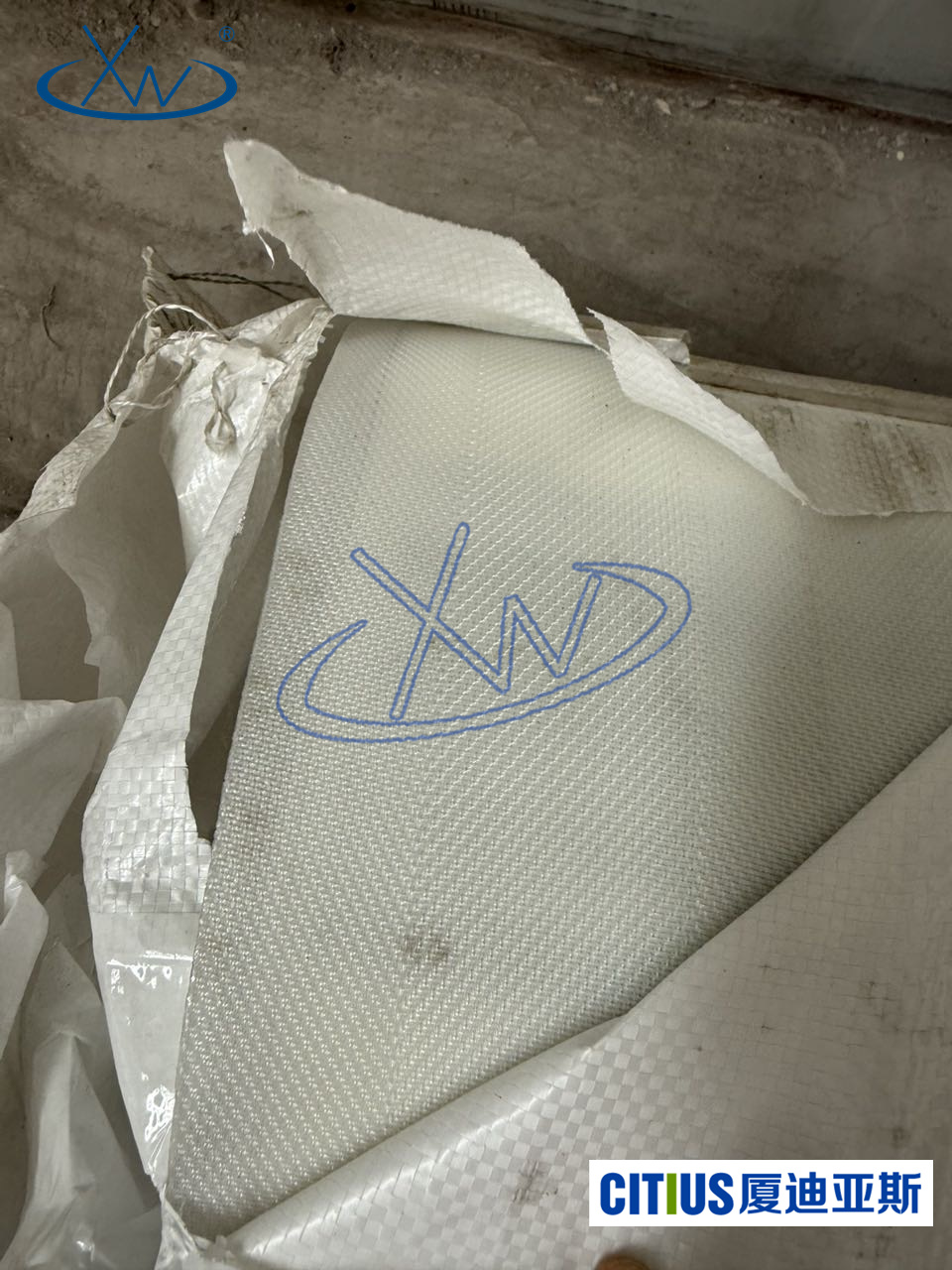
- Monofilament polyester filter cloth High strength, wear-resistant, suitable for high-load filtration conditions.
- Composite filter cloth Multi-layer design, balancing filtration accuracy and filter cloth life.
- Acid and alkali resistant coated filter cloth Increased chemical corrosion resistance, suitable for strong acid environments.
V. Filter Cloth Use, Maintenance and Life Management
To ensure the filter cloth performs optimally, proper maintenance and regular replacement are crucial:
1. Correct installation
The filter cloth should be tensioned according to the equipment requirements, avoiding wrinkles, ensuring that the filter cloth is evenly stressed, preventing leakage and filter cloth wear.
2. Regular cleaning
According to the characteristics of the filtered slurry, use mechanical brushing or chemical cleaning to remove residues from the surface and pores of the filter cloth, restoring filtration permeability.
3. Monitor wear and damage
Regularly check the filter cloth for damage, wear, deformation, etc., and repair or replace it in time to avoid affecting filtration quality and equipment safety.
VI. Industry Application Cases
Case 1: Upgrading and transformation of filter cloth for horizontal vacuum belt filter in a large-scale tricalcium phosphate plant
The filter cloth used by this plant had insufficient acid resistance, frequently resulting in filter cloth breakage and blockage, leading to high equipment downtime frequency. By using high-strength acid-resistant polyester filter cloth and optimizing the filter cloth structure and surface treatment, filtration efficiency has improved 15% and the moisture content of the filter cake has decreased 5% and the equipment operation is more stable, and the service life of the filter cloth has increased by approximately 30%。
Case 2: Application of new composite filter cloth in the filtration of fine tricalcium phosphate particles
Using a double-layer composite structure filter cloth, the upper layer is highly permeable and the lower layer is highly wear-resistant, effectively solving the problem of fine particle filtration. The wear resistance and corrosion resistance of this filter cloth are significantly improved, adapting to high-viscosity slurries and ensuring filter cake quality and continuous equipment operation.
VII. Future Development Trends
With the continuous advancement of industrial filtration technology, industrial filter cloths for tricalcium phosphate filtration are also developing in the following directions:
- Intelligent materials Integrating sensing and monitoring functions to achieve online monitoring of the filter cloth status.
- Application of nanotechnology Nano-fiber composite materials improve filtration accuracy and anti-pollution ability.
- Green and environmentally friendly materials Research and development of environmentally friendly and recyclable filter cloth materials to reduce waste generation.
- Customized solutions Customize exclusive filter cloth products and maintenance plans according to different production processes.
Conclusion
As a key solid-liquid separation equipment in tricalcium phosphate production, the quality and performance of the supporting industrial filter cloth are the core factors in ensuring production efficiency and product quality. Choosing professional tricalcium phosphate filtration-specific filter cloth can not only improve filtration efficiency and reduce energy consumption, but also extend equipment life and reduce maintenance costs. With technological advancements and increased industry demands, material innovation and structural optimization of filter cloths will continue to drive tricalcium phosphate filtration processes to higher levels.

Add
No. 16-22 Chunfeng East Road, Xiang'an Torch High tech Zone, Xiamen City, Fujian Province, ChinaAll Rights Reserved. | Privacy Policy |
Tel/ WhatsApp