
-
Filter ClothBelt press filter mesh belt Horizontal belt vacuum filter mesh belt Vertical filter press filter cloth Filter Press Filter Cloth Breathable mesh Technical fabric - drying Technical fabric - high pressure belt Technical fabric - conveyor belt Technical fabric - fiberboard Joint form Edge banding form Accessories (threading)
Search HistoryClear All Records
- All
- Product Management
- News
From squeezing to advanced dewatering: How industrial filter cloths boost municipal wastewater treatment
Release time:
2025-09-23
The Application of Industrial Filter Cloth in Belt Press Filtration Systems at Municipal Wastewater Treatment Plants —— The key to deep dewatering of municipal sludge
In the modern urbanization process, municipal wastewater treatment plants have become a vital component of public infrastructure. As population density increases and wastewater discharge rises, sludge management has emerged as a critical link in the entire wastewater treatment system. “ Bottleneck ” How to efficiently, economically, and environmentally achieve solid-liquid separation and deep dewatering of sludge is one of the core factors determining the operational quality and economic benefits of wastewater treatment plants. Meanwhile, in the operation of belt press filter machines, industrial filter cloths are undoubtedly the most critical medium, as their performance directly dictates the effectiveness of sludge dewatering.
Citius CITIUS industrial filter cloth, backed by 30 years of R&D and manufacturing expertise, has become the go-to choice for the critical deep-dewatering and sludge-pressing stages in municipal wastewater treatment, helping sewage plants achieve lower moisture content, more stable operations, and reduced operational costs.
I. Challenges in Treating Municipal Sludge
Municipal wastewater treatment plants generate sewage sludge that exhibits the following typical characteristics:
- High moisture content : The sludge produced by the primary and secondary settling tanks can have a water content as high as 95% Above, the material exists in a fluid state, making it difficult to transport or dispose of directly.
- High organic matter content : Living sludge contains abundant organic matter, which is prone to decay and odour development, making effective dewatering essential before stabilization or disposal.
- Fine particles with abundant colloidal components : Sludge particles exhibit a wide range of sizes and contain colloidal substances, making it difficult to achieve complete separation through conventional gravity settling or pressure filtration.
- High processing capacity and stringent continuity requirements : The municipal wastewater treatment plant requires 24 Operates continuously for hours, placing extremely high demands on the stability of both equipment and filter cloths.
Therefore, belt press filters have become the mainstream equipment for sludge dewatering, while filter cloths, as the core filtration medium, play a crucial role in this process. “ Solid-liquid separation ” And “ Filter cake formation ” The dual mission.
II. Process Characteristics of Belt Press Filters
The process of belt press filter machines used in sludge dewatering generally consists of two stages:
- Sludge Pressing Section (Gravity Dewatering) + Pre-pressing)
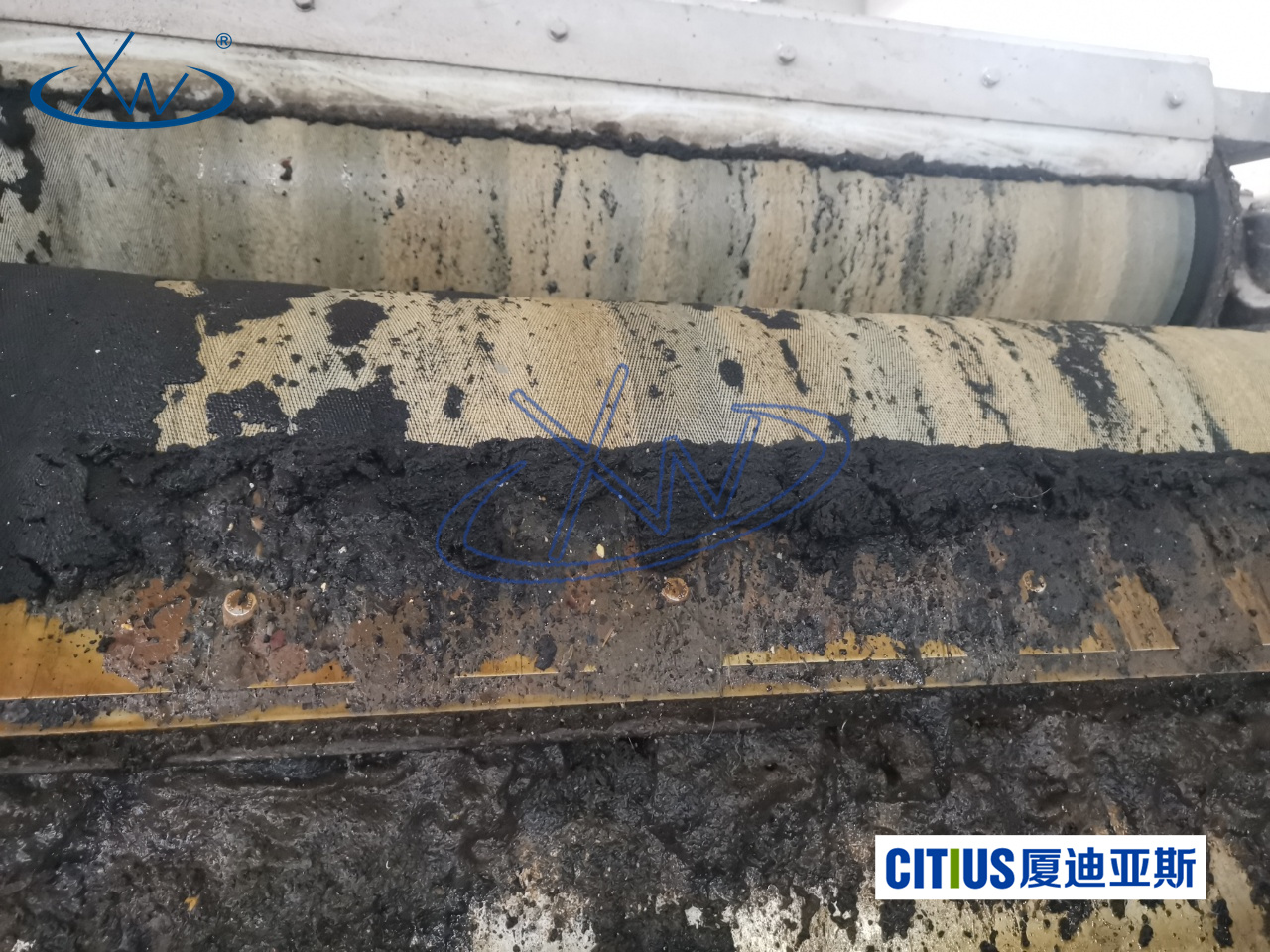
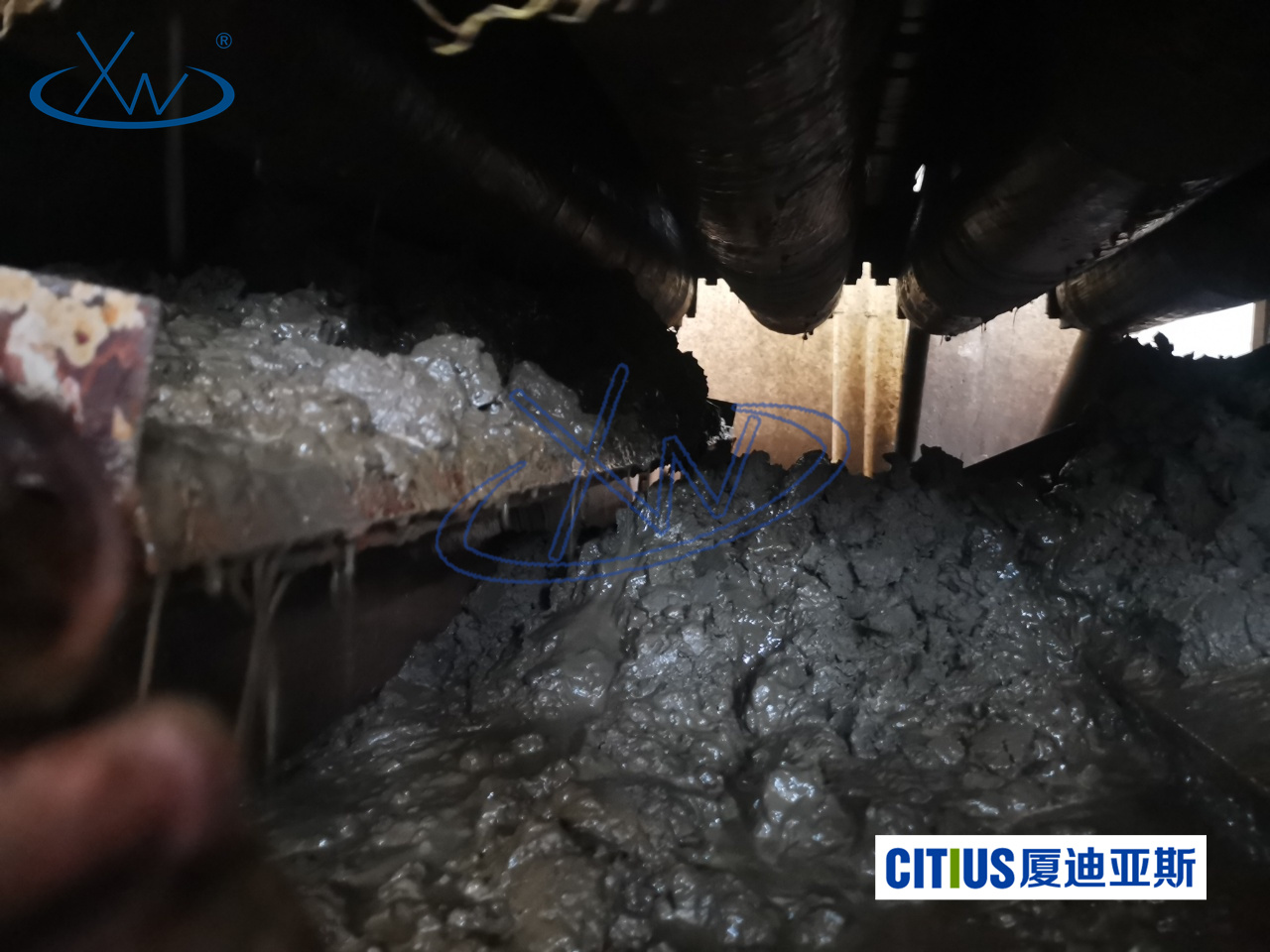
After conditioning, the sludge is introduced onto the filter cloth surface, where gravity and initial squeezing help remove free water, forming a thin layer of filter cake. At this stage, the water permeability of the filter cloth and its surface smoothness determine whether the mud cake can form smoothly. - Deep Dewatering Section (High-Pressure Pressing)
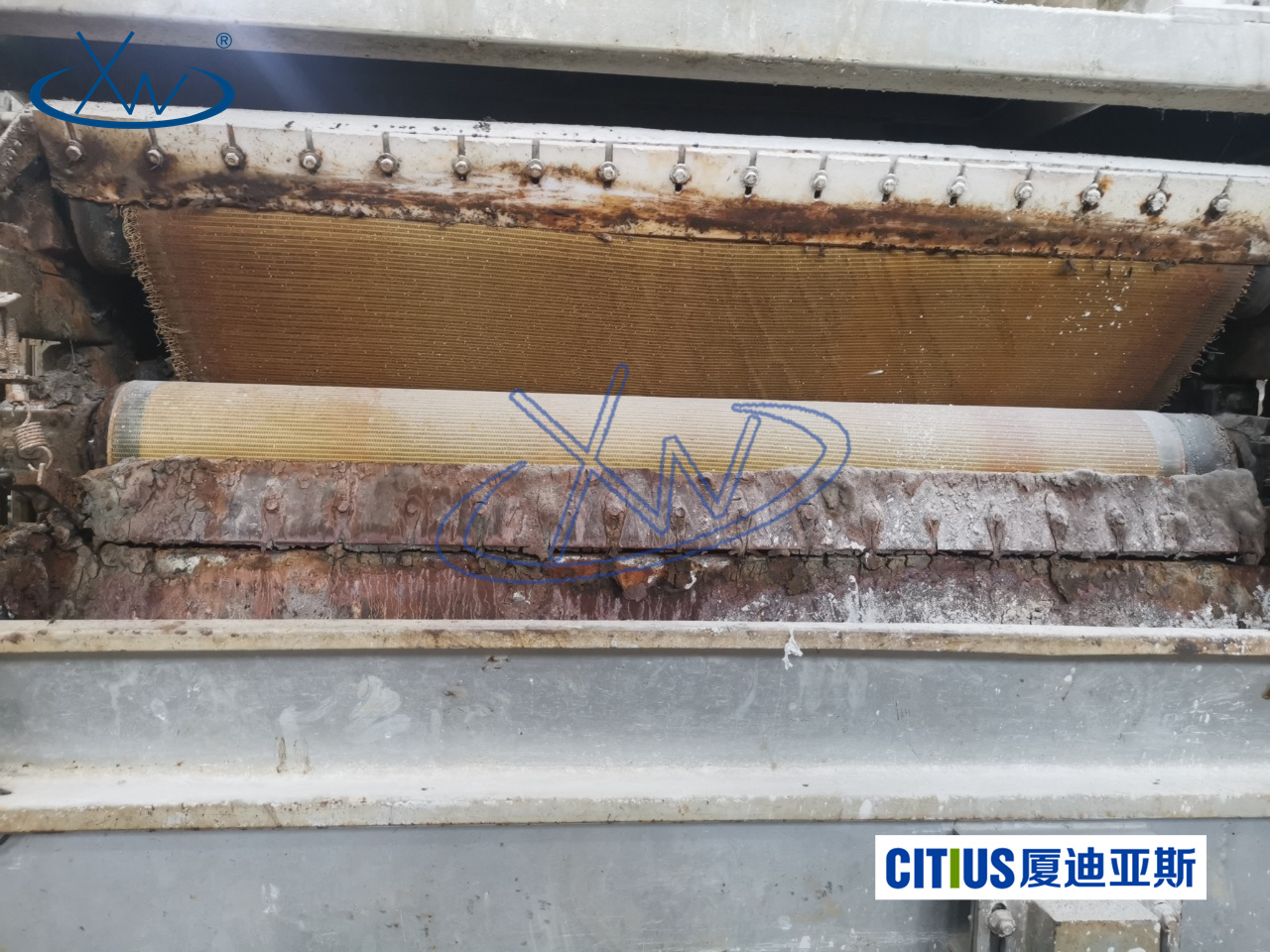
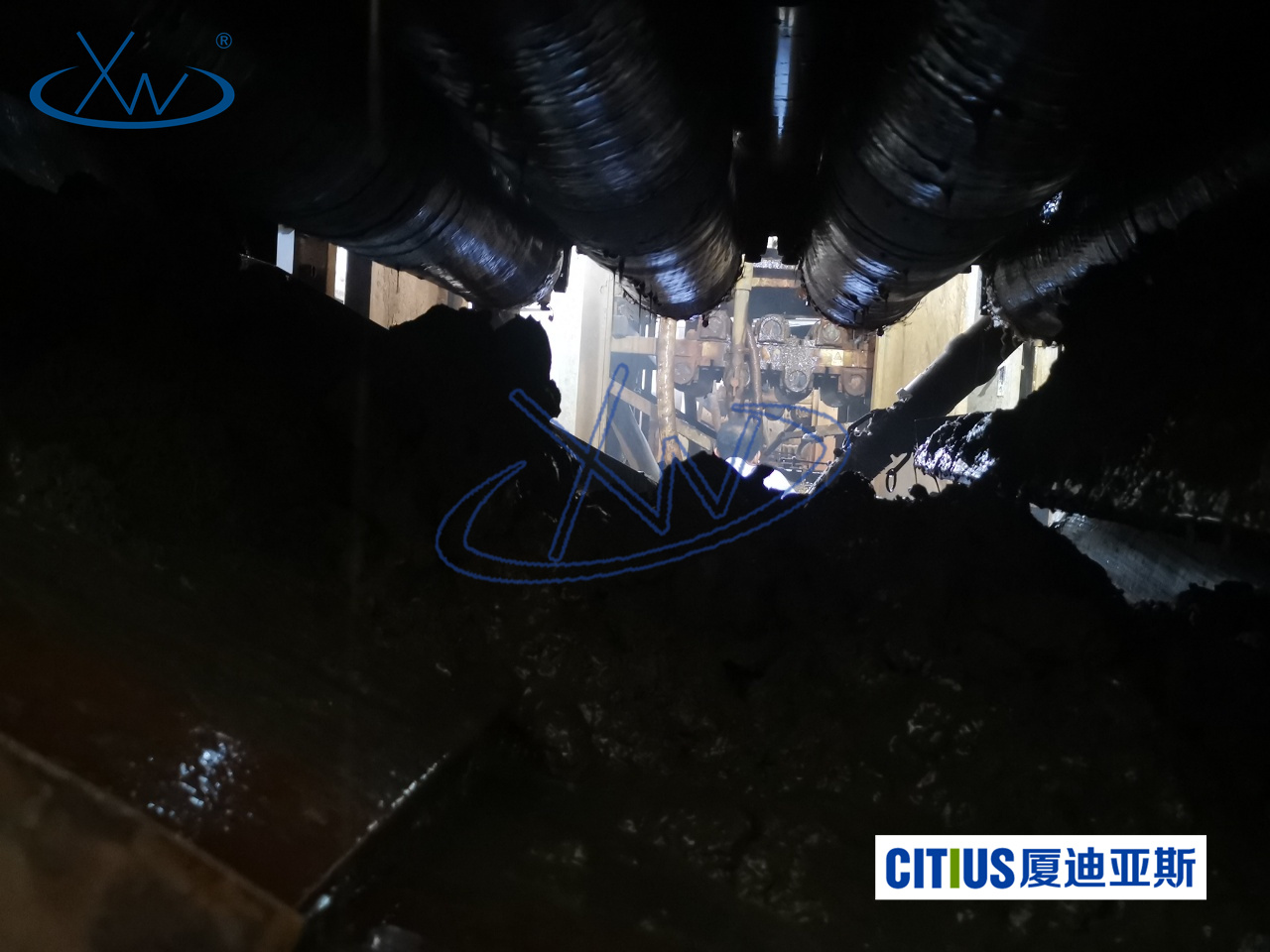
The filter cake is gradually compressed and sheared between two filter cloths by multiple sets of rollers, forcing out more bound water and significantly reducing the moisture content. At this stage, the filter cloth's pressure resistance, tensile strength, and surface release properties are particularly critical.
The entire process places the following requirements on the filter cloth: It must not only ensure sufficient permeability and interception capacity, but also possess excellent mechanical strength and abrasion resistance, guaranteeing stable performance even during prolonged operation.
III. Technical Advantages of Citiuss CITIUS Industrial Filter Cloth
Citius CITIUS has accumulated extensive experience in the research and development of sludge dewatering filter cloths, with products widely used in municipal wastewater treatment plants across China, establishing a unique technological advantage.
- High-strength base fabric structure
The filter cloth uses a specially developed, high-strength base fabric that ensures it remains resistant to deformation under the long-term, repeated tension and compression of the press rollers, thereby extending its service life. - Optimized weaving design
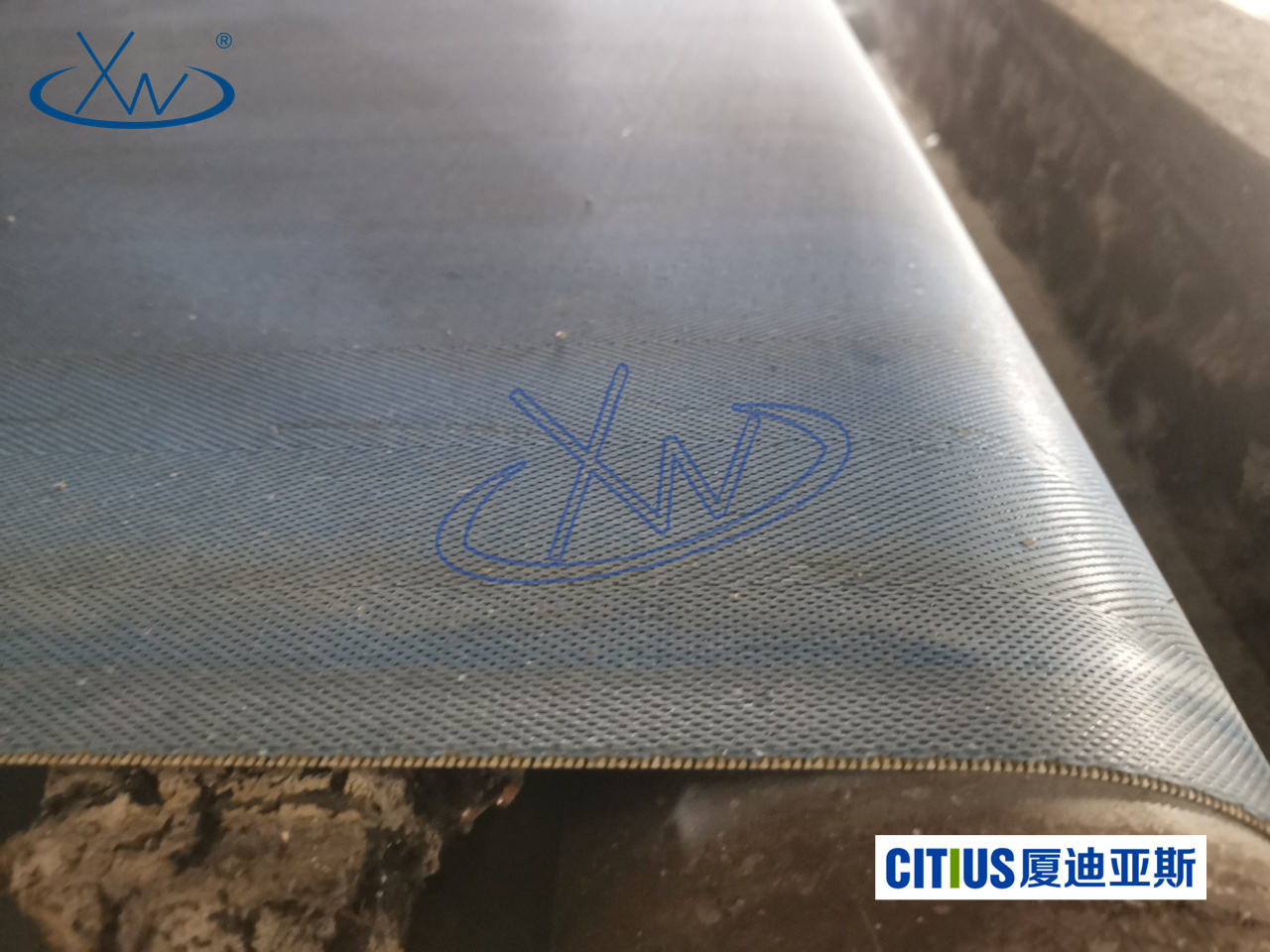
By rationally combining monofilaments with multifilaments, we achieve an optimal balance between superior retention performance and water permeability, enabling rapid formation of sludge filter cakes while significantly reducing the moisture content. - Surface Treatment Technology
Special surface smoothing treatment makes the filter cake easy to peel off, reducing filter cloth clogging and lowering cleaning frequency, thereby cutting down on operational and maintenance costs. - Chemical corrosion resistance and wear resistance
Municipal sludge often contains certain acidic or alkaline components along with impurity particles. The CITIUS filter cloth from Citiuss boasts excellent chemical resistance and abrasion durability, ensuring stable performance even under harsh operating conditions. - Customized Processing Services
Depending on the equipment model (such as dual-web belts, single-web belts, etc.) and the characteristics of the sludge, Citiuss CITIUS can provide tailor-made filter cloth solutions, including edge stitching, splicing, guide strips, and other processing techniques, ensuring perfect compatibility between the filter cloth and the equipment.
IV. Practical Application Effects of Advanced Sludge Dewatering
In several application cases at municipal wastewater treatment plants, Citiuss CITIUS industrial filter cloths have demonstrated significant advantages:
- Increased dehydration rate : In the deep pressing section, the moisture content of the filter cake steadily drops to 75%-80% Following this, compared to ordinary filter cloth, it is reduced 3-5 Percentage points.
- High operational stability : The filter cloth maintains stable tension, has a low deviation rate, and is adaptable. 24 Hour-long continuous operating environment.
- Filter cloth lifespan extended Under normal operating conditions, the filter cloth has a longer service life compared to ordinary filter cloths. 20%-30% , effectively reducing the replacement frequency.
- Reduced operating costs : Reducing the moisture content of sludge cakes means lower transportation volumes and disposal costs, bringing direct economic benefits to wastewater treatment plants.
V. Future Trends and Sustainable Development
As “ Dual Carbon ” The advancement of environmental protection goals and policies has placed higher demands on municipal wastewater plants regarding sludge treatment:
- Lower moisture content target : In the future, advanced sludge dewatering will place greater emphasis on energy efficiency and high performance, requiring filter cloths to further enhance their pressing capabilities.
- Automation and Intelligent Management : Monitoring the operational status of filter cloths, along with life-cycle early warning and maintenance forecasting, will become a growing trend.
- Recycling and Eco-Friendly Materials The application of renewable fibers and low-energy production processes will drive the filter cloth industry toward greater greenness and sustainability.
Citius CITIUS continues to ramp up its R&D investments, integrating intelligent manufacturing with advanced materials to not only enhance the performance of filter cloths but also drive the entire sludge dewatering process toward greater efficiency and environmental sustainability.
Conclusion
In the dewatering process of municipal sewage sludge at wastewater treatment plants, the combination of belt press filters and industrial filter cloths determines the final treatment efficiency and cost level. Citiuss CITIUS industrial filter cloths, with their exceptional features such as high strength, excellent water permeability, abrasion resistance, and customizable options, have become the core choice for both the pressing and deep-dewatering stages in municipal sewage plants.
In the future, as sludge treatment standards continue to rise, Citiuss CITIUS will remain driven by innovation and quality, delivering reliable solid-liquid separation solutions to an increasing number of municipal wastewater plants, thereby supporting urban environmental management and sustainable development.

Add
No. 16-22 Chunfeng East Road, Xiang'an Torch High tech Zone, Xiamen City, Fujian Province, ChinaAll Rights Reserved. | Privacy Policy |
Tel/ WhatsApp