
-
Filter ClothBelt press filter mesh belt Horizontal belt vacuum filter mesh belt Vertical filter press filter cloth Filter Press Filter Cloth Breathable mesh Technical fabric - drying Technical fabric - high pressure belt Technical fabric - conveyor belt Technical fabric - fiberboard Joint form Edge banding form Accessories (threading)
Search HistoryClear All Records
- All
- Product Management
- News
Filter cake sticking, difficult to clean, and fast wear and tear? Choose your filter cloth for your filter press this way!
Release time:
2025-05-22
Subtitle: The Importance of Selecting the Right Filter Cloth for Filter Presses and Factors Affecting Performance
Filter presses are widely used as efficient dewatering equipment in solid-liquid separation processes across various industries, including municipal sludge, mining tailings, fine chemicals, pharmaceuticals, food, and environmental protection. Within the filter press system, the filter cloth serves as a crucial filtration medium, directly impacting filtration efficiency, filter cake quality, operational stability, and maintenance costs.
Correctly selecting a filter cloth for a filter press not only improves filtration quality but also extends equipment lifespan, reduces operating costs, and increases production capacity. It is a crucial aspect of optimizing the entire filtration system. This article will systematically explore the importance of filter cloth selection and the key factors influencing its performance, helping users make more professional judgments in practical applications.
I. Why is choosing the right filter cloth for a filter press crucial?
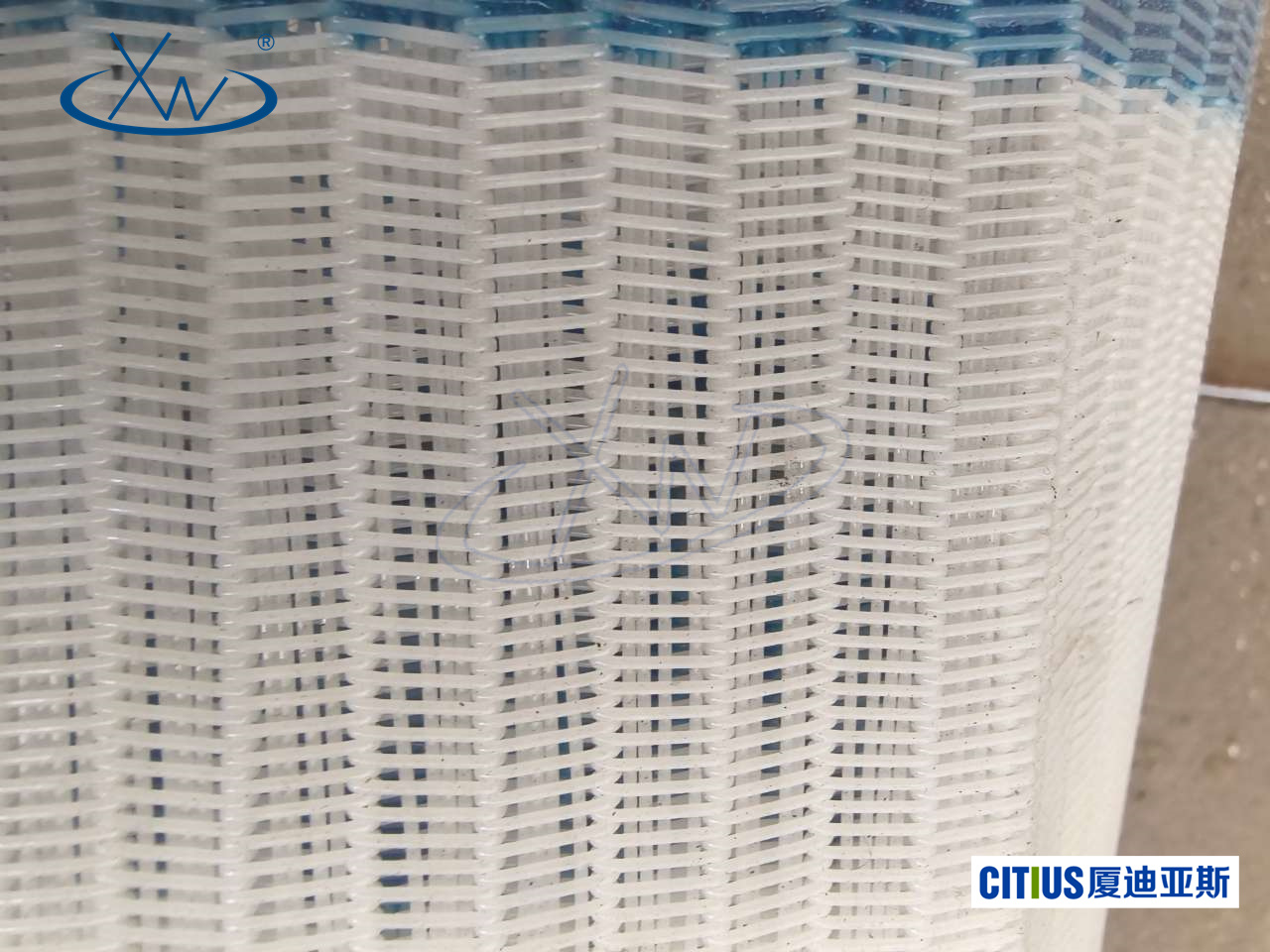
1. The filter cloth is the "core filtration layer" of the filtration system
During the filter press process, the filter cloth bears the dual task of liquid-solid separation. On the one hand, it acts as a physical barrier to intercept solid particles; on the other hand, a "secondary filter layer"—the filter cake—gradually forms on its surface, further improving filtration accuracy. If the filter cloth is not selected properly, it will lead to poorly formed filter cakes, slow filtration speeds, or even cloth clogging, breakage, and slurry leakage, affecting the operation of the entire machine.
2. The filter cloth determines operating efficiency and production rhythm
A highly efficient filter cloth can achieve a high dewatering rate and ideal filter cake dryness in the shortest time, thereby shortening the filter press cycle, improving equipment start-up efficiency, and saving energy and labor costs.
3. The filter cloth affects equipment maintenance frequency and service life
Inappropriate filter cloths may experience frequent wear, edge fraying, hole clogging, and failure during operation, leading to frequent filter cloth replacements, increasing spare parts costs, downtime, and even affecting continuous production in the entire factory.
II. Core Factors Affecting Filter Press Cloth Performance
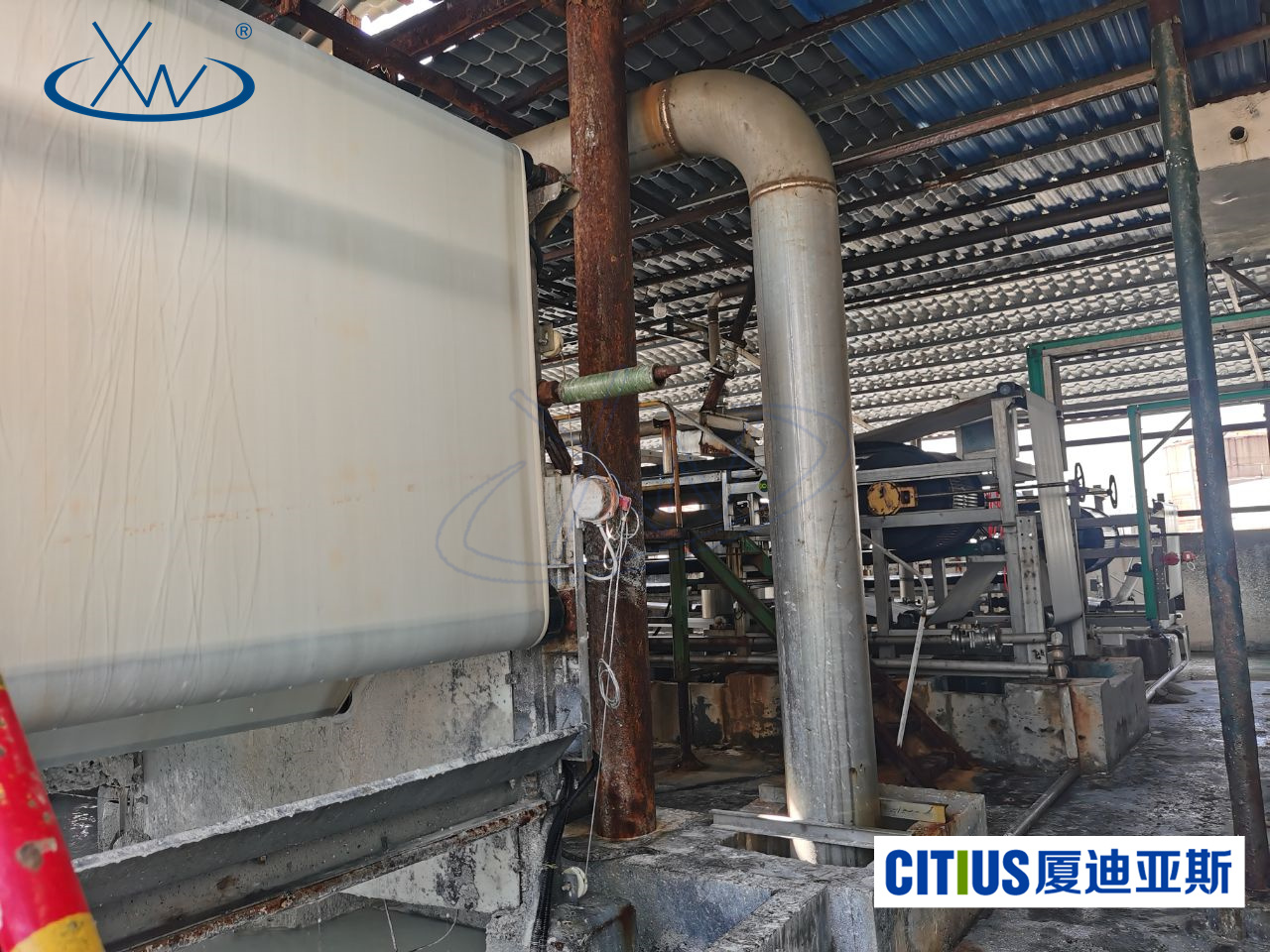
The performance of filter press cloths is affected by the interplay of multiple parameters, including the cloth's own structure and process characteristics, as well as the material being processed, equipment type, and operating conditions.
1. Type of filtration equipment
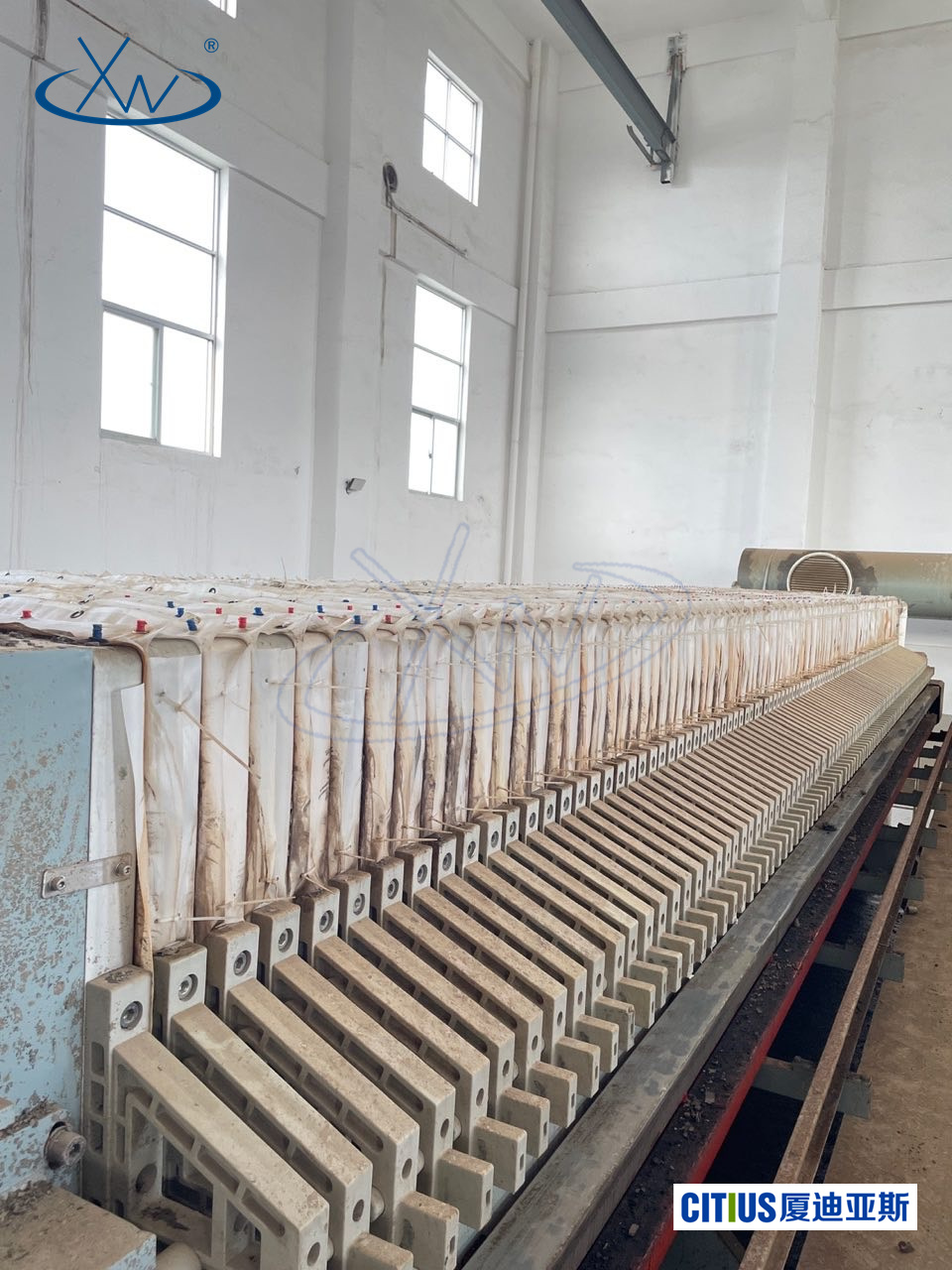
Different types of filter presses (such as belt filter presses, horizontal vacuum belt filters, vertical filter presses, plate and frame, chamber, diaphragm, and centrifuges) have different requirements for filter cloths. The tensile strength, flexibility, extensibility, and edge-setting ability of the filter cloth must be well-matched with the equipment.
For example, in plate and frame filter presses, the filter cloth must have sufficient tensile strength and precise cutting to withstand repeated clamping and high-pressure operation; while in belt filter presses, the filter cloth needs good longitudinal permeability, a smooth surface, and continuous operational stability.
In addition, the connection method between the filter cloth and the equipment (such as pressure bar fixing, interface selection, and edge binding) will also affect its assemblability and sealing.
2. Cake Release
Smooth cake release is crucial for the efficient and continuous operation of filter presses. The surface structure and material composition of different filter cloths directly affect the adhesion and release of the filter cake.
If the filter cake adheres too tightly to the cloth surface, it not only causes difficulties in discharging, increasing manual intervention, but may also damage the filter cloth surface. A good filter cloth design should achieve "dry, easily detachable, and completely formed filter cakes" while ensuring filtration accuracy.
Typical abnormal situations include:
Sticky filter cake : Indicates excessive surface tension of the filter cloth or pore clogging.
Filter cake too thin/not formed : Mismatched filter cloth selection, resulting in ineffective particle deposition.
Partial filter cake loss : Uneven cloth surface tension distribution or wrinkles during operation.
3. Cleaning convenience
During use, filter cloths inevitably accumulate fine particles, oils, chemical residues, and other impurities, leading to pore clogging and reduced permeability. Therefore, the cleaning performance of the filter cloth is an important factor affecting its sustainable use.
High-quality filter cloths not only have strong anti-clogging capabilities but also need to be easy to rinse and resistant to cleaning solution corrosion.
Chemical cleaning is also an effective method. Common cleaning agents include dilute acids, alkaline solutions, and surfactants. The specific choice depends on the filter cloth material, pollution type, and process requirements.
4. Particle size and pore size matching
The core of filtration effectiveness lies in the relationship between the filter cloth pore size and the particle diameter. If the pore size is too large, the filter cloth will not be able to intercept the target particles; if the pore size is too small, the filter cloth will easily clog, increasing filtration resistance and operating costs.
In practice, the filter cloth is not the main filtration medium but provides a "support platform" to help particles accumulate on the cloth surface to form a filter cake. Therefore, the pore size design should achieve the best balance between filtration accuracy and permeability.
5. Particle size distribution and particle shape
In actual processes, the particles in the slurry are often unevenly distributed, ranging from large particles to colloidal particles. If the particle distribution is wide, it is recommended to use graded filtration or select a composite structure filter cloth (such as double-layer fabric, multilayer composite cloth) to improve the interception rate and filter cake formation speed.
Particle shape is also crucial. Sharp-edged particles may accelerate filter cloth wear, while flaky or colloidal particles are prone to pore clogging or adhesion. Ideal filter cloths should have good wear resistance and self-cleaning ability to handle various particle morphologies.
6. Chemical properties and operating temperature
Filter press applications are complex and variable, with chemical corrosion, pH deviations, and temperature fluctuations being common operating conditions. The filter cloth must be able to withstand risks such as acid-base corrosion, high-temperature instability, or low-temperature embrittlement.
For example:
For acidic environments, acid-resistant materials such as polypropylene (PP) are recommended;
For high-temperature applications, polyimide (PI) or PTFE-coated fabrics can be used;
In neutral salt or organic environments, polyester (PET) material can be used.
The Xiamen Citius technical team is adept at comprehensively evaluating on-site operating conditions and matching suitable filter cloth combinations to ensure stable performance even in harsh environments.
7. Volume and load of materials being processed
The filter cloth must also have sufficient load-bearing capacity. The larger the filtration processing volume, the thicker and heavier the filter cake, and the higher the requirements for the strength, support, and pressure resistance of the filter cloth.
For high-capacity continuous production lines, it is recommended to use high-density reinforced filter cloths or thickened support layer structures to reduce replacement frequency and improve overall durability.
III. Xiamen Citius Helps You Achieve Optimal Filter Cloth Selection
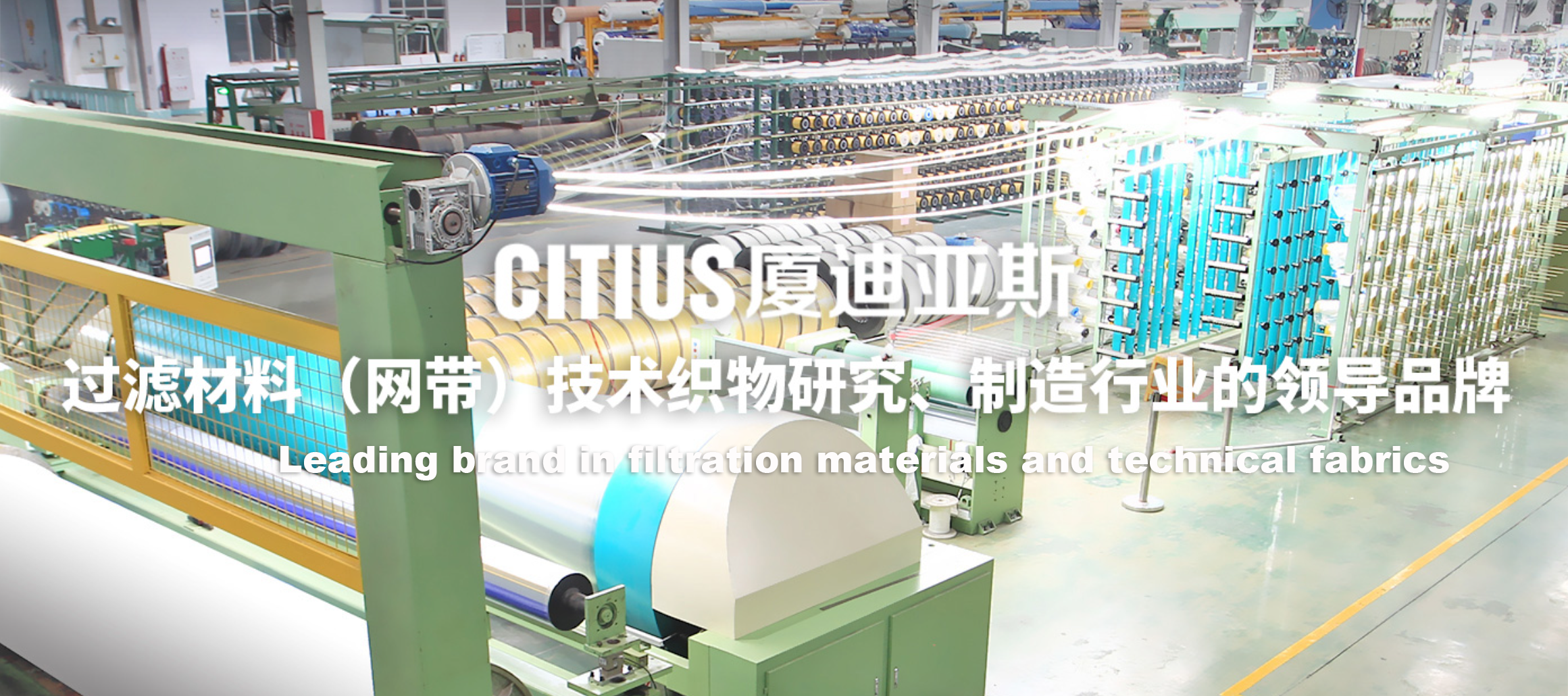
As a leading brand in the field of filter material technical textiles, Xiamen Citius Filter Media Technology Co., Ltd. ( Xiamen Citius Filter Media Technology Co., Ltd. ) has been deeply engaged in the research and development and manufacturing of filter press cloths for 30 years, possessing industry-leading weaving technology, customization capabilities, and engineering service systems.
Our team of technical experts can provide you with:
Slurry sample testing and pore size matching evaluation;
On-site analysis of filter cloth usage and life diagnosis;
Customized solutions for special operating conditions (high temperature, high corrosion, high load, etc.);
Automatic cleaning system and operation optimization suggestions;
Full range of filter cloth production supporting capabilities.
Conclusion
Selecting the correct filter press cloth is the foundation for the efficient and stable operation of the entire filtration system. From equipment matching to particle characteristics, from cleaning and maintenance to process conditions, every detail cannot be overlooked. Through professional analysis and selection, the operating efficiency, economy, and reliability of the filter press system can be significantly improved.
If you are troubled by selection difficulties or operational problems, please contact the Xiamen Citius filtration expert team. We will tailor a more scientific, stable, and efficient filtration solution for you.
For more technical support or to request samples, please visit our website: www.citius-filter.com or contact us in the following ways:
Email: wyl@citius-filter.com
WhatsApp: +86-13950107241
Xiamen Citius, your trustworthy industrial filtration partner.
Previous article:

Add
No. 16-22 Chunfeng East Road, Xiang'an Torch High tech Zone, Xiamen City, Fujian Province, ChinaAll Rights Reserved. | Privacy Policy |
Tel/ WhatsApp