
-
Filter ClothBelt press filter mesh belt Horizontal belt vacuum filter mesh belt Vertical filter press filter cloth Filter Press Filter Cloth Breathable mesh Technical fabric - drying Technical fabric - high pressure belt Technical fabric - conveyor belt Technical fabric - fiberboard Joint form Edge banding form Accessories (threading)
Search HistoryClear All Records
- All
- Product Management
- News
Monofilament Filter Cloth in Horizontal Vacuum Belt Filters – Driving Alumina & Chemical Solid-Liquid Separation
Release time:
2025-09-17
Why choose monofilament filter cloth?
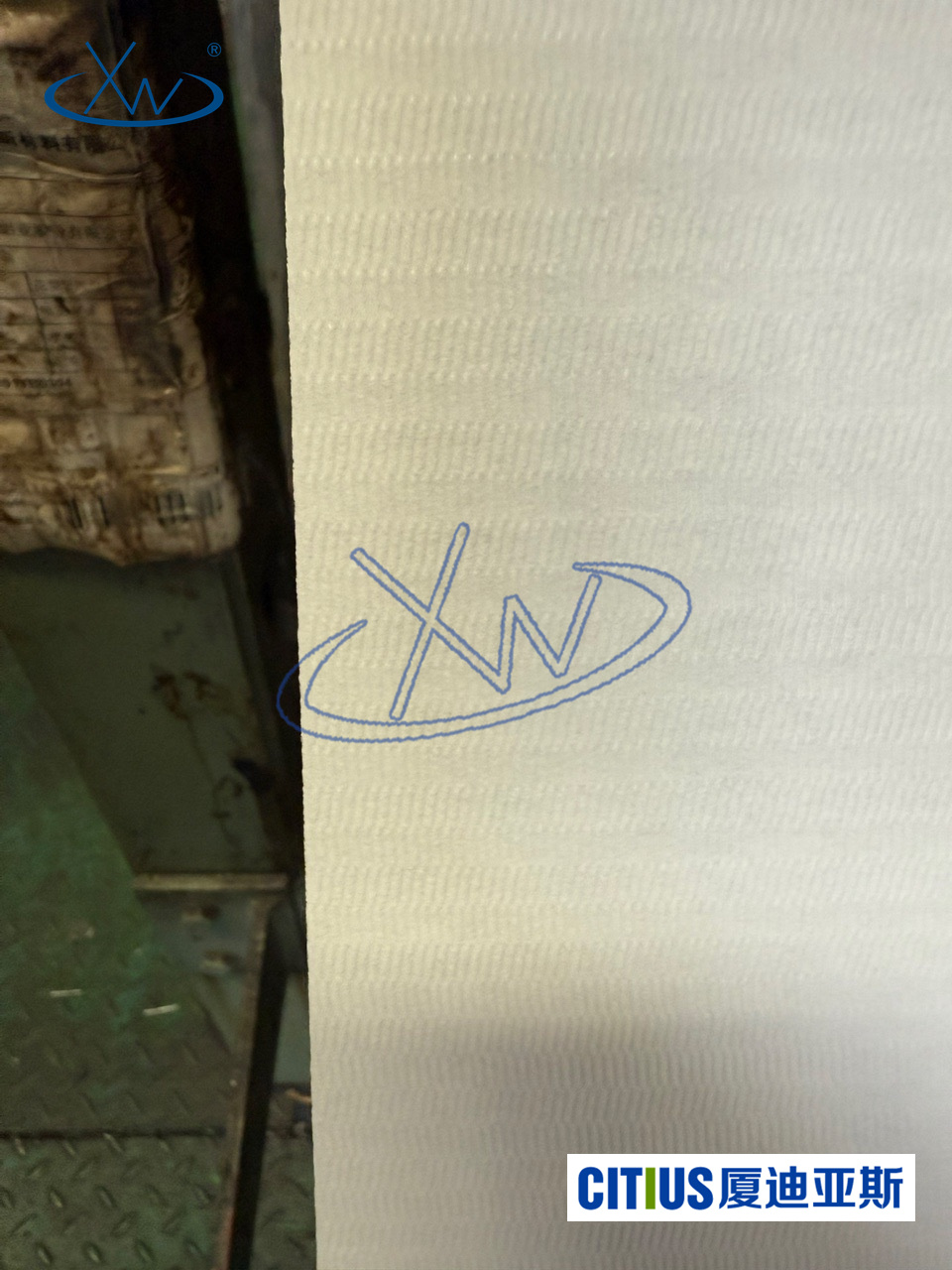
Compared to multi-filament or non-woven filter cloths, the most distinctive feature of monofilament filter cloths is The fiber structure is uniform, and the pore size distribution is stable. This brings numerous advantages to solid-liquid separation:
- Filtering accuracy is controllable
The regular pores formed by single filaments effectively ensure efficient particle retention, making them ideal for processes with high precision requirements, such as alumina red mud separation and chemical powder washing. - Improved filter cake release performance
Single filaments have a smooth surface, making it difficult for filter cakes to adhere to the filter cloth—significantly boosting discharge efficiency while reducing labor and equipment-cleaning costs. - Excellent regeneration performance
Single-filament filter cloth boasts strong anti-clogging performance, maintaining high air permeability and water transmittance even after cleaning, thereby extending its service life and reducing overall operating costs. - High mechanical strength
Under high-vacuum negative pressure and continuous-operation conditions, the monofilament filter cloth exhibits excellent tensile strength and abrasion resistance, making it particularly well-suited for the long-term operation of horizontal vacuum belt filters.
The Process Advantages of Horizontal Vacuum Belt Filters
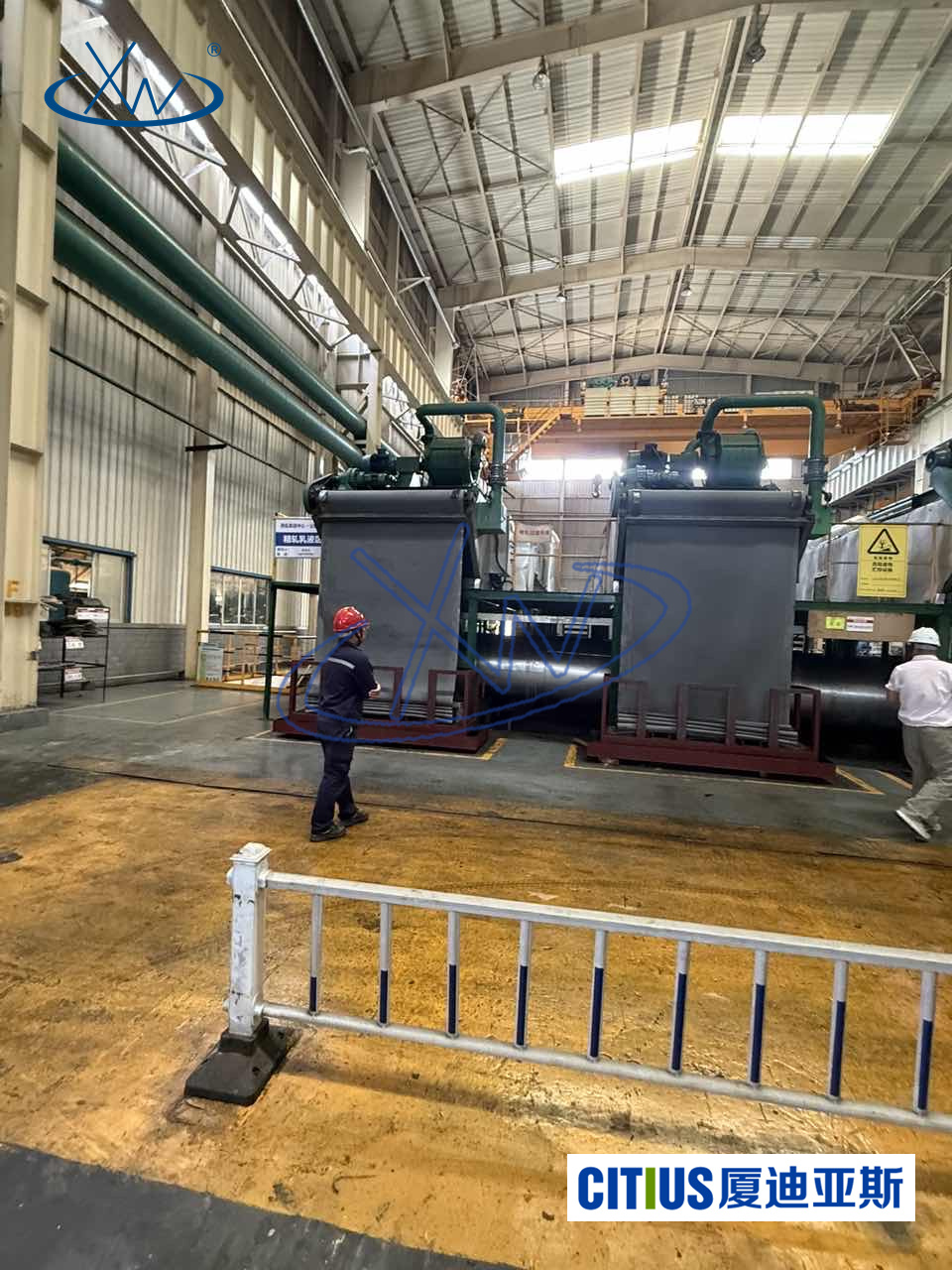
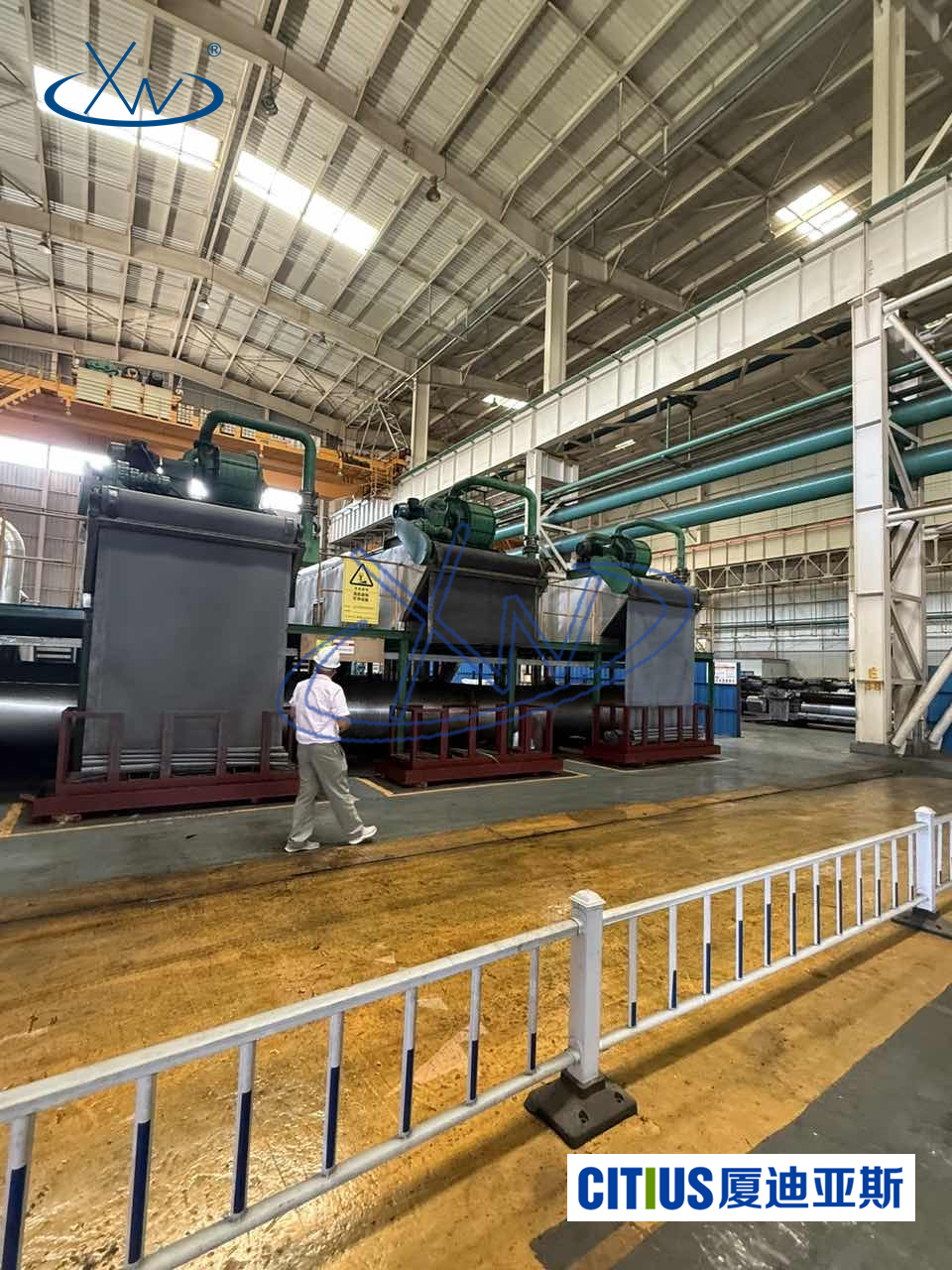
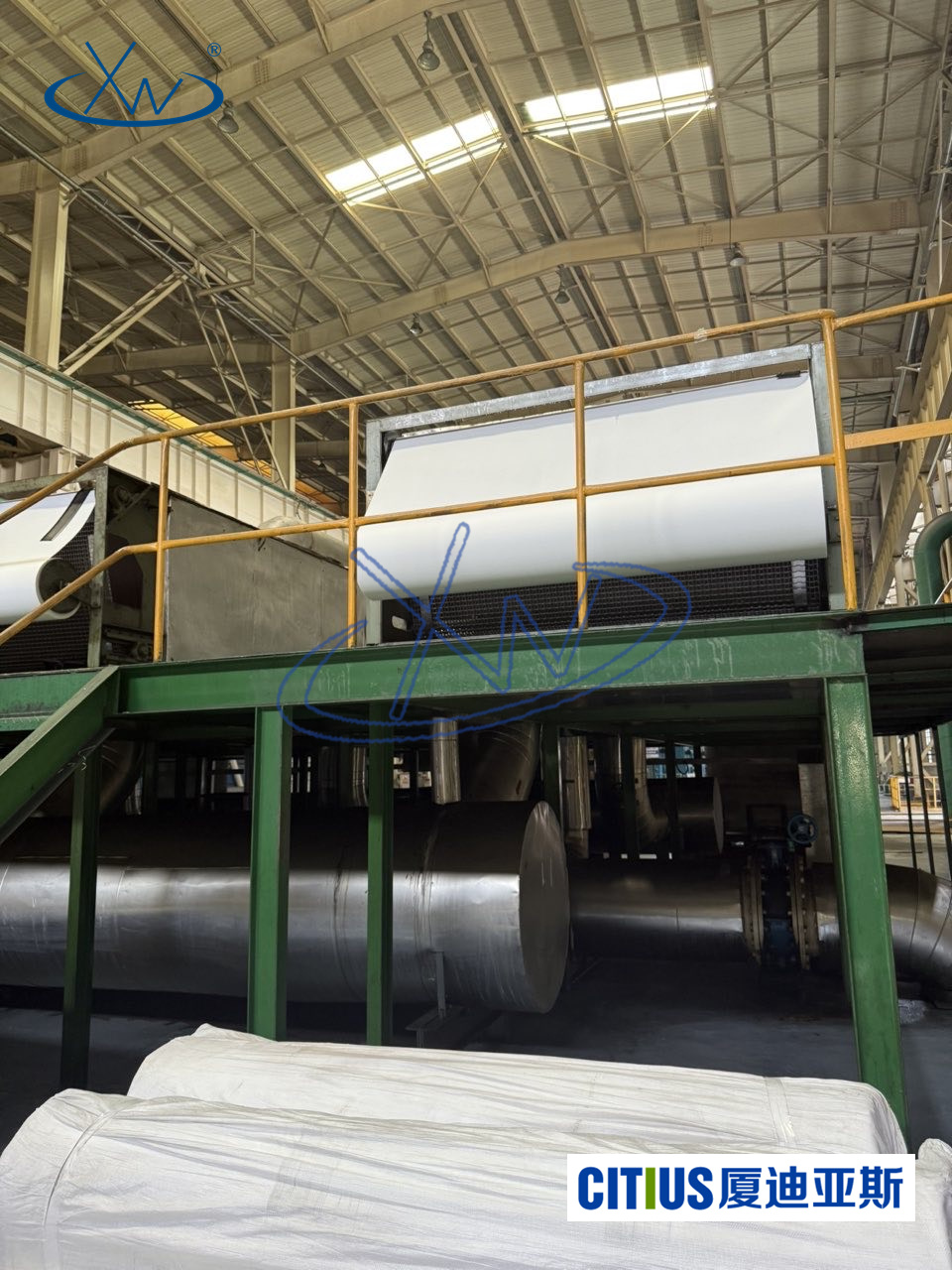
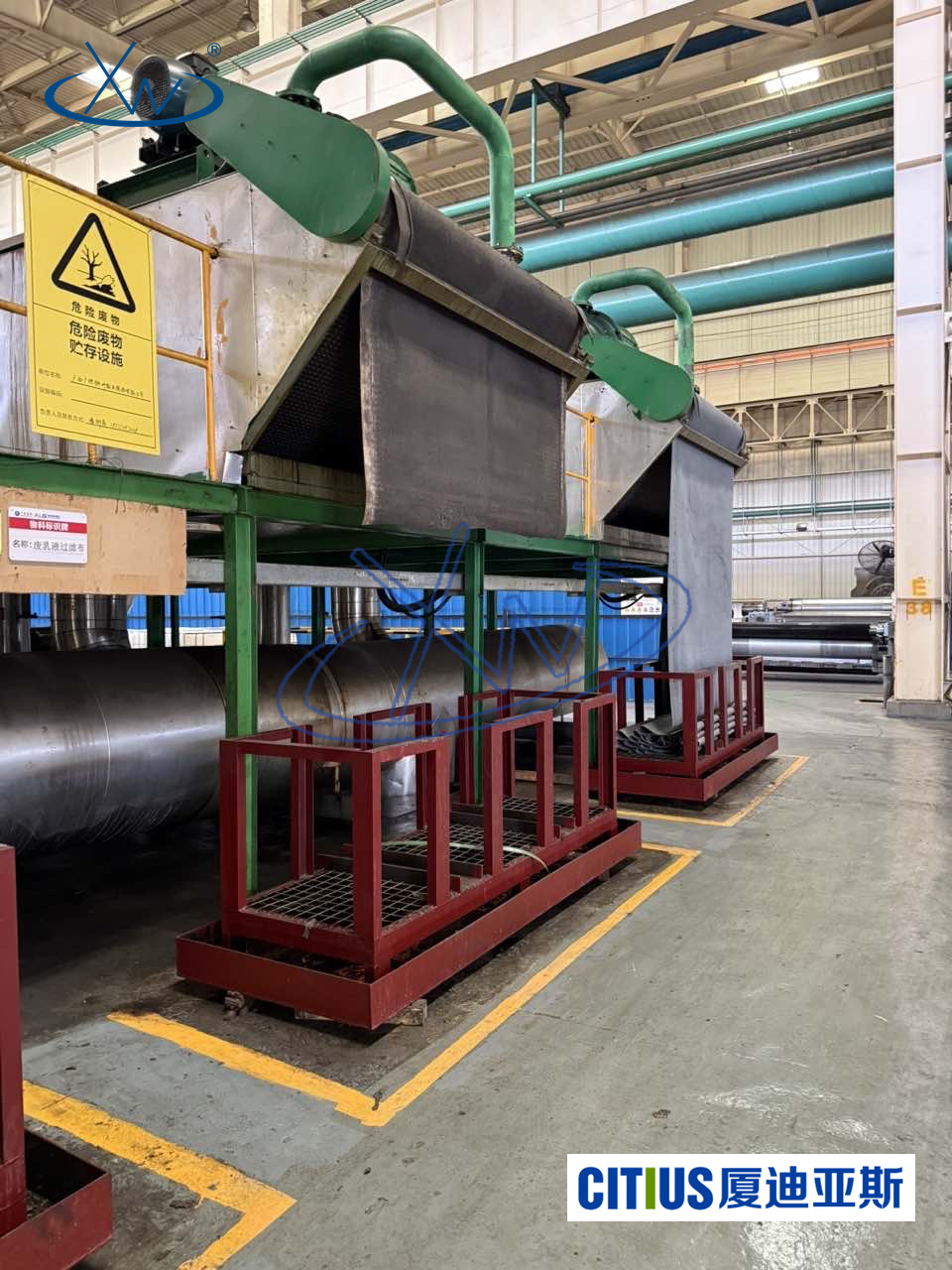
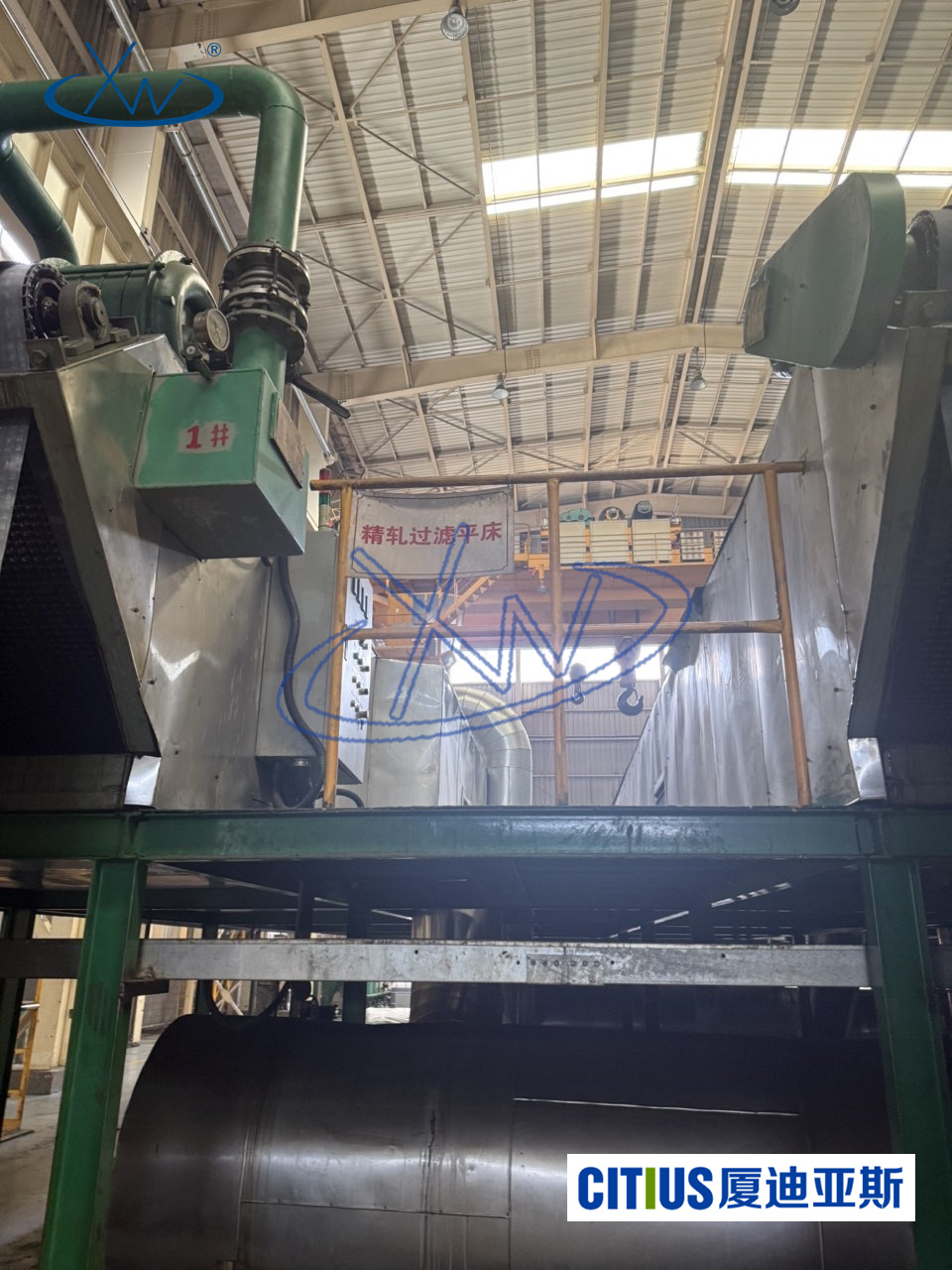
The horizontal vacuum belt filter is a typical continuous solid-liquid separation device, widely used in the metallurgy, chemical, mining, and environmental protection industries. Its operating principle relies on a filter cloth that carries the material; under the action of vacuum negative pressure, solid-liquid separation is achieved. The liquid passes through the filter cloth into the vacuum chamber, while the solid remains behind as a filter cake.
Compared to traditional pressure filters or rotary drum filters, the advantages of a horizontal vacuum belt filter lie in:
- Continuous operation, high efficiency : Suitable for large-scale production processes, such as alumina red mud separation and chemical slurry washing.
- Excellent washing performance After the filter cake is formed, multi-stage spray washing can be performed to enhance product purity.
- Highly automated : Integrated with the filter cloth cleaning system, it enables fully automatic operation, reducing reliance on manual labor.
- Highly adaptable : Capable of handling high-concentration slurries or large-particle suspensions, particularly suitable for highly corrosive or high-temperature environments.
Typical applications in the alumina industry
In the alumina production process, red mud separation is an exceptionally challenging step. Red mud particles are fine and highly alkaline; if the filter cloth is chosen improperly, issues such as clogging and reduced filtration rates are likely to occur. Citiuss CITIUS The provided monofilament filter cloth, through optimized fiber arrangement and pore size distribution, achieves a balance of… High permeability and alkali resistance , significantly enhancing red mud separation efficiency.
Additionally, in processes such as seed crystal washing and mother liquor clarification, monofilament filter cloths demonstrate the following advantages:
- Ensure the clarity of the filtrate , preventing particulate impurities from entering subsequent processes.
- The filter cake is easy to peel off. , enhance washing efficiency and reduce material loss.
- Extend the usage cycle , reducing the risk of downtime caused by frequent filter cloth replacements.
These performance advantages have gradually made monofilament filter cloth the preferred choice in the alumina industry.
The widespread application in the chemical industry
In the chemical industry, solid-liquid separation spans a remarkably wide range—ranging from inorganic salt crystallization and purification of fine chemical raw materials to the preparation of battery materials and catalysts—all of which require reliable filtration media. The application of monofilament filter cloths in these processes is primarily evident in:
- Highly corrosion-resistant
Facing complex media environments such as acids, bases, and solvents, monofilament filter cloths can maintain stable performance, ensuring continuous production. - Adapts to Various Slurry Characteristics
Whether it's a high-solid slurry or a low-concentration solution, monofilament filter cloth can meet process requirements through structural optimization. - Easy to clean and regenerate
Chemical production demands high reusability of equipment and consumables. After cleaning, the single-filament filter cloth maintains a high air-permeability recovery rate, significantly reducing consumption costs. - Enhance product purity
Efficient filtration and washing performance help reduce impurity levels, enhancing the market competitiveness of chemical products.
Citiusas CITIUS The solution
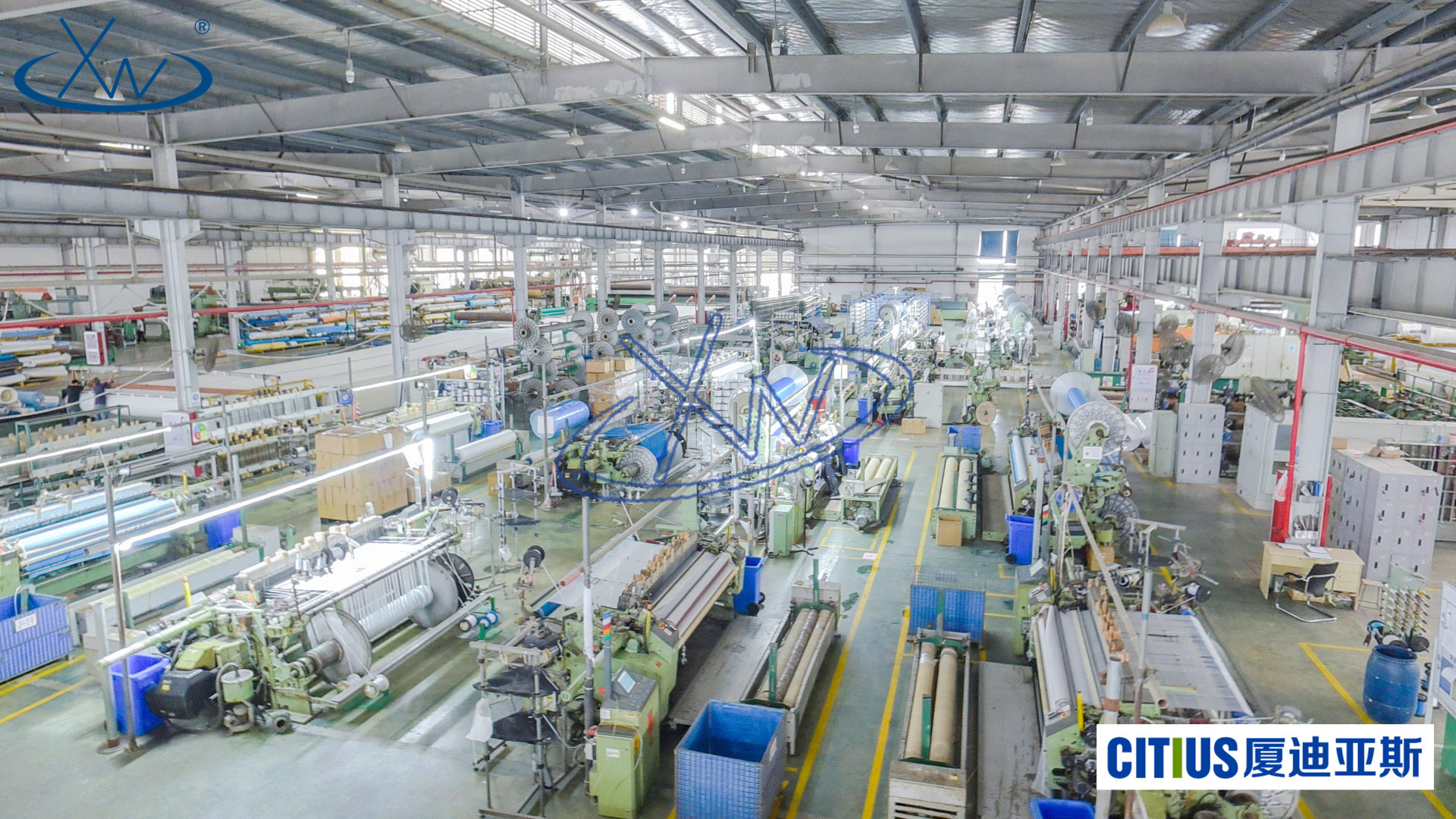
As a leading brand in the research, development, and manufacturing of industrial filter fabrics, Xiamen Citius Filtration Materials Technology Co., Ltd. CITIUS Filter Media ) Has accumulated over 30 Years of experience.
- Customized services
Citius can provide personalized filter cloth processing tailored to different customer process requirements, such as edging, glue brushing, punching, and other techniques, ensuring a high level of compatibility between the filter cloth and the equipment. - Wide-ranging industry coverage
The products are widely used in industries such as alumina, metallurgy, chemical engineering, environmental protection, pharmaceuticals, and new materials, meeting diverse separation requirements ranging from coarse particles to nanoscale powders. - Quality and Standards
As a national-level high-tech enterprise and the drafting unit of the industry standard for filter belts used in belt filter presses, Citiuss' industrial filter fabrics not only deliver stable performance but also come with a reliable quality guarantee.
Market Trends and Outlook
As “ Dual Carbon Goals ” With the advancement of green development, the chemical and metallurgical industries are placing higher demands on the filtration process: Energy conservation and consumption reduction, emission reduction, and enhanced resource recycling rates In this context, the combination of monofilament filter cloths with horizontal vacuum belt filters will continue to play an even greater role in the alumina and chemical industries.
In the future, Citiuss CITIUS We will further advance the optimization of filter cloth structures, leveraging the research and development achievements in next-generation nanometer- and micrometer-scale filtration equipment, to provide global customers with more efficient and environmentally friendly solid-liquid separation solutions.
Conclusion
Single-filament filter cloth is not just a filtration material—it is also a vital tool driving advancements in solid-liquid separation processes within the alumina and chemical industries. Enhanced by its integration into horizontal vacuum belt filters, it helps companies achieve more efficient, stable, and environmentally friendly production goals. With extensive experience and cutting-edge technology, Citiuss CITIUS We are providing globally competitive industrial filter fabrics to customers, helping drive industry upgrades and supporting sustainable development.

Add
No. 16-22 Chunfeng East Road, Xiang'an Torch High tech Zone, Xiamen City, Fujian Province, ChinaAll Rights Reserved. | Privacy Policy |
Tel/ WhatsApp