
-
Filter ClothBelt press filter mesh belt Horizontal belt vacuum filter mesh belt Vertical filter press filter cloth Filter Press Filter Cloth Breathable mesh Technical fabric - drying Technical fabric - high pressure belt Technical fabric - conveyor belt Technical fabric - fiberboard Joint form Edge banding form Accessories (threading)
Search HistoryClear All Records
- All
- Product Management
- News
Xiamen Citius Filter Media Application in Phosphogypsum Treatment in the Phosphochemical Industry
Release time:
2025-02-20
1. Overview of the Phosphorus Chemical Industry
The phosphorus chemical industry is the industry that produces and processes phosphorus compounds, mainly including phosphate fertilizers, phosphoric acid, fluorides, and the extraction of phosphate rock. In the production process of phosphorus chemicals, a large amount of phosphogypsum waste is often generated after the purification and acidification of phosphate rock through a series of processes. Phosphogypsum is a by-product of the phosphorus chemical industry, with its main component being dihydrate gypsum (CaSO₄.2H₂O). Its physical properties are similar to gypsum, but it contains certain acidic substances and other impurities.
The harmless treatment of phosphogypsum is an urgent problem that needs to be solved in the phosphorus chemical industry. If untreated phosphogypsum is randomly piled or dumped, it can cause serious pollution to soil and water resources, damaging the ecological environment. Therefore, the harmless treatment of phosphogypsum is not only an urgent environmental protection requirement but also a key to the sustainable development of the phosphorus chemical industry.
2. The Necessity of Harmless Treatment of Phosphogypsum
The harmless treatment of phosphogypsum waste is crucial for several reasons:
- Environmental Pollution
Phosphogypsum itself contains certain fluorides and heavy metals, such as lead and mercury. If not treated, it may seep into groundwater, polluting water sources and affecting the ecosystem. In addition, if the stacking of phosphogypsum is not scientifically managed, it may release toxic gases during weathering, further harming the atmospheric environment. - Occupation of Land Resources
The stacking of phosphogypsum requires a large amount of land resources, and if not treated, the accumulation will continue to increase, occupying a significant amount of land and even affecting the utilization of surrounding land. - Compliance with Environmental Protection Regulations
With the increasing strictness of environmental protection requirements, the treatment of phosphogypsum has become an important aspect of industry regulation. Compliant treatment can not only avoid environmental pollution risks but also improve the green production level of phosphorus chemical enterprises and reduce environmental management costs. - Economic Value Recovery
Some components in phosphogypsum, such as calcium and sulfur, can be recovered and utilized as raw materials in other industrial fields, possessing certain economic value. Through scientific harmless treatment, phosphogypsum can be transformed from waste to treasure, creating additional value for enterprises.
3. Common Technologies for Harmless Treatment of Phosphogypsum
Currently, the methods for harmless treatment of phosphogypsum mainly include the following:
- Composting Method
The composting method utilizes microorganisms to decompose organic substances in phosphogypsum, converting them into harmless substances. This method is relatively economical but requires a longer time and has higher environmental conditions. - Thermal Treatment Method
The thermal treatment method decomposes harmful substances in phosphogypsum through high-temperature incineration. Phosphogypsum treated at high temperatures can significantly reduce its pollution and become a harmless solid material. - Washing Method
The washing method removes soluble harmful substances from phosphogypsum through water washing, reducing acidic components, making phosphogypsum more stable, and allowing for reuse. Phosphogypsum after washing can be used as a raw material for building materials, reducing environmental burden. - Chemical Stabilization Method
The chemical stabilization method involves adding chemical reagents to phosphogypsum to change its composition, converting harmful substances in phosphogypsum into stable and harmless materials. Although this method is effective, it is relatively costly and requires precise control of the operation process.
4. Application of Horizontal Vacuum Belt Filter in Harmless Treatment of Phosphogypsum
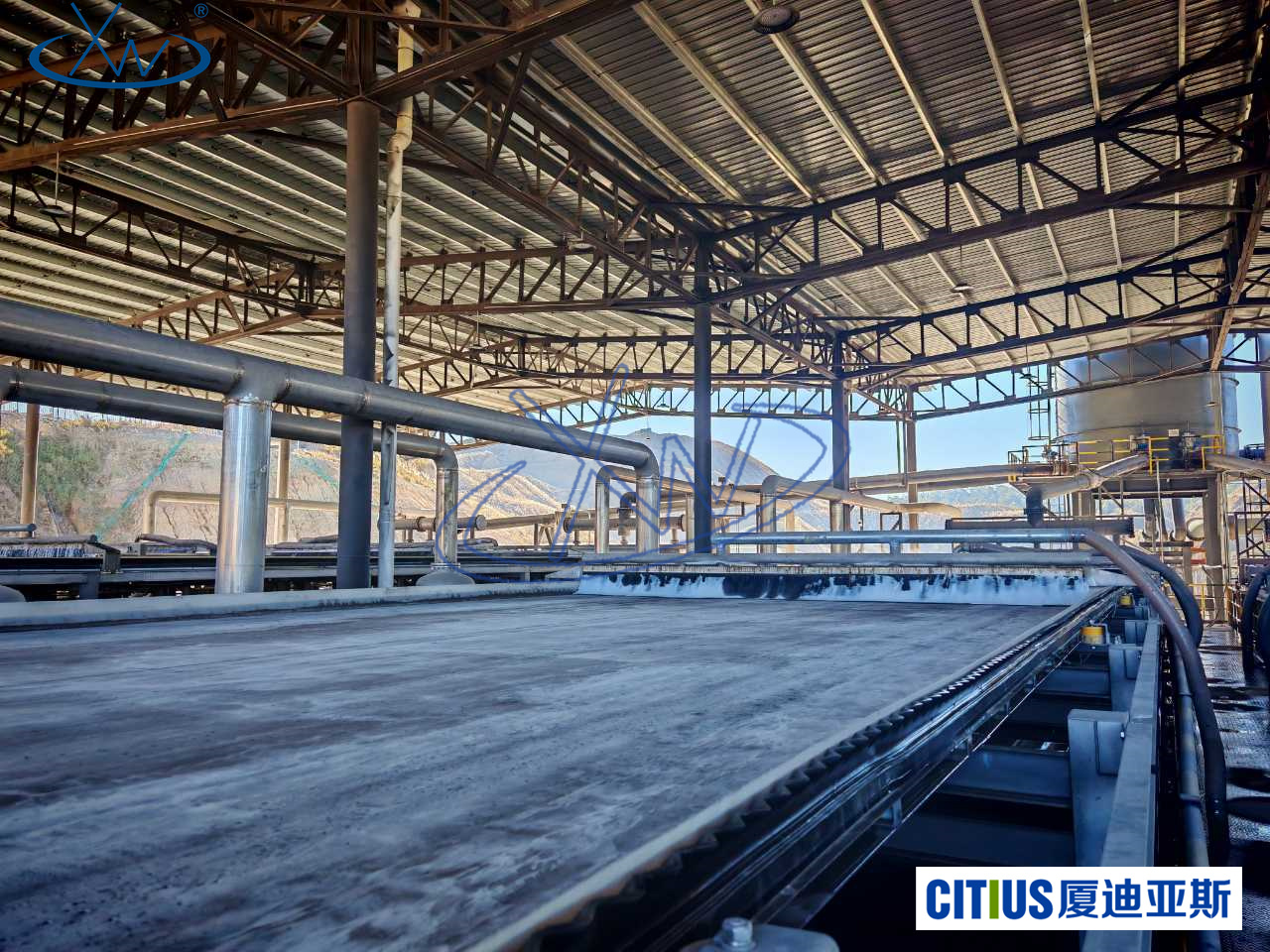
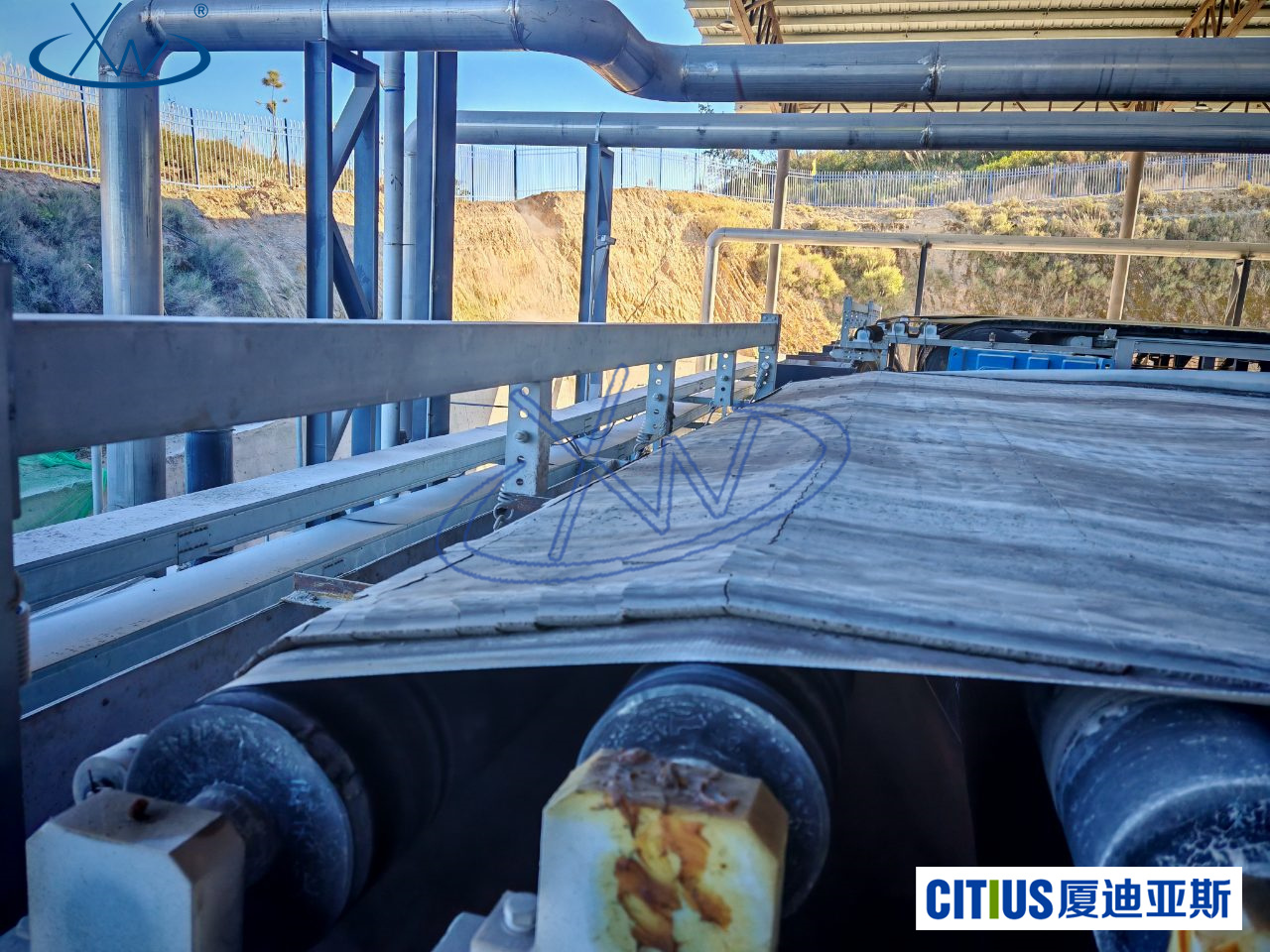
In the treatment process of phosphogypsum,dehydrationis a key link. Due to the high water content and high viscosity of phosphogypsum, traditional dehydration methods are difficult to efficiently separate moisture.Horizontal vacuum belt filteris a highly efficient solid-liquid separation device that has been widely used in the dehydration treatment of phosphogypsum.
- Working Principle
The horizontal vacuum belt filter works by placing a filter cloth on the horizontal vacuum belt filter. Through the vacuum effect of the belt filter, the liquid is quickly drawn away, and the solid material forms a filter cake on the surface of the filter cloth. This process can continue, ensuring stable treatment efficiency. - Advantages and Characteristics
- High Efficiency Dehydration: Through vacuum filtration, moisture can be quickly separated from phosphogypsum, reducing the moisture content of the filter cake and improving treatment efficiency.
- Continuous Operation: The working mode of the horizontal vacuum belt filter is continuous, capable of24performing filtration operations continuously for hours, adapting to high-load operations.
- Energy Saving and Environmental Protection: The vacuum filtration process can minimize the use of chemical agents, reduce secondary pollution, and comply with environmental protection requirements.
- Low Maintenance Cost: This equipment is simple to operate, highly automated, and has a low frequency of maintenance and filter cloth replacement, reducing production costs.
- High Efficiency Dehydration: Through vacuum filtration, moisture can be quickly separated from phosphogypsum, reducing the moisture content of the filter cake and improving treatment efficiency.
- Xiamen Citius(Xiamen Citius)Technical Advantages of Filter Cloth
Xiamen Citius(Xiamen Citius)The industrial filter cloth provided by Filter Material Technology Co., Ltd. is specially designed for horizontal vacuum belt filters, with the following characteristics:- High Permeability: The filter cloth from Citius uses high-quality materials to ensure excellent permeability, allowing for quick and effective separation of moisture from phosphogypsum.Xiamen Citius The filter cloth is made of high-quality materials, ensuring excellent permeability, and allowing for the rapid and effective separation of moisture from phosphogypsum.
- Corrosion resistance: Phosphogypsum contains certain acidic components, Citius(Xiamen Citius)The filter cloth is acid and alkali resistant, able to withstand highly corrosive environments, and has a long service life.
- Anti-blocking ability: In response to the high viscosity characteristics of phosphogypsum, Citius(Xiamen Citius)The surface of the filter cloth is specially treated, has strong anti-blocking ability, and reduces the frequency of cleaning and maintenance.
- Customized services: The filter cloth from Citius uses high-quality materials to ensure excellent permeability, allowing for quick and effective separation of moisture from phosphogypsum.Xiamen Citius According to customer needs, different types and specifications of filter cloth are provided to meet the dewatering requirements under different working conditions, ensuring optimal treatment results.
- High Permeability: The filter cloth from Citius uses high-quality materials to ensure excellent permeability, allowing for quick and effective separation of moisture from phosphogypsum.Xiamen Citius The filter cloth is made of high-quality materials, ensuring excellent permeability, and allowing for the rapid and effective separation of moisture from phosphogypsum.
By using Citius(Xiamen Citius)' industrial filter cloth, the horizontal vacuum belt filter can efficiently dewater phosphogypsum, reduce the moisture content of the filter cake, lower transportation and stacking costs, and avoid secondary pollution to the environment.
V. Conclusion
The harmless treatment of phosphogypsum is an environmental challenge faced by the phosphorus chemical industry, and choosing the right treatment technology is key to solving this problem. By introducing efficient horizontal vacuum belt filters and (Xiamen Citius)' high-performance industrial filter cloth, the dewatering treatment of phosphogypsum has been significantly improved. The corrosion resistance, anti-blocking ability, and high permeability of the filter cloth make the phosphogypsum treatment process more efficient and stable, reducing subsequent environmental protection costs and maintenance costs.
In the future, with the further tightening of environmental protection regulations, phosphorus chemical enterprises will increasingly rely on advanced dewatering technologies and high-performance filter cloth solutions to promote sustainable development in the industry. At the same time, Xiamen Citius will continue to provide customized and innovative filtration solutions for the industry, helping enterprises achieve green production and environmental compliance goals.


Add
No. 16-22 Chunfeng East Road, Xiang'an Torch High tech Zone, Xiamen City, Fujian Province, ChinaAll Rights Reserved. | Privacy Policy |
Tel/ WhatsApp