
-
Filter ClothBelt press filter mesh belt Horizontal belt vacuum filter mesh belt Vertical filter press filter cloth Filter Press Filter Cloth Breathable mesh Technical fabric - drying Technical fabric - high pressure belt Technical fabric - conveyor belt Technical fabric - fiberboard Joint form Edge banding form Accessories (threading)
Search HistoryClear All Records
- All
- Product Management
- News
Breakthrough! Xiamen Citius Bridges the Gap in High-End Hot Air Cotton Filters
Release time:
2025-02-12
1. Introduction
In the global health materials industry,low melting point hot air cottonis widely used in the production of high-end non-woven products such as diapers, sanitary napkins, and medical dressings due to its excellent breathability, softness, and absorption performance.Flat hot air machineis a key equipment that achieves fiber bonding and shaping through uniform hot air penetration into non-woven fibers. However, during this process, the filtration performance of the hot air system is crucial, directly affecting product quality, production efficiency, and equipment operational stability.
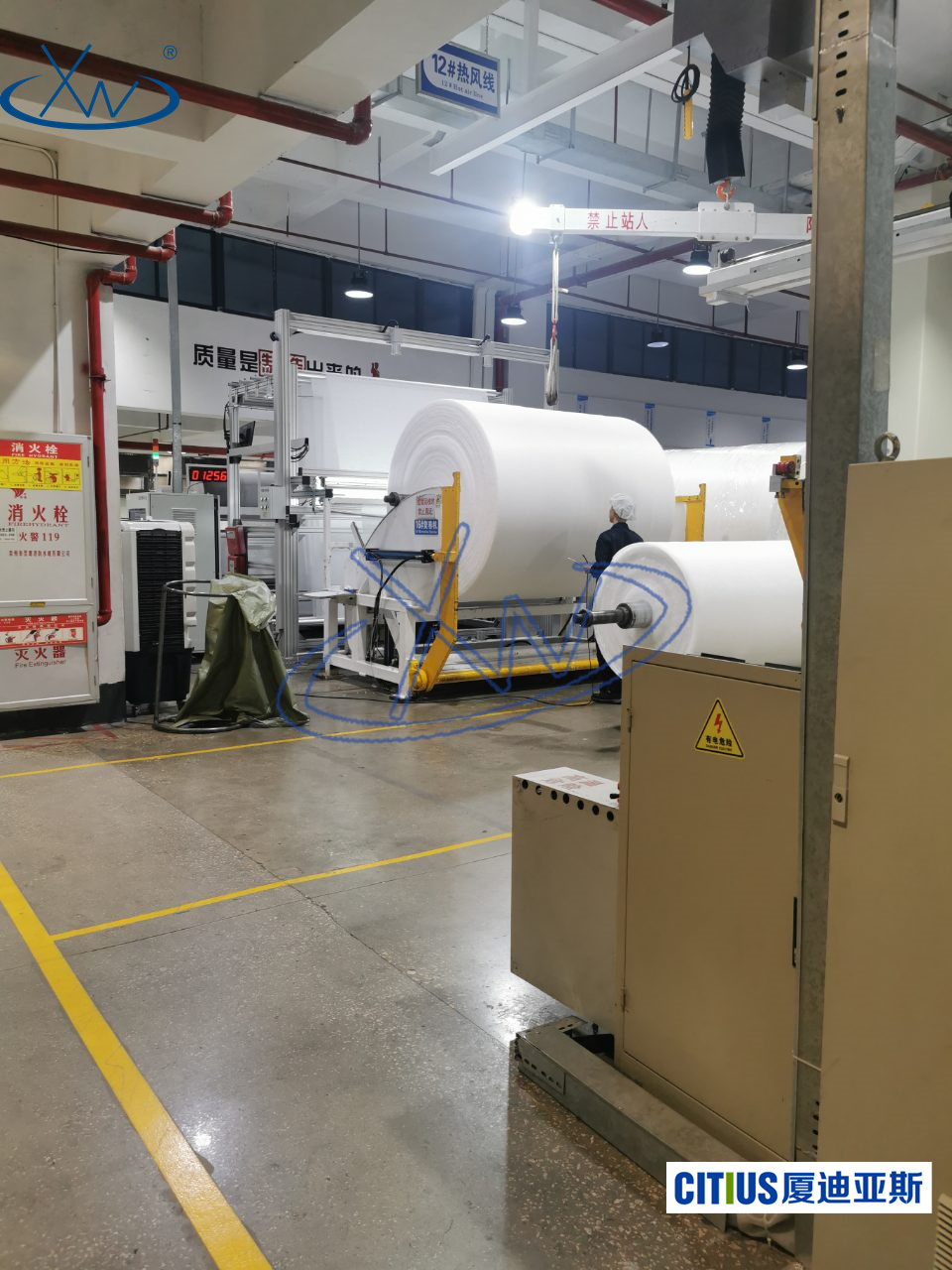
Hot air cotton processing site diagram
Industrial filter cloth, as the core component of the flat hot air machine, not only affects the uniformity of hot air but also determines the control of micro-fiber emissions and equipment maintenance costs.Xiamen CitiusWith its advanced industrial filter cloth technology, it provides efficient and durable solutions to key challenges in the processing of low melting point hot air cotton, helping the industry optimize production processes. This article will delve into the application of industrial filter cloth in flat hot air machines and provide professional analysis in conjunction with the innovative technology of Xiamen Citius.
2. Characteristics and Processing Requirements of Low Melting Point Hot Air Cotton
1. Basic Characteristics of Low Melting Point Hot Air Cotton
Low melting point hot air cotton is a thermobonded non-woven material, mainly using bi-component fibers (BiCo Fiber), which are composite fibers made of two polymers with different melting points. Typical combinations include:
PE/PP composite fiber(Polyethylene/Polypropylene)
PET/PP composite fiber(Polyester/Polypropylene)
PE/PET composite fiber(Polyethylene/Polyester)
During the production process, the hot air machine needs to be heated to100-180℃, allowing the low melting point component to melt and bond with the high melting point fibers to form a stable structure.
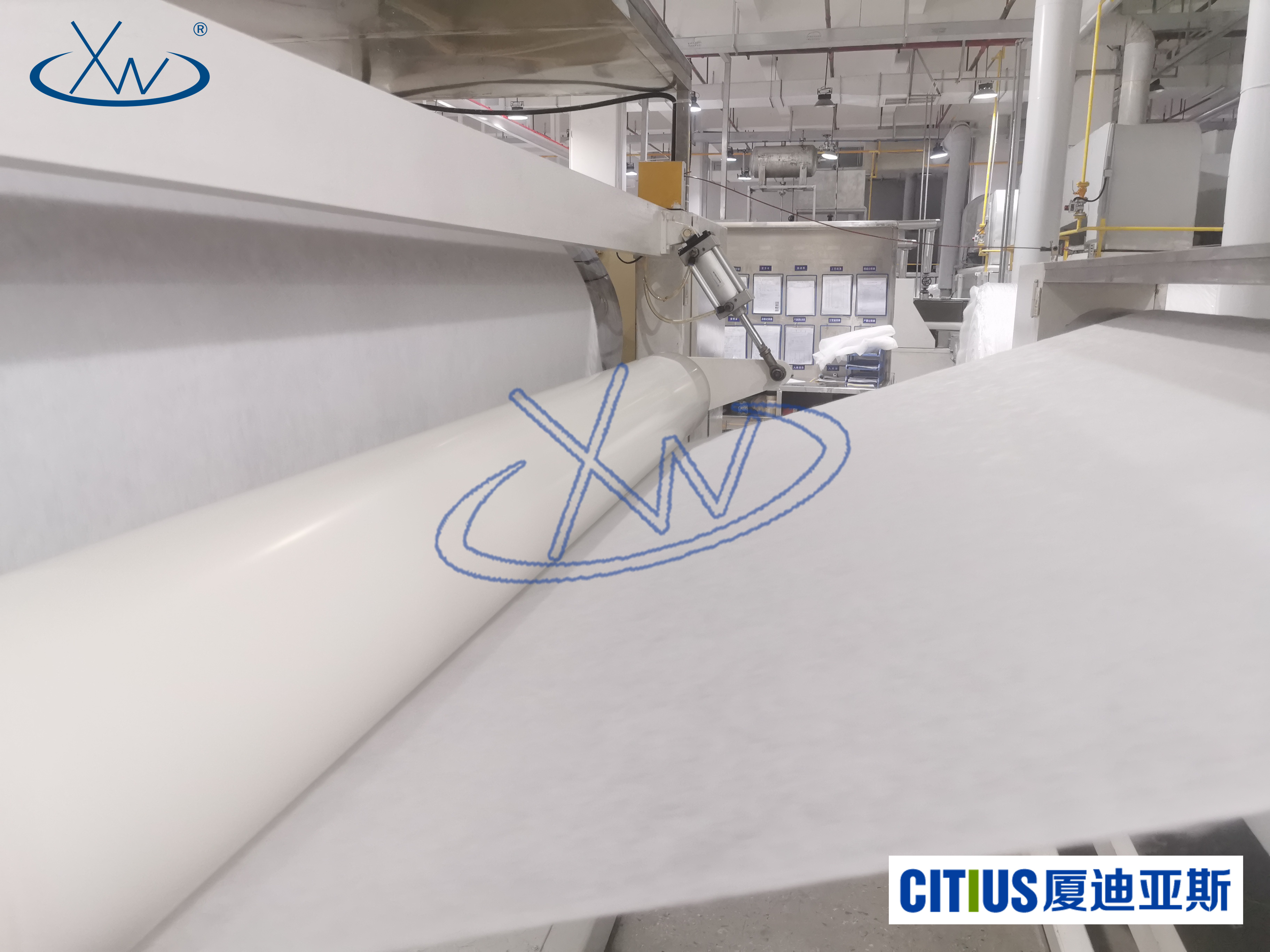
Hot air cotton processing site diagram
2. Challenges in Processing Low Melting Point Hot Air Cotton
When processing low melting point hot air cotton in flat hot air machines, the following challenges are mainly faced:
Uneven hot air distribution: Local overheating may lead to uneven melting of fibers, affecting product quality.
Micro-fiber accumulation: Fiber particles may block the hot air passage, increasing equipment energy consumption.
Insufficient temperature resistance of filter cloth: Long-term high-temperature operation will shorten the lifespan of the filter cloth and increase maintenance costs.
Balance between breathability and filtration accuracy: It is necessary to achieve the best balance between high breathability and effective filtration.
Reasonable selection of industrial filter cloth is crucial to ensure uniform hot air distribution, improve production stability, and reduce maintenance costs.

Hot air cotton processing site diagram
3. Application Principles of Industrial Filter Cloth in Flat Hot Air Machines
1. Core Functions of Industrial Filter Cloth
Industrial filter cloth mainly plays the following key roles in flat hot air machines:
Optimizing airflow distribution: Ensuring uniform penetration of hot air and enhancing bonding consistency.
Filtering micro-fibers: Preventing fine fibers from entering the fan and reducing equipment wear.
High temperature resistance and anti-adhesion: Extending the lifespan of the filter cloth and reducing production downtime.
2. Key Technical Parameter Requirements
To meet the special process requirements of low melting point hot air cotton, industrial filter cloth must possess the following technical characteristics:
Performance indicators | Technical requirements |
|---|---|
Temperature resistance | >=180℃, suitable for continuous high-temperature operation |
Breathability | 2000-4000 L/m²·s, optimizing airflow throughput |
Tensile strength | Adapt to high-speed airflow, preventing tearing and deformation |
Anti-adhesion | Low surface energy treatment, reducing fiber adhesion |
Filtration accuracy | 1-50μm, effectively controlling micro-fiber emissions |
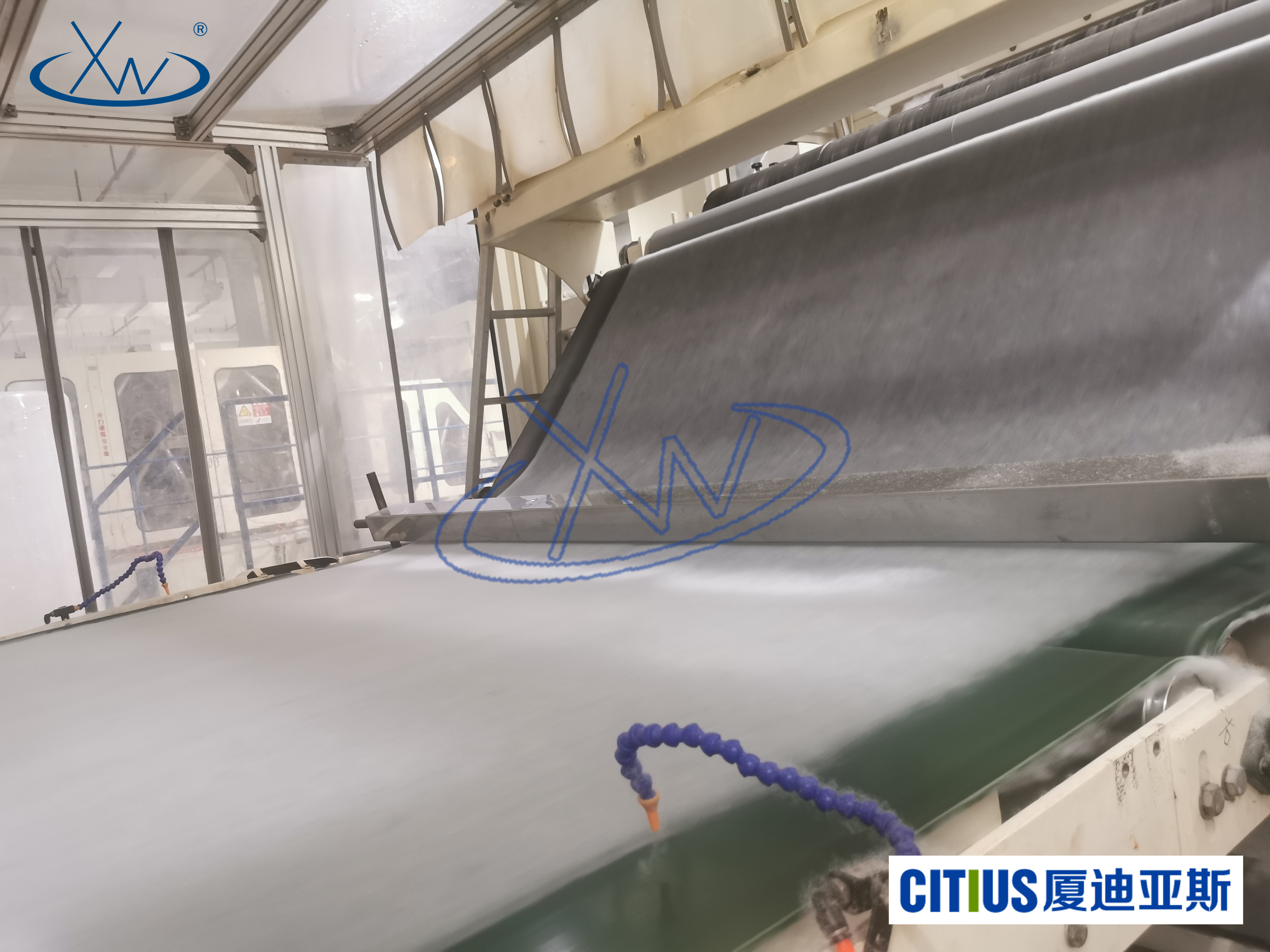
Hot air cotton processing site diagram
4. Technical Advantages of Xiamen Citius Industrial Filter Cloth
1. High Breathability Monofilament Filter Cloth
The high breathability filter cloth developed by Xiamen Citius uses precision weaving technology to ensure ultra-high breathability, helping to optimize airflow distribution within the hot air machine and improve bonding uniformity.
2. High Temperature Resistant Special Coating Filter Cloth
The special coating filter cloth independently developed by Xiamen Citiuscan withstand working environments up to 250℃, with excellent anti-adhesion performance, preventing micro-fiber accumulation and reducing equipment maintenance costs.3. Low Resistance Exclusive Advantage Filter Cloth
Using advanced
Utilizing advanced / Adopting advanced Coating Technology, Xiamen Citius filter cloth can reduce resistance while ensuring high filtration efficiency, improve hot air utilization, and reduce energy consumption.

Hot air cotton processing site diagram
4. Customizable Processing
Xiamen Citius can research and produce various special performance monofilament materials according to different application conditions of customers, including: ordinary and high hydrolysis-resistant PET, PA (PA6, PA66, PA610, PA11, PA12, etc.), PP (including high-temperature resistant PP), PPS, PEEK, and core materials (PA/PET, PPS/PET). These materials broaden the application fields of Xiamen Citius products and can meet the special requirements of customers for filtering materials.
5. Application Cases of Industrial Filter Cloth in Flat Hot Air Machines
Case 1: An international hygiene materials manufacturer applied Xiamen Citius special coated filter cloth.
Problem:
Old filter cloth is prone to fiber accumulation, leading to increased fan pressure and energy consumption.
Frequent shutdowns are needed to clean the filter cloth, affecting production efficiency.
Solution:
Using Xiamen Citius special coated filter cloth, effectively reducing microfiber adhesion and improving production stability.
Optimizing the air permeability of the filter cloth improves hot air uniformity and ensures consistent bonding effects.
Effect:
Equipment operational stability improved30%, filter cloth replacement cycle extended2 times, energy consumption reduced15%.

Hot air cotton processing site diagram
Case 2: A non-woven materials company applied high-permeability filter cloth.
Problem:
Old filter cloth had insufficient air permeability, leading to low hot air penetration rate and affecting bonding effects.
Under high-temperature conditions, the filter cloth is prone to aging and deformation, leading to production instability.
Solution:
UsingXiamen Citius high-permeability filter cloth, improves hot air permeability and ensures uniform bonding.
Using high-temperature resistant materials increases the lifespan of the filter cloth and reduces replacement costs.
Effect:
Production efficiency improved25%, product qualification rate increased10%.
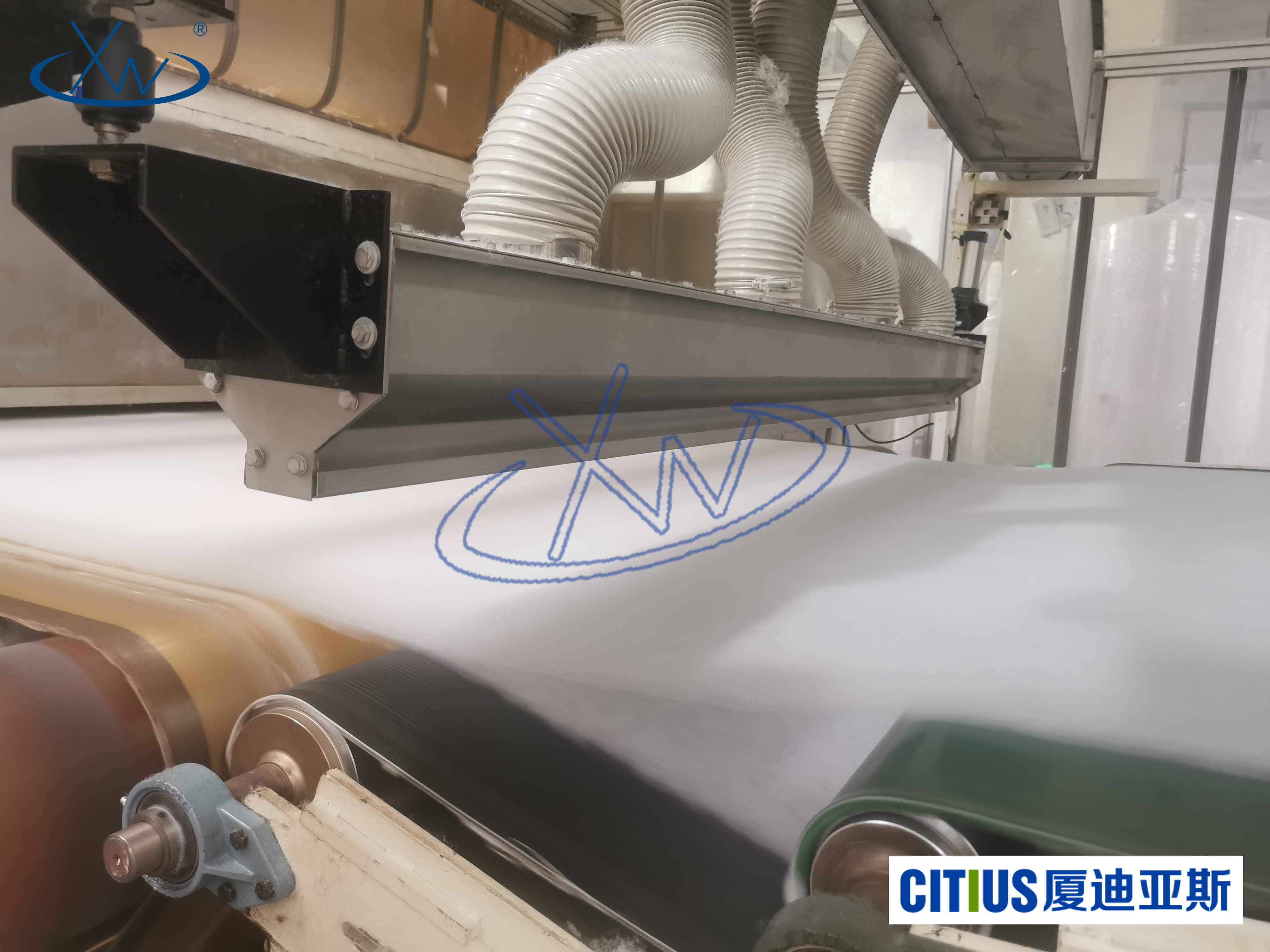
Hot air cotton processing site diagram
6. Conclusion and Outlook
In the hygiene materials industry, the processing of hot air cotton poses higher requirements for equipment and filtering systems. Industrial filter cloth, as a key component of flat hot air machines, not only determines the uniformity of hot air distribution but also affects production efficiency, equipment stability, and maintenance costs.
Xiamen Citius, with its innovativehigh-permeability filter cloth, high-temperature resistant special coated filter cloth, and low-resistance exclusive advantage filter cloth, provides efficient and stable solutions for global non-woven material enterprises. In the future, with the upgrade of industry technology, Xiamen Citius will continue to deepen material research and development, promoting industrial filter cloth to develop in a more efficient and environmentally friendly direction.
Technical hotline: 0592-7027938

Add
No. 16-22 Chunfeng East Road, Xiang'an Torch High tech Zone, Xiamen City, Fujian Province, ChinaAll Rights Reserved. | Privacy Policy |
Tel/ WhatsApp