
-
Filter ClothBelt press filter mesh belt Horizontal belt vacuum filter mesh belt Vertical filter press filter cloth Filter Press Filter Cloth Breathable mesh Technical fabric - drying Technical fabric - high pressure belt Technical fabric - conveyor belt Technical fabric - fiberboard Joint form Edge banding form Accessories (threading)
Search HistoryClear All Records
- All
- Product Management
- News
The critical role of horizontal vacuum belt filter cloth in tungsten powder slag filtration
Release time:
2025-10-17
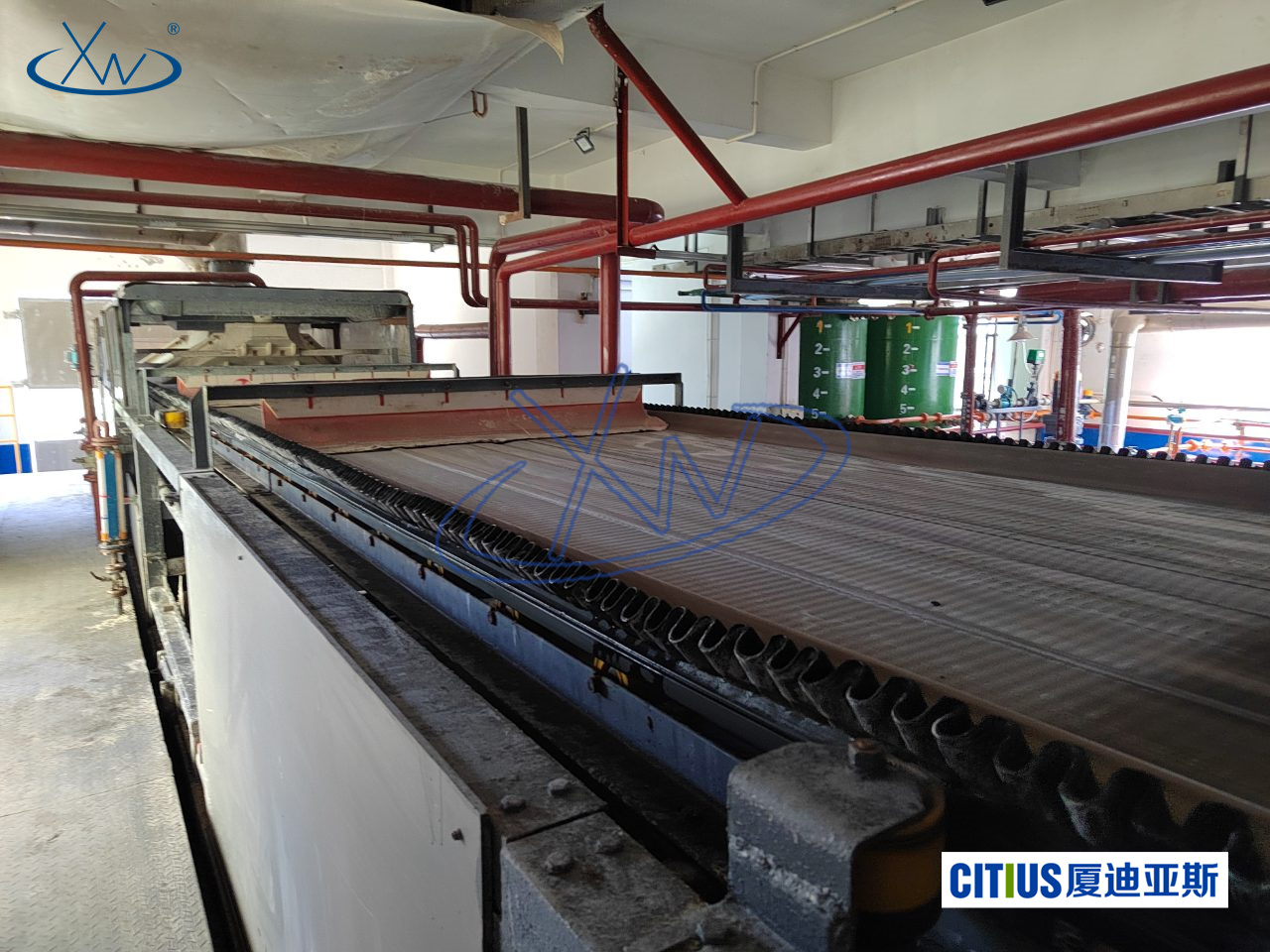
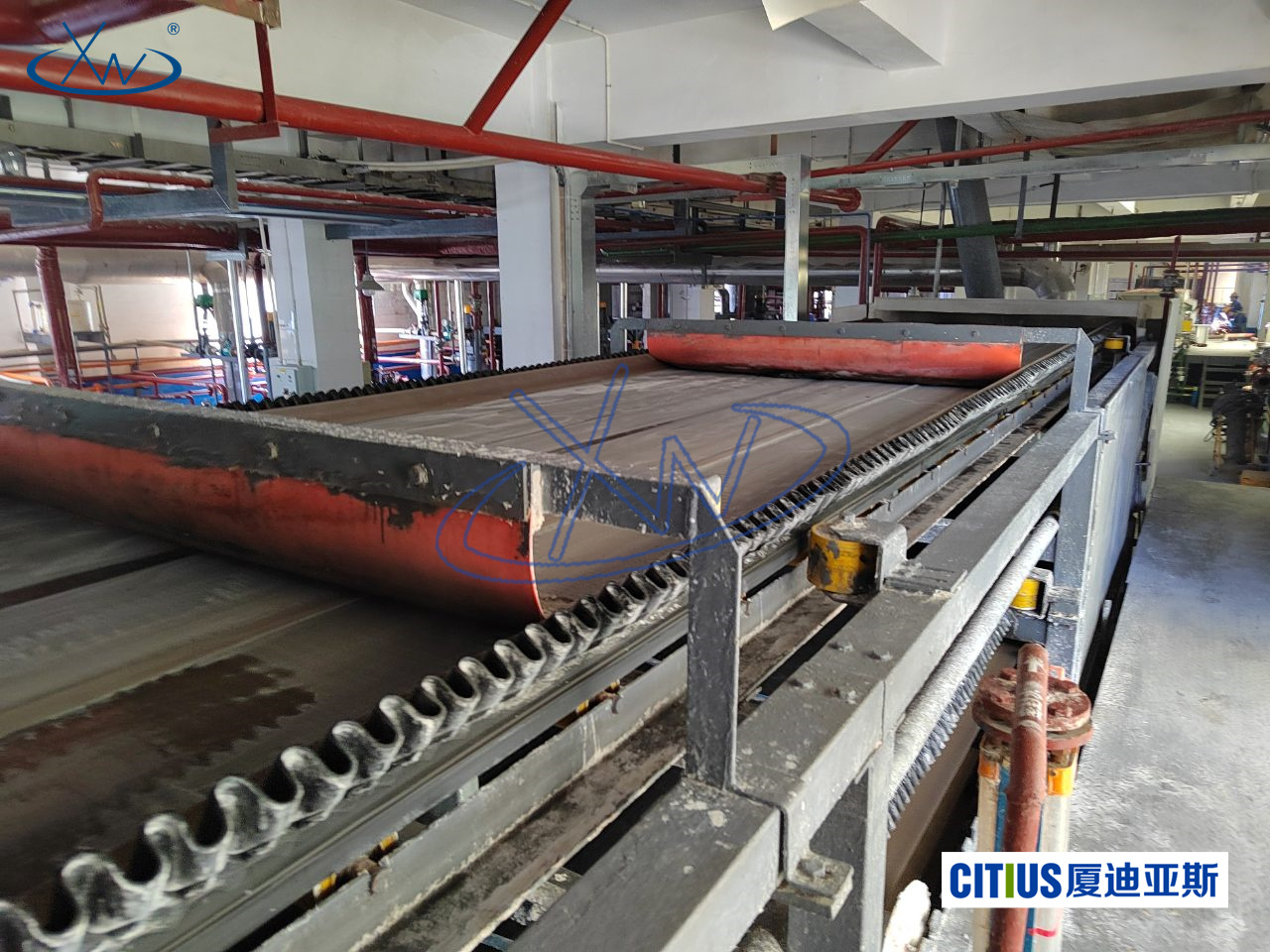
In the wet metallurgical processes and powder recovery procedures of the tungsten industry, solid-liquid separation of tungsten powder residue is a critical step. Efficiently recovering tungsten-containing materials while achieving clear filtrate and dewatered filter cake is a key factor determining a company's economic efficiency and resource utilization rate. As environmental regulations and demands for refined production continue to rise, Horizontal vacuum belt filter equipped with high-performance industrial filter cloth has become the mainstream and mature solution in the tungsten powder slag filtration section.
I. Process Characteristics of Tungsten Powder Slag Filtration
Tungsten powder slag primarily originates from flotation tailings of tungsten concentrate, sediment generated during the preparation of sodium tungstate, or recovered waste slurry after pulverizing oxidized tungsten. These materials generally exhibit the following characteristics:
- Fine particle size, low solids content : Particle sizes are mostly within 1 ~ 20μm Between them, the particles have a large specific surface area, exhibit good suspension stability, and are less likely to settle.
- The material is highly adhesive and prone to clogging the filter layer. : The fine powder contains a certain proportion of oxides and impurity particles, resulting in a tightly packed filter cake with low air permeability.
- The filtrate has high requirements. : The recovered liquid often needs to be returned to the front-end process, so the filtrate must maintain high clarity and low solids content.
- Recycling rates are highly demanding. : Tungsten resources are expensive, and filtration accuracy directly affects production costs and profitability alongside recovery efficiency.
In this context, traditional plate-and-frame filter presses or sedimentation centrifuges often suffer from issues such as rapid filter cloth clogging, high solids content in the filtrate, and low automation levels. In contrast, horizontal vacuum belt filters—thanks to their continuous operation, efficient dewatering capabilities, and ease of cleaning—have become the preferred equipment for dewatering tungsten powder sludge.
II. Advantages of the Horizontal Vacuum Belt Filter Machine
1. Continuous operation, stable production capacity
Horizontal Vacuum Belt Filter Machine HVBF ) Utilizing corrosion-resistant filter belts as the carrier medium, continuous solid-liquid separation is achieved via a vacuum filtration zone. Its operational mode is “ Continuous material feeding, continuous filter cake formation, and discharge ” , avoiding efficiency losses caused by the frequent start-and-stop of intermittent equipment, making it suitable for high-load, fine-particle systems like tungsten powder slag.
2. The filtrate has high clarity.
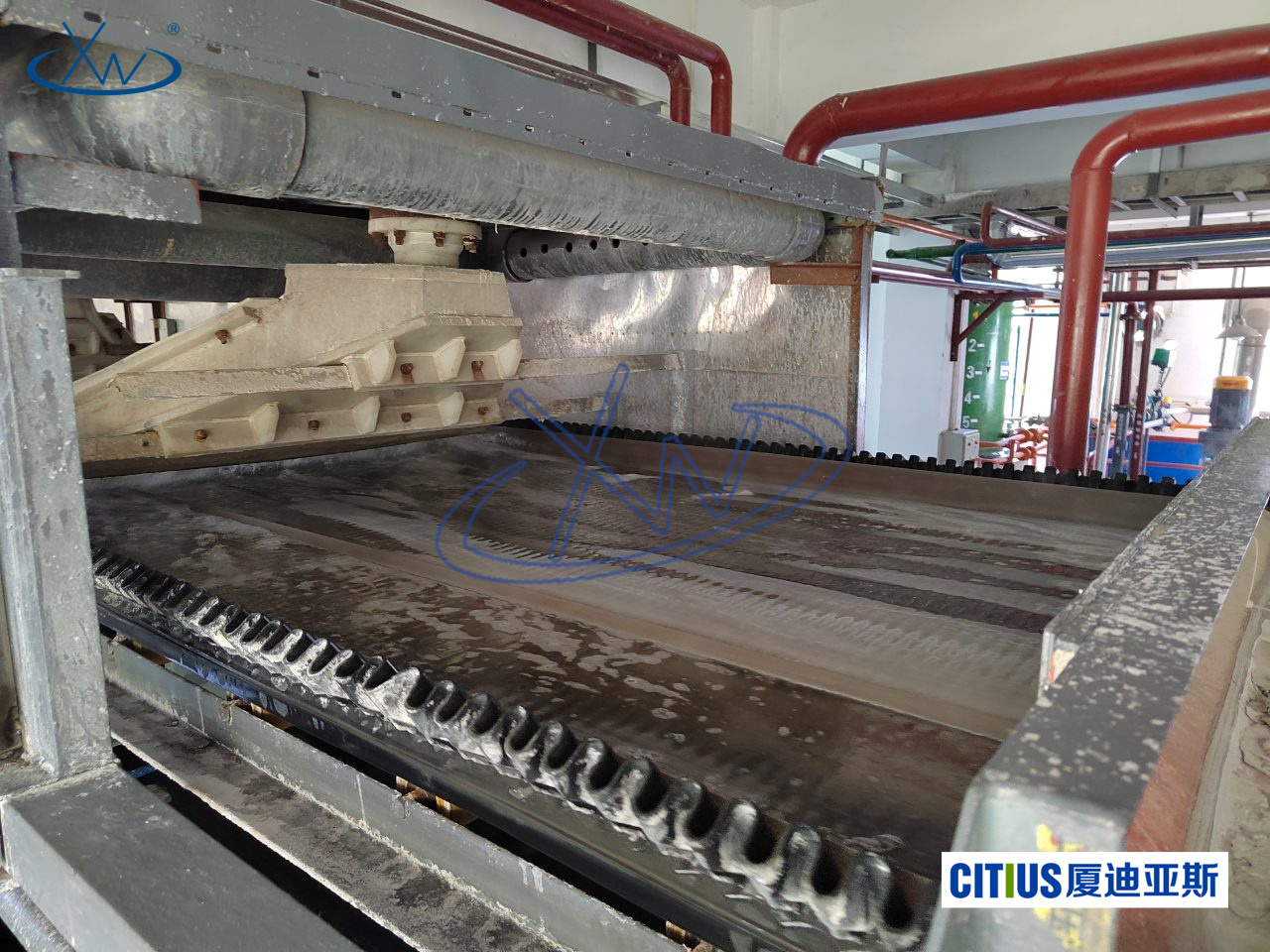
In the multi-stage washing process for tungsten powder slag, different vacuum zones and multiple washing sections can be configured to achieve Step-by-step dehydration and washing After appropriately matching the filter cloth's pore size with its air-permeability performance, the filtrate can reach near-clear liquid standards, effectively reducing the impurity content in the subsequent recovered liquid.
3. The filter cake drains evenly and is easy to wash and regenerate.
The filter belt operates smoothly, ensuring uniform thickness of the filter cake. The filter cake surface can be washed and regenerated through reverse-blowing using a spray or air-scraping system, effectively removing residual liquid. This process significantly enhances washing efficiency for tungsten ions or impurity oxides still present in the tungsten powder residue.
4. Highly automated, with low operational and maintenance costs
The equipment features a compact design and is easy to operate. The filter cloth supports automatic cleaning, automatic web-centering, and automatic tensioning, ensuring stable and reliable operation while minimizing the need for manual intervention and reducing maintenance frequency.
III. The Key Role of Industrial Filter Cloth in Tungsten Powder Slag Filtration
The filter cloth is the core component of the filtration system, and its performance directly determines the quality of the filtrate and the stability of production. In tungsten powder slag filtration, the filter cloth must meet the following requirements:
- Precise aperture distribution : It must ensure the filtrate is clear while also preventing the filtration rate from becoming too slow;
- High strength and wear resistance : Avoid damaging the filter cloth when the filter cake falls off;
- Good clog resistance and washability : Ensure long-term stable operation;
- Chemical Stability : Resistant to corrosion by alkaline or weakly acidic slurries.
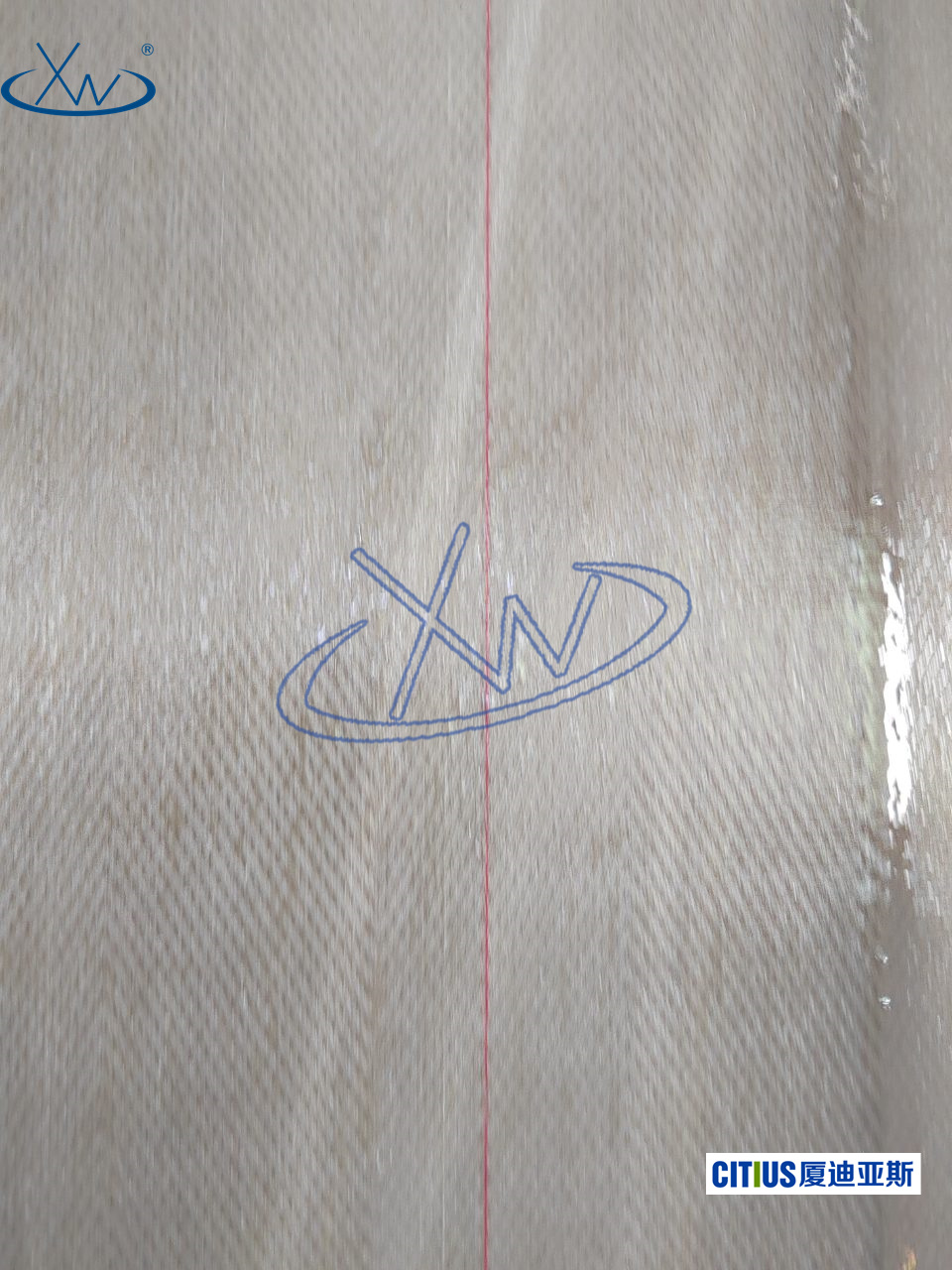
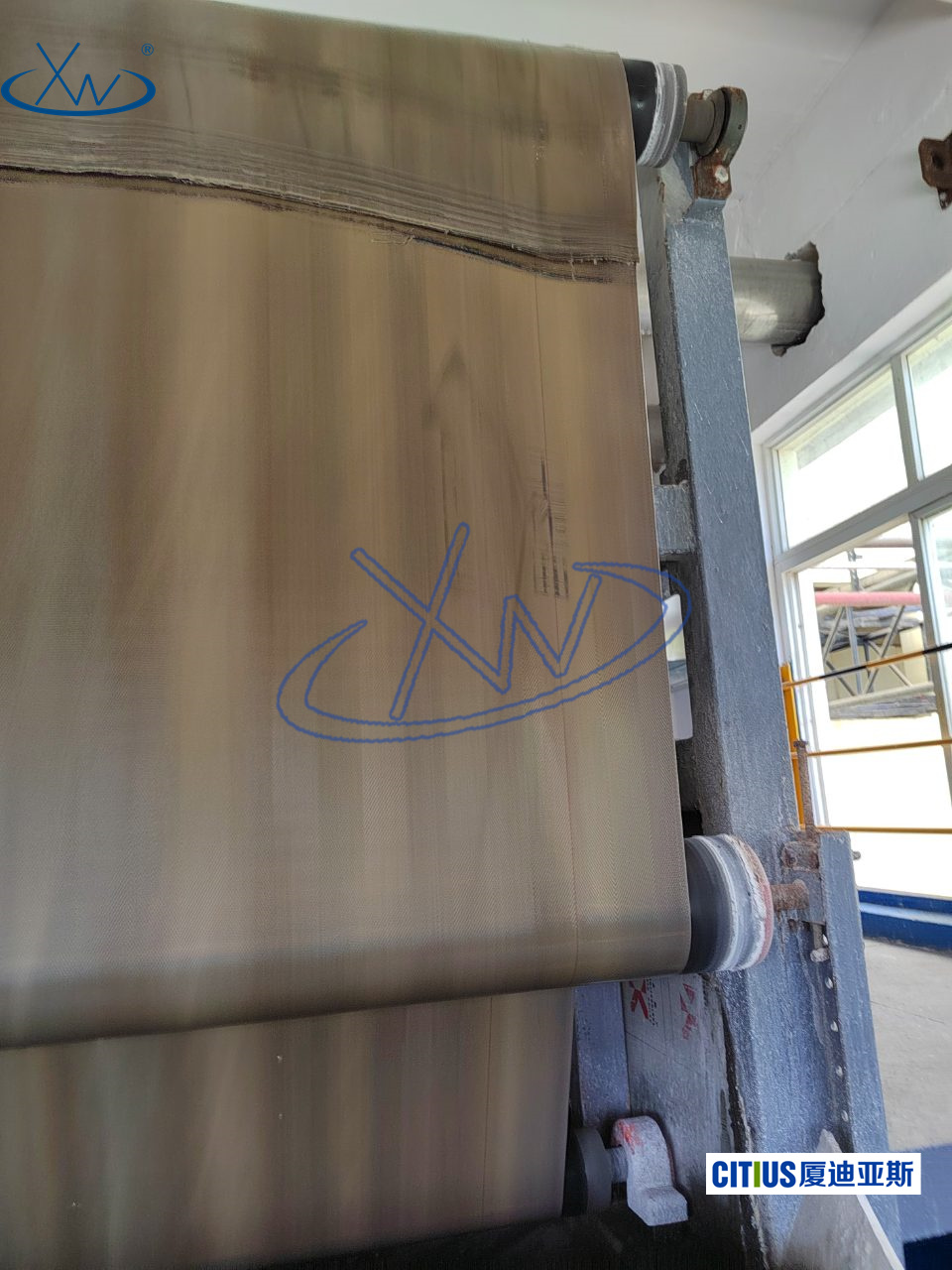
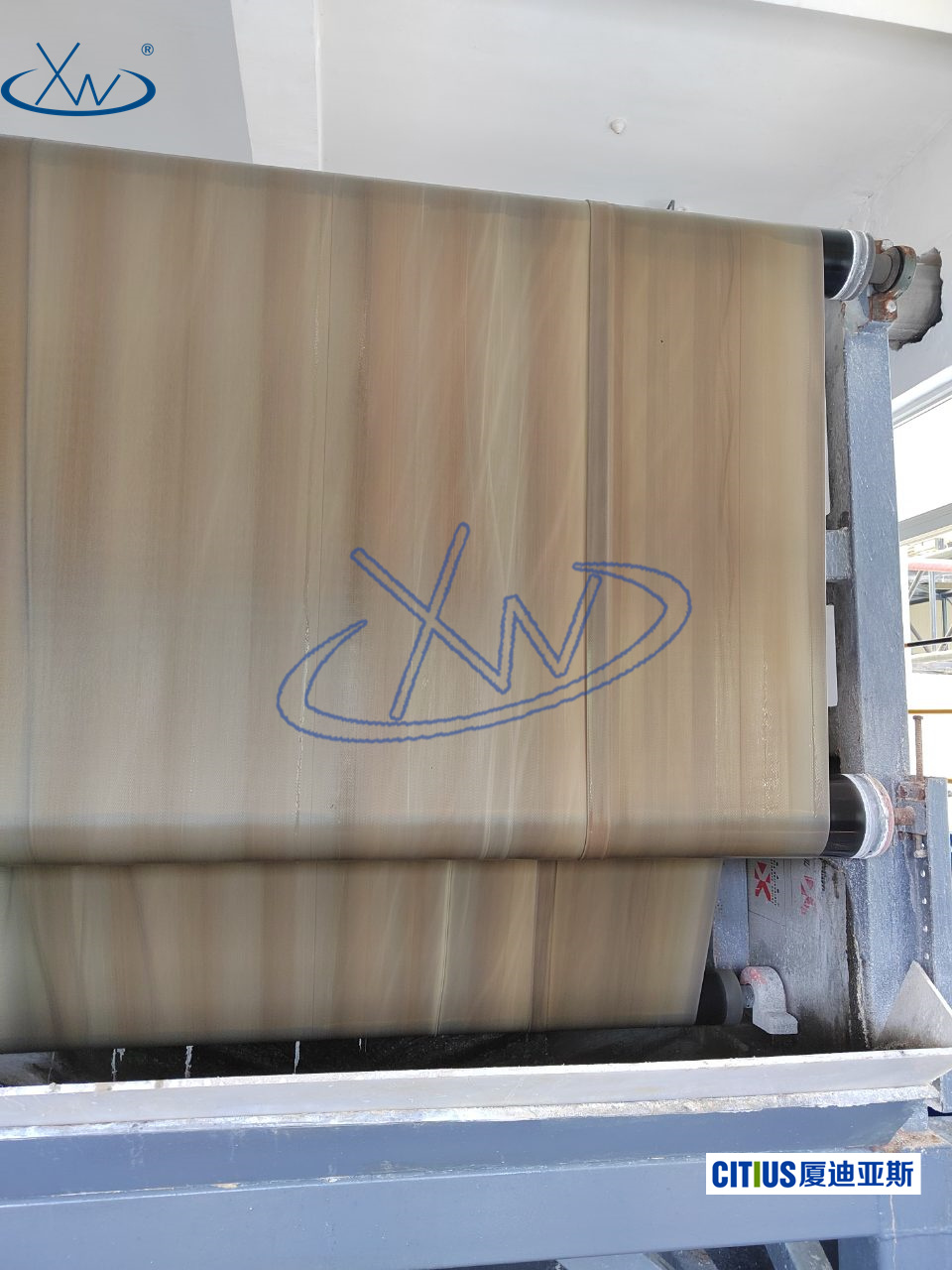
Targeting the fine particle characteristics of tungsten powder slag, Xiamen Citius has developed multiple series by optimizing weaving density and advanced surface finishing techniques. Fine-filter mesh belt filter cloth While maintaining high air permeability, it also ensures interception accuracy, significantly enhancing the dehydration rate in the vacuum zone and improving the quality of the filtrate.
Additionally, Citiuss provides Customized Filter Cloth Design Services :
- Based on the material particle size distribution, slurry viscosity, and solid content to match the filter cloth structure;
- It can undergo processes such as gluing, edge wrapping, and punching, ensuring sealing and durability.
- Different regional filter cloth partition structures are available, suitable for multiple-stage filtration zones.
This expert material ratio and structural design enable the filter cloth to demonstrate outstanding performance in tungsten powder slag filtration. Longer lifespan, higher recycling rates, and lower operating costs 。
IV. Typical Applications and Operational Results
In a tungsten smelting plant's fly ash recovery line, Citiuss high-precision filter cloths are used in conjunction with a horizontal vacuum belt filter for dehydrating tungsten fly ash.
- Feed solids content : Approximately 15 ~ 20%
- Vacuum Level : -50 ~ -70 kPa
- Filtrate solids content : <0.02%
- Filter cake moisture content :30 ~ 35%
- Filter cloth operating cycle :>3000 No significant performance degradation within hours.
The operational results show that the filtration system is stable, the filter cloth provides uniform air permeability, and the washing liquid is used efficiently. As a result, the tungsten recovery rate in the filter cake has significantly improved, while the volume of waste liquid discharged has been markedly reduced.
V. Future Trends and Directions for Technological Upgrades
As the tungsten industry moves toward higher purity and lower energy consumption, filtration equipment and filter materials are evolving toward greater precision and enhanced automation levels.
- Micro- and nanoscale filter cloth composite technology : Achieve higher particle retention accuracy through coating with a nanofiber layer or functional membrane layer;
- Intelligent Control System : Online monitoring of filter cloth air permeability and vacuum efficiency for dynamic adjustment;
- Energy-saving vacuum system : Reducing energy consumption through variable-frequency vacuum pumps and a recycling design;
- Greenwashing Solutions : Utilizing physical vibrations or air pulses for cleaning extends the filter cloth's lifespan and reduces the need for chemical cleaning agents.
Xiamen Citius, as a long-term technology partner in industrial filtration systems, remains committed to innovation in the fields of powder separation and resource recovery. By integrating materials science with filtration equipment, we provide the tungsten industry with efficient, clean, and sustainable filtration solutions.
Conclusion
Wolfram powder slag filtration is not only a crucial step in resource recovery, but also a key milestone for clean production and sustainable development. Horizontal vacuum belt filter equipped with high-performance industrial filter cloth , delivering continuous, efficient, and stable separation performance, it provides strong support for achieving green and high-efficiency production in the tungsten industry. Looking ahead, as new filtration materials and intelligent control technologies are integrated, this process will further demonstrate even broader application potential and economic value.

Add
No. 16-22 Chunfeng East Road, Xiang'an Torch High tech Zone, Xiamen City, Fujian Province, ChinaAll Rights Reserved. | Privacy Policy |
Tel/ WhatsApp