
-
Filter ClothBelt press filter mesh belt Horizontal belt vacuum filter mesh belt Vertical filter press filter cloth Filter Press Filter Cloth Breathable mesh Technical fabric - drying Technical fabric - high pressure belt Technical fabric - conveyor belt Technical fabric - fiberboard Joint form Edge banding form Accessories (threading)
Search HistoryClear All Records
- All
- Product Management
- News
The Application of Xadis Spiral Mesh Belt in Municipal Sludge Belt Press Filter Machines
Release time:
2025-10-11
The Application of Spiral Mesh Belt in Municipal Sludge Belt Press Filtration Machines
In the process of urban modernization, sewage treatment plants have become crucial facilities for maintaining ecological balance and public health. However, the final byproducts of wastewater treatment —— Sludge , yet it remains a complex and challenging issue. Sludge is characterized by its high water content, strong adhesiveness, and large volume—features that not only drive up transportation and disposal costs but also potentially lead to secondary pollution during storage, such as odors and leachate. Therefore, Sludge Dewatering Becoming a crucial component of the municipal wastewater treatment system.
Among various dewatering equipment, the belt press filter is a popular choice. Belt Filter Press ) It is widely used in municipal sludge dewatering projects due to its advantages such as low energy consumption, continuous operation, and high automation. In this system, the most critical filtration medium is —— Spiral mesh conveyor belt Spiral Filter Belt ) , directly determining the equipment's operational efficiency, sludge cake moisture content, and maintenance costs.
This article will delve into the working principle, technical advantages, structural features, and engineering applications of spiral mesh belts in municipal sludge belt press filter machines for sludge dewatering.
I. Process Background and Challenges of Sludge Dewatering
1. Sludge characteristics are complex.
Municipal sludge comes from a wide range of sources, including primary settled sludge, biochemical sludge, and chemical sludge. Its main components include organic matter, inorganic particles, bacteria, oils, and residual chemical agents, typically exhibiting a high water content (usually 95% (The above) and high adhesion. Sludges from different sources exhibit significant variations in their properties, placing higher demands on the adaptability of filter belts.
2. The bottleneck of the dehydration process
During the belt press filtration process, the sludge needs to go through Gravity Dewatering, Low-Pressure Pressing, and High-Pressure Pressing Three stages.
However, common issues in actual operation include:
- Filter belt clogging leads to obstructed discharge of filtrate;
- Uneven sludge distribution leads to inconsistent cake thickness and insufficient dewatering.
- The filter belt has a layer of sludge adhering to its surface, making cleaning difficult and increasing energy consumption.
- Filter belt wear or stretching leads to a shortened lifespan.
Therefore, a high-performance filter belt must simultaneously possess Excellent drainage performance, good peelability, abrasion resistance, and structural stability This is precisely where the value of the spiral mesh conveyor belt lies.
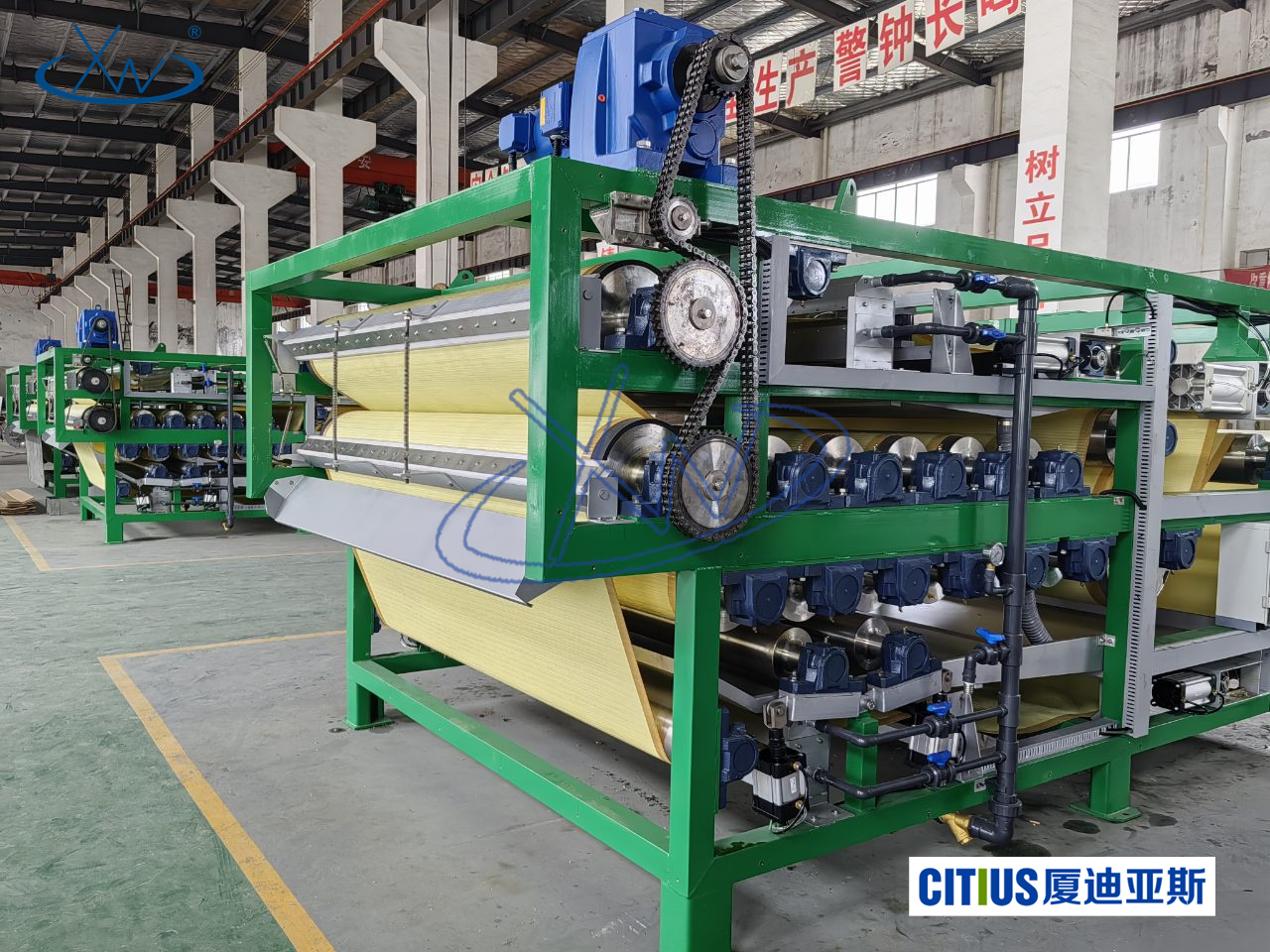
II. Structure and Working Principle of the Spiral Mesh Conveyor Belt
The spiral mesh conveyor belt is made by Polyester monofilament polyester monofilament ) Spiral Loop A continuous ring-shaped structure connected by pinning wires. Unlike traditional plain-woven filter cloths, the spiral mesh features Open-ended spiral ring structure Construct three-dimensional drainage channels to enhance their hydraulic permeability and mechanical stability in sludge dewatering.
1. Work process
In a belt press, the spiral mesh is typically installed between the two running belts—upper and lower—forming a continuously operating pressing system.
- Gravity Dewatering Zone :The high permeability of the spiral mesh allows free water to drain away quickly;
- Wedge-shaped area As the upper and lower filter belts gradually converge, the sludge begins to experience slight pressure, while the spiral mesh structure maintains uniform support, preventing the sludge layer from cracking.
- High-pressure area : By applying multi-stage pressure through multiple sets of compression rollers, the filter cake is further compressed and dewatered;
- Stripping Zone : The mud cake is separated from the mesh belt, and the smooth surface of the spiral mesh helps ensure the filter cake is discharged intact.
2. Structural Features
The key features of the spiral mesh include:
- Porosity is adjustable ( 20–40% ) , to match different sludge particle characteristics;
- Uniform thickness, high flatness , ensuring consistent filter cake pressure distribution;
- The surface is smooth and resists mud accumulation. ;
- Available in double-layer splicing or with a mesh-lined structure. , enhancing pressure resistance and dehydration efficiency.
III. Technical Advantages of the Spiral Mesh Conveyor Belt
1. High drainage efficiency
The three-dimensional channel design of the spiral mesh provides more flow pathways for the filtrate, enabling a faster discharge rate under the same pressure conditions compared to flat-woven filter cloths. 30% The above has significantly improved dehydration efficiency.
2. Excellent anti-clogging and self-cleaning performance
The fine particles in the sludge do not easily get trapped within the spiral mesh's pore structure, allowing rinse water to quickly penetrate deep into the belt, ensuring continuous cleaning and minimizing downtime for maintenance.
3. High strength, resistant to deformation
Polyester monofilaments undergo high-temperature heat-setting treatment, resulting in exceptional tensile strength and dimensional stability. During prolonged operation, they remain highly resistant to deformation, slippage, or breakage—even under the intense pressure exerted by high-pressure roller sets.
4. The filter cake exhibits excellent release properties.
The spiral mesh surface is smooth and flat, making it resistant to mud adhesion. During discharge, the filter cake easily detaches naturally, reducing cleaning frequency and extending the equipment's service life.
5. Corrosion-resistant and highly chemical-resistant
Municipal sludge often contains flocculants, dewatering agents, and trace amounts of acidic or alkaline substances. The spiral mesh is made from chemically resistant polyester or modified polyamide materials, enabling long-term operation even in challenging environments.
6. Customizable design
Depending on the equipment (domestically produced filter machines, ANDRITZ 、 Bellmer 、 Monobelt And more) as well as sludge characteristics, the spiral mesh can be customized:
- Mesh size (from 200 To 1000 Micrometers);
- Thickness and porosity;
- Splicing methods (such as spiral joints, ring buckles, and stainless steel clips);
- Special features (anti-stick, anti-static, oil-resistant, and anti-clogging treatments).
IV. Xiamen Citius' Spiral Mesh Belt Solutions
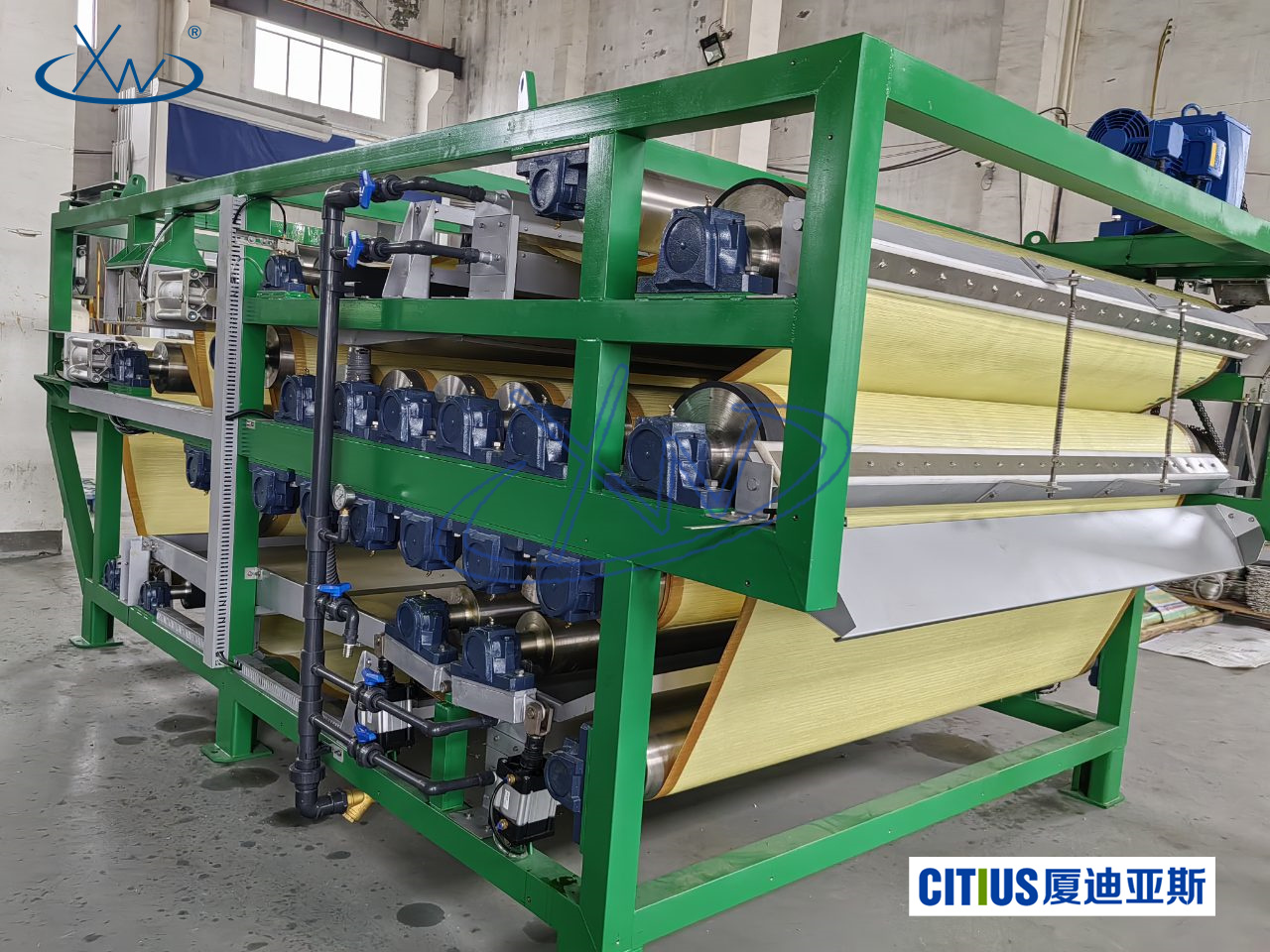
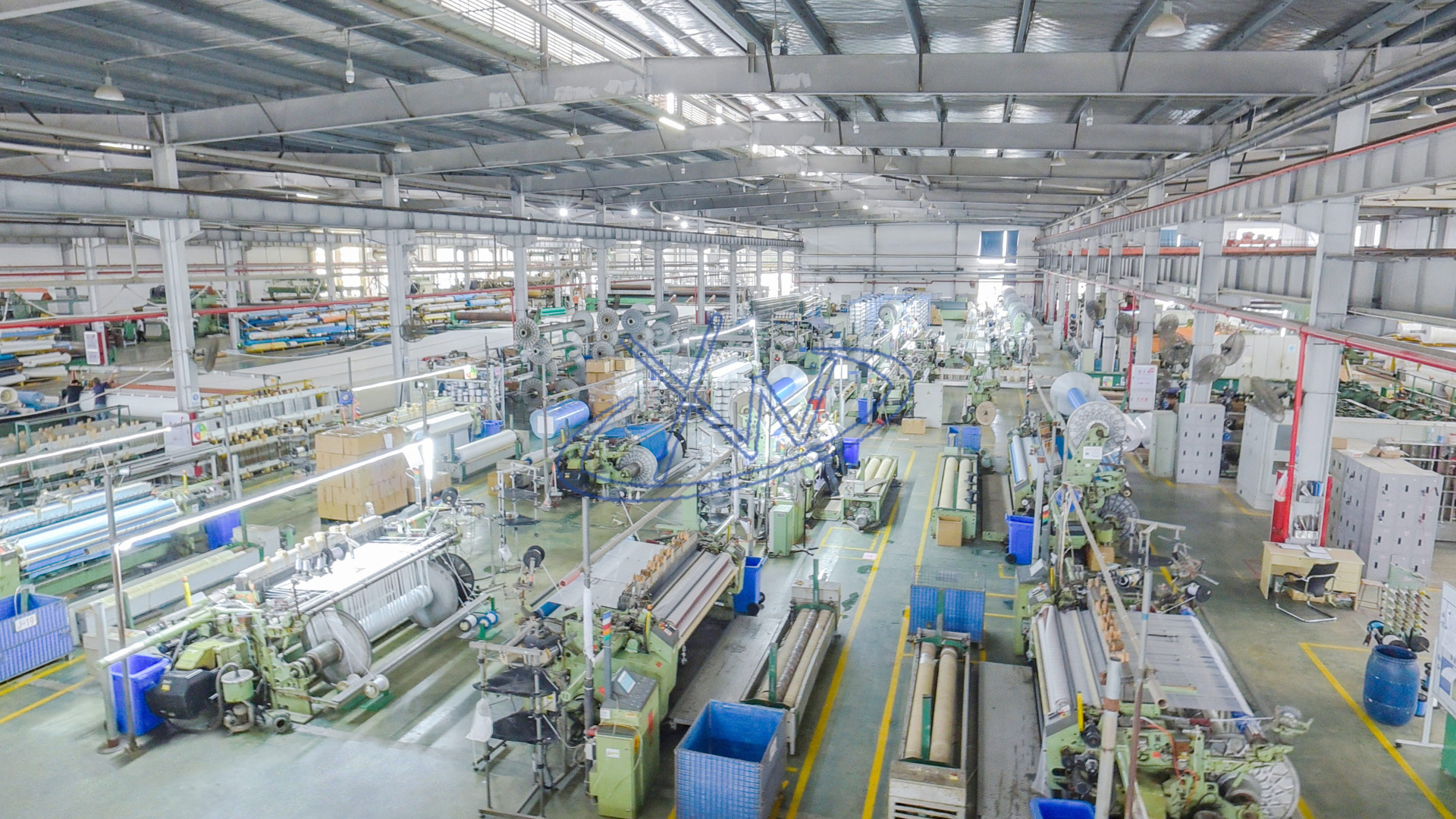
As China's leading brand in industrial filtration materials and technical textiles , Xiamen Citius Filtration Materials Technology Co., Ltd. ( Xiamen Citius Filter Media Technology Incorporated Company ) Focus on R&D and Manufacturing of Industrial Filtration Systems It's been thirty years.
Citiuss' spiral mesh conveyor belts are widely used in Municipal wastewater treatment plant, sludge drying system, paper-making wastewater, food industry sludge, and chemical wastewater treatment projects China. Its products possess the following technical advantages:
1. High-performance monofilament material
Made from imported polyester monofilaments, it boasts higher tensile strength, superior fatigue resistance, and excellent hydrolysis resistance, making it ideal for long-term exposure to hot and humid environments.
2. Precise Weaving and Heat Setting
By utilizing automated spiral weaving equipment combined with heat-setting technology, we ensure consistent belt thickness, uniform pore size, and a smooth surface, thereby enhancing operational stability.
3. Special Surface Treatment Technology
For high-viscosity sludge, Citiuss can provide Anti-stick coating application With Microporous Calendering Treatment , effectively reducing mud cake residue.
4. High compatibility
The spiral mesh perfectly matches mainstream domestic and international belt press machines, enabling quick installation, easy replacement, and on-site splicing—thus minimizing downtime.
5. Balancing environmental protection with durability
The filter media is reusable and easy to clean, reducing water usage and energy consumption; its lifespan typically lasts longer than that of conventional filter cloths. 40% That's all.
Citius remains committed to “ High-quality filtration media, building a clean production system ” Driven by our vision, we provide reliable, cost-effective, and sustainable solid-liquid separation solutions to the urban wastewater treatment industry through stringent production standards and innovative technology.
V. Application Cases
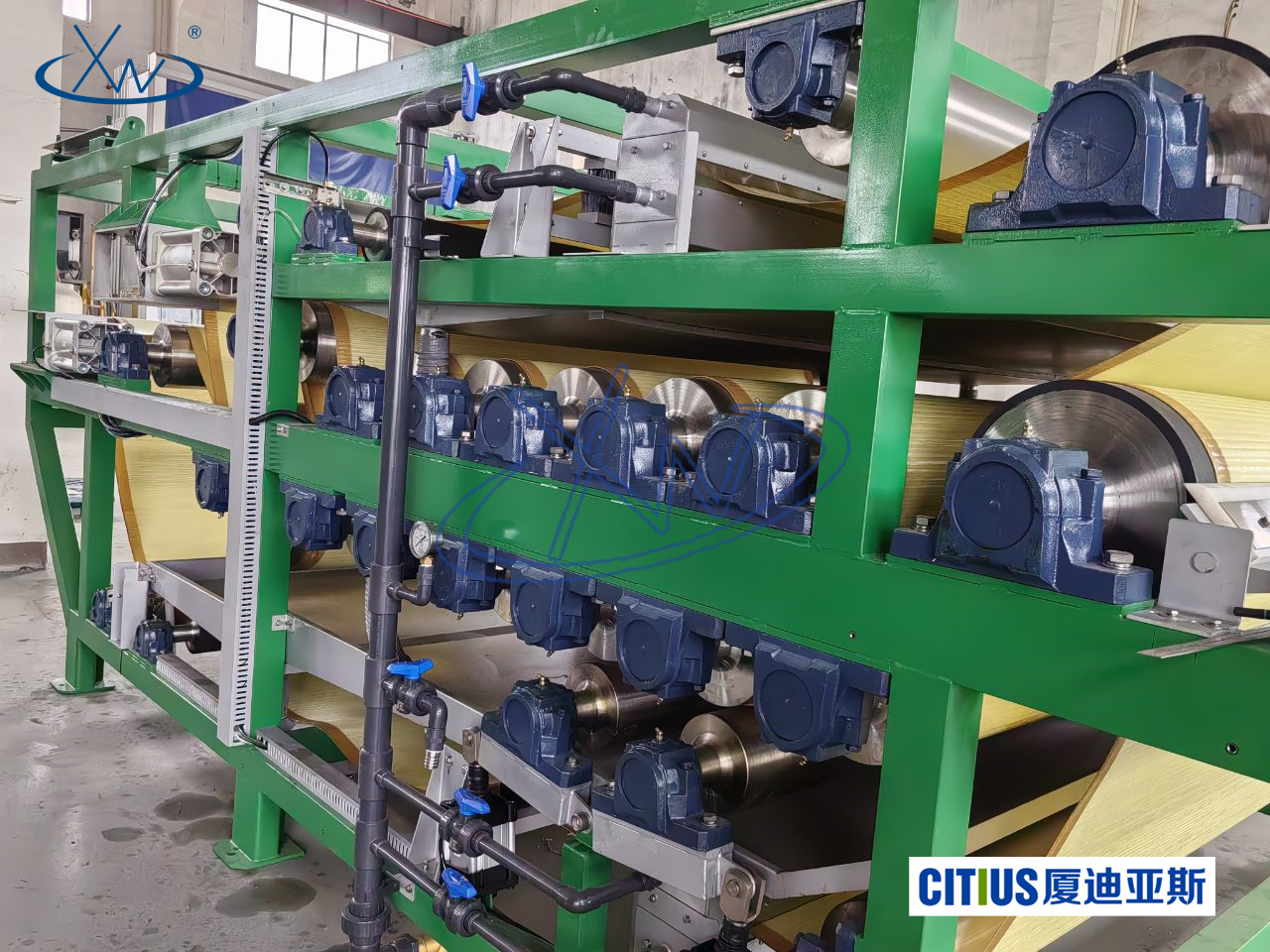
- A municipal wastewater treatment plant renovation project in Fujian
Originally, using plain-woven filter cloth resulted in less-than-ideal dewatering performance, with the filter cake containing a high moisture content. 82% Left and right. After replacing the Citiuss spiral mesh belt, the moisture content dropped to 74% , equipment cleaning frequency reduced by nearly 40% , annual maintenance costs decrease by approximately 25%。 - A sludge drying project in Jiangsu
After adopting the high-strength polyester spiral mesh belt, the filter belt's service life has increased from its previous level. 6 Monthly increase to 12 More than a month later, the clarity of the filtrate significantly improved. - Overseas Project (Southeast Asia Wastewater Treatment Plant)
The Citiuss spiral mesh belt maintains stable performance even in high-humidity and high-temperature environments, effectively preventing mold growth and hydrolysis-related aging issues, with reliable operation lasting over two years.
These cases have validated the significant advantages of spiral mesh belts in municipal sludge dewatering, while also showcasing Citiuss' technological prowess in the global solid-liquid separation field.
VI. Conclusion
As “ Dual Carbon ” The advancement of strategic and environmental regulations is driving municipal sludge treatment away from mere “ Reduction in volume ” Towards “ Resource-based, Harmless, Intelligent ” Directional development. Belt press filter machines, thanks to their energy-saving, high-efficiency, and continuous-operation features, will continue to play a vital role in the sludge dewatering process. Meanwhile, the spiral mesh belt—serving as the machine's core filtration unit—will steadily evolve toward greater efficiency, enhanced durability, and smarter functionality.
Xiamen Xedia Filter Materials Technology Co., Ltd. We will continue to drive innovation and prioritize quality, providing comprehensive filtration system solutions for the municipal and environmental protection industries, thereby supporting a clean, sustainable future for urban development.

Add
No. 16-22 Chunfeng East Road, Xiang'an Torch High tech Zone, Xiamen City, Fujian Province, ChinaAll Rights Reserved. | Privacy Policy |
Tel/ WhatsApp