
-
Filter ClothBelt press filter mesh belt Horizontal belt vacuum filter mesh belt Vertical filter press filter cloth Filter Press Filter Cloth Breathable mesh Technical fabric - drying Technical fabric - high pressure belt Technical fabric - conveyor belt Technical fabric - fiberboard Joint form Edge banding form Accessories (threading)
Search HistoryClear All Records
- All
- Product Management
- News
How to Enhance Calcium Sulfate Solid-Liquid Separation Efficiency? Practical Insights from the Chemical Industry on Filter Cloths and Vacuum Belt Filters
Release time:
2025-09-24
Application of Filter Cloth Solid-Liquid Separation in Calcium Sulfate Treatment Using a Horizontal Vacuum Belt Filter in the Chemical Industry
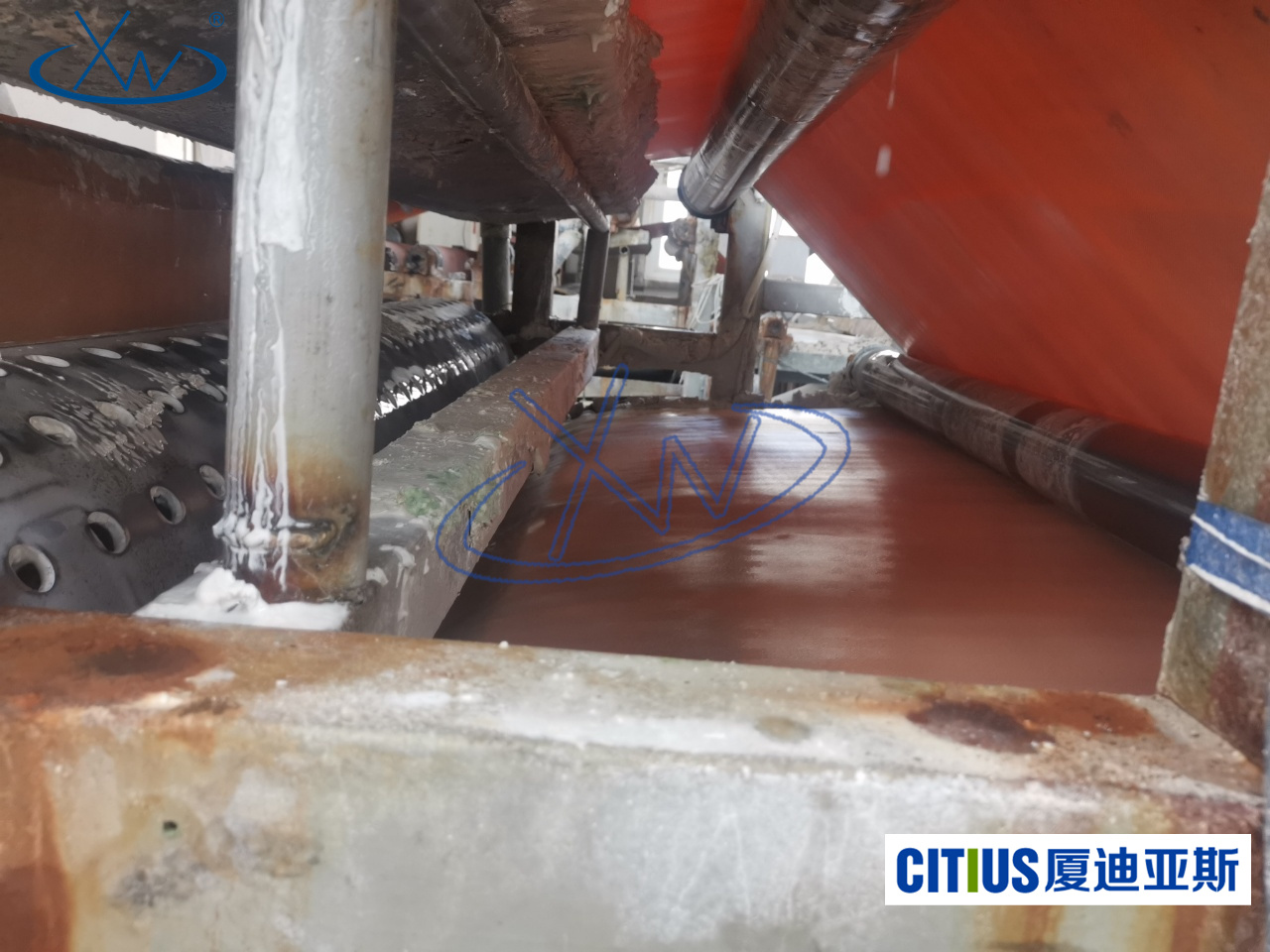
In the modern chemical industry, solid-liquid separation processes are present in nearly every core stage. From inorganic salt production to metallurgical byproduct treatment and even the preparation of fine chemical intermediates, the selection of solid-liquid separation equipment and filter cloths directly determines the process's stability and cost-effectiveness. Calcium sulfate ( CaSO ₄ As a common byproduct or target product in chemical production, calcium sulfate presents higher filtration challenges due to its complex crystal morphology, wide particle size distribution, and high moisture content. Horizontal vacuum belt filters, combined with high-performance filter cloths, have emerged as a crucial solution for handling calcium sulfate slurries.
I. Applications of Calcium Sulfate in the Chemical Industry and Separation Challenges
Calcium sulfate is widely found in various chemical processes. For example:
- Phosphate Fertilizer Industry In wet-process phosphoric acid production, phosphate rock reacts with sulfuric acid to generate phosphoric acid, while simultaneously producing large amounts of byproduct gypsum (primarily composed of calcium sulfate dihydrate).
- Titanium Dioxide Industry During the sulfuric acid process for titanium dioxide production, ilmenite is decomposed by sulfuric acid, generating ferrous sulfate and calcium sulfate as byproducts.
- Flue Gas Desulfurization Process at Power Plants : Limestone - The gypsum-based flue gas desulfurization process ultimately produces desulfurization gypsum.
However, in these processes, calcium sulfate slurries commonly face the following challenges:
- Particle distribution is uneven. Calcium sulfate crystals may appear as needle-like, plate-like, or irregular particles, leading to a dense filter cake and increased resistance.
- The slurry has relatively high viscosity. : Calcium sulfate slurry containing impurities often exhibits high viscosity, which affects the rate at which the filtrate passes through.
- High production volume, with stringent continuity requirements For example, wet-process phosphoric acid production can generate hundreds of tons of gypsum daily, requiring efficient and continuous separation equipment.
- Controlling the moisture content of filter cakes is challenging. Calcium sulfate crystals tend to entrain liquid, and if the filter cloth is chosen improperly, the filter cake will have high moisture content, which is detrimental to subsequent transportation and utilization.
II. Advantages of the Horizontal Vacuum Belt Filter Machine
When handling calcium sulfate, a horizontal vacuum belt filter is used— Horizontal Vacuum Belt Filter, HVBF ) Demonstrates significant advantages:
- Continuous operation : The materials move along the filter belt, completing processes such as feeding, vacuum filtration, washing, dewatering, and discharge—making it ideal for large-scale, continuous production.
- Vacuum-driven : The filtrate is rapidly drawn off via the vacuum system, significantly enhancing the filtration rate while reducing the slurry's residence time.
- Multi-stage washing The filter cake on the filter cloth can undergo multiple countercurrent washes, enhancing impurity removal efficiency and making it particularly suitable for applications requiring high-purity calcium sulfate.
- High degree of automation : Accessories PLC The system can achieve real-time monitoring and adjustment of process parameters.
- Highly adaptable Whether it's larger-sized gypsum crystals or fine-particle calcium sulfate byproducts, efficient separation can be achieved by carefully selecting the appropriate filter cloth and process parameters.
III. The Critical Role of Filter Cloth in Calcium Sulfate Solid-Liquid Separation
As the core medium of the horizontal vacuum belt filter, the performance of the filter cloth directly determines the filtration efficiency. This is primarily reflected in the following aspects:
1. Filtrate Permeability and Retention Accuracy
The filter cloth must efficiently trap calcium sulfate particles while ensuring rapid passage of the filtrate, thus preventing turbidity in the filtrate. Typically, woven filter cloths with moderate air permeability and uniformly distributed pore sizes—or monofilament filter cloths—are selected for this purpose.
2. Anti-clogging and Regeneration Performance
Calcium sulfate slurry is prone to forming scale or crystal bridges, and if the filter cloth easily clogs, it will lead to a sharp decline in filtration efficiency. Therefore, the filter cloth must possess excellent surface smoothness and robust regeneration capabilities, making it easy to remove the filter cake and clean the cloth effectively.
3. Chemical resistance
Calcium sulfate slurry often exists in acidic environments (such as phosphoric acid or sulfuric acid media), so the filter cloth must possess acid- and alkali-resistant properties to extend its service life and reduce operating costs.
4. Filter cake dewatering effect
Through a rational weaving structure, the filter cloth can enhance the dewatering effect of the filter cake, reduce the moisture content, and improve the efficiency of material transportation and utilization.
IV. Process Application Cases
1. Wet-Process Phosphoric Acid Byproduct Gypsum Treatment
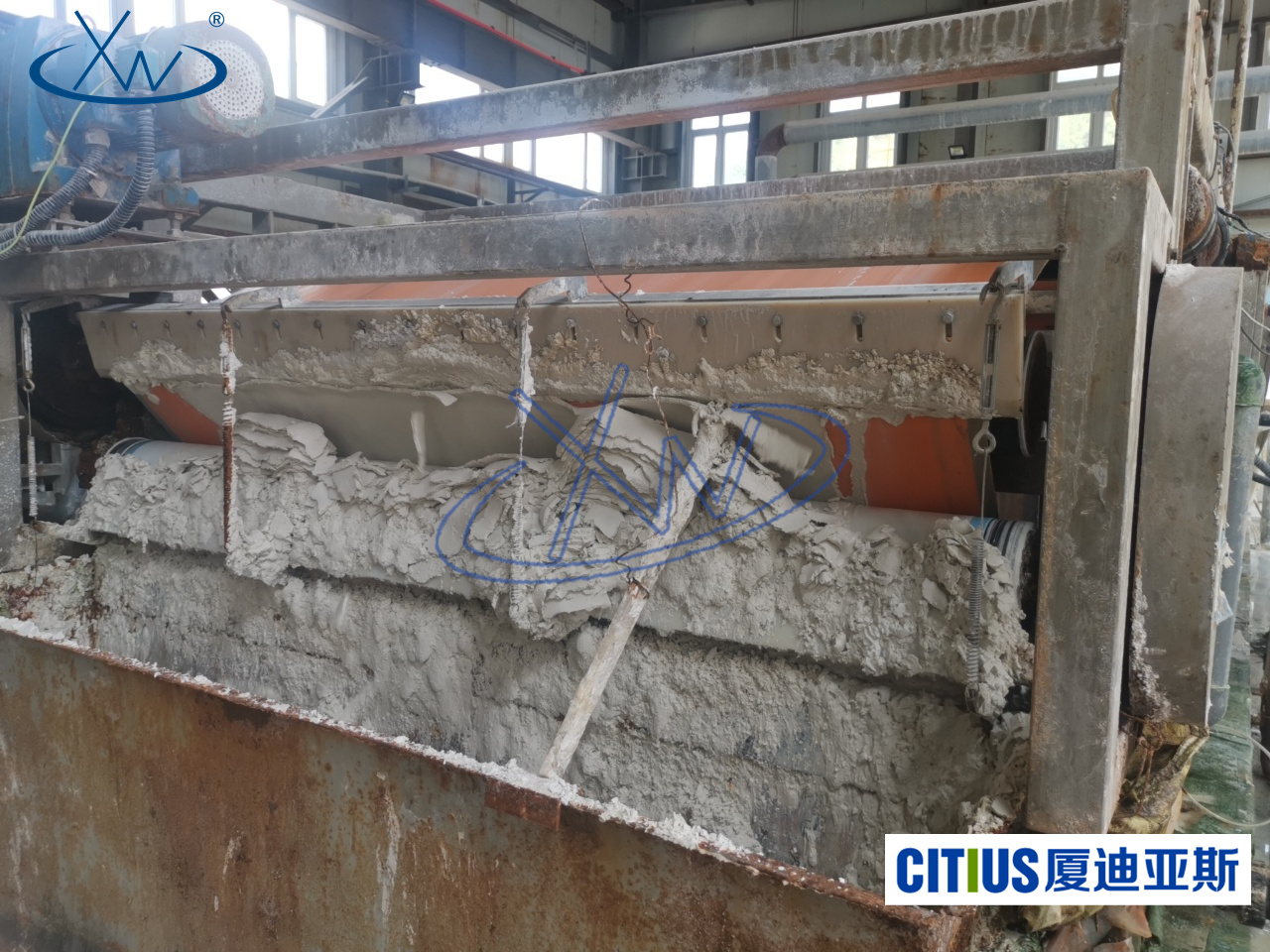
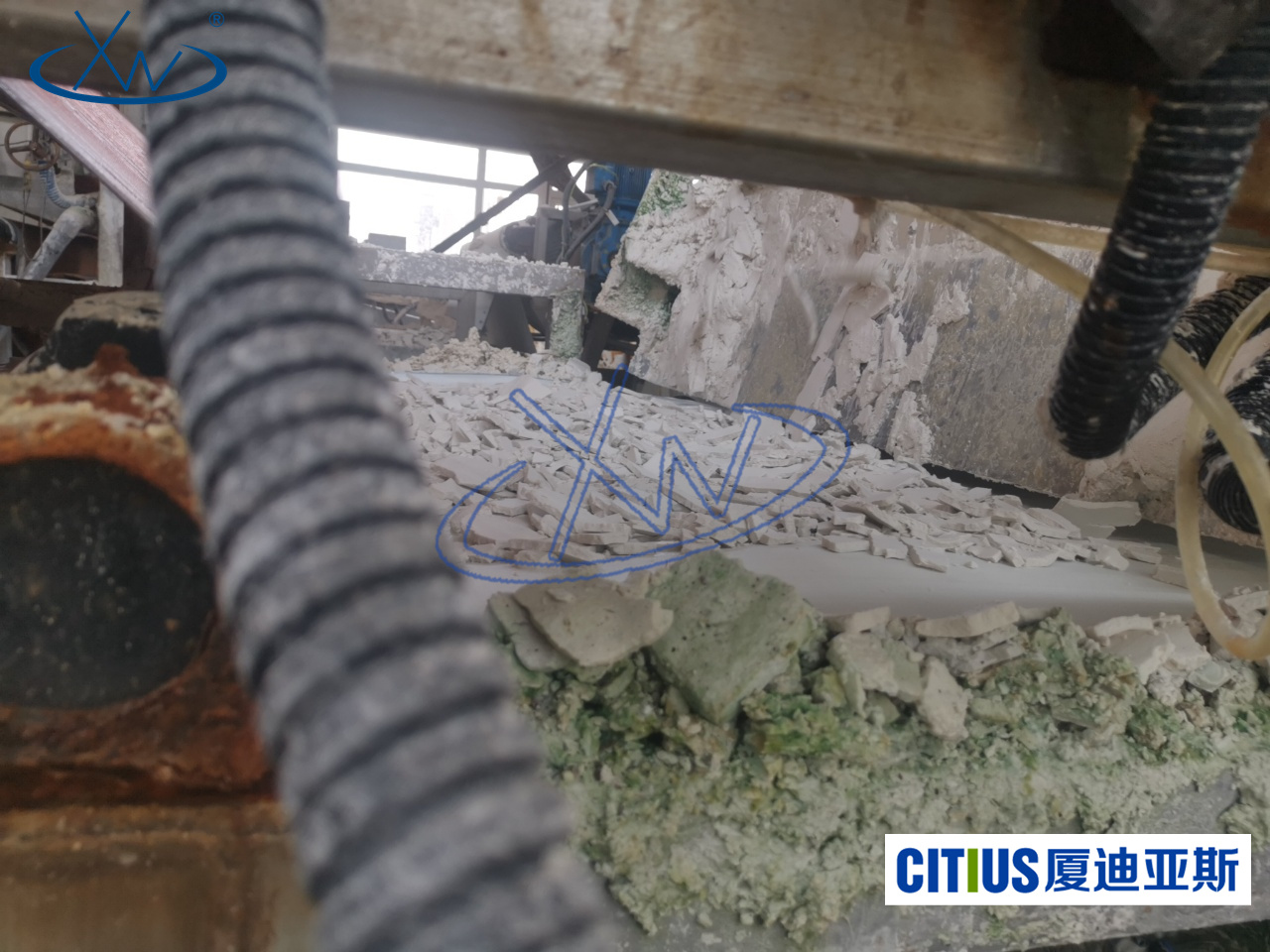
At a large-scale phosphate chemical enterprise, a horizontal vacuum belt filter is used to separate solids from liquid in dihydrate gypsum. After being equipped with high-strength monofilament filter cloths, the clarity of the filtrate has significantly improved, and the moisture content of the filter cake has been reduced to 15% The following will meet the demands for subsequent stockpiling and building material utilization.
2. Flue Gas Desulfurization Gypsum Dewatering
Power plant desulfurization gypsum often contains significant amounts of free water. By optimizing the filter cloth air permeability and operating vacuum level, the moisture content of the filter cake has been reduced from its previous levels. 25% Reduce to 12% ~ 14% , significantly reducing energy consumption in gypsum transportation.
3. Calcium Sulfate Separation as a Byproduct of Titanium Dioxide Production
In titanium dioxide production, calcium sulfate slurry often contains acidic impurities. After adopting polypropylene filter cloths with excellent acid resistance, the equipment has maintained stable operation over the long term, while also enabling efficient impurity removal and significantly reducing the acidity of the filtrate.
V. Development Trends and Innovation Directions
As “ Dual-Carbon Strategy ” With the advancement of the circular economy concept, the demand for resource utilization of calcium sulfate by-products continues to grow, placing higher demands on solid-liquid separation technologies. Future development directions include:
- Functionalized Filter Cloth Material : By modifying the fibers or applying surface coatings, enhance the filter cloth's anti-clogging performance and chemical resistance.
- Intelligent Monitoring System : By integrating IoT technology, we can achieve filter cloth condition monitoring, clog alerts, and lifespan prediction.
- Energy-saving and Consumption-reducing Design Optimize the vacuum system and washing process to reduce energy and water consumption.
- Green Utilization : Promote the high-value-added applications of calcium sulfate by-products in fields such as building materials, soil conditioners, and environmentally friendly adsorbents.
Conclusion
Calcium sulfate, a common byproduct in the chemical industry, directly impacts process stability and resource utilization efficiency through its effective separation and dehydration. The horizontal vacuum belt filter, with its advantages of continuous operation, efficient washing, and high automation, has become the mainstream equipment for calcium sulfate processing. Meanwhile, the filter cloth—acting as a critical medium—determines the success or failure of the entire separation process due to its permeability, chemical resistance, regenerative capabilities, and overall dehydration performance.
At “ Dual Carbon ” Against the backdrop of green manufacturing, the integration of high-performance filter fabrics with intelligent filtration technologies will drive calcium sulfate treatment toward greater efficiency, enhanced environmental friendliness, and improved cost-effectiveness, thereby providing robust support for the sustainable development of the chemical industry.

Add
No. 16-22 Chunfeng East Road, Xiang'an Torch High tech Zone, Xiamen City, Fujian Province, ChinaAll Rights Reserved. | Privacy Policy |
Tel/ WhatsApp