
-
Filter ClothBelt press filter mesh belt Horizontal belt vacuum filter mesh belt Vertical filter press filter cloth Filter Press Filter Cloth Breathable mesh Technical fabric - drying Technical fabric - high pressure belt Technical fabric - conveyor belt Technical fabric - fiberboard Joint form Edge banding form Accessories (threading)
Search HistoryClear All Records
- All
- Product Management
- News
Application of Industrial Filter Cloth in Belt Press Filter Machines — A Key Step in Sewage Plant Sludge Dewatering
Release time:
2025-09-12
1. Working Principle of the Belt Filter Press and the Role of Filter Cloth
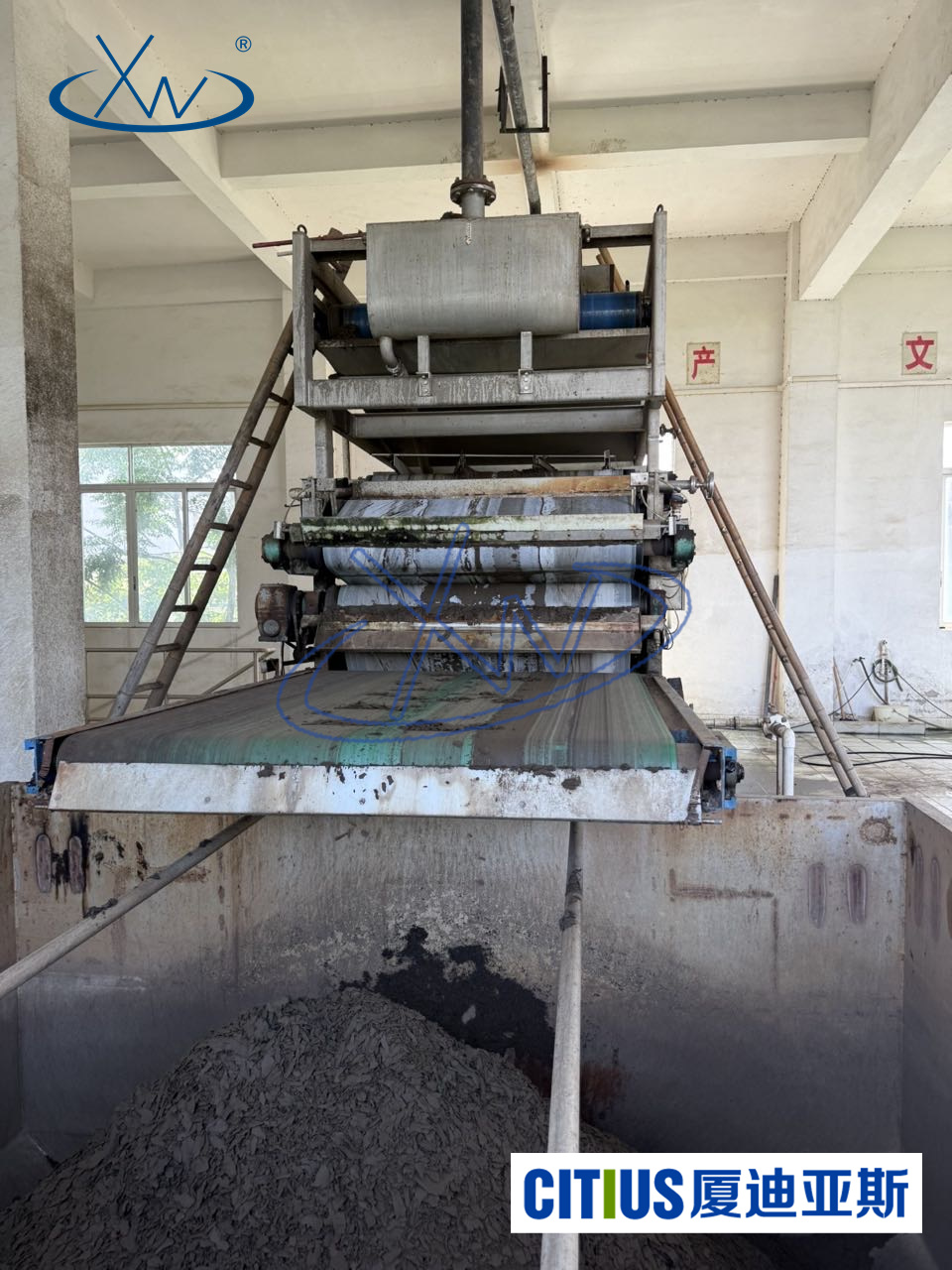
The belt filter press is a continuously operating mechanical dewatering device, mainly composed of filter belts, rollers, pressure rollers, drive systems, and tensioning devices. The basic process is as follows:
- Gravity Dewatering Stage Diluted sludge is first distributed on the upper filter cloth, and free water is initially discharged under gravity through the permeability of the filter cloth.
- Wedge Zone Dewatering Stage The sludge is gradually compressed between the upper and lower filter cloths, forming a sludge layer and further removing capillary water.
- Press Zone Dewatering Stage The sludge is clamped between the upper and lower filter cloths and repeatedly squeezed by multiple sets of pressure rollers, significantly reducing the moisture content of the sludge and ultimately forming a relatively dry sludge cake.
Throughout the process, the filter cloth undertakes three core functions:
- Separation Medium Effectively separates wastewater from solid particles, ensuring clear filtrate.
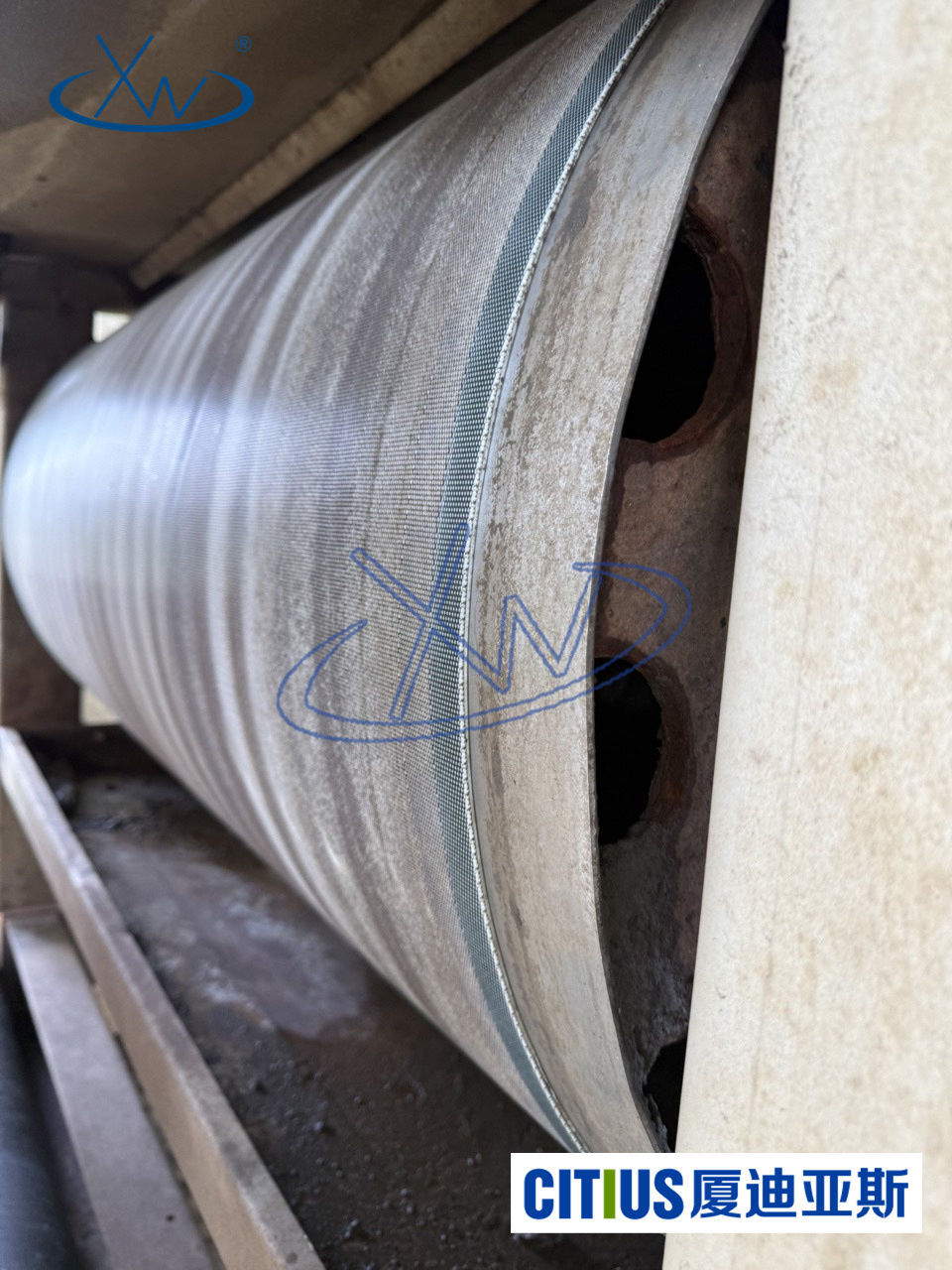
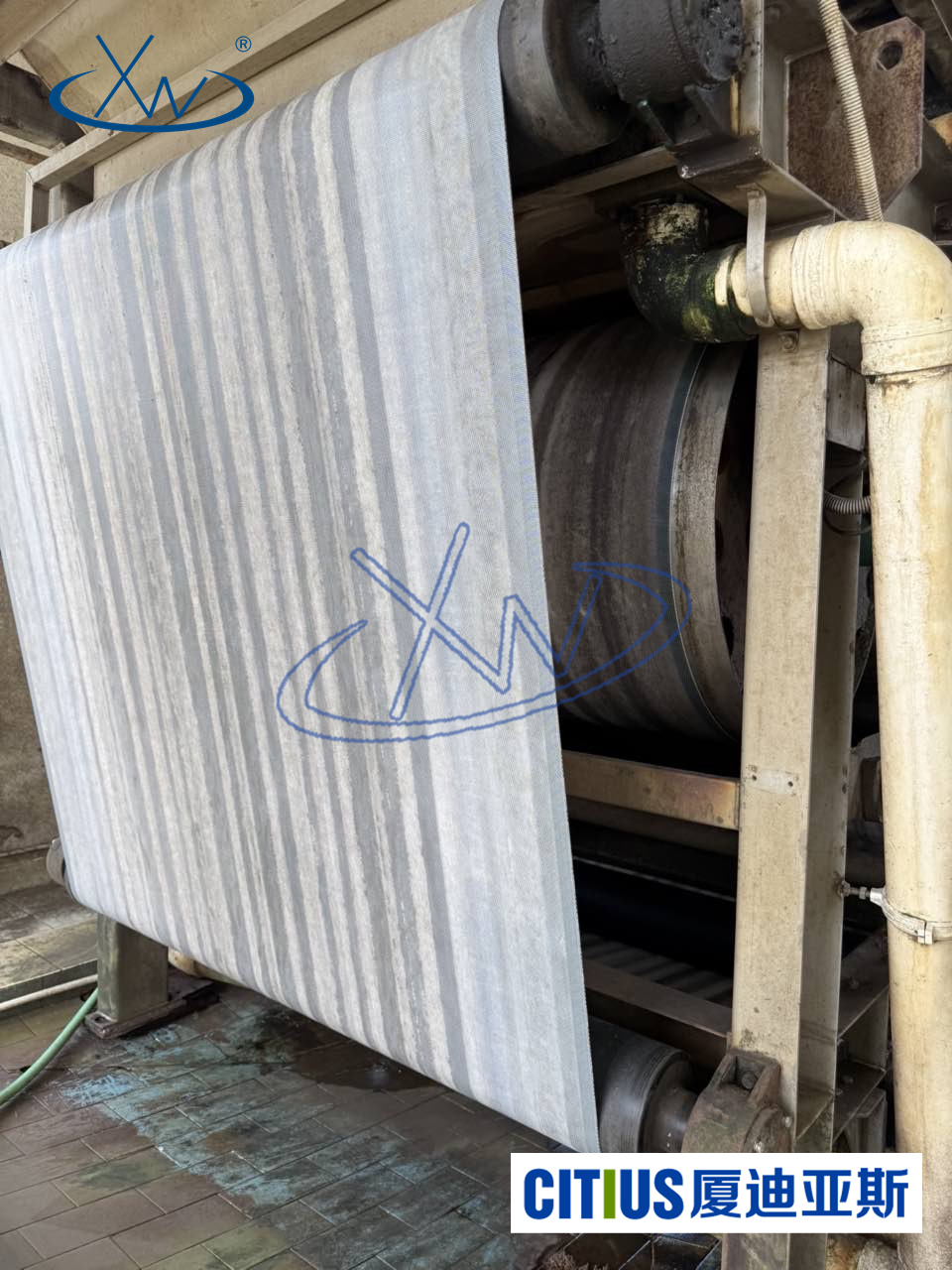
- Support and Transmission The filter cloth supports and transports the sludge layer, bearing tension and mechanical friction.
- Control of Dewatering Effect The permeability, anti-clogging properties, and surface characteristics of the filter cloth directly determine the moisture content and peelability of the sludge cake.
It can be said that the filter cloth is both " Separation Medium ” and also a " transmission belt ” , whose comprehensive performance directly determines the dewatering level of the belt filter press.
2. Characteristics and Challenges of Sewage Plant Sludge
Sewage plant sludge has a complex composition, usually containing a large amount of organic matter, inorganic particles, colloidal substances, and various microorganisms. Its characteristics are mainly reflected in:
- High Moisture Content The initial moisture content of sludge often exceeds 95% , with a loose floc structure.
- Fine Particles Colloidal particles are small in size and easily clog the filter cloth.
- Unstable Composition Affected by fluctuations in influent water quality, the properties of sludge vary significantly over time.
- Difficult Dewatering Sludge often requires the addition of flocculants to form suitable flocs for solid-liquid separation.
These characteristics impose stringent requirements on the filter cloth: it must have good permeability, anti-clogging, wear resistance, and chemical corrosion resistance, while also ensuring strength and stability during long-term operation.
3. Performance Requirements of Industrial Filter Cloth in Sludge Dewatering
In practical applications at sewage plants, the ideal filter cloth should have the following performance aspects:
- High Permeability
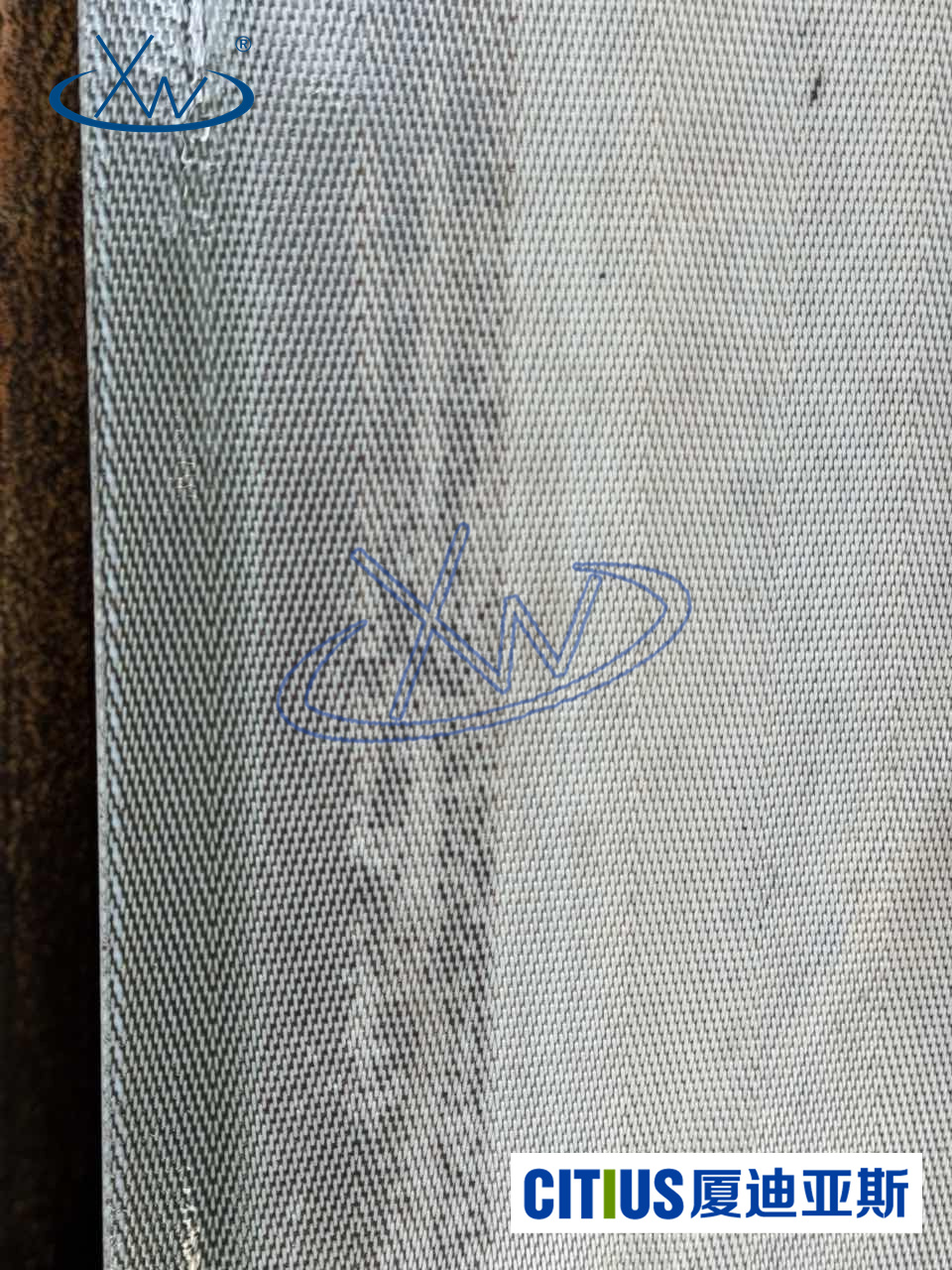
The pore size distribution of the filter cloth determines the efficiency of water penetration. If the pores are too small, filtrate discharge becomes difficult and energy consumption increases; if too large, solid loss may occur. Therefore, the filter cloth must maintain a uniform microporous structure to ensure clear filtrate and high solid retention. - Excellent Anti-Clogging Ability
Colloids and fine particles in sludge easily embed into the filter cloth pores, causing filter cloth " blinding. ” The filter cloth needs to have a certain surface smoothness and self-cleaning ability, and be able to restore permeability under high-pressure water washing. - Mechanical Strength and Wear Resistance
The belt filter press is a continuously operating device, and the filter cloth is subjected to high tension, bending, and friction for long periods. High-strength, wear-resistant filter cloth can extend service life, reduce replacement frequency, and lower downtime costs. - Chemical Resistance
Sewage plant sludge often contains acids, alkalis, salts, and various chemical agents. The filter cloth must have good chemical corrosion resistance to ensure stable operation in complex environments. - Easy Peelability
The peelability of the sludge cake from the filter cloth determines the efficiency of the dewatering stage. Properly surface-treated filter cloth can reduce sludge cake adhesion, facilitate unloading, and improve overall production efficiency.
4. Application Value of Industrial Filter Cloth in Belt Filter Press
- Improve Dewatering Efficiency and Reduce Moisture Content
High-performance filter cloth can significantly improve the solid-liquid separation efficiency of sludge, reducing the moisture content of the sludge cake to below 60% which creates favorable conditions for subsequent transportation, incineration, or landfill disposal. - Reduce Operating Costs
Long service life and strong anti-clogging properties of the filter cloth mean fewer replacements and cleaning cycles, thereby reducing downtime and maintenance costs and enhancing the overall economic efficiency of the equipment. - Ensure effluent water quality
The filter cloth has a reasonably distributed pore size, resulting in low suspended solids content in the filtrate, meeting environmental discharge standards and avoiding secondary pollution. - Adapt to different sludge conditions
For different characteristics such as municipal sludge and industrial sludge, the filter cloth can be custom-designed to achieve optimal dewatering performance.
5. Industry Trends and Development Directions
With the advancement of " the dual carbon strategy ” and green development, sludge treatment is moving towards reduction, stabilization, harmlessness, and resource utilization directions. As a key consumable, filter cloth is also continuously evolving:
- Multifunctional composite filter cloth : Through special weaving techniques and surface treatments, the filter cloth simultaneously possesses high strength, high permeability, and anti-clogging performance.
- Intelligent operation and maintenance : Combining sensors and big data monitoring to achieve filter cloth operation status monitoring and lifespan prediction, helping wastewater plants implement refined management.
- Application of environmentally friendly materials : Developing more eco-friendly and recyclable filter cloth materials to reduce secondary pollution during use.
6. Conclusion
In the sludge dewatering process of wastewater treatment plants, industrial filter cloth is not only a consumable but also a key to process success or failure. High-quality filter cloth can improve the overall performance of belt filter presses, achieve efficient dewatering, reduce energy consumption, extend equipment life, and contribute to the green development of the wastewater treatment industry.
In the future, with continuous advancements in sludge treatment technology, filter cloth will also see more innovations and application opportunities. In this field, choosing the right filter cloth is not only a process decision but also an important guarantee for enterprises to achieve sustainable development.

Add
No. 16-22 Chunfeng East Road, Xiang'an Torch High tech Zone, Xiamen City, Fujian Province, ChinaAll Rights Reserved. | Privacy Policy |
Tel/ WhatsApp