
-
Filter ClothBelt press filter mesh belt Horizontal belt vacuum filter mesh belt Vertical filter press filter cloth Filter Press Filter Cloth Breathable mesh Technical fabric - drying Technical fabric - high pressure belt Technical fabric - conveyor belt Technical fabric - fiberboard Joint form Edge banding form Accessories (threading)
Search HistoryClear All Records
- All
- Product Management
- News
Filter cloth material and specifications, models and industrial filter cloth images
Release time:
2025-06-04
In modern industrial filtration and separation systems, filter cloth, as one of the core consumables, plays a crucial role. Whether in mining, metallurgy, chemical engineering, environmental protection, or in high-cleanliness fields such as food and pharmaceuticals, the performance of the filter cloth directly affects filtration efficiency, operational stability, and the quality of the final product. This article will systematically introduce the common materials, specifications, and process structures of filter cloths, and analyze them in conjunction with typical industrial filter cloth images to help users better understand and select suitable filter media.
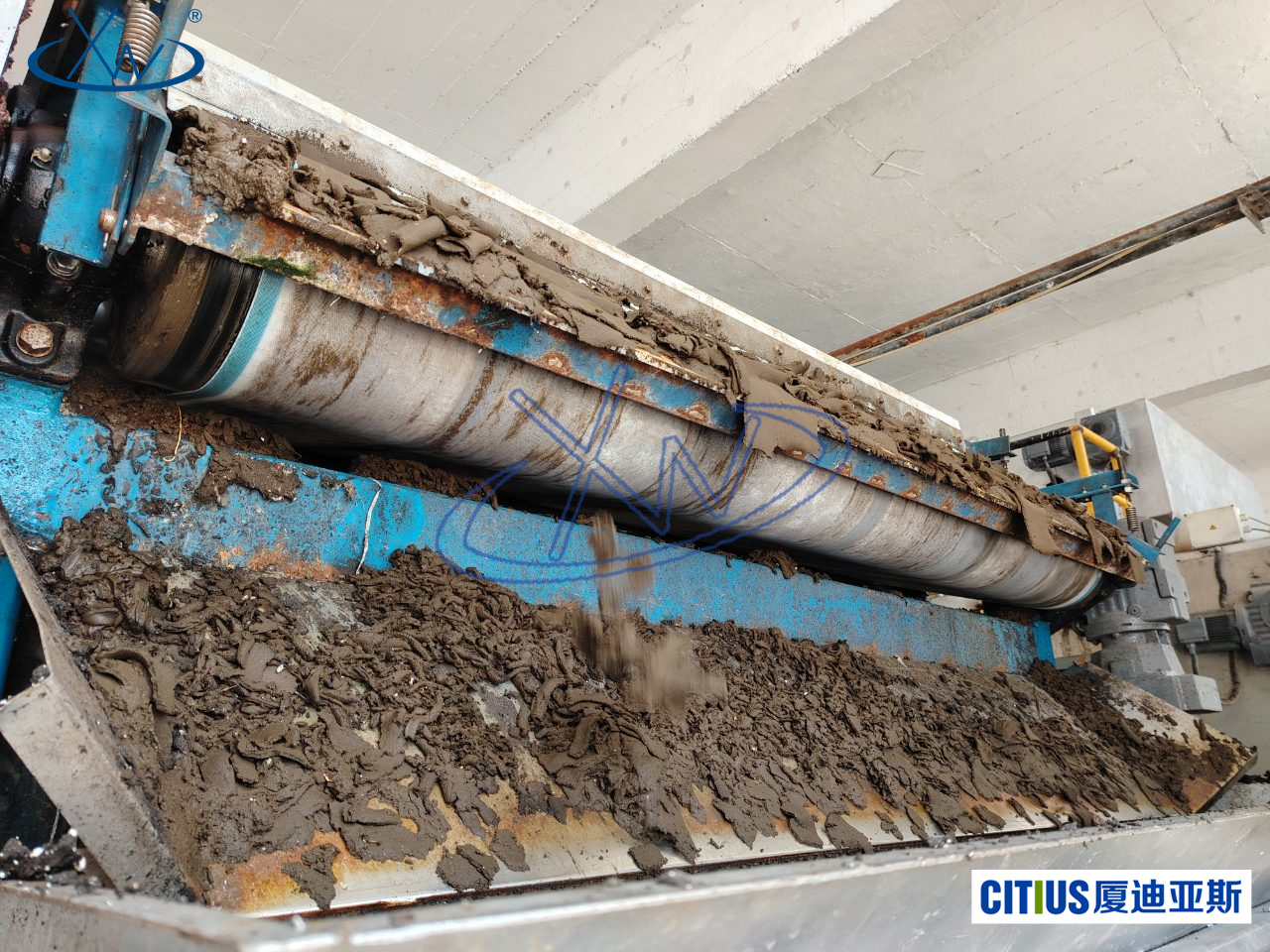
I. Basic Definition and Function of Filter Cloth
Filter cloth is an industrial fabric made of synthetic or natural fibers, mainly used in solid-liquid separation scenarios. It is installed on various filtration equipment, such as plate and frame filter presses, belt filter presses, vacuum filter presses, and centrifuges. Its core functions are:
- Intercepting solid particles to achieve solid-liquid separation;
- Ensuring air and liquid permeability;
- Maintaining a stable structure under high temperature, high pressure, and strong corrosion conditions.

II. Analysis of Common Filter Cloth Materials
The material of the filter cloth determines its core properties, such as chemical resistance, mechanical strength, and temperature resistance. Common industrial filter cloth materials include the following:
1. Polypropylene Polypropylene ,简称 PP )
- Features: Excellent acid and alkali resistance, light weight, and non-water absorbent.
- Applications: Widely used in wastewater treatment, chemical engineering, and electroplating wastewater industries.
2. Polyester Polyester ,简称 PET )
- Features: Good heat resistance and high mechanical strength.
- Applications: Suitable for high-pressure filtration scenarios such as coal washing, metallurgy, and mineral processing.
3. Polyamide (Nylon, Polyamide ,简称 PA )
- Features: Good wear resistance and high flexibility.
- Applications: Often used in high-strength dehydration such as tailings treatment and fine chemical engineering.
4. Polytetrafluoroethylene PTFE )
- Features: Extremely strong corrosion resistance, usable in high-temperature acid-base environments.
- Applications: Mainly used in pharmaceuticals, high-end chemical engineering, and precious metal recovery in highly corrosive industries.
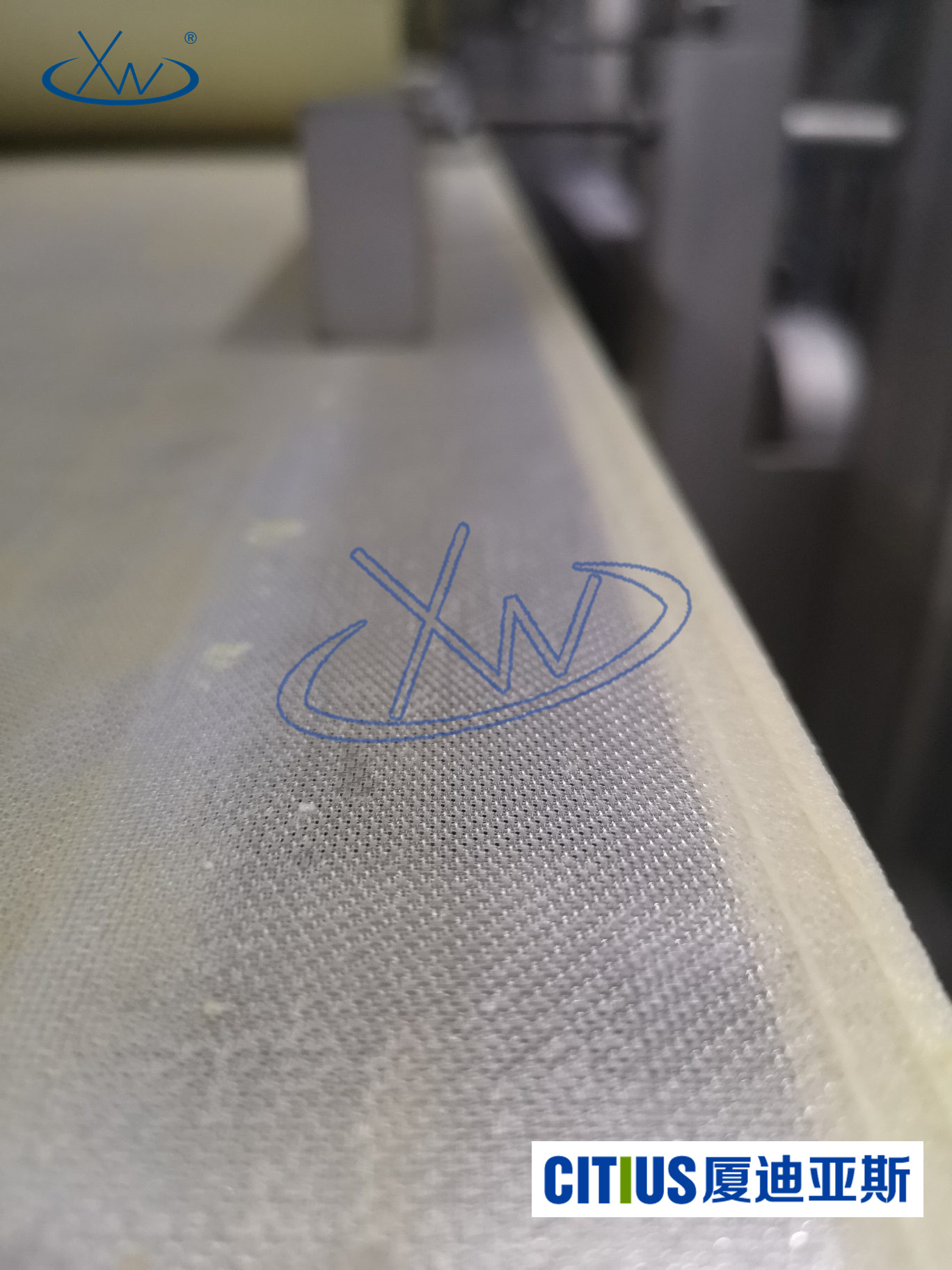
III. Structure and Weaving Methods of Industrial Filter Cloth
Filter cloths not only have different properties due to their diverse materials, but their structure and weaving methods also have a profound impact on filtration efficiency. Common structures include:
1. Single-layer filter cloth
Made of a single layer of woven fibers, it is thin, breathable, and suitable for low-pressure, fast-filtration conditions.
2. Double-layer filter cloth
Composed of two layers, the surface layer intercepts particles, and the bottom layer enhances support, combining filtration precision and strength.
3. Multi-layer composite filter cloth
Three or more layers of structure, which can meet the needs of higher precision or complex fluid filtration, such as nanometer-level powder processing.
4. Monofilament and multifilament
- Monofilament filter cloth: Smooth surface, easy filter cake peeling, excellent regeneration performance;
- Multifilament filter cloth: High porosity, strong dirt holding capacity, suitable for more viscous materials.
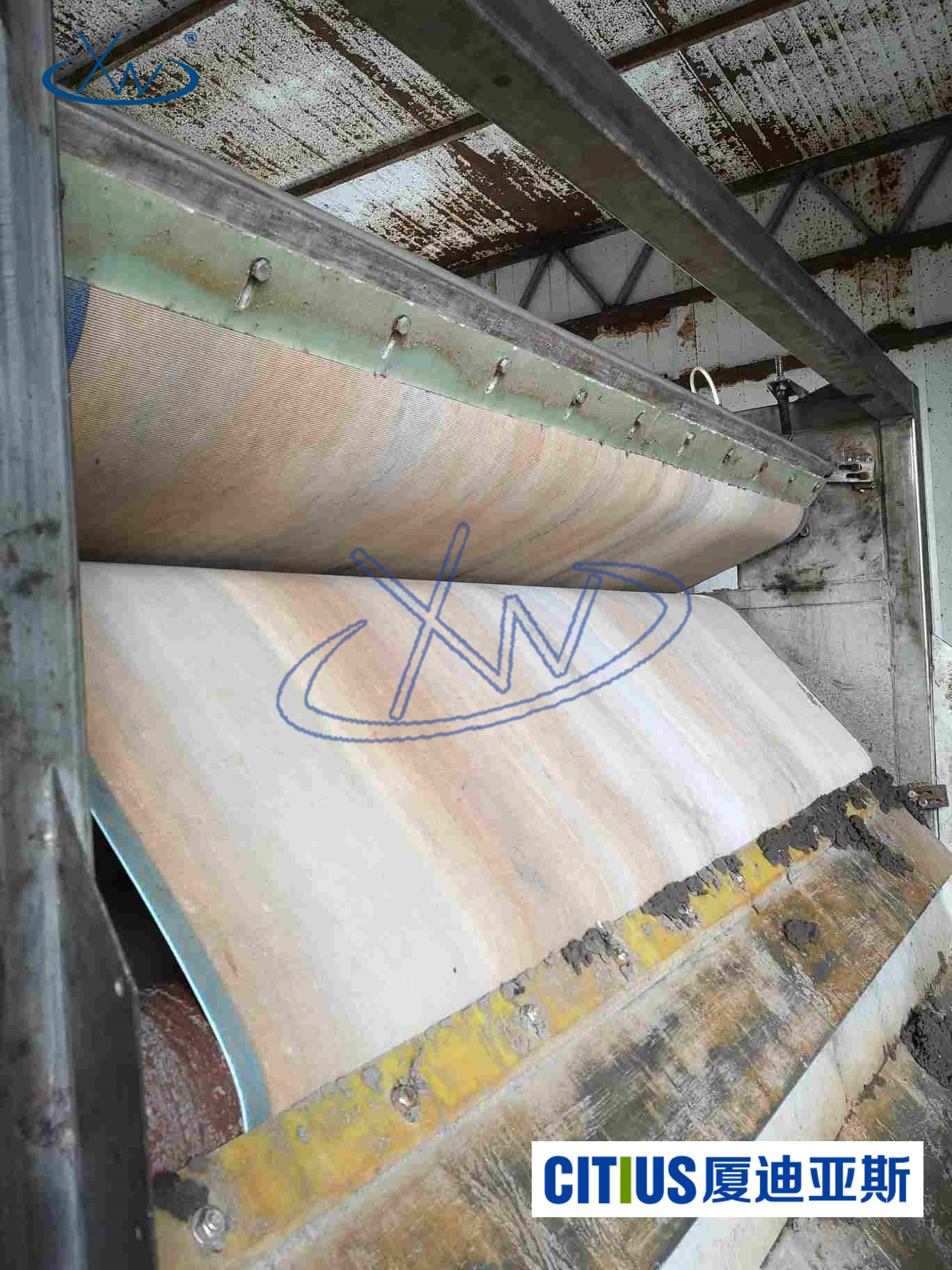
IV. Specifications and Models of Filter Cloth
Filter cloth models are usually composed of “ Material + Yarn count + Structure type + Weight + Air permeability ” And other indicators. Here are some typical model analyses:
Material
|
Weight g/m² )
|
Air permeability L/m².s )
|
Structure
|
|
|---|---|---|---|---|
Polypropylene
|
300
|
250
|
Monofilament double-layer plain weave
|
|
Polyester
|
220
|
300
|
Multifilament single-layer twill
|
|
Nylon
|
260
|
400
|
Monofilament double-layer satin weave
|
|
Polytetrafluoroethylene
|
330
|
150
|
Multi-layer encrypted weaving
|
These parameters will directly affect the performance of the filter cloth under different equipment and material conditions, so the selection must comprehensively consider factors such as equipment pressure, material properties, and processing speed.

V. Typical Applications and Equipment Matching of Filter Cloth
1. Plate and frame filter press filter cloth
Mostly used for the dehydration of mineral pulp, sludge, and chemical slurry, generally using PP Multifilament twill filter cloth, etc.
2. Belt filter press filter cloth
Often used for municipal wastewater, ceramic polishing mud dehydration, and papermaking white mud recovery. It is recommended to use monofilament filter cloth with high tensile strength and good air permeability.
3. Vacuum belt filter cloth
Suitable for continuous processing of fine-grained materials in industries such as lithium ore, phosphogypsum, and alumina, often using double-layer plain weave filter cloth.
4. Centrifugal filter cloth
Suitable for high-speed rotary dewatering applications, usually selecting high-strength, wear-resistant nylon or PET filter cloth.
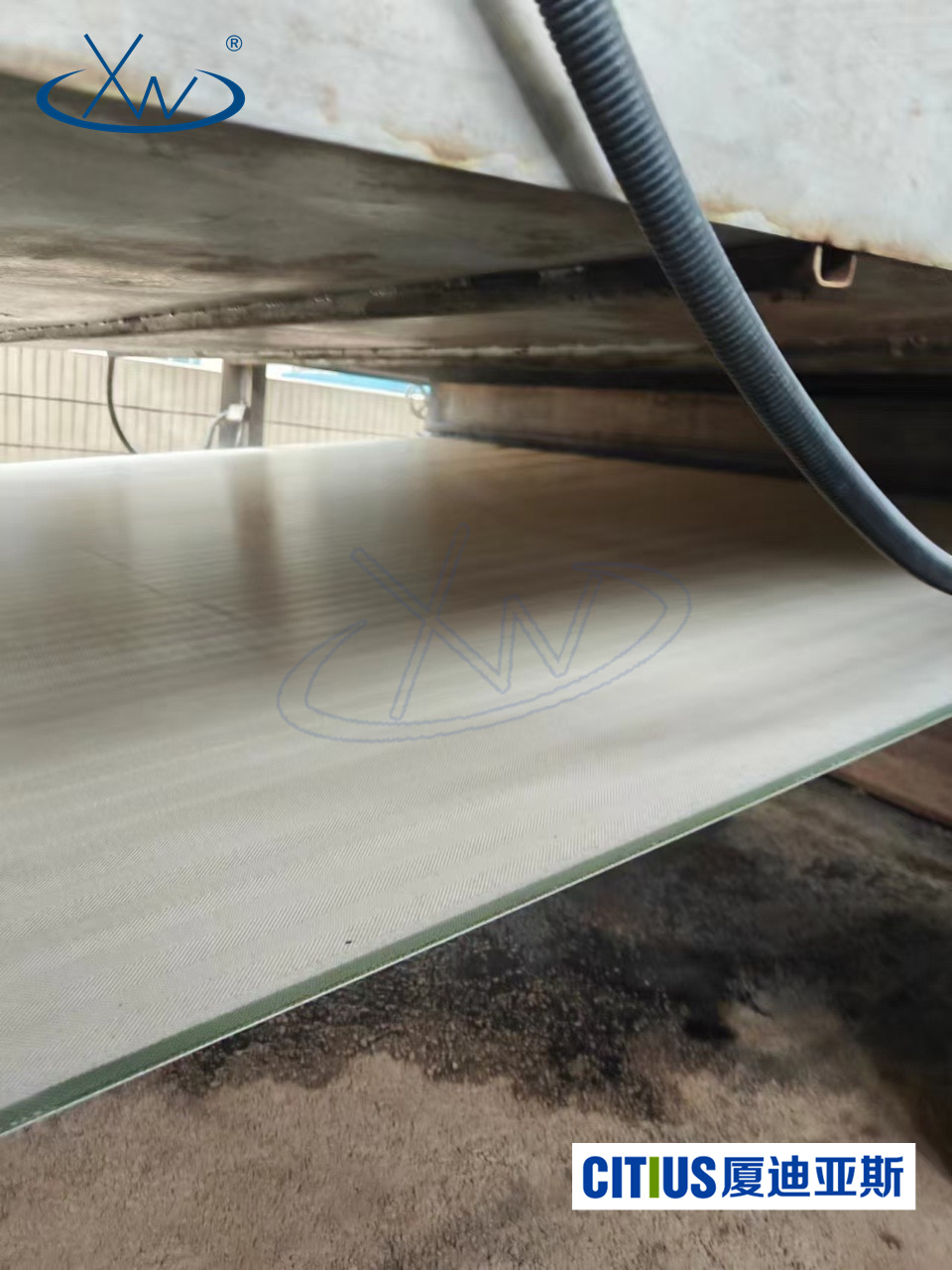
Six, Industrial Filter Cloth Image Analysis
Image display suggestions are as follows:
- Figure 1: Filter Cloth Panorama
- Displays different rolls of filter cloth, textures, and surface treatments.
- Displays different rolls of filter cloth, textures, and surface treatments.
- Figure 2: Filter Cloth Installed on a Filter Press
- Real scene shooting, reflecting actual operating effects and filter cake peeling.
- Real scene shooting, reflecting actual operating effects and filter cake peeling.
- Figure 3: Microstructure Diagram
- Displaying filter cloth pore distribution and fiber orientation through microscope images.
- Displaying filter cloth pore distribution and fiber orientation through microscope images.
- Figure 4: Filter Cloth Processing Details
- Demonstrating customized processing techniques such as hemming, punching, and hook edging, highlighting brand strength.
- Demonstrating customized processing techniques such as hemming, punching, and hook edging, highlighting brand strength.
- Figure 5: Filter Cloth Actual Application Scenario Diagram
- Such as scenes of use in different working conditions like sludge treatment, tailings dewatering, and pharmaceutical filtration.
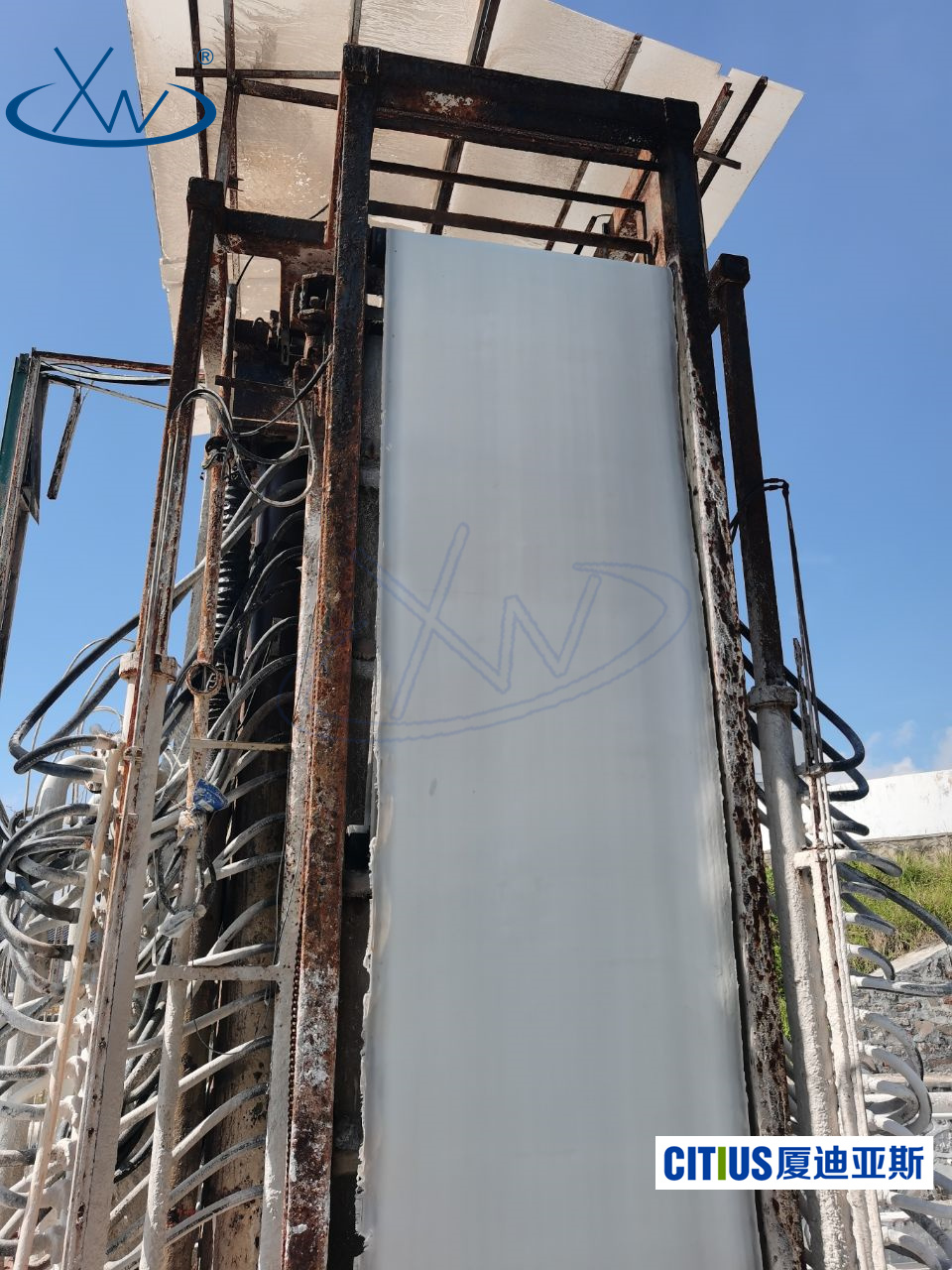
- Such as scenes of use in different working conditions like sludge treatment, tailings dewatering, and pharmaceutical filtration.
Seven, Tips and Misconceptions When Purchasing Filter Cloth
✔ Reasonable selection suggestions
- Clarify the filtration equipment model and structural dimensions;
- Understand the particle size, concentration, and pH of the material to be processed;
- Select the filter cloth material and structure based on the filtration purpose (dewatering, clarification, purification, etc.).
✘ Common misconceptions
- Misconception that “ higher mesh count is better ” : In fact, different working conditions require matching different filtration precisions;
- Ignoring processing details : Improper hemming of filter cloth can easily lead to material leakage and tearing;
- Blind material selection : For example, using ordinary material in high-temperature environments PP cloth can easily deform and fail.
Eight, Conclusion: The Importance of Choosing a Professional Filter Cloth Manufacturer
Although filter cloth is a consumable, it is crucial to the success or failure of the filtration process. In practical applications, filter cloth must not only be “ durable ” but also “ precise ” . Therefore, choosing a filter cloth manufacturer with rich industry experience, capable of providing customized services and technical support, is a core step for enterprises to improve filtration efficiency and reduce operating costs.
Taking Xiamen Citius Filtration Material Technology Co., Ltd. as an example, with 30 years of experience and over 400 types of industrial filtration media technical accumulation, serving fields such as mining, energy, chemical, and electronics, it can provide customers with one-stop solutions from filter cloth selection, size customization, processing technology to operation and maintenance.

Add
No. 16-22 Chunfeng East Road, Xiang'an Torch High tech Zone, Xiamen City, Fujian Province, ChinaAll Rights Reserved. | Privacy Policy |
Tel/ WhatsApp