
-
Filter ClothBelt press filter mesh belt Horizontal belt vacuum filter mesh belt Vertical filter press filter cloth Filter Press Filter Cloth Breathable mesh Technical fabric - drying Technical fabric - high pressure belt Technical fabric - conveyor belt Technical fabric - fiberboard Joint form Edge banding form Accessories (threading)
Search HistoryClear All Records
- All
- Product Management
- News
Exploring Applications of Filter Cloths in Industry
Release time:
2026-03-22
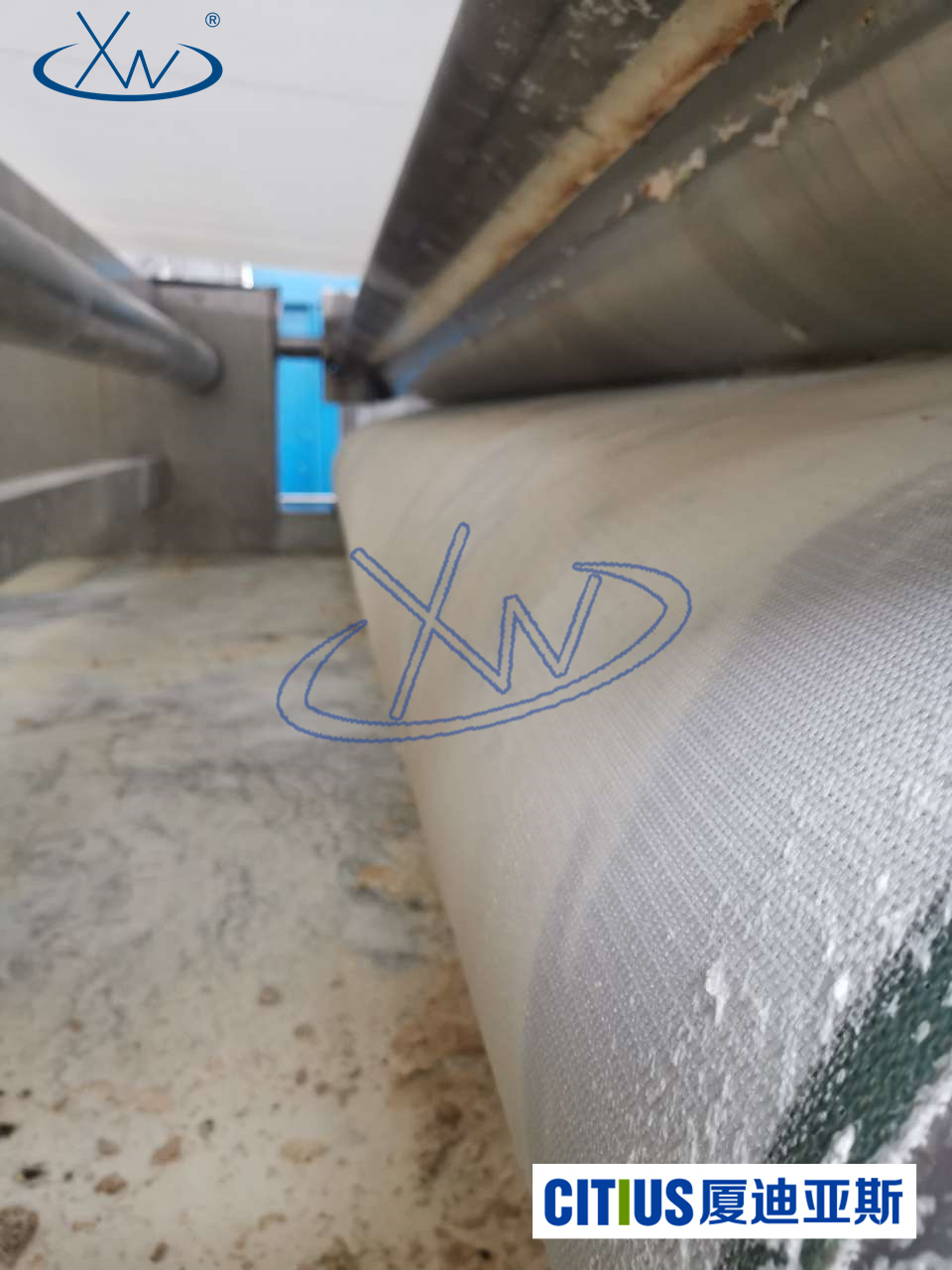
Introduction to Filter Cloths
When it comes to industrial processes, filter cloths play a pivotal role. These versatile materials are designed to separate solids from liquids or gases, ensuring that the end product meets stringent quality standards. Whether you're involved in mining, food processing, or wastewater treatment, understanding the applications of filter cloths can significantly boost your operational efficiency.
Why Choose a Reliable Supplier?
So, you might wonder, why is it essential to select a reputable China industrial filter cloth supplier? Well, the quality of filter cloths can make or break your filtration process. A reliable supplier not only provides durable materials but also offers technical support and customization options tailored to your specific needs. Plus, with a solid supplier in your corner, you can rest assured that you're getting products that meet industry standards.
Key Applications
Let's dive into some real-world applications of filter cloths. These materials are commonly used in:
- Mining: Filter cloths help in separating valuable minerals from the slurry, enhancing recovery rates.
- Food Industry: In processes like juice extraction and oil filtration, the right filter cloth ensures purity and taste.
- Wastewater Treatment: They play a crucial role in removing contaminants, promoting environmental safety.
Benefits of Quality Filter Cloths
Now, let's get to the nitty-gritty. Here are some advantages of using high-quality filter cloths:
- Durability: Quality materials withstand harsh conditions, leading to longer service life.
- Efficiency: Improved filtration rates can reduce operational costs and downtime.
- Customization: Tailored solutions mean that you can get the perfect fit for your specific application.
Choosing the Right Material
Not all filter cloths are created equal. Depending on your application, you might need different materials, such as polyester, polypropylene, or nylon. Each material has distinct properties that cater to various industrial needs. For instance, polyester is known for its resistance to acids and bases, while polypropylene is excellent for higher temperatures.
Final Thoughts
In conclusion, partnering with a trustworthy China industrial filter cloth supplier can be a game-changer for your operations. With the right filter cloths, you'll enhance efficiency, ensure product quality, and ultimately save on costs. So, whether you're in manufacturing, food processing, or environmental management, don't underestimate the importance of filter cloths in your workflow!

Add
No. 16-22 Chunfeng East Road, Xiang'an Torch High tech Zone, Xiamen City, Fujian Province, ChinaAll Rights Reserved. | Privacy Policy |
Tel/ WhatsApp