
-
Filter ClothBelt press filter mesh belt Horizontal belt vacuum filter mesh belt Vertical filter press filter cloth Filter Press Filter Cloth Breathable mesh Technical fabric - drying Technical fabric - high pressure belt Technical fabric - conveyor belt Technical fabric - fiberboard Joint form Edge banding form Accessories (threading)
Search HistoryClear All Records
- All
- Product Management
- News
Application and Optimization of CITIUS Dual-Web Sizing Press Belts in High-Efficiency Paper Pulp Dewatering
Release time:
2025-10-16
In the modern pulp and paper industry, the dewatering and washing stages of the pulp are critical processes that determine pulp quality, energy consumption levels, and production efficiency. As green papermaking and recycling concepts continue to advance, traditional washing equipment can no longer meet the demands of today's mills for efficient, low-energy, and environmentally friendly dewatering systems.
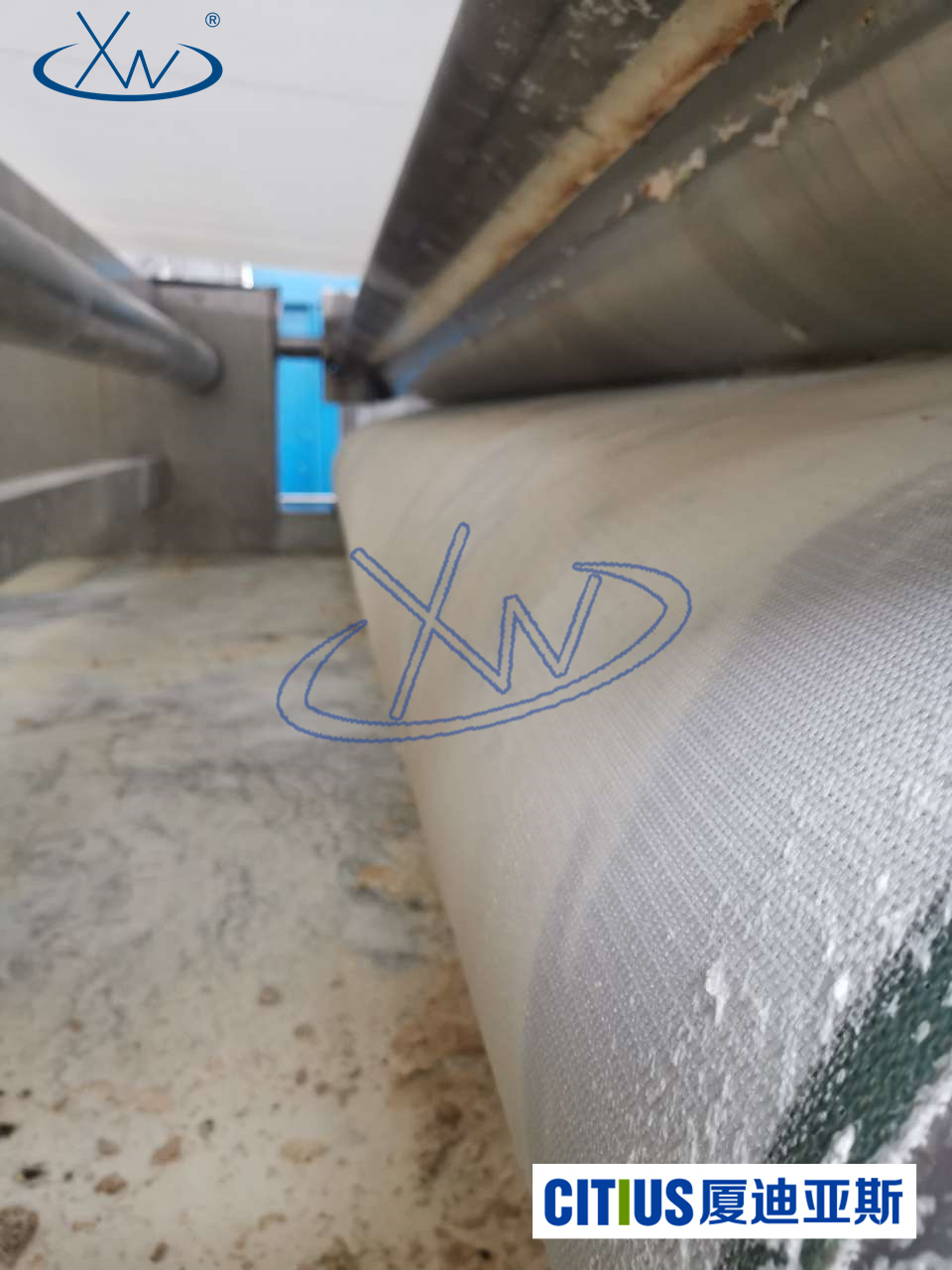
The emergence of the twin-wire press marks a significant advancement in pulp washing and concentration technology. In this system, the wire mesh serves as the core filtration medium, and its material structure, weaving technique, and operational stability directly determine the equipment's dewatering performance and the quality of the resulting pulp.
Xiamen Citius Filter Media Technology Incorporated Company As a leading brand in the domestic filtration materials and technical fabrics industry, leveraging over three decades of experience and technological expertise, we have developed an efficient, wear-resistant, compression-resistant, and easily dewaterable product tailored specifically for the unique operating conditions of twin-net stock preparation machines. Dedicated Dehydration Mesh Belt System It has already been widely applied in the paper-making, pulp, chemical, and food industries.
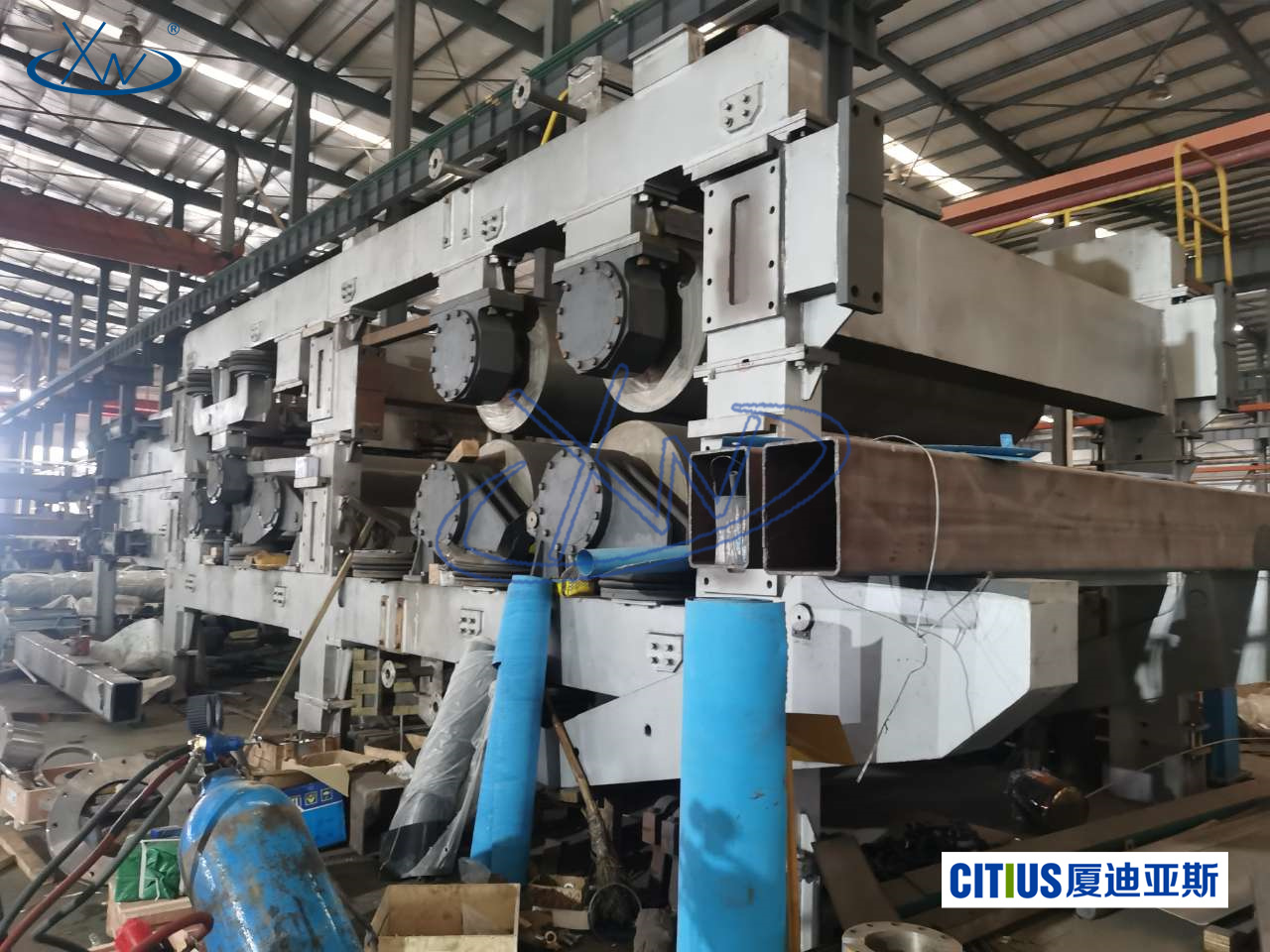
I. The Working Principle and Function of the Dual-Net Pulp Squeezing Machine
The double-net press is a continuous-operation concentration device primarily used for washing, concentrating, and removing black liquor from pulp. It utilizes two oppositely running filter mesh belts as the medium, clamping the pulp between them. Through a series of stages—including gravity, wedge-shaped compression, rotary action, and high-pressure roller zones—the pulp undergoes stepwise dewatering, transforming it from low to high concentration.
Its dehydration process can be divided into four stages:
1. Gravity Dewatering Zone At this stage, the slurry is preliminarily dewatered to remove free moisture, while the mesh belt supports the slurry layer, enabling initial concentration through gravity and permeability.
2. Wedge-shaped Dehydration Zone : The two mesh belts above and below gradually converge, slowly compressing the pulp layer, which initiates the expulsion of capillary water while preventing pulp from splashing or being lost.
3. Swirling Dehydration Zone :The pulp layer is subjected to alternating, oppositely directed bending stresses, creating an internal circulation-based dehydration process that further enhances moisture migration.
4. High-pressure Roll Zone : The slurry is sandwiched between two networks and passed through multiple sets of pressurized rollers, with the line pressure gradually increasing at each stage, ultimately forming a high-concentration slurry cake that exhibits a significant reduction in moisture content.
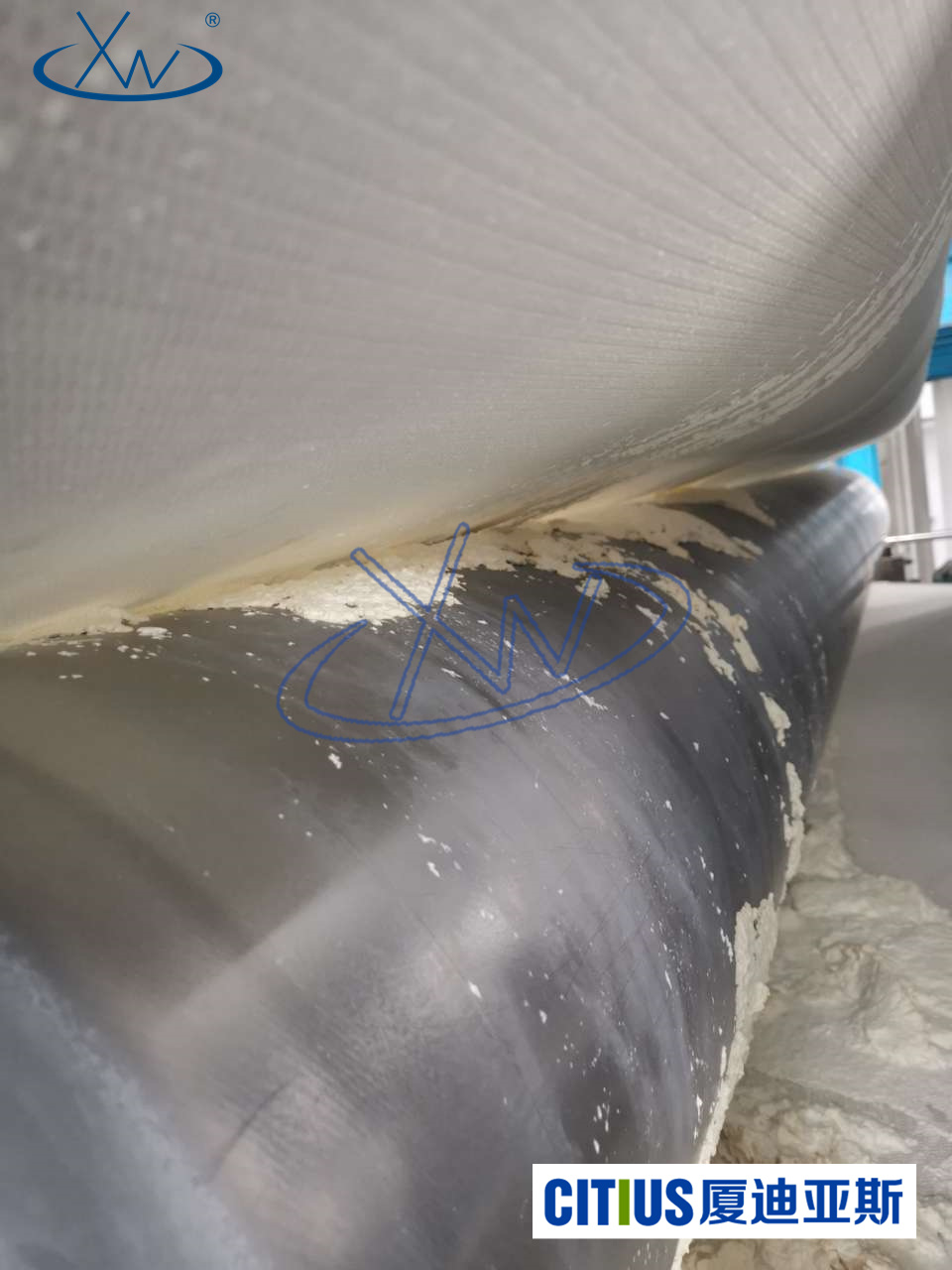
II. Core Performance Requirements for Mesh Belts in the Papermaking Industry
Whether the twin-net pulp press can operate efficiently hinges on the comprehensive performance of its mesh belts. Its operating conditions—including high humidity, high pressure, intense friction, and continuous operation—place exceptionally stringent demands on the filter mesh's mechanical strength and chemical stability.
The main performance requirements include:
• Excellent dehydration efficiency :The mesh belt must have a reasonable pore size and structural stability to ensure rapid drainage of water without causing fiber loss.
• High tensile strength and wear resistance : Subjected to prolonged roller pressure and tension, the mesh belt is required to exhibit excellent tensile strength and wear-resistant durability.
• Surface Smoothness and Operational Stability : The smooth mesh surface ensures uniform slurry layer thickness, preventing deviation, wrinkling, and slurry leakage.
• Chemical and Temperature Resistance Performance : The pulp slurry contains certain alkaline or bleaching agent components, so the filter mesh must be resistant to chemical corrosion and able to withstand high-temperature cleaning.
• Easy to clean and regenerate :The mesh belt surface should be resistant to clogging and maintain excellent self-cleaning performance during operation.
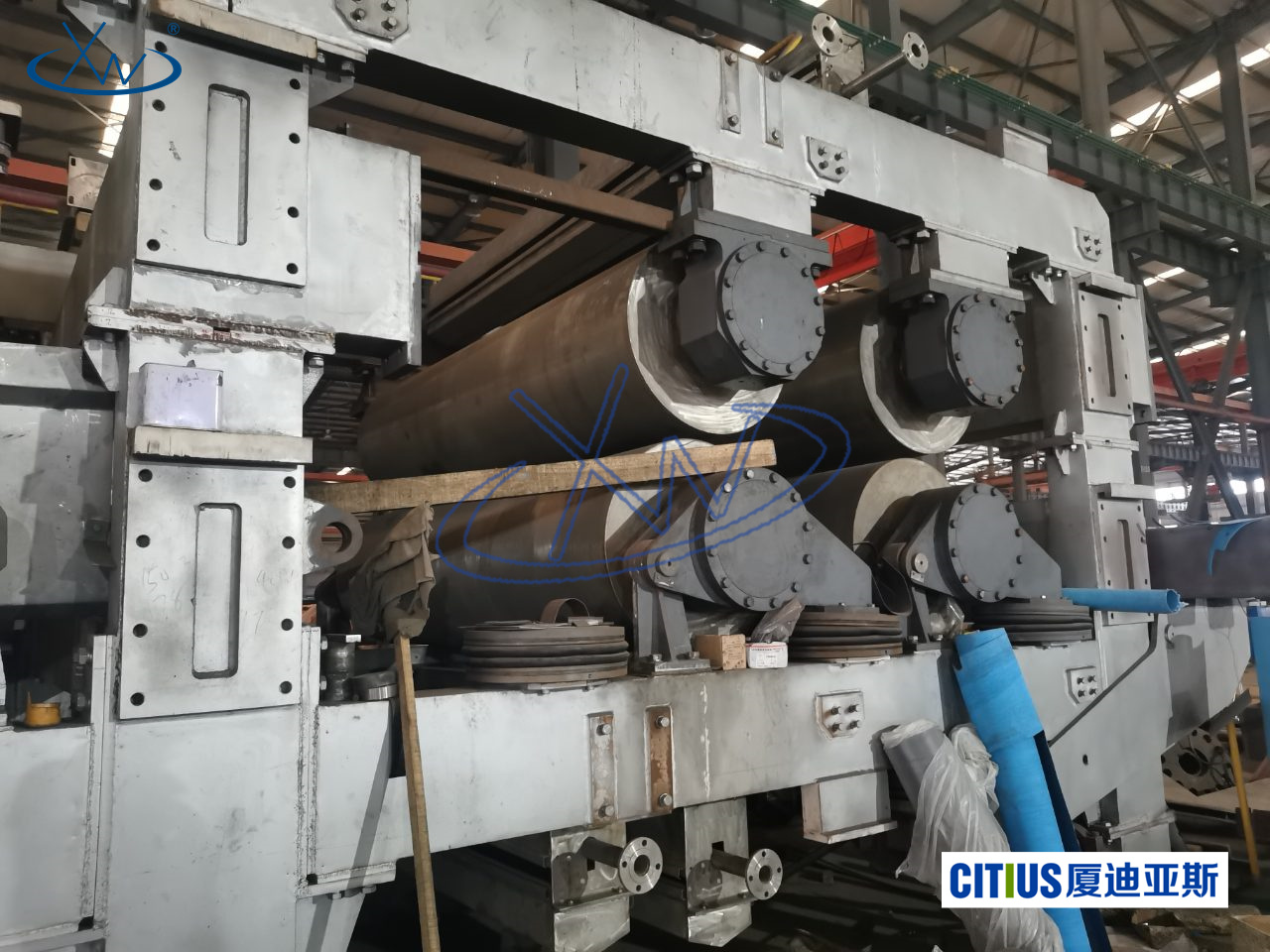
III. Technical Advantages of the Special Mesh Belt for Citiuss Dual-Net Pulp Molding Machine
Citius Filter has developed a twin-net press felt specifically for the paper-making industry, leveraging 30 years of expertise in industrial filtration fabric R&D. It boasts the following outstanding technical advantages:
1. Multi-layered structural design
Adopt Double- or triple-layer composite weaving technique , the outer layer precisely controls the aperture and filtration rate, while the inner layer reinforces the supporting structure and enhances tensile strength. This design not only ensures efficient dewatering but also improves the overall mechanical stability and extends the service life of the mesh belt.
2. High-molecular-weight wear-resistant fibers
By using high-strength materials and employing heat-setting and high-temperature stretching processes, the mesh belt achieves exceptional wear resistance, heat tolerance, and fatigue resistance. Its operational lifespan can be 1.5 to 2 times longer than that of conventional filters.
3. Precise Pore Size Distribution
Citius Filter utilizes CNC weaving systems and online detection technology to ensure uniform and consistent aperture sizes across every square meter of filter belt, maintaining a balanced separation of fibers from the slurry while optimizing moisture drainage—and ultimately reducing fiber loss in the black liquor.
4. Surface Smoothing and Anti-Adhesion Treatment
Addressing the issues of pulp easily sticking and clogging the pores, Citiuss applies [something] to the surface of the filter belt. Anti-stick and Anti-fouling Coating Or Hot-melt smoothing treatment , significantly enhancing cleaning performance and regenerative capability.
5. Precise Alignment and Operational Stability
By employing high-precision joint technology, the system ensures balanced tension at the mesh belt connections while also making installation and replacement effortless. Combined with precise guiding-edge processing technology, it effectively prevents misalignment and wrinkling. IV. Practical Application Effects in the Pulp and Paper Manufacturing Process
The Citiuss mesh belt has been rigorously tested over the long term in twin-wire press machines at several pulp mills, delivering remarkable energy-saving and efficiency-enhancing results.
In actual operation, the Citiuss mesh belt can be custom-designed to achieve the optimal balance between dewatering rate and pulp concentration based on specific process conditions. The filtrate remains clear, with minimal fiber loss, which not only enhances pulp quality but also reduces the processing load on the black liquor recovery system.
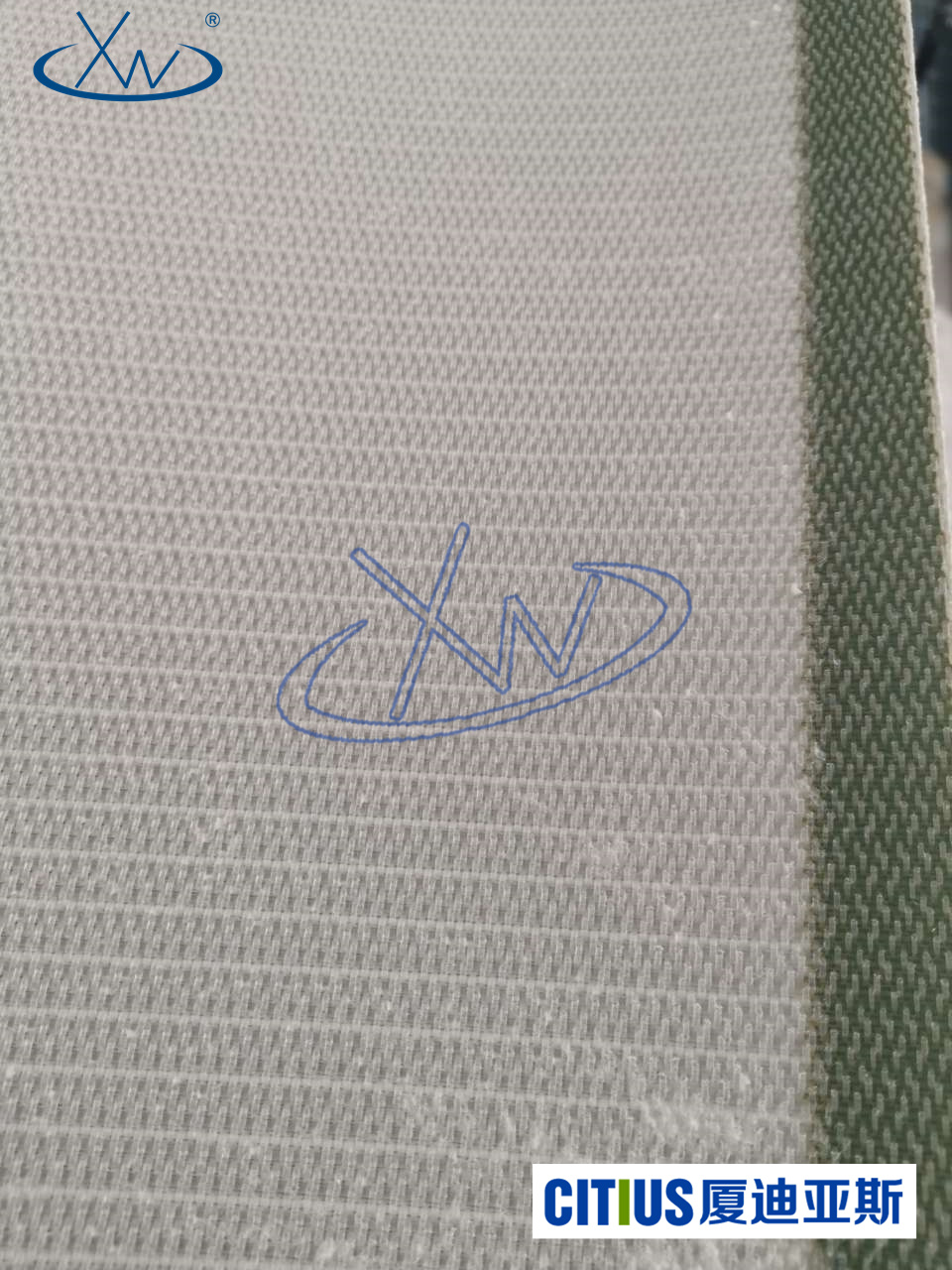
V. Extended Applications and Versatility Across Multiple Industries
Besides the paper-making industry, the double-net press and its matching filter screens have demonstrated excellent adaptability across multiple fields:
• Chemical Industry : Used for concentrating and washing polymer solutions and inorganic salt slurries.
• Leather Industry : Used for dewatering colloidal substances in leather wastewater.
• Sugar and Brewing Industries : Dehydration and solid-liquid separation of materials such as molasses and vinasse.
• Food Industry Concentration and dehydration of fruit and vegetable pulps, as well as plant extracts.
Citius Filter offers customized filter selection services tailored to the specific characteristics of slurries in various industries (such as particle size, fiber length, chemical properties, etc.), including options for pore size, material, air permeability, connection methods, and surface treatment solutions—ensuring optimal filtration performance under all types of operating conditions.
VI. Conclusion
In the modern, highly efficient pulp and paper production system, Filter mesh belt No longer just a consumable Instead, it is a critical technical step that determines energy consumption, quality, and environmental performance. Through continuous technological innovation and industry practice, Citiuss has upgraded traditional filtration fabrics into high-performance, intelligent process carriers, fully unlocking the potential of the twin-net pressurized pulping machine.
In the future, as the global paper industry moves toward greener, higher-value solutions, Citiuss will continue to leverage its expert filtration technologies and comprehensive system-based solutions, helping paper-making companies achieve superior pulp quality, reduced energy consumption, and more sustainable production goals.

Add
No. 16-22 Chunfeng East Road, Xiang'an Torch High tech Zone, Xiamen City, Fujian Province, ChinaAll Rights Reserved. | Privacy Policy |
Tel/ WhatsApp