
-
Filter ClothBelt press filter mesh belt Horizontal belt vacuum filter mesh belt Vertical filter press filter cloth Filter Press Filter Cloth Breathable mesh Technical fabric - drying Technical fabric - high pressure belt Technical fabric - conveyor belt Technical fabric - fiberboard Joint form Edge banding form Accessories (threading)
Search HistoryClear All Records
- All
- Product Management
- News
High-Strength Mesh Belt for Dual Press Pulp Dewatering | CITIUS
Share to
Detailed Description
Xiamen Citius Filter Media Technology Incorporated Company
High-Intensity Mesh Belt – Dual-Mesh Pressing Machine – Papermaking Pulp Dewatering
Filter machine type: Dual-net press filter
Application Industry: Papermaking
Handling Material Description: Dual-Net Pressing Machine, Pulp
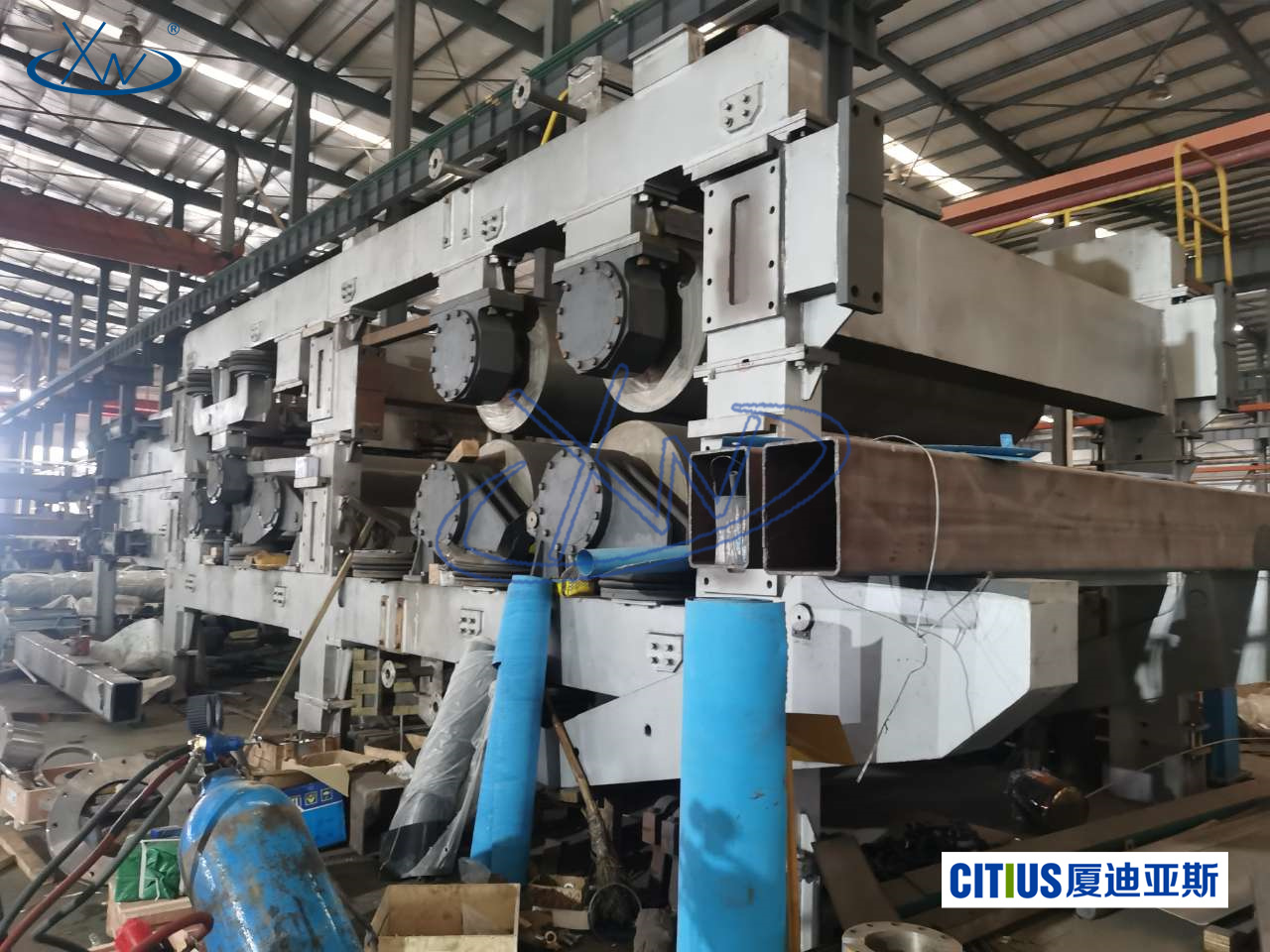
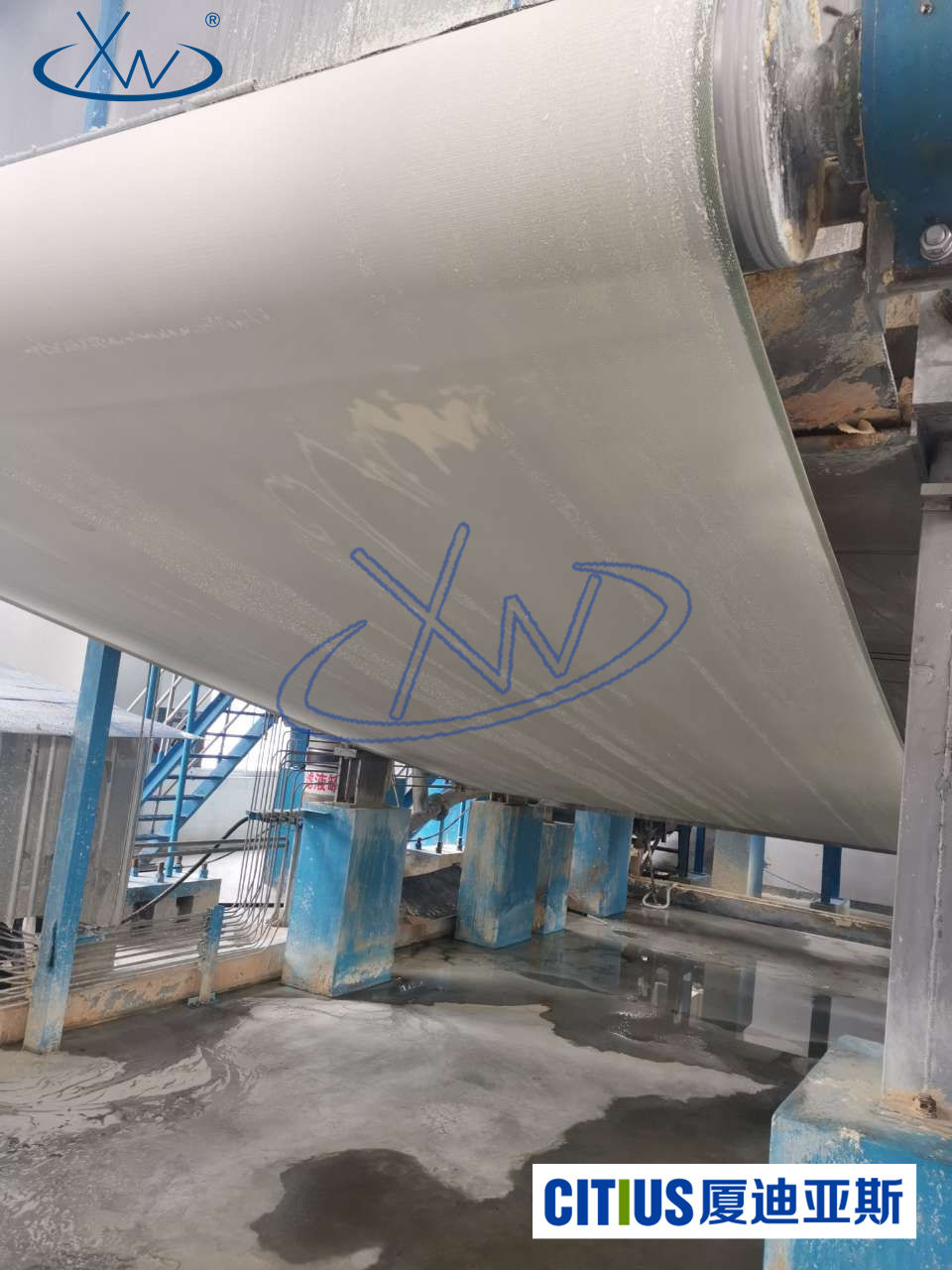
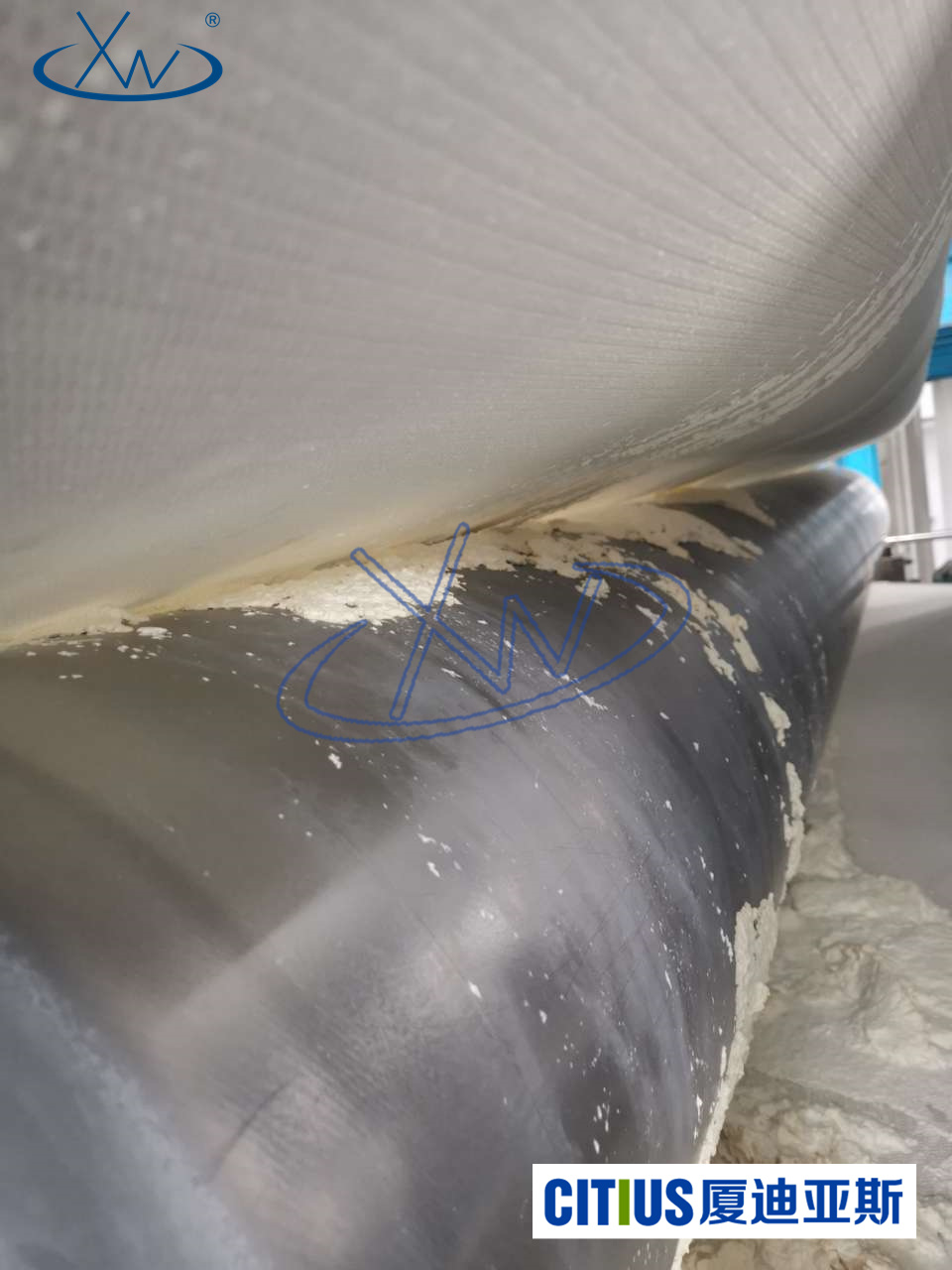
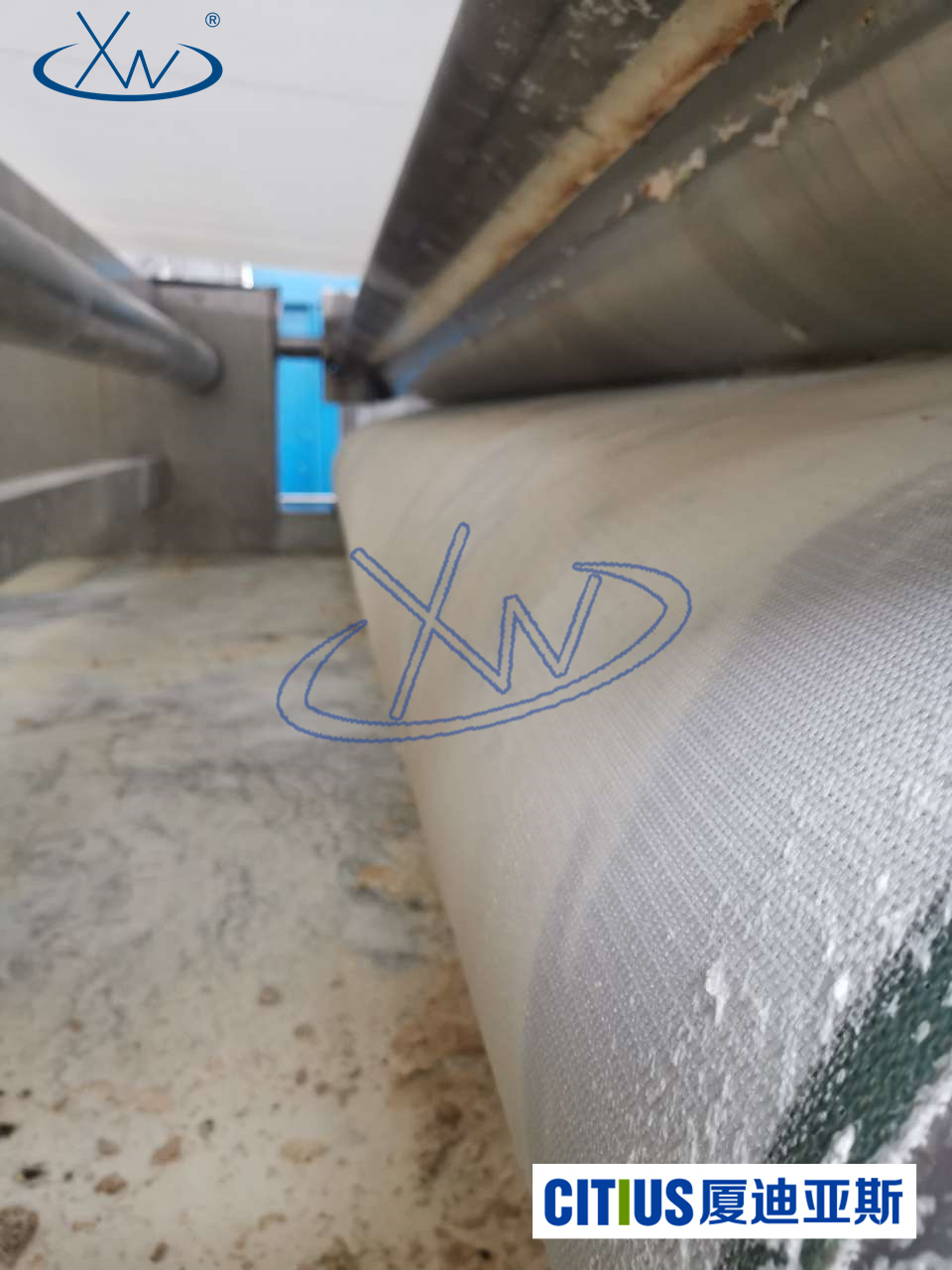
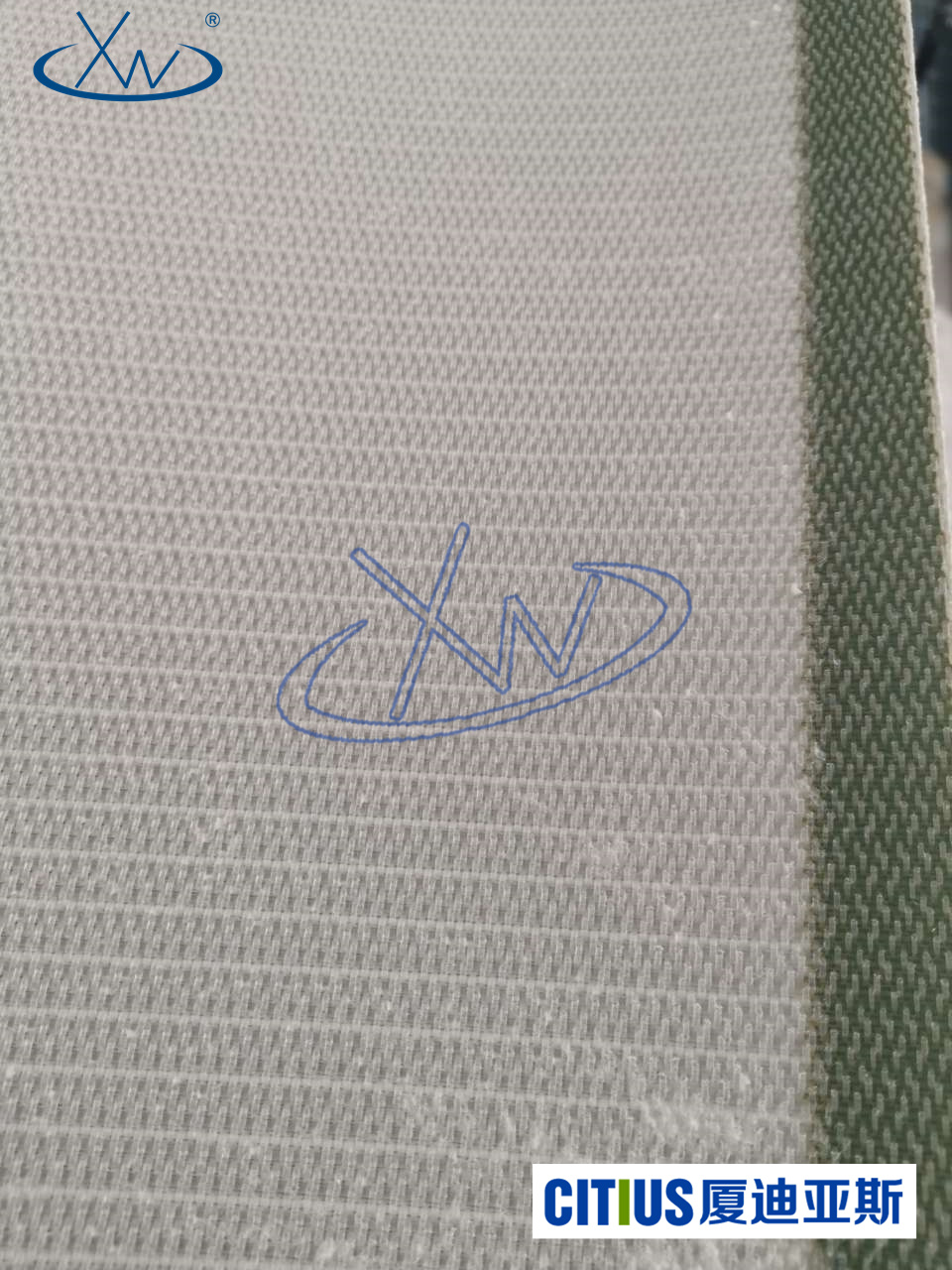
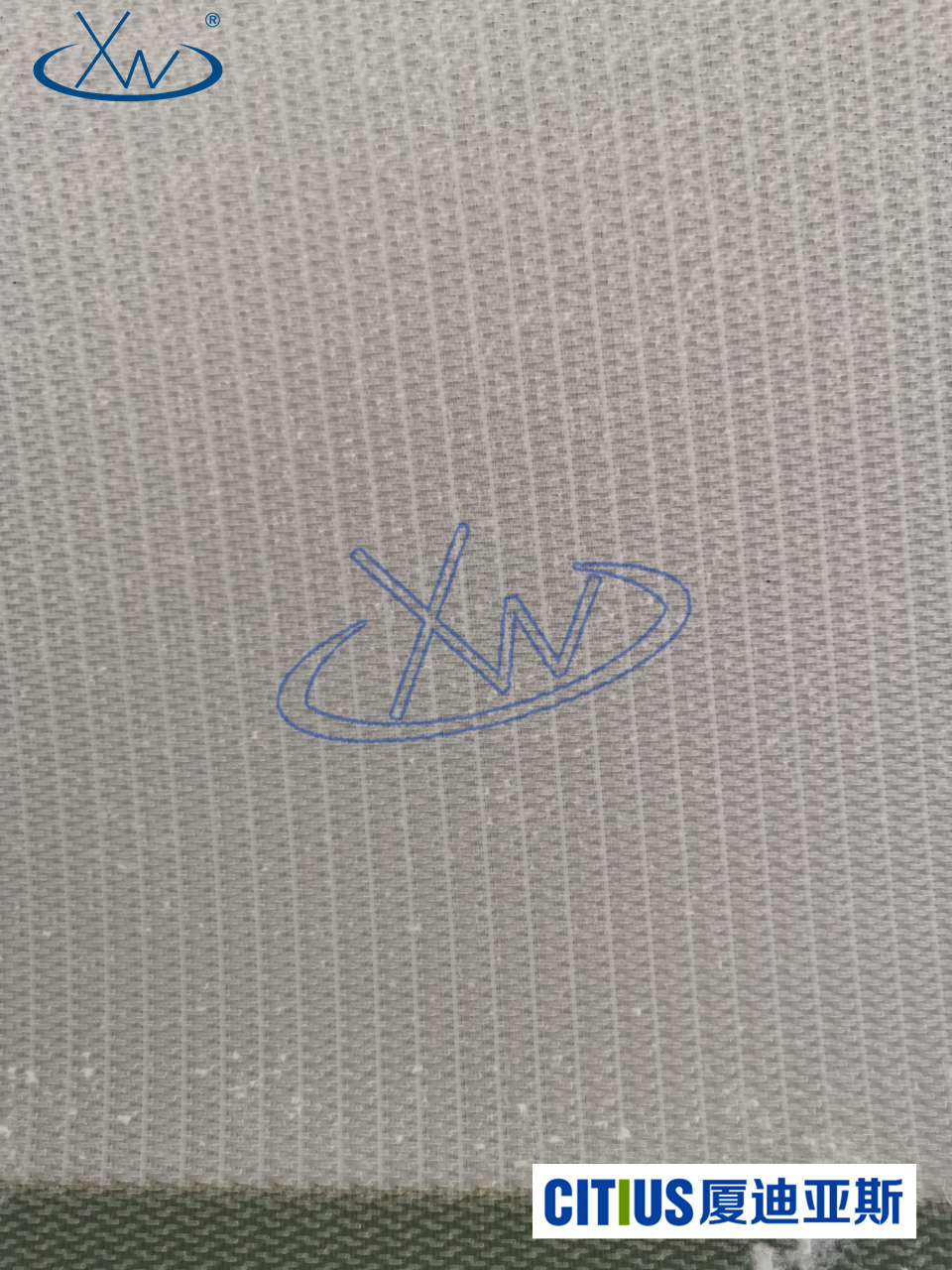
Application of High-Intensity Mesh Belts in Dual-Mesh Pressurized Pulp Machines —— Make pulp dewatering more efficient and stable.
Between pulping and papermaking in the pulp and paper industry, pulp dewatering is one of the most critical steps. The moisture content of the pulp, the dewatering speed, and the uniformity of the pulp layer all directly determine the quality of paper formation as well as the operational efficiency of the production line. In recent years, with the continuous advancement of papermaking technologies, the twin-wire press has become the mainstream equipment for pulp concentration and dewatering—and the key component that ensures its efficient operation is the high-strength wire mesh belt.
High-strength mesh belts are not only the load-bearing medium that clamps and transports pulp during the dewatering process, but also the core factor influencing dewatering performance, energy consumption levels, and system stability. The precision of their design and manufacturing directly determines whether the twin-net press can operate efficiently and continuously.
I. Principle and Dewatering Characteristics of the Dual-Net Squeezing Machine
The double-net pulp dewatering machine is a press-type dehydration device primarily composed of two layers of moving mesh belts. Its basic principle involves evenly distributing the diluted pulp between the two mesh belts, then gradually squeezing out moisture through mechanical pressure applied across multiple roller zones, thereby significantly increasing the pulp concentration.
During operation, the pulp first enters Wedge-shaped area Complete the initial dehydration, then proceed to Pressure Zone Performing intense compression, followed by Drainage area Complete the slurry layer concentration. The entire process is continuous and stable, making it ideal for large-scale, low-energy industrial operations.
Compared to traditional single-network equipment, the dual-network pulp squeezing machine offers distinct advantages:
- Double-sided squeezing delivers higher dehydration efficiency;
- Evenly squeezed, with a stable pulp layer thickness;
- Continuous operation leads to lower energy consumption and maintenance costs;
- Adaptable to a variety of slurry conditions.
These performances depend on how well the mesh belt performs in terms of tension, flatness, permeability, and operational stability.
II. Structure and Operational Performance of High-Intensity Conveyor Belts
In the twin-net press, the mesh belts not only serve to transport the pulp but also play a crucial role in creating the dewatering space. “ Work surface ” The high-strength mesh belt, with its precise weaving structure and tensioning design, ensures that the equipment maintains a stable shape even during prolonged operation.
Its operational performance is primarily reflected in the following aspects:
- Strength is stable, and operation is smooth.
The mesh belt needs to operate continuously under high tension, and its high-strength structure effectively resists stretching and deformation, ensuring a more uniform pressure distribution in the pressing zone and making the dewatering process stable and reliable. - Dehydration streamlined, efficiency enhanced
The optimized pore distribution design ensures rapid water drainage while maintaining the uniformity and continuity of the pulp layer, thereby enhancing the dewatering rate and making it easier to keep the pulp concentration within the ideal range. - High flatness, uniform slurry layer
The flatness of the mesh belt directly determines the uniformity of the slurry distribution. A mesh belt with stable and consistently tensioned surface can prevent excessive local pressure differences or water-marking effects, thereby ensuring a uniform structure of the slurry layer. - Excellent wear resistance and self-cleaning performance
Under the long-term interaction of the squeeze rollers and the cleaning water flow, the mesh belt maintains its excellent shape and permeability. During cleaning, the pulp easily detaches without clogging the pores, thereby extending the equipment's continuous operation cycle. - Anti-deviation design, with controllable tension
By precisely controlling the edge structure and guiding system, the mesh belt can maintain straight-line operation, preventing deviations, slippage, and other issues, thus ensuring the long-term stable performance of the dual-mesh system.
III. The Key Role in the Pulp Dewatering Process
The pulp dewatering process is not merely about removing water—it is also a crucial step in adjusting the pulp structure and controlling its concentration. Moreover, the performance of the high-strength mesh belt plays a decisive role in determining the overall filtration and pressing efficiency of the system.
In the practical application at paper mills, the role of high-strength mesh belts is primarily reflected in the following three aspects:
- Dehydration happens more quickly. : Efficient water flow channels allow squeezed moisture to drain quickly, significantly reducing dehydration time and boosting productivity;
- The pulp layer quality is more stable. :The slurry is evenly compressed between the two meshes, ensuring uniform fiber distribution, which helps maintain stable paper quality in subsequent processes;
- Lower energy consumption and maintenance costs : Stable operation reduces downtime, cleaning, and replacement frequency, making the overall process more energy-efficient and cost-effective.
Take a large-scale paper-making enterprise as an example: after replacing the conventional mesh belt with a high-strength one in the bleached pulp concentration process, the dewatering efficiency improved by approximately 15% , improved clarity of the filtrate 20% , and the service life of the conveyor belt has nearly doubled. Such optimizations not only improve production metrics but also lead to significant reductions in energy consumption and maintenance costs.
4. Xiamen Citius Filter Technical and Solution Advantages
Xiamen Citius Filter Filter Materials Technology Co., Ltd. boasts over 30 years of technical expertise in the research and development and manufacturing of high-strength mesh belts. The company provides comprehensive solutions for the paper industry, ranging from equipment adaptation and mesh belt design to on-site operational optimization.
Xiamen Citius Filter The high-strength mesh belts are widely used in twin-wire press machines, thickening and dewatering units, and other solid-liquid separation equipment within pulp and paper production lines. By analyzing the unique characteristics of various pulps—such as concentration, rheology, and slurry layer thickness—the engineering team customizes tailored solutions for users, ensuring smoother, more efficient operation of the equipment.
In the practice of paper mills both domestically and internationally, Xiamen Citius Filter High-strength mesh belts have earned a strong reputation for their high dewatering efficiency, long service life, and easy installation, and are gradually becoming the preferred complementary product for high-end pulp dewatering equipment.
V. Industry Development Trends: From Efficient Dewatering to Intelligent Control
As the paper industry advances toward intelligent and green transformation, the technological direction of pulp dewatering equipment is also continuously evolving. In the future, high-strength mesh belts will increasingly focus on the following development trends:
- Higher structural precision and operational stability : By optimizing the weaving structure and tension control, continuous dehydration with lower energy consumption is achieved.
- Stronger anti-pollution and easy-to-clean performance : Reduce slurry adhesion, extend cleaning cycles, and enhance equipment utilization.
- Intelligent Monitoring and Lifespan Management : Integrated with the automatic tensioning system and operation monitoring module, enabling real-time status feedback and predictive maintenance.
- System Integration Solution From the conveyor belt to the overall equipment tuning, we build an efficient, energy-saving, and reliable pulp dewatering system.
Xiamen Citius Filter We are continuously advancing R&D and practical applications in these areas, providing global paper-making companies with more efficient, smarter, and environmentally friendly dewatering solutions.
VI. Conclusion
Pulp dewatering is an indispensable step in papermaking, and the efficient operation of a twin-wire press depends crucially on the support provided by high-strength wire belts. These belts not only determine the dewatering efficiency but also significantly influence pulp sheet quality, energy consumption levels, and overall system stability.
High-strength mesh belts enable more precise, energy-efficient, and reliable dewatering of pulp, while also ensuring that the paper mill’s production line remains stable and highly efficient even under heavy-load operations. Leveraging decades of technological expertise and industry experience, Xiamen Citius Filter We are leveraging innovative mesh belt solutions to create higher-quality dewatering systems for the global pulp and paper industry, helping the paper-making sector advance toward premium quality and sustainability.
Add
No. 16-22 Chunfeng East Road, Xiang'an Torch High tech Zone, Xiamen City, Fujian Province, ChinaAll Rights Reserved. | Privacy Policy |
Tel/ WhatsApp