
-
Filter ClothBelt press filter mesh belt Horizontal belt vacuum filter mesh belt Vertical filter press filter cloth Filter Press Filter Cloth Breathable mesh Technical fabric - drying Technical fabric - high pressure belt Technical fabric - conveyor belt Technical fabric - fiberboard Joint form Edge banding form Accessories (threading)
Search HistoryClear All Records
- All
- Product Management
- News
Filtration Solutions for Lead-Zinc Concentrate Production – Vacuum Belt Filter Cloth
Share to
Detailed Description
Industrial Filter Cloth – Horizontal Vacuum Belt Filter – Lead-Zinc Ore Washing and Beneficiation to Produce Lead-Zinc Concentrate
Filter machine type: Horizontal vacuum belt filter
Application Industry: Lead-Zinc Ore Washing and Beneficiation
Handling Material Description: Lead-Zinc Concentrate
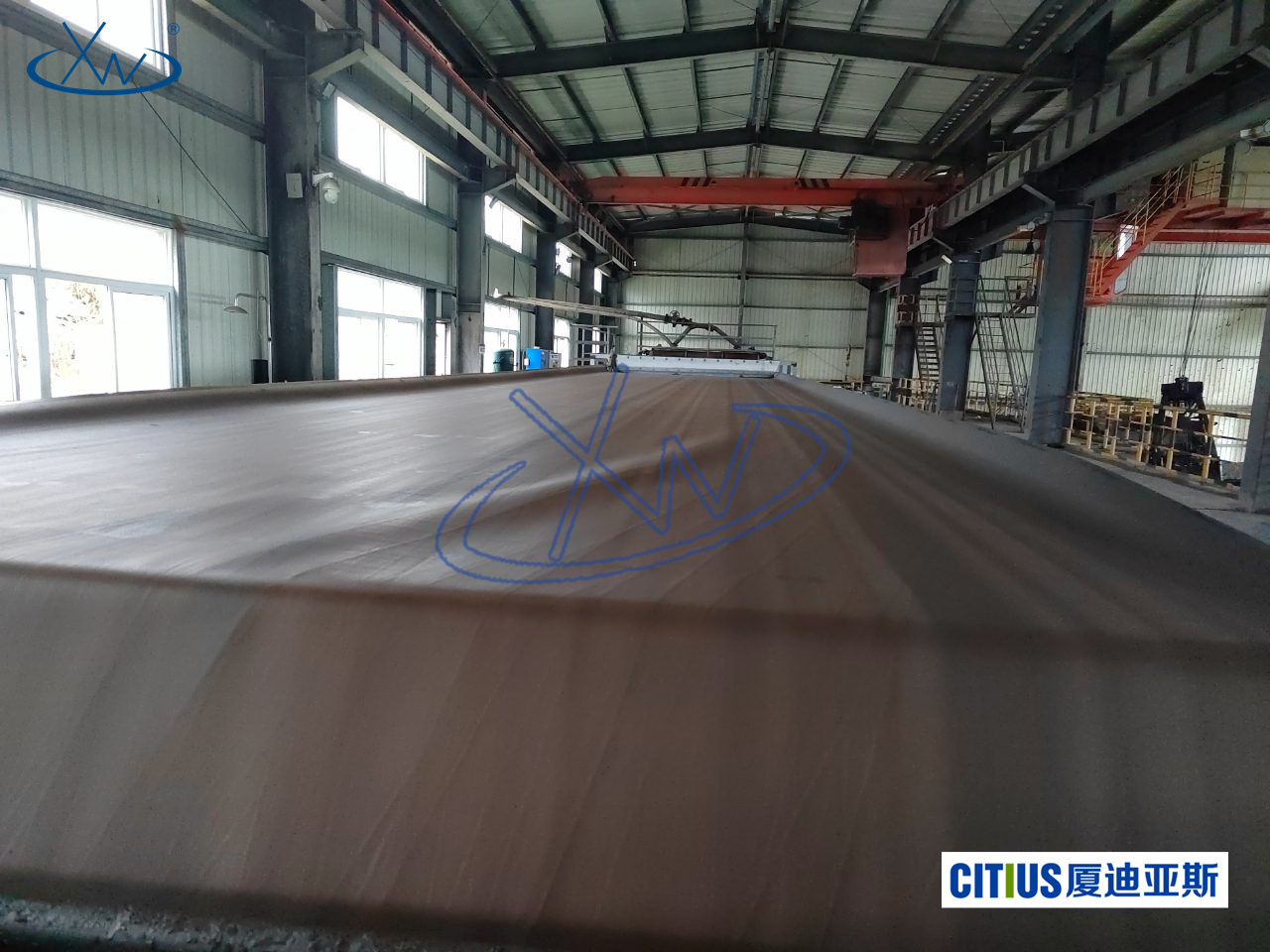
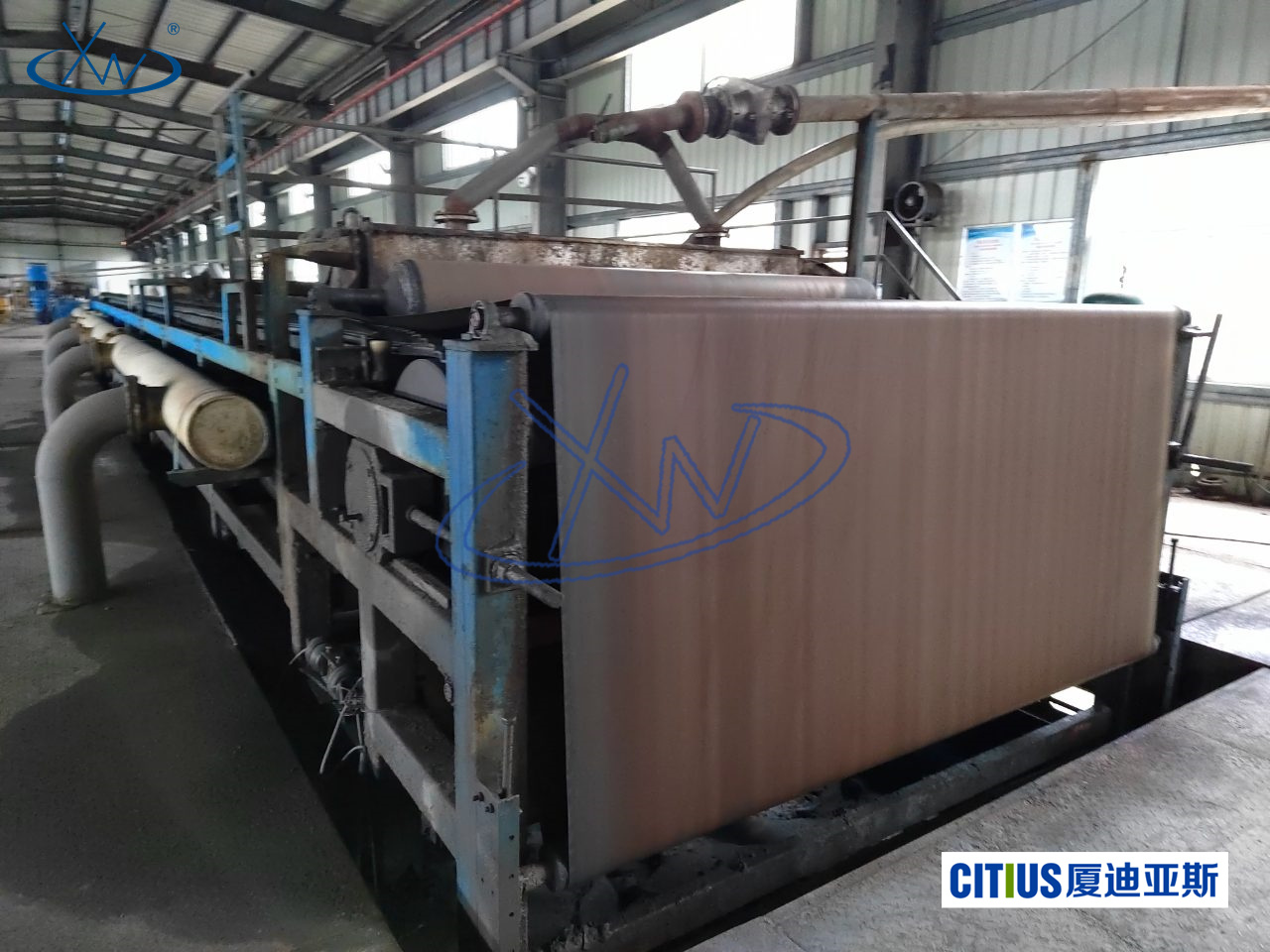
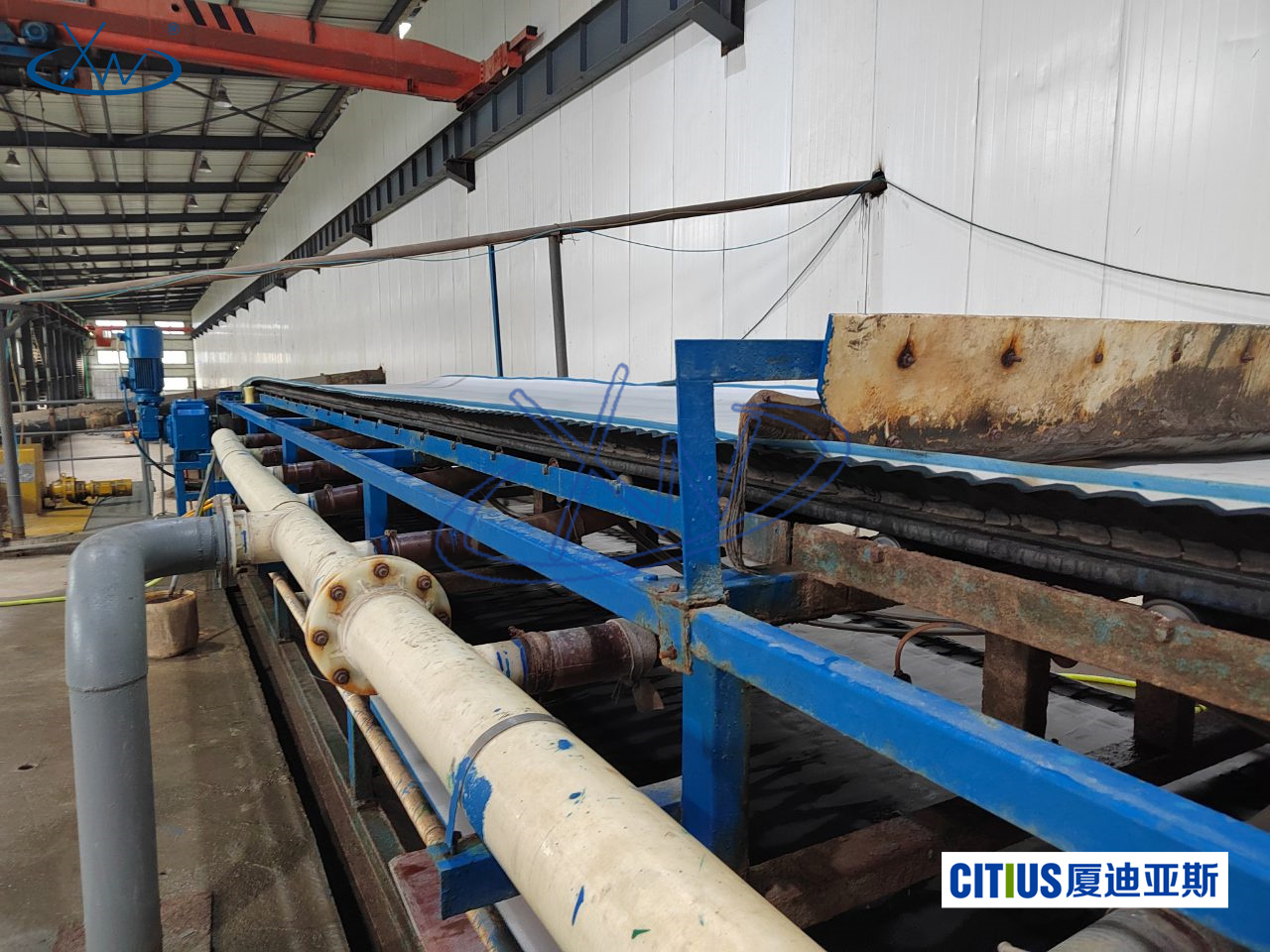
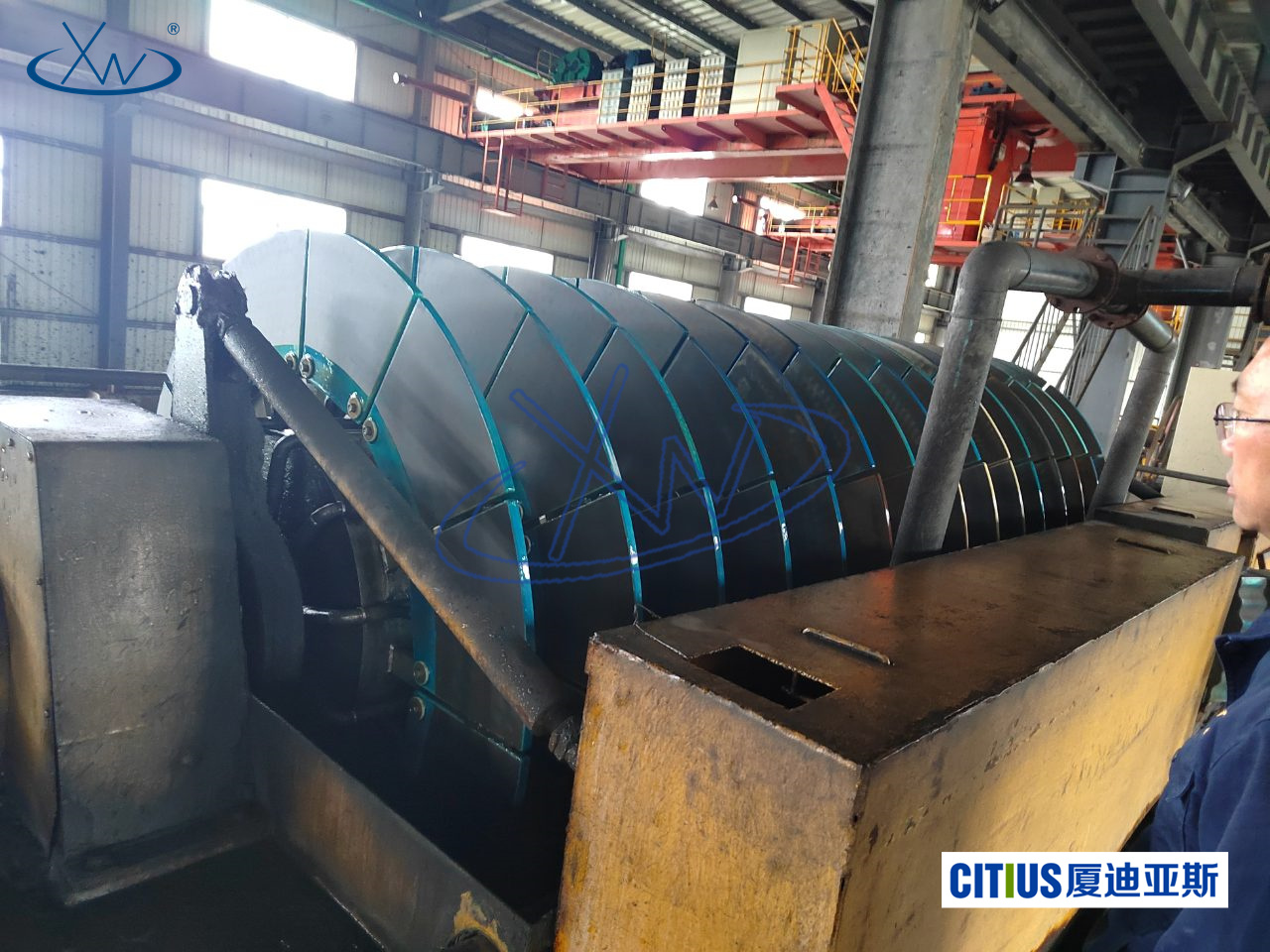
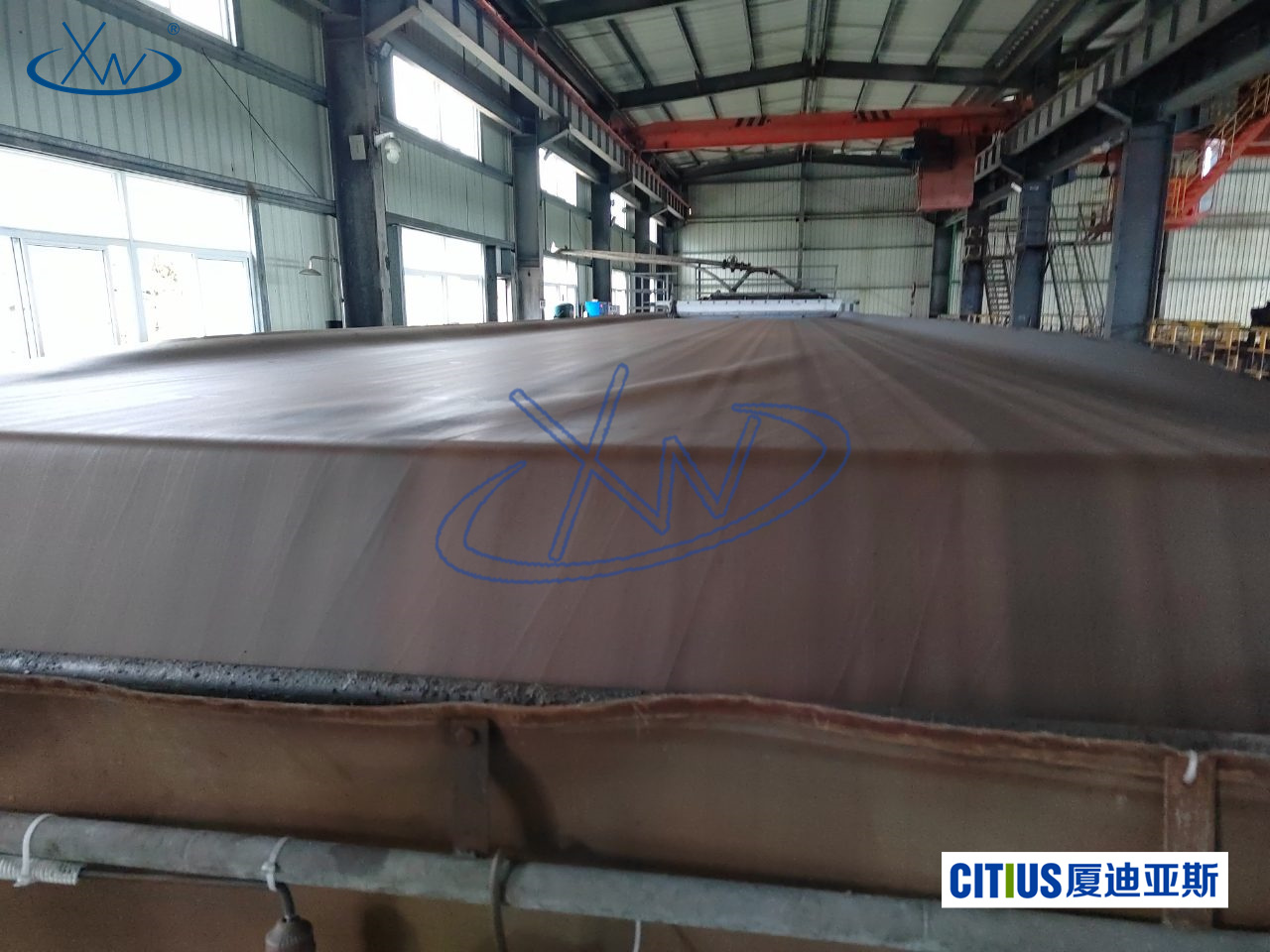
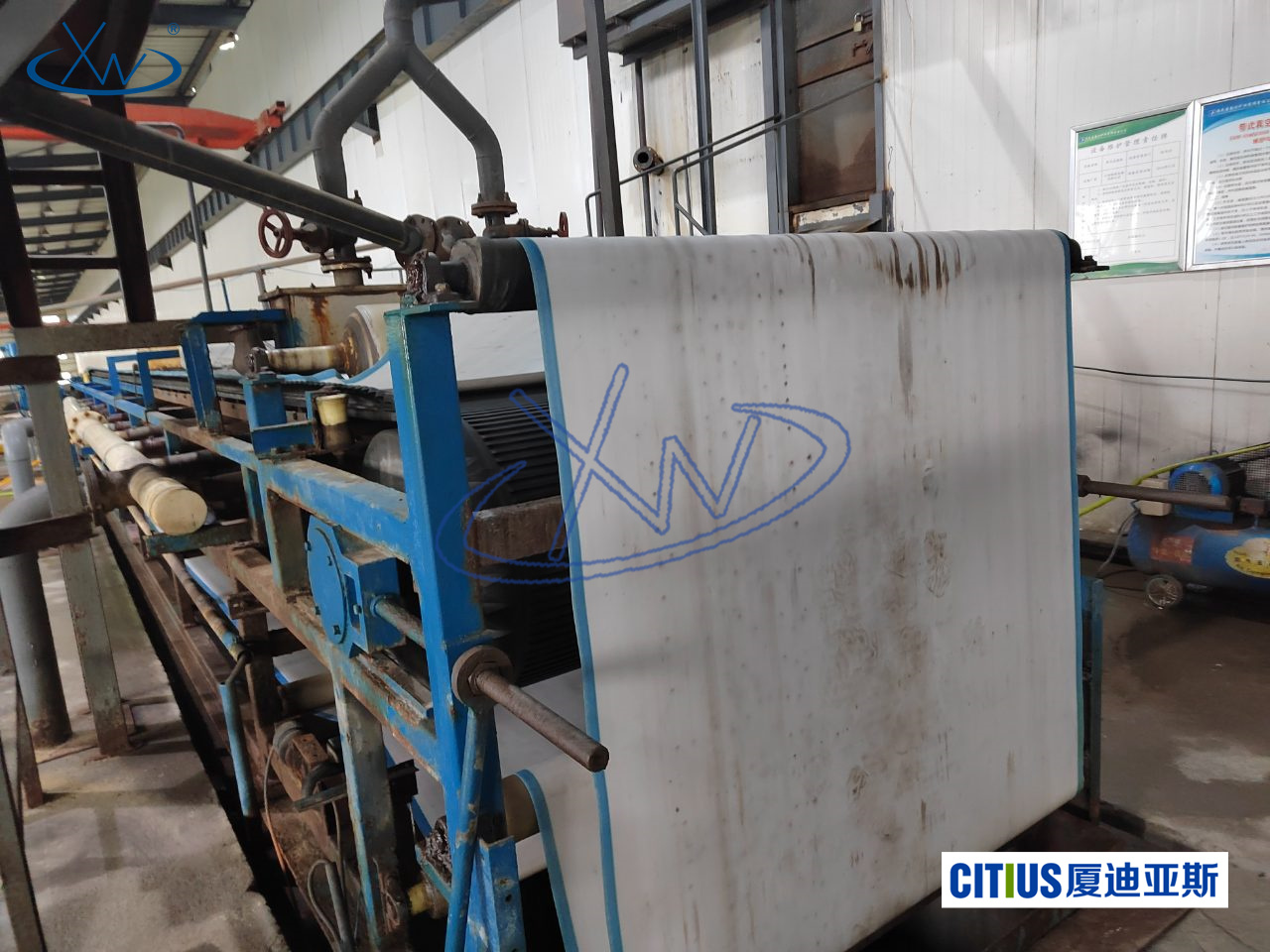
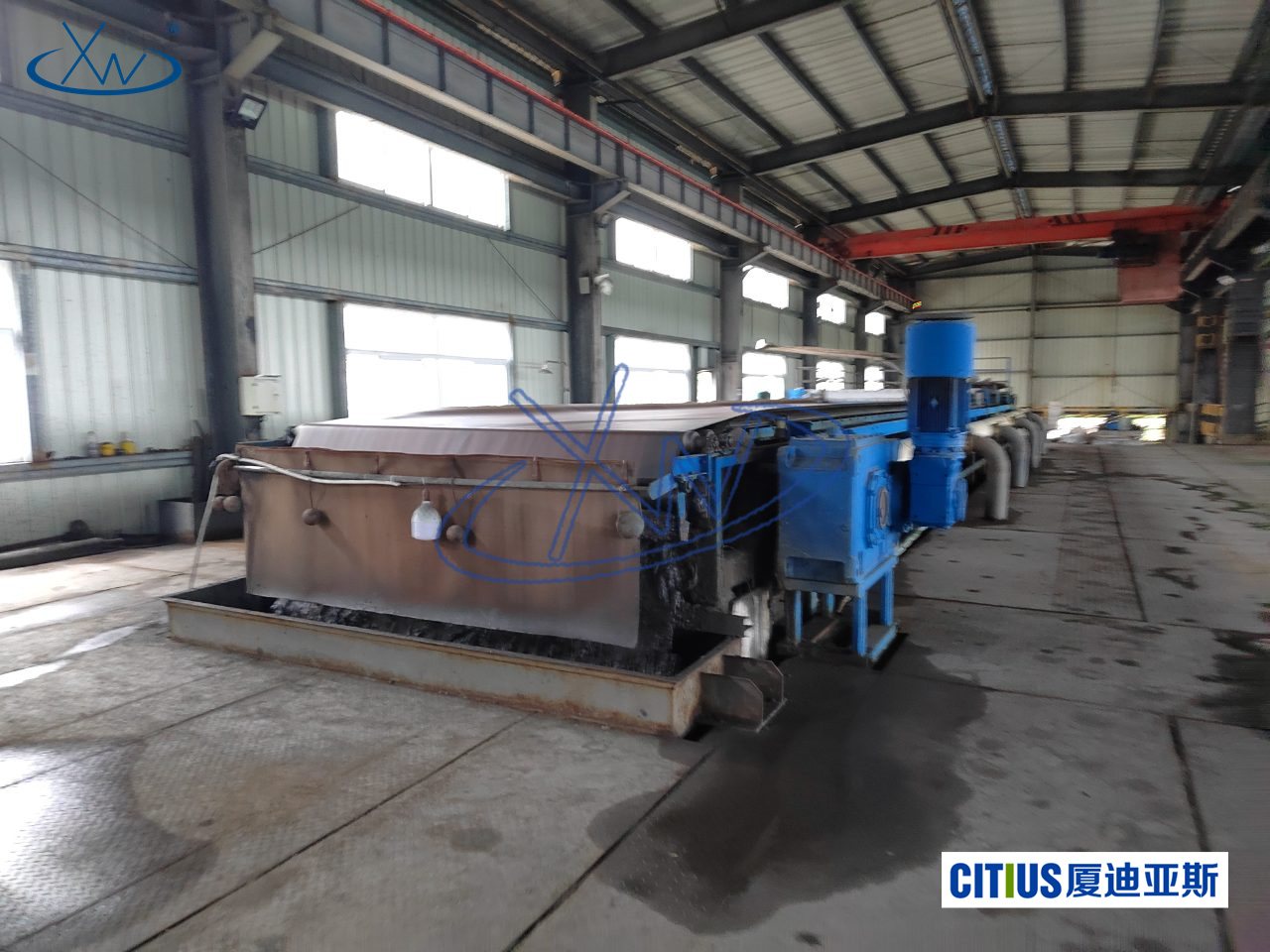
The Key Value of Industrial Filter Cloth in Lead-Zinc Ore Beneficiation and Filtration
—— Efficient Separation Practices with Horizontal Vacuum Belt Filters
In the mineral processing industry, Lead-zinc ore It is regarded as [due to its complex mineral composition, high proportion of fine particles, and strong clay content] “ Difficult to select, difficult to filter ” A typical example. Particularly in the mineral processing stage, achieving efficient dewatering and obtaining high-quality lead-zinc concentrate filter cakes from high-concentration, high-solids slurry systems is a critical step that significantly impacts mining operations' profitability and resource recovery rates.
And in this segment, Horizontal Vacuum Belt Filter Machine Horizontal Vacuum Belt Filter , abbreviated as HVBF ) And high-performance industrial filter cloths Its combination has become an indispensable core solution in the lead-zinc concentrate filtration process.
I. Pain Points in Filtration for Lead-Zinc Ore Beneficiation
Lead-zinc ores are primarily composed of galena ( PbS ), sphalerite ( ZnS ) exist in the form of sulfide ores and are typically separated through processes such as crushing, grinding, and flotation, yielding lead concentrate and zinc concentrate. The characteristics of the pulp after flotation directly determine the complexity of the filtration process:
- Extremely fine particle size, with a large specific surface area : The average particle size is mostly within 5 ~ 20μm Between them, the particles easily form a compact flocculation layer, hindering the passage of the filtrate.
- High solids content with significant concentration fluctuations : The solid content of the concentrate slurry is typically 35% ~ 60% , which places extremely high demands on the vacuum level of the filtration equipment and the air permeability of the filter cloth;
- The mineral slurry has strong surface tension and is prone to foaming. : Foam and oil residue easily lead to filter cloth clogging, making it difficult to dewater the filter cake;
- Sulfur-containing and alkaline flotation reagents : Higher and more stringent requirements are placed on the chemical stability of filter cloths.
Traditional plate-and-frame or ceramic filtration methods often encounter issues when processing lead-zinc concentrates. The filter cake has high moisture content, significant vacuum fluctuations, and frequent filter cloth blockages. These problems lead to limited production cycles and increased energy consumption. and increased filtration costs.
II. Process Advantages of the Horizontal Vacuum Belt Filter Machine
The horizontal vacuum belt filter operates with Continuous operation, segmented washing, and automatic cake discharge These advantages make it widely used in the dewatering of both tailings and concentrates from metal ore beneficiation processes. Its core principle involves using a moving filter belt to support the filter cake; after the mineral slurry is evenly distributed, vacuum filtration forms a filter layer. This is followed by multiple stages—washing, dewatering, and discharge—to achieve continuous separation.
In the lead-zinc concentrate filtration process, HVBF Its advantages are primarily reflected in the following aspects:
- Continuous vacuum filtration : Maintaining a stable filtration rate under high negative pressure conditions, enabling high throughput with low moisture content;
- Filter cake layer is controllable : By adjusting fabric thickness and vacuum level, the optimal dehydration state is achieved;
- Multi-stage washing system : The filter belt can be rinsed in sections, effectively removing residual chemicals and impurities, thereby enhancing the purity of the concentrate.
- The equipment features excellent sealing and operates smoothly. : Reduce secondary pollution and adapt to the humid and hot mining environment;
- Can be linked with the tailings return water system. : Promote water recycling to reduce energy consumption and environmental costs.
This continuous filtration method has gradually become the mainstream choice in large and medium-sized beneficiation plants, particularly in the fields of non-ferrous metal ores such as lead-zinc, copper, molybdenum, and tin ores.
III. The Critical Role of Industrial Filter Cloth in Lead-Zinc Concentrate Filtration
Throughout the entire system, the filter cloth is the most important. “ Separation medium ” , its performance determines the efficiency of the vacuum belt filter and the quality of the filter cake. The unique properties of lead-zinc ore require the filter cloth to possess high mechanical strength, excellent air permeability, and good anti-clogging characteristics.
1. The core requirements for filter cloth
- High air permeability : Maintain sufficient vacuum suction to ensure rapid discharge of the filtrate;
- Good retention performance : Ensure that the concentrate particles do not escape with the filtrate, thereby improving the recovery rate;
- Acid and Alkali Resistance & Chemical Corrosion Resistance : Handling Flotation Reagents and Mineral Slurry pH Change;
- Tensile and Wear-Resistant Properties : The filter cloth must operate continuously under high tension and mineral slurry friction;
- Easy-to-peel and regenerative :The filter cake should fall off smoothly, and the filter cloth should be easy to clean for reuse.
2. Filter efficiency matched with filter cloth structure
Lead-zinc ore pulp contains a large amount of fine-grained sulfides. If the filter cloth's weaving structure is not properly designed, it can lead to blockage of the filtrate channels and increased filtration resistance. Therefore, mining companies often employ Multilayer Composite Filter Cloth Or Single-filament plain-woven filter cloth To improve the stability of the filter layer structure while balancing breathability and strength.
For example, in the concentrate slurry, the solid content can reach as high as 55% Among the operating conditions mentioned above, using single-filament filter cloths with smooth surfaces and uniform pores can effectively reduce the moisture content of the filter cake, while also enhancing cleaning efficiency and extending service life.
Add
No. 16-22 Chunfeng East Road, Xiang'an Torch High tech Zone, Xiamen City, Fujian Province, ChinaAll Rights Reserved. | Privacy Policy |
Tel/ WhatsApp