
-
Filter ClothBelt press filter mesh belt Horizontal belt vacuum filter mesh belt Vertical filter press filter cloth Filter Press Filter Cloth Breathable mesh Technical fabric - drying Technical fabric - high pressure belt Technical fabric - conveyor belt Technical fabric - fiberboard Joint form Edge banding form Accessories (threading)
Search HistoryClear All Records
- All
- Product Management
- News
Belt press filter for sewage treatment plants and municipal sludge dewatering
Share to
Detailed Description
1. Challenges of Municipal Sludge Dewatering
Municipal wastewater treatment plants generate a large amount of surplus sludge during the treatment of wastewater. This sludge has a high moisture content and strong fluidity, making direct disposal difficult. Therefore, effective dewatering processes are needed to separate the solid and liquid components of the sludge, improving the dryness of the sludge cake to reduce subsequent transportation and treatment costs.
2. Belt Press Filter is commonly used for municipal sludge dewatering in wastewater treatment plants. Its working principle and operational steps are as follows:
- Working Principle
Sludge Input: The sludge is pumped into the fabric device of the filter machine and evenly distributed on the filter cloth.
Gravity Dewatering: The sludge undergoes preliminary dewatering on the filter cloth, with moisture being expelled through the filter cloth.
Pressing Dewatering: The filter cloth carries the sludge into the pressing area, where it is further dewatered by rollers.
Filter Cake Separation: The dewatered sludge forms a filter cake, which is separated from the filter cloth by a scraper. The filter cloth is cleaned and reused.
- Operational Steps
Preparation Work:
Check the equipment to ensure the filter cloth is intact and the rollers and scraper are functioning properly.
Start the equipment and run it without load to confirm there are no abnormalities.
Sludge Input:
Start the sludge pump to evenly feed the sludge into the fabric device.
Dewatering Process:
The sludge first undergoes gravity dewatering, with moisture expelled through the filter cloth.
It then enters the pressing area, where rollers further dewater it.
Filter Cake Separation:
The dewatered sludge forms a filter cake, which is separated by a scraper.
The filter cloth is cleaned and reused.
Equipment Cleaning and Maintenance:
Clean the filter cloth and rollers after shutdown to prevent clogging.
Regularly check the filter cloth, rollers, and scraper, and replace worn parts in a timely manner.
- Precautions
Sludge Properties: The concentration and viscosity of the sludge affect the dewatering effect, and equipment parameters need to be adjusted according to actual conditions.
Filter Cloth Selection: The material and pore size of the filter cloth should be selected based on the characteristics of the sludge to ensure dewatering effectiveness and filter cloth lifespan.
Equipment Maintenance: Regular maintenance of the equipment is necessary to ensure normal operation and extend its service life.
- Advantages
Efficient Dewatering: Continuous operation, large processing capacity, and good dewatering effect.
High Degree of Automation: Automated operation reduces manual intervention.
Strong Adaptability: Suitable for various types of sludge and widely applicable.
The belt press filter has advantages such as efficiency and automation in municipal sludge dewatering, making it an important piece of equipment in wastewater treatment plants.
3. Selection and Characteristics of Filter Cloth
The filter cloth provided by Xiamen Citius for the belt press filter is specifically designed for municipal sludge dewatering processes and has the following characteristics:
- High Strength Material: Made of high-strength polyester monofilament or double-layer composite woven structure, resistant to stretching and tearing, ensuring long-term stable operation.
- Excellent Permeability: Reasonable pore structure design allows for rapid drainage while effectively retaining solid particles, enhancing the dryness of the sludge cake.
- Good Anti-Clogging Performance: Smooth surface, not easily adhered to sludge, reducing cleaning frequency and improving work efficiency.
- Chemical Corrosion Resistance: Excellent acid and alkali resistance, suitable for different water quality environments in municipal wastewater treatment.
4. Application Effects and Advantages
- Improved Dewatering Efficiency: When used with the belt press filter, it can significantly reduce the moisture content of the sludge and increase the solid content of the sludge cake, reducing transportation and disposal costs.
- Extended Filter Cloth Lifespan: Xiamen Citius filter cloth uses high-quality materials and advanced weaving technology, ensuring strong durability, reducing replacement frequency, and saving operating costs.
- Compatible with Different Sludge Types: Customized filter cloth solutions can be provided based on sludge composition, treatment processes, and equipment characteristics to ensure optimal filtration effects.
5. Conclusion
In the sludge dewatering process of municipal wastewater treatment plants, the selection of filter cloth for the belt press filter is crucial. Xiamen Citius, with its rich industry experience and technological innovation, provides high-performance filter cloth products to assist in efficient sludge dewatering and improve the overall operational efficiency of wastewater treatment plants. For more information or to customize filter cloth solutions, please feel free to contact us.
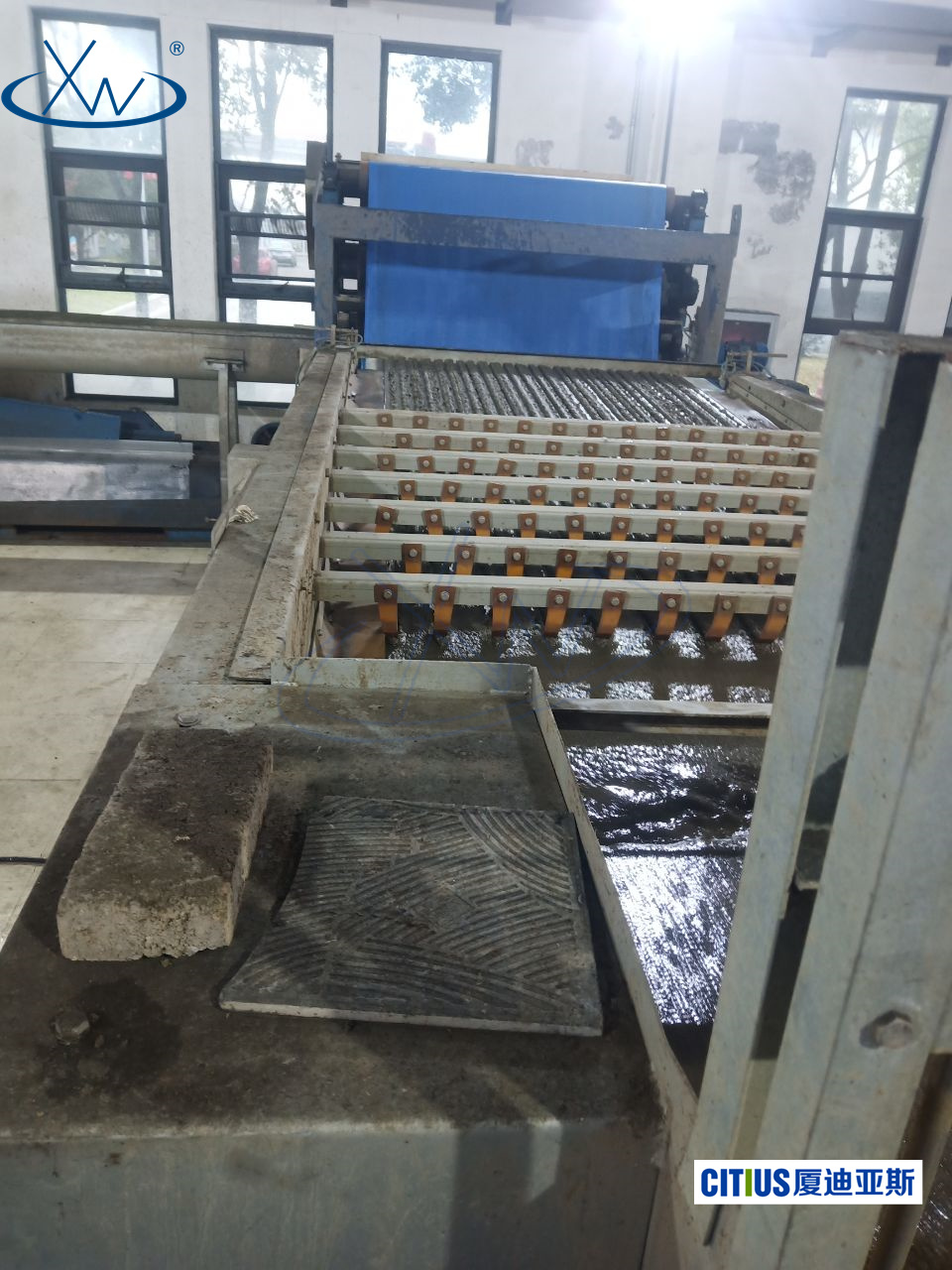
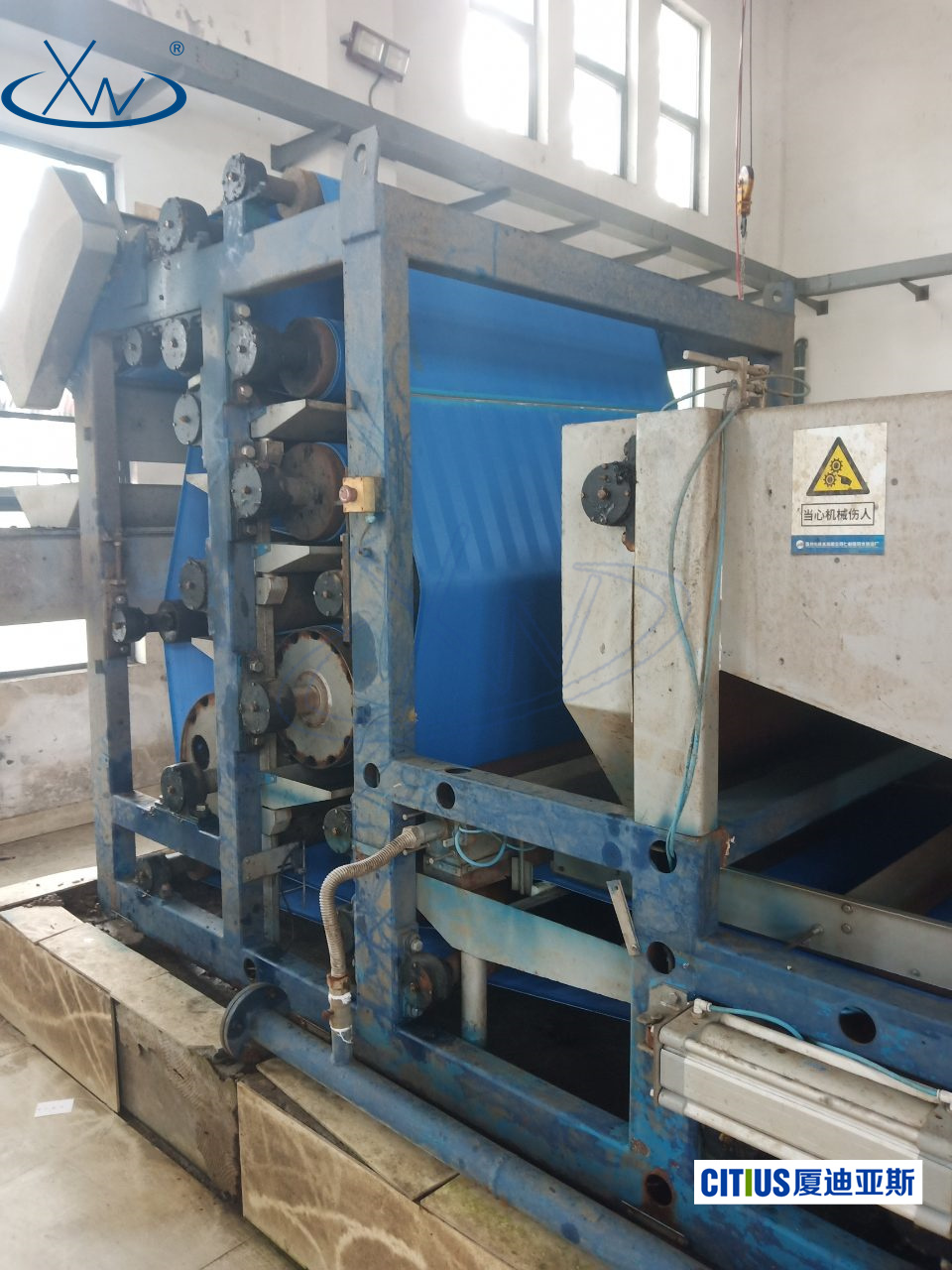
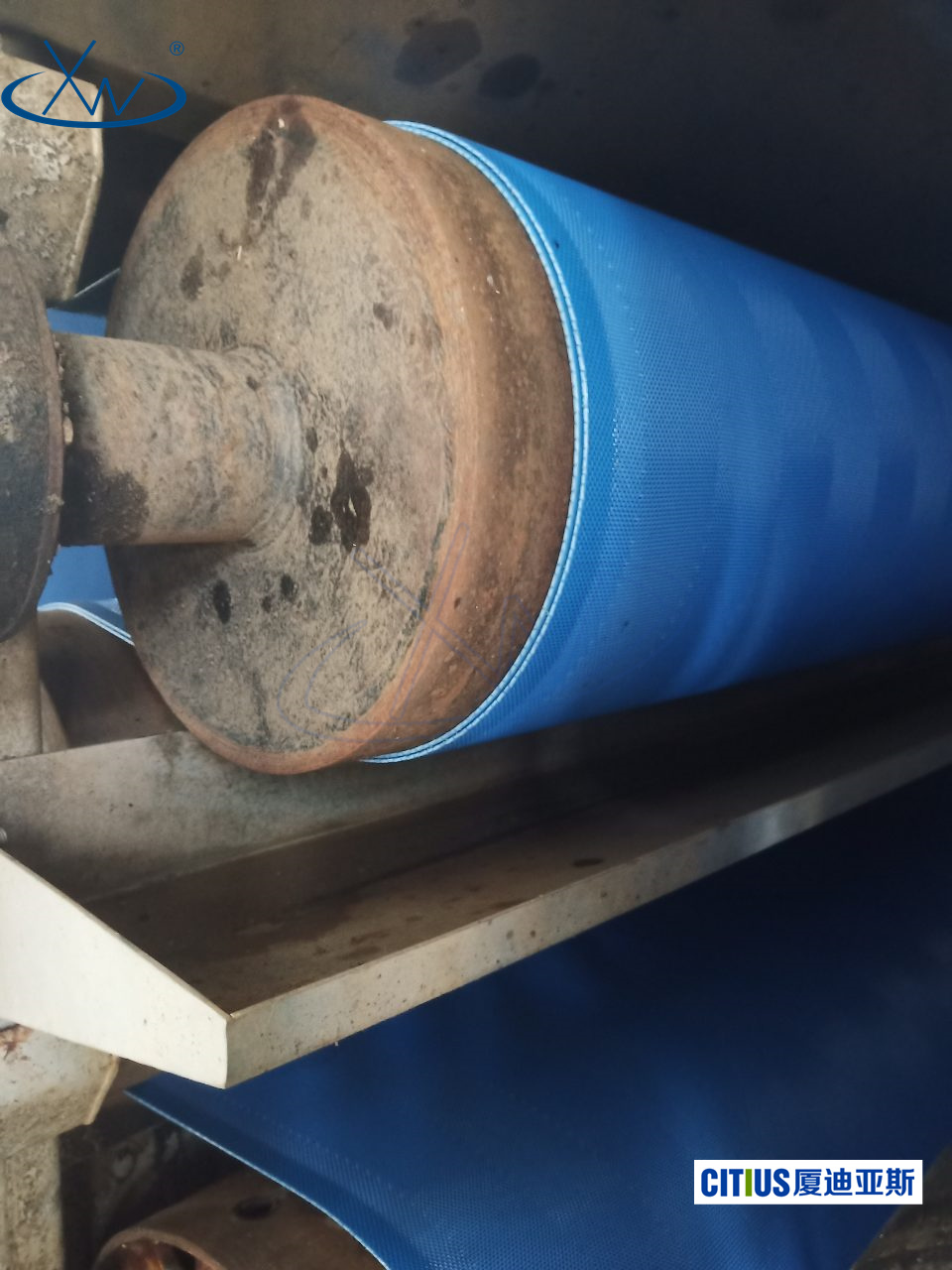
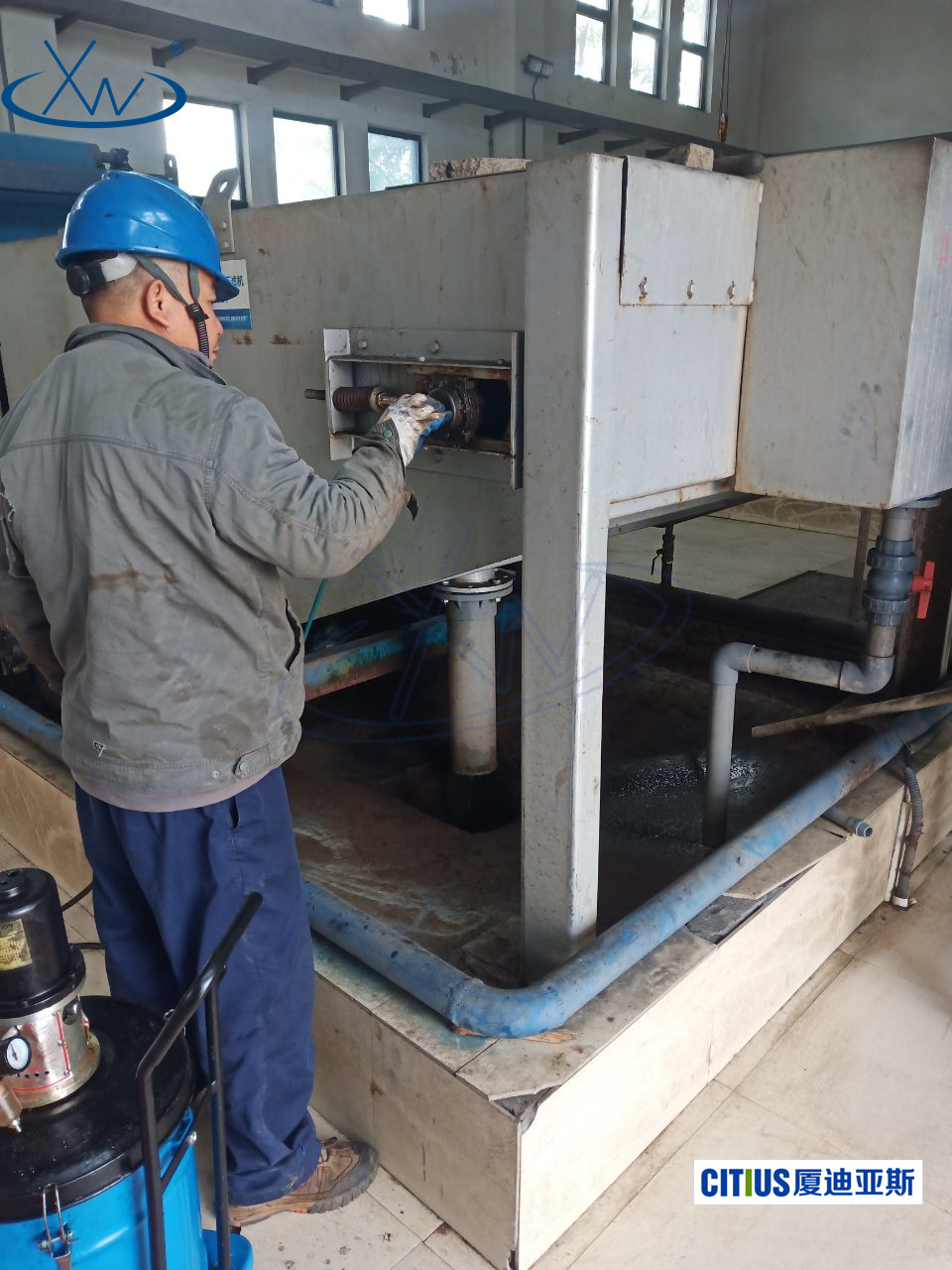
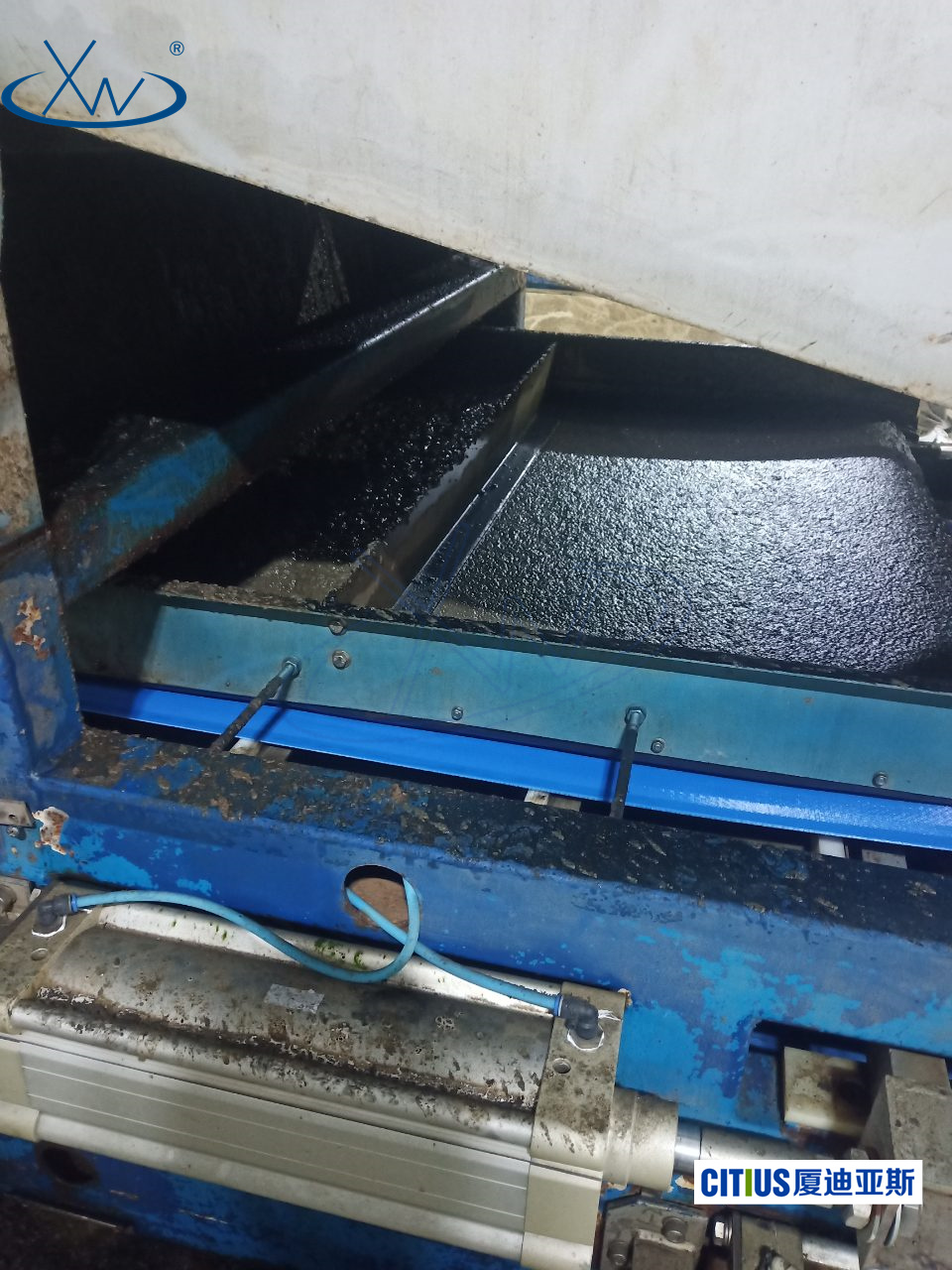
- Belt Press Filter Cloth Wastewater Treatment Plant Municipal Sludge Dewatering
Filter Machine Type: Belt Press Filter
Application Industry: Wastewater Treatment Plant
Material Description: Municipal Sludge
Xiamen Citius Filter Cloth Model: 011, 005 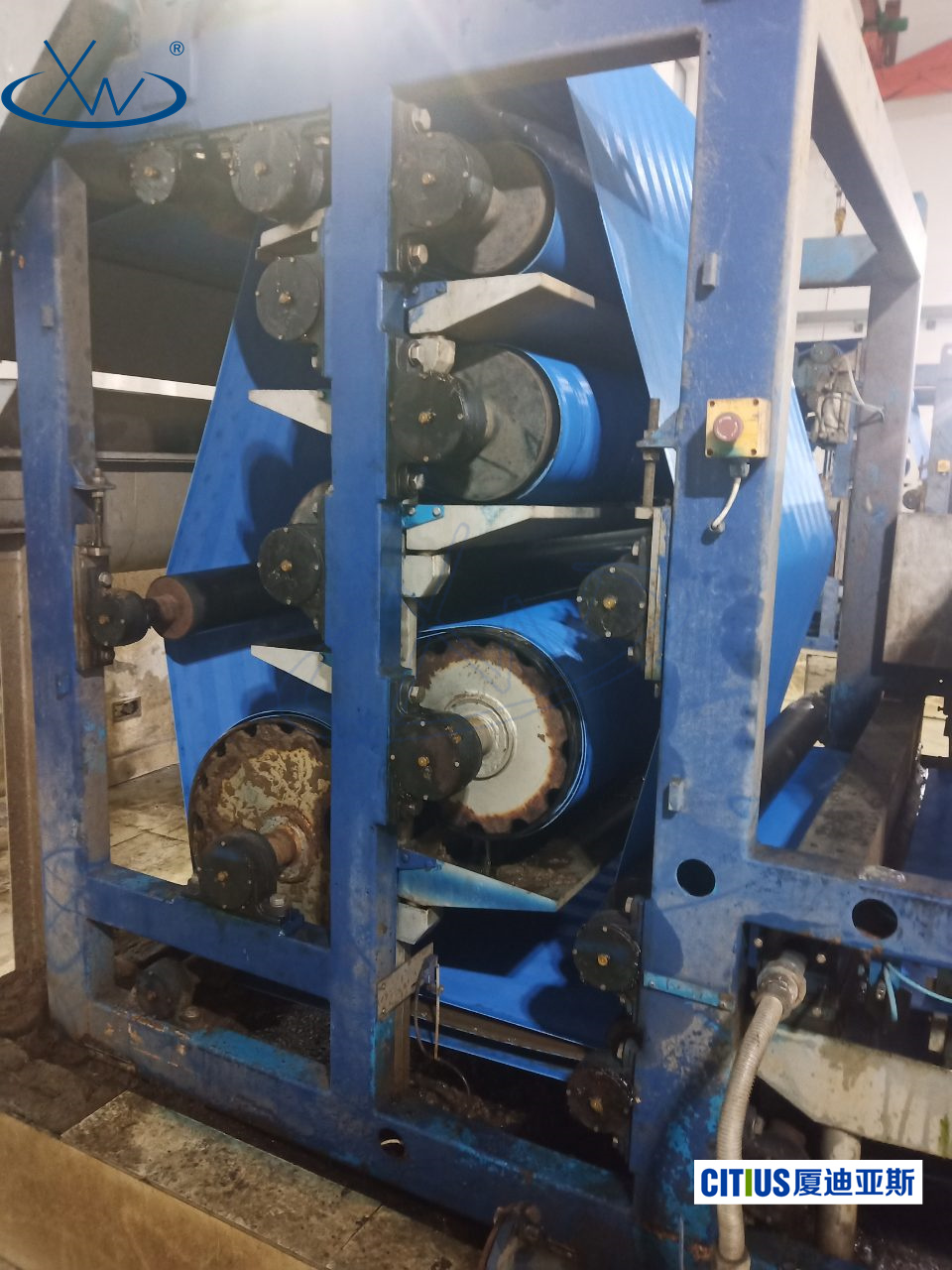
Add
No. 16-22 Chunfeng East Road, Xiang'an Torch High tech Zone, Xiamen City, Fujian Province, ChinaAll Rights Reserved. | Privacy Policy |
Tel/ WhatsApp