
-
Filter ClothBelt press filter mesh belt Horizontal belt vacuum filter mesh belt Vertical filter press filter cloth Filter Press Filter Cloth Breathable mesh Technical fabric - drying Technical fabric - high pressure belt Technical fabric - conveyor belt Technical fabric - fiberboard Joint form Edge banding form Accessories (threading)
Search HistoryClear All Records
- All
- Product Management
- News
Industrial filter cloth, belt press filtration machine, sugar production, secondary pressing of corn cobs
Share to
Detailed Description
Industrial filter cloth, belt press filtration machine, sugar production, secondary pressing of corn cobs
Filter machine type: Belt press filter
Application Industry: Sugar Production
Processing Material Description: Second Pressing of Corn Cobs 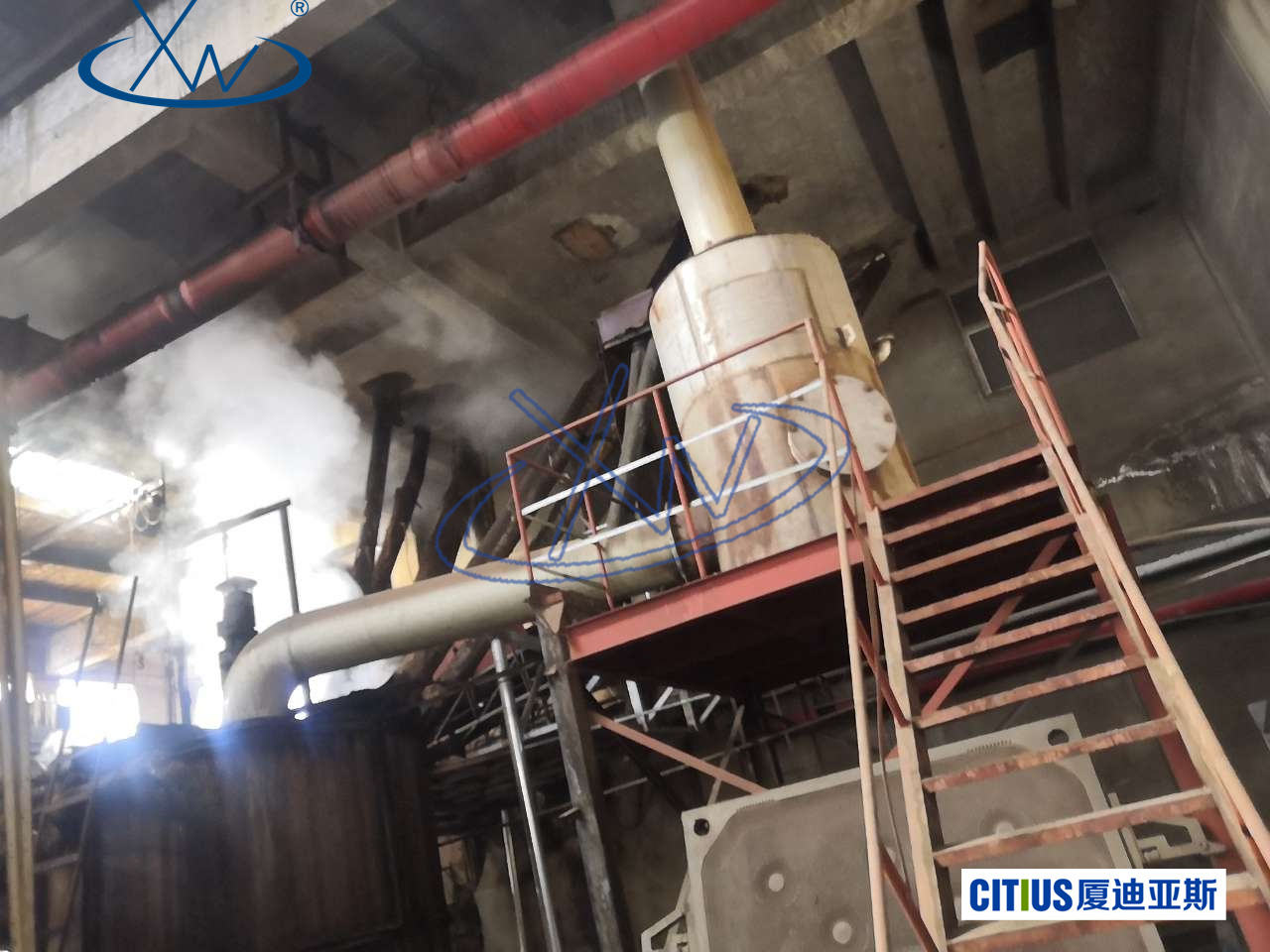
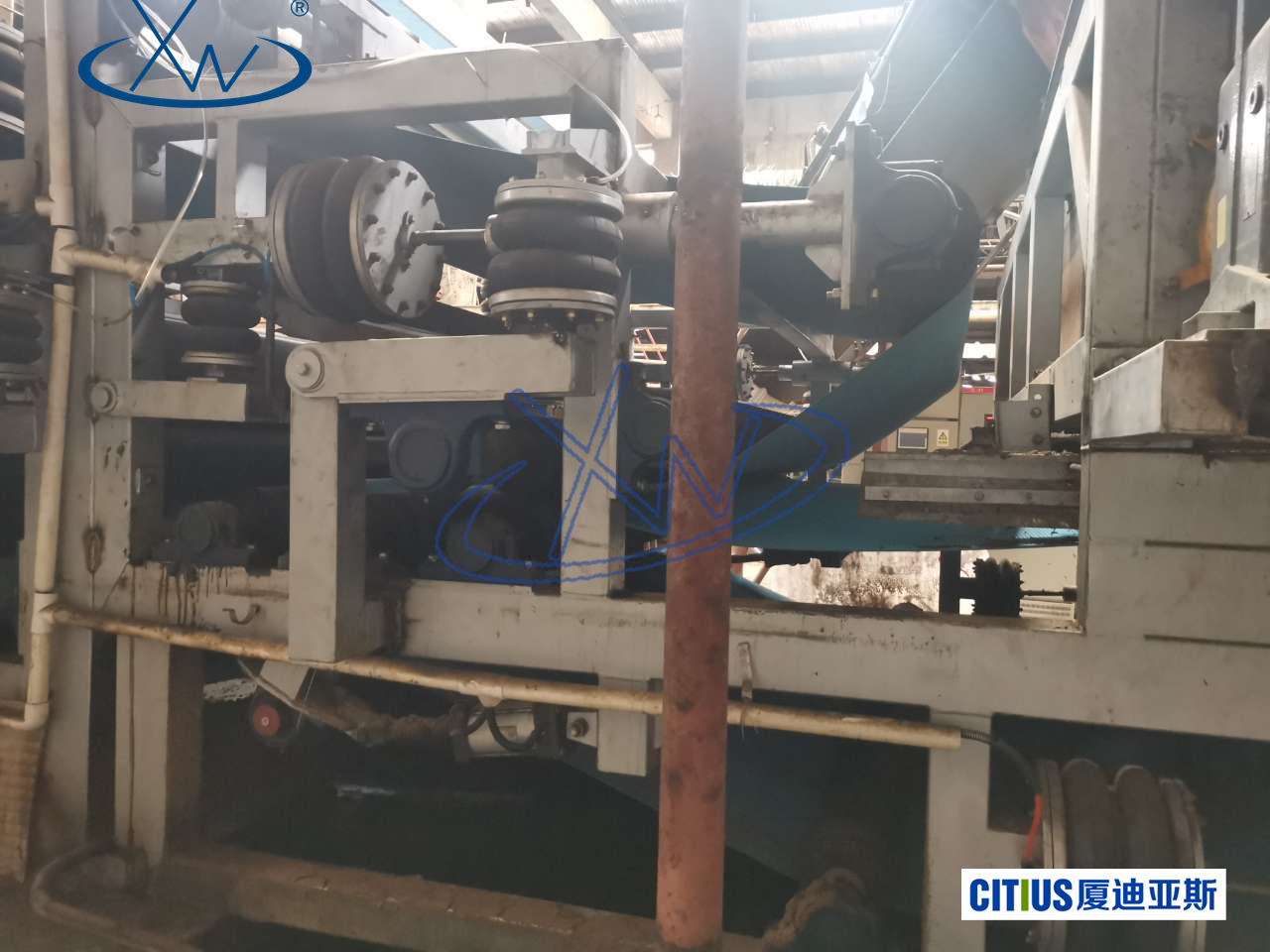
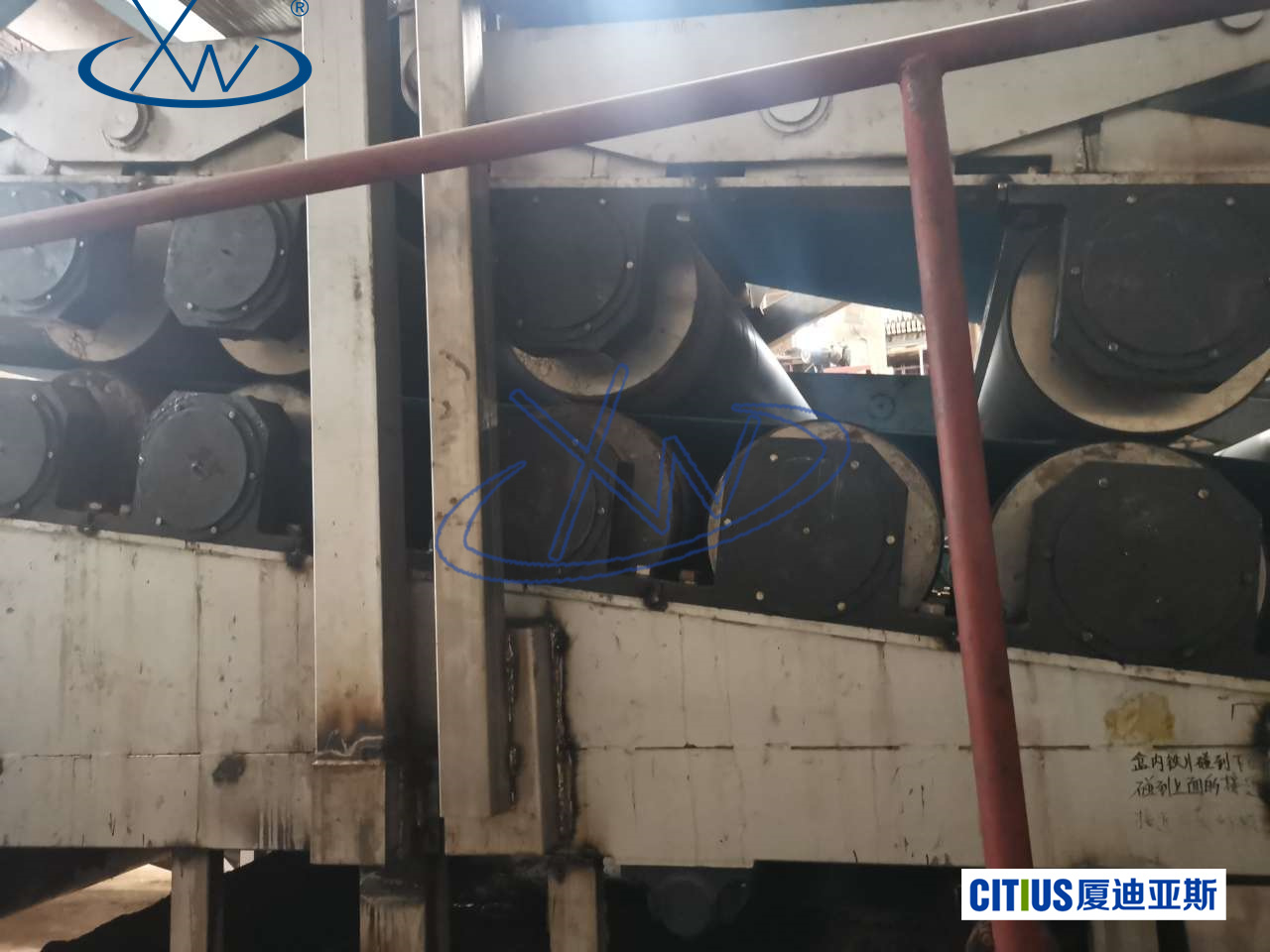
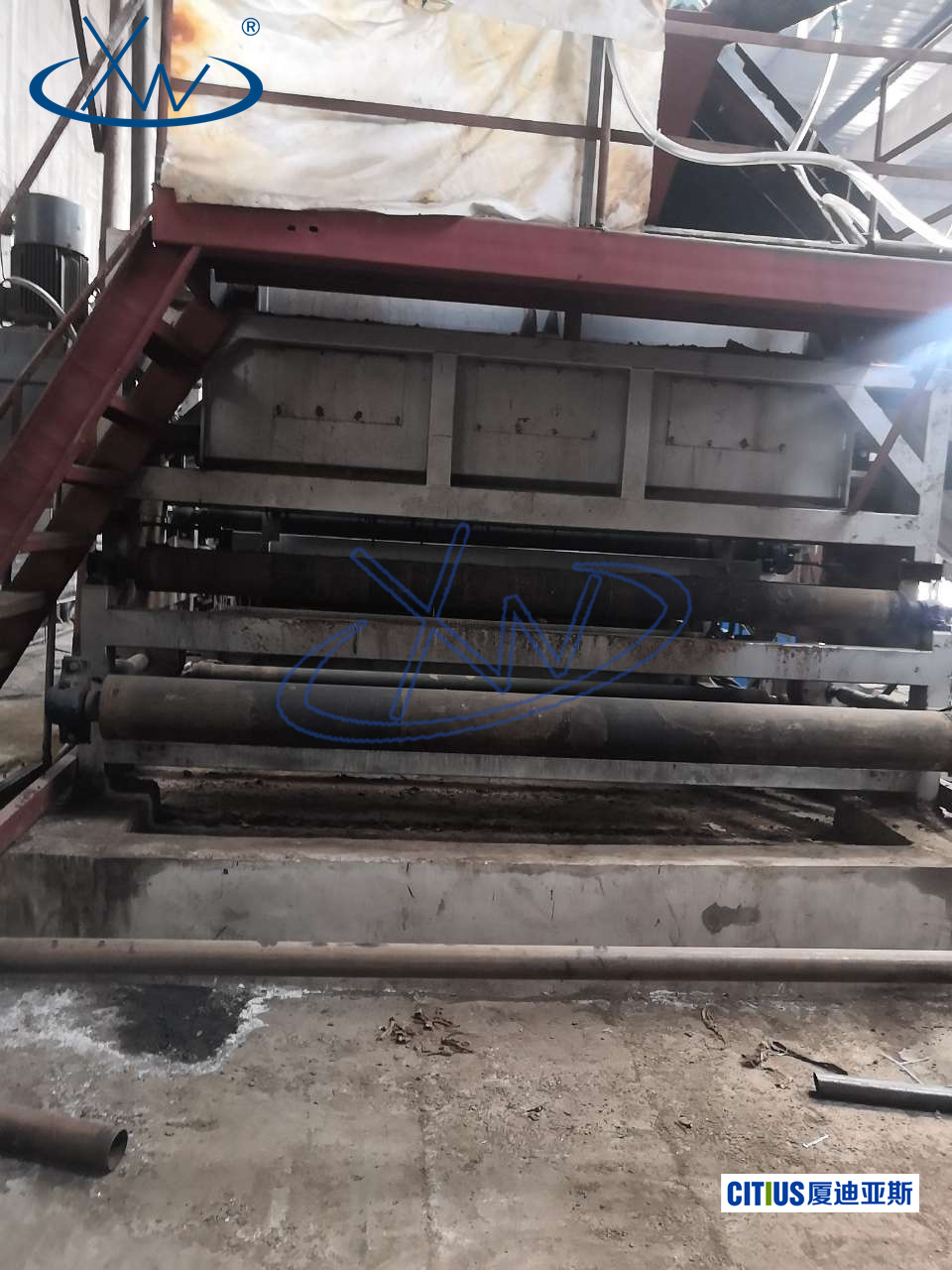
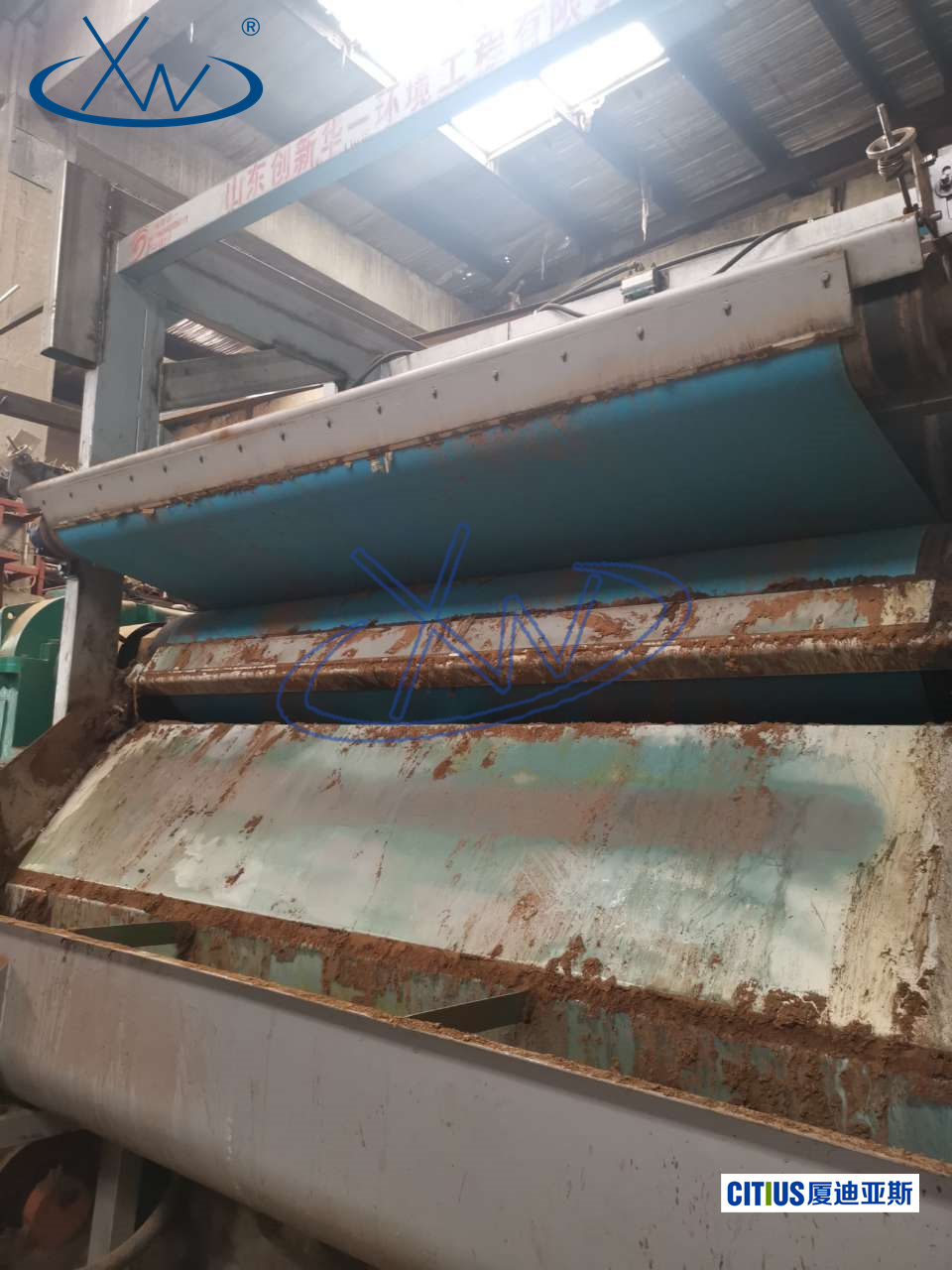
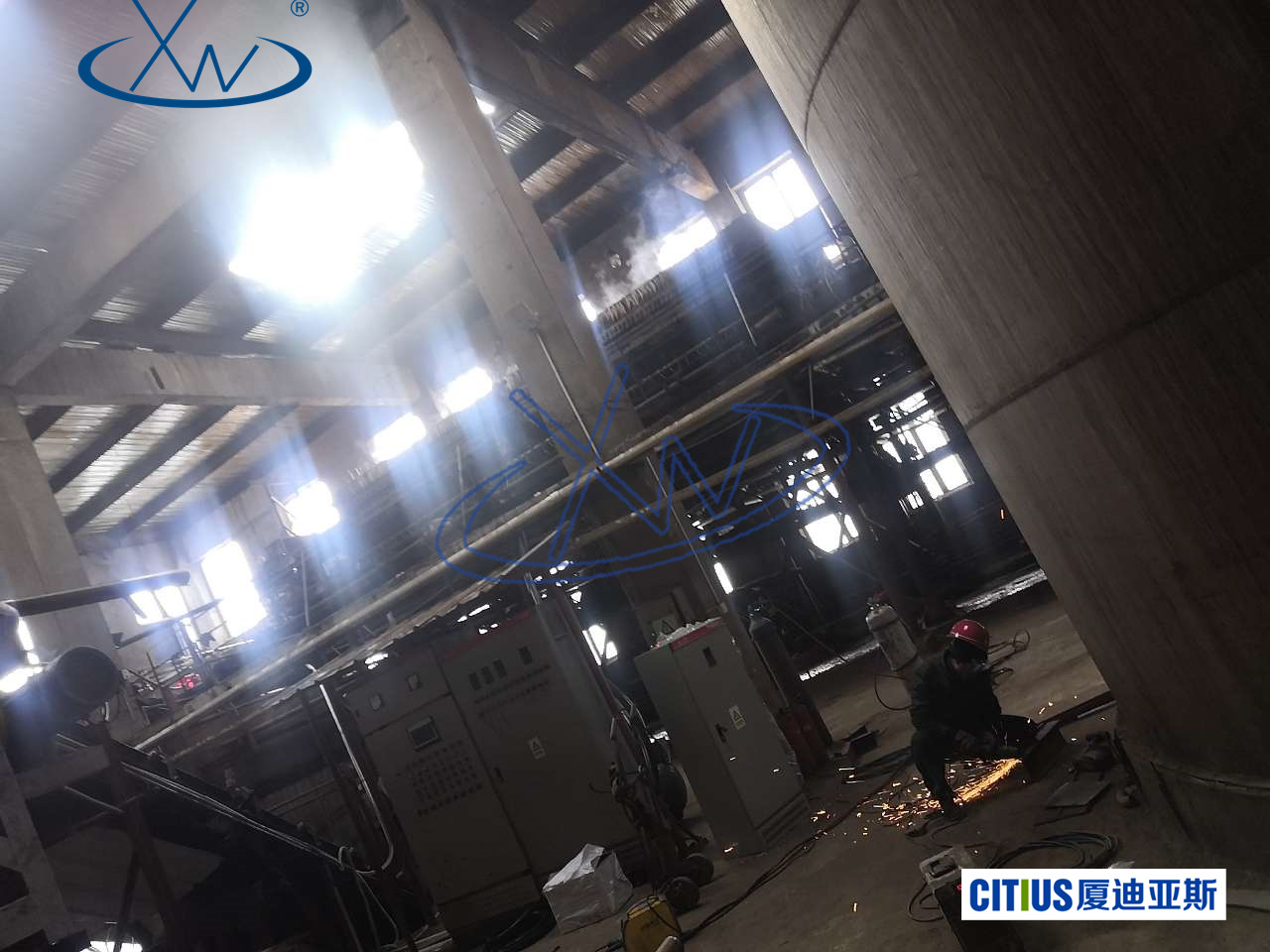
Efficient Application of Industrial Filter Cloth in the Secondary Pressing of Corn Cobs in the Sugar Industry
In the sugar industry, every step of solid-liquid separation directly affects the yield and purity of the sugar product. Whether extracting sugar from sugarcane, beetroot, or corn cobs, the pressing, washing, and filtration processes tailored to each raw material determine the efficiency of sugar liquid extraction. Moreover, as integrated utilization and environmental protection requirements continue to rise, The secondary pressing stage of sugar production from corn cobs It is gradually becoming a crucial process for improving sugar yield and reducing losses.
In this process, Belt Press Filter and Industrial Filter Cloth Matching and performance optimization directly determine the efficiency and cost-effectiveness of the filtering system.
I. Process Background of Corn Cob Sugar Production and Secondary Pressing
Corn cobs contain significant amounts of hemicellulose, lignin, and soluble sugars, which can be converted into important sugar intermediates such as xylose and arabinose through acid hydrolysis or enzymatic degradation.
After the initial pressing or filtering, the remaining sugar liquid still remains trapped in the wet residue; if discharged directly, it would lead to wasted sugar and COD Rising, therefore factories typically increase Secondary Pressing and Dewatering Stage , to further extract the sugar liquid and reduce the moisture content.
The corn cob filter residue has a fibrous structure, with a loose texture but high胶content, making it prone to clogging the filter cloth during pressing.
Traditional screw presses or plate-and-frame filter presses often encounter the following issues when handling this type of material:
- The filtrate is cloudy and has a high solids content;
- The filter cake has uneven thickness and a relatively high moisture content;
- Issues such as frequent filter cloth cleaning and short lifespan.
Therefore, belt press filter machine ( Belt Filter Press ) has become an important alternative equipment for sugar mills during the secondary pressing stage.
II. Working Principle and Advantages of Belt Press Filters
The belt press filter combines three stages—gravity dewatering, wedge-zone pre-compression, and high-pressure squeezing—to provide a gentler and more continuous filtration process for corn cob pulp.
- Gravity Dewatering Zone : The slurry is evenly spread onto the filter belt, allowing free water to be removed initially by gravity, thus preventing the filter cloth from becoming clogged during the early stages of pressing.
- Wedge-shaped Pre-compression Zone : The upper and lower filter cloths gradually converge, with flexible pressure applied via the roller, causing the fiber structure to redistribute and facilitating subsequent dewatering.
- High-pressure Squeezing Zone :The filter cake is repeatedly squeezed between multiple pressure rollers, achieving deep dewatering under continuous tension.
This structure is suitable for the characteristics of corn cob pulp. —— High in fiber, tightly bound with moisture, and requires gradual, step-by-step dehydration. 。
Compared to traditional filter presses, belt press machines offer the following advantages in the sugar industry:
- Continuous operation, high degree of automation;
- Low energy consumption and high processing capacity per unit;
- The filtrate is clear, and the sugar solution recovery rate is high;
- The filter cloth operates smoothly, and its tension is adjustable;
- The cleaning system is well-designed, resulting in low maintenance costs.
III. The Critical Role of Industrial Filter Cloth in the Secondary Pressing of Corn Cobs
Filter cloth as a component of the belt press filter machine “ Core Medium ” , which determines the flux of the filtration system, the dewatering rate, and the filter cake quality.
Given the characteristics of the secondary pressing of corn cobs, the filter cloth must meet the following technical requirements:
- High dehydration efficiency with excellent breathability
Corn cob pulp has high viscosity and contains many fine particles, requiring the filter cloth to have moderate porosity and air permeability—ensuring smooth drainage of the filtrate while preventing the sugar liquid from being entrained. - Anti-caking fabric with easy-to-clean performance
Corn cob residue has a high sugar content, making it prone to forming adhesive layers. The filter cloth should feature a smooth woven structure or an anti-clogging design, and when used with a high-pressure water cleaning system, it can maintain long-term permeability. - Dimensional stability and anti-stretch properties
Under the high-tension operation conditions of a belt press with multiple rollers, the filter cloth must exhibit excellent dimensional stability to prevent deviation and wrinkling. - Food-grade safety and chemical resistance
During the filtration process, when in contact with sugar liquid and a small amount of acidic solution, the filter cloth must meet food-processing safety requirements and possess acid-alkali resistance as well as hydrolysis-resistant properties.
Citiusas CITIUS ) The belt-type filter cloth mesh used in sugar industry配套 equipment features high hydrolysis-resistant fibers and specialized surface treatment technology, ensuring long operational life and stable filtration performance. It is suitable for secondary pressing processes of various sugar materials, including corn cobs, bagasse, and beet pulp.
IV. System Application Optimization and Energy-Saving Practices
In actual operation, the filter cloth and the equipment do not work in isolation—they are integrated into a dynamic filtration system along with slurry conditioning, tension control, rinsing systems, and more.
Optimization strategies include:
- Slurry Conditioning and Pre-Concentration
Moderate dilution or flocculation of the corn cob slurry can improve the filter layer structure and reduce clogging; meanwhile, control the feed concentration within 8 ~ 12% The range effect works best. - Tension and Speed Control
Properly adjusting the speed difference and tension between the upper and lower filter belts ensures a smooth pressure gradient in the pressing zone, thereby enhancing dewatering efficiency while extending the lifespan of the filter cloth. - Online Flushing and Backflushing Technology
Utilizing high-pressure spraying + The directional backflush system periodically cleans the surface of the filter cloth to prevent sugar residue from depositing and hardening. - Filter cloth surface coating technology
For high-sugar, high-viscosity materials, anti-stick filter cloth surface treatment or a double-layered structural design can be selected to achieve higher filtrate clarity and lower residual sugar rates.
The optimized system can achieve:
- The filtrate shows an increased sugar concentration. 2 ~ 3%;
- The moisture content of the filter cake is reduced to 40% The following;
- Filter cloth service life extended 30% The above;
- Overall energy consumption reduced 10 ~ 15%。
V. Development Trends in Filtration Equipment for the Sugar Industry
As energy conservation, smart technologies, and clean production advance, sugar mills are seeing their requirements for filtration equipment evolve:
- Intelligent Control and Online Monitoring
In the future, belt presses will integrate modules such as pressure sensing, filtrate turbidity monitoring, and filter cloth misalignment detection, enabling automated operation and proactive maintenance alerts. - Nanometer Filtration and Graded Dewatering Technology
For fine suspended solids and colloidal particles in sugar solutions, higher separation accuracy can be achieved through a novel micro-nano filtration membrane or a multi-stage belt dewatering system. - Modular Design with Multi-Material Compatibility
The trend toward multi-purpose machinery is evident—equipment can be adapted to various plant-residue filtration tasks, such as corn cobs, cassava pulp, and bagasse, simply by replacing the filter cloth or adjusting the tension.
Citius is currently working on the belt press and its filter cloth system, actively pursuing “ Efficient separation, energy-saving operation, intelligent control ” To drive R&D efforts and provide reliable solutions for the comprehensive utilization of resources in the sugar industry.
VI. Conclusion
The secondary pressing and filtration of corn cob sugar production is an indispensable step in modern sugar-making processes.
It not only determines the sugar liquid recovery rate but also reflects the company's commitment to energy efficiency and environmental sustainability.
In this segment, Synergistic Optimization of Industrial Filter Cloth and Belt Press Filtration Systems is becoming the key to boosting economic efficiency.
Choosing the right filter cloth structure, optimizing system parameters, and integrating intelligent operation will enable the sugar factory to “ Use more sugar, consume less energy. ” Achieve sustainable production under the goal.
Xiamen Xedia Filter Materials Technology Co., Ltd. will continue to focus on 30 With years of industry experience, we provide professional filtration solutions and customized services for the sugar-making and biomass utilization sectors, helping more companies achieve a clean and efficient production future.
Add
No. 16-22 Chunfeng East Road, Xiang'an Torch High tech Zone, Xiamen City, Fujian Province, ChinaAll Rights Reserved. | Privacy Policy |
Tel/ WhatsApp