
-
Filter ClothBelt press filter mesh belt Horizontal belt vacuum filter mesh belt Vertical filter press filter cloth Filter Press Filter Cloth Breathable mesh Technical fabric - drying Technical fabric - high pressure belt Technical fabric - conveyor belt Technical fabric - fiberboard Joint form Edge banding form Accessories (threading)
Search HistoryClear All Records
- All
- Product Management
- News
Polyester Spiral Mesh | Belt Press Filter Machine | Sand Washing Treatment
Share to
Detailed Description
Polyester Spiral Mesh | Belt Press Filter Machine | Sand Washing Treatment
Filter machine type: Belt press filter
Application Industry: Sand Washing
Handling Material Description: Washed Sand Processing
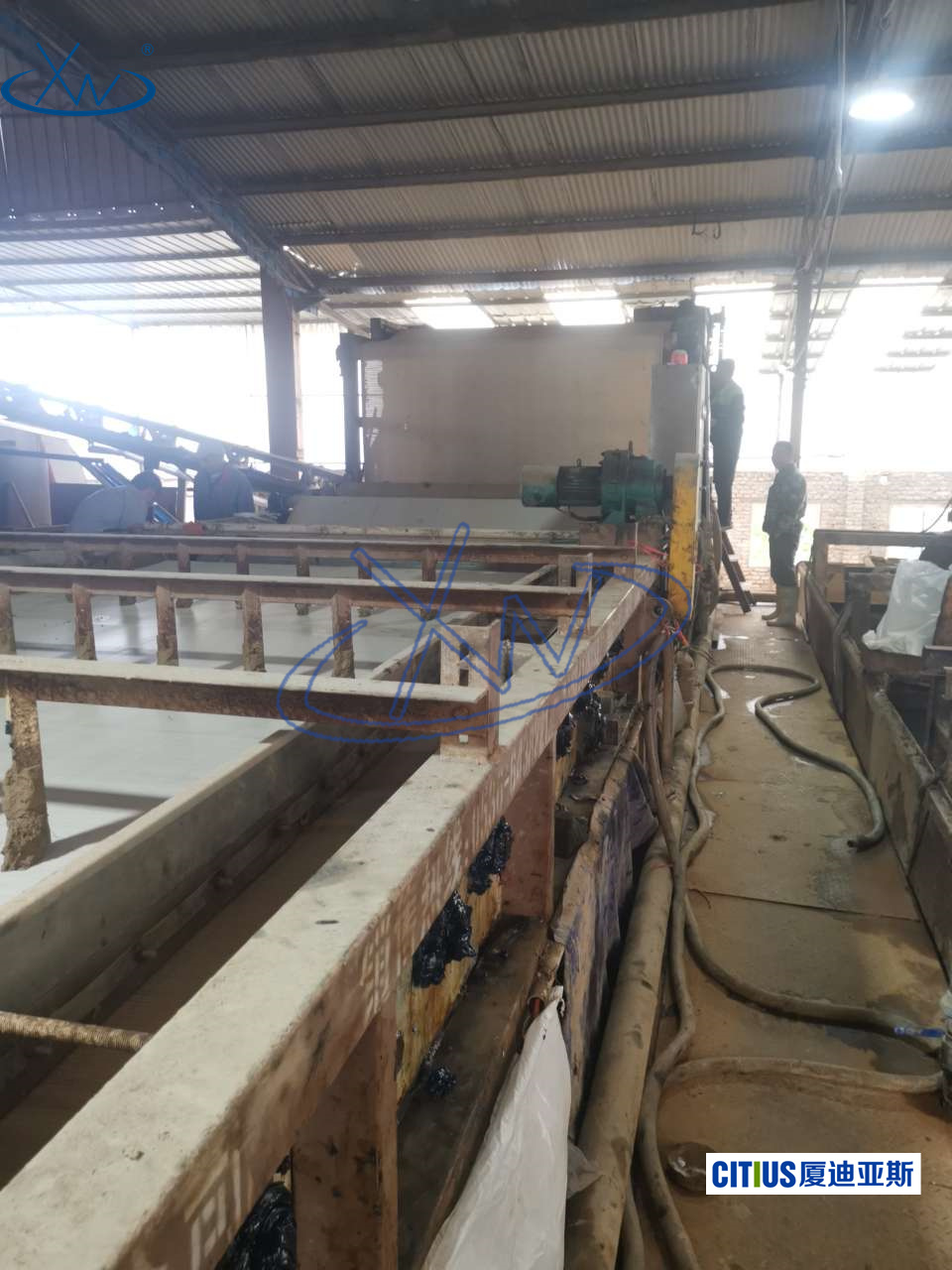
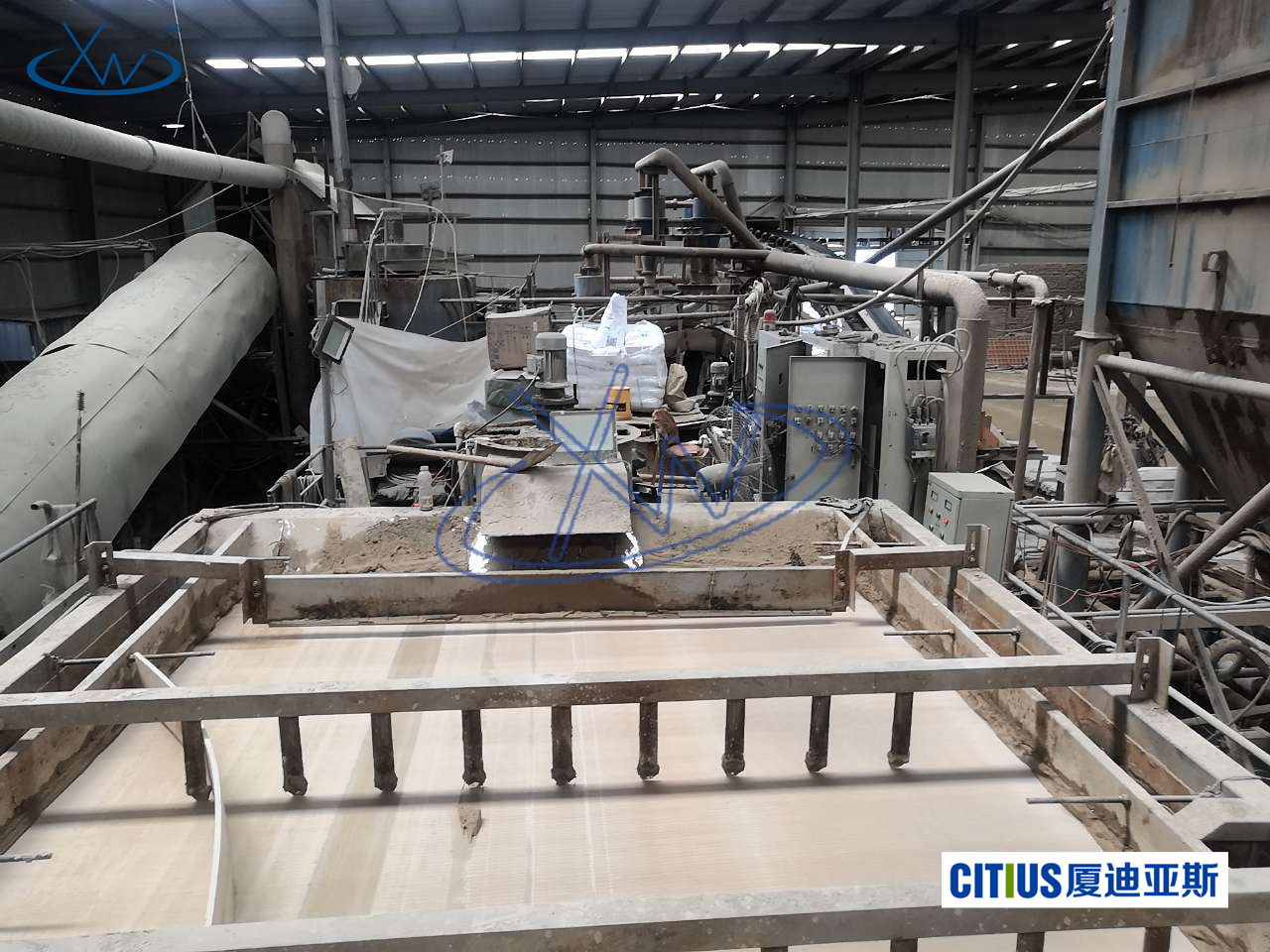
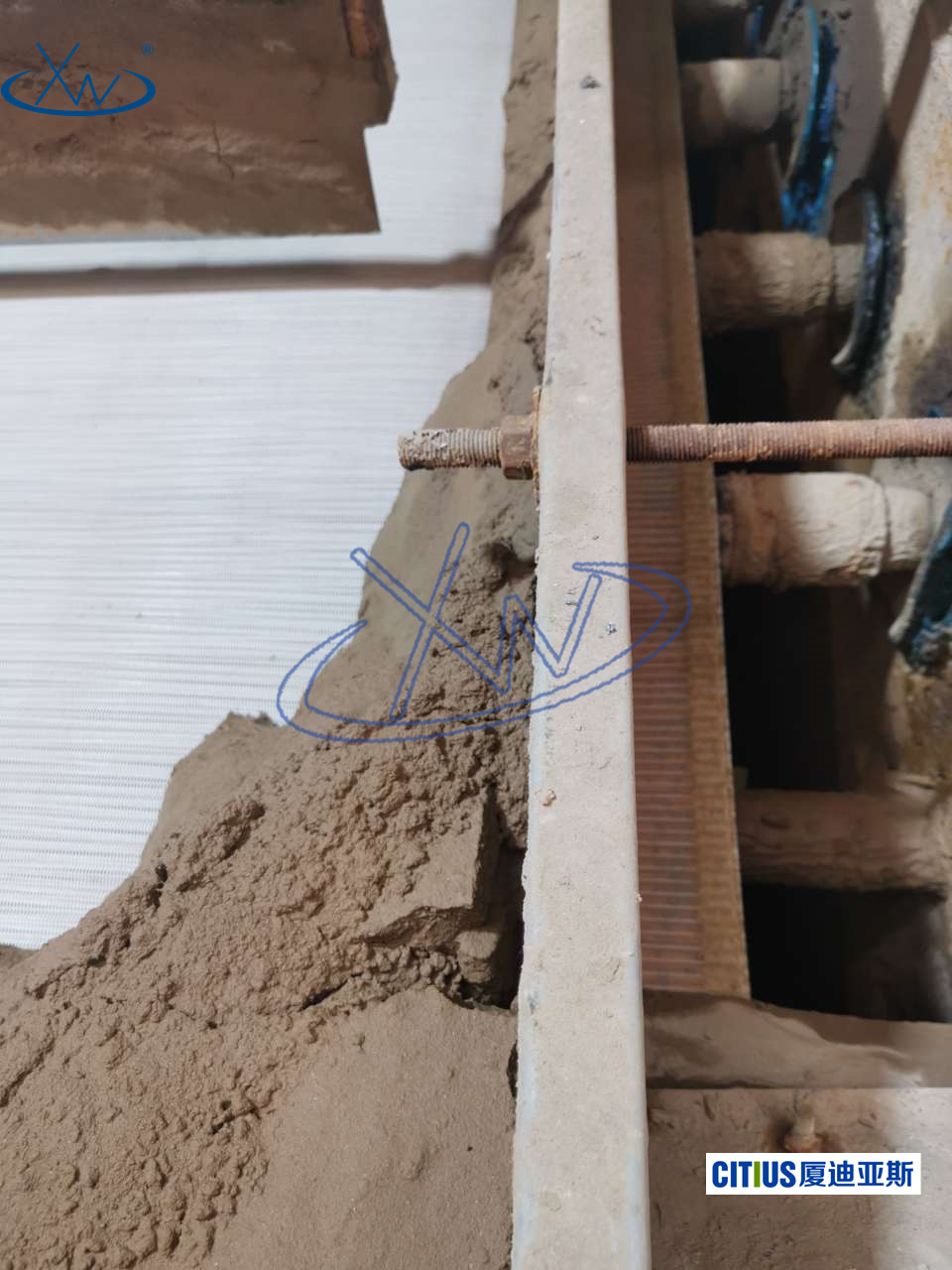
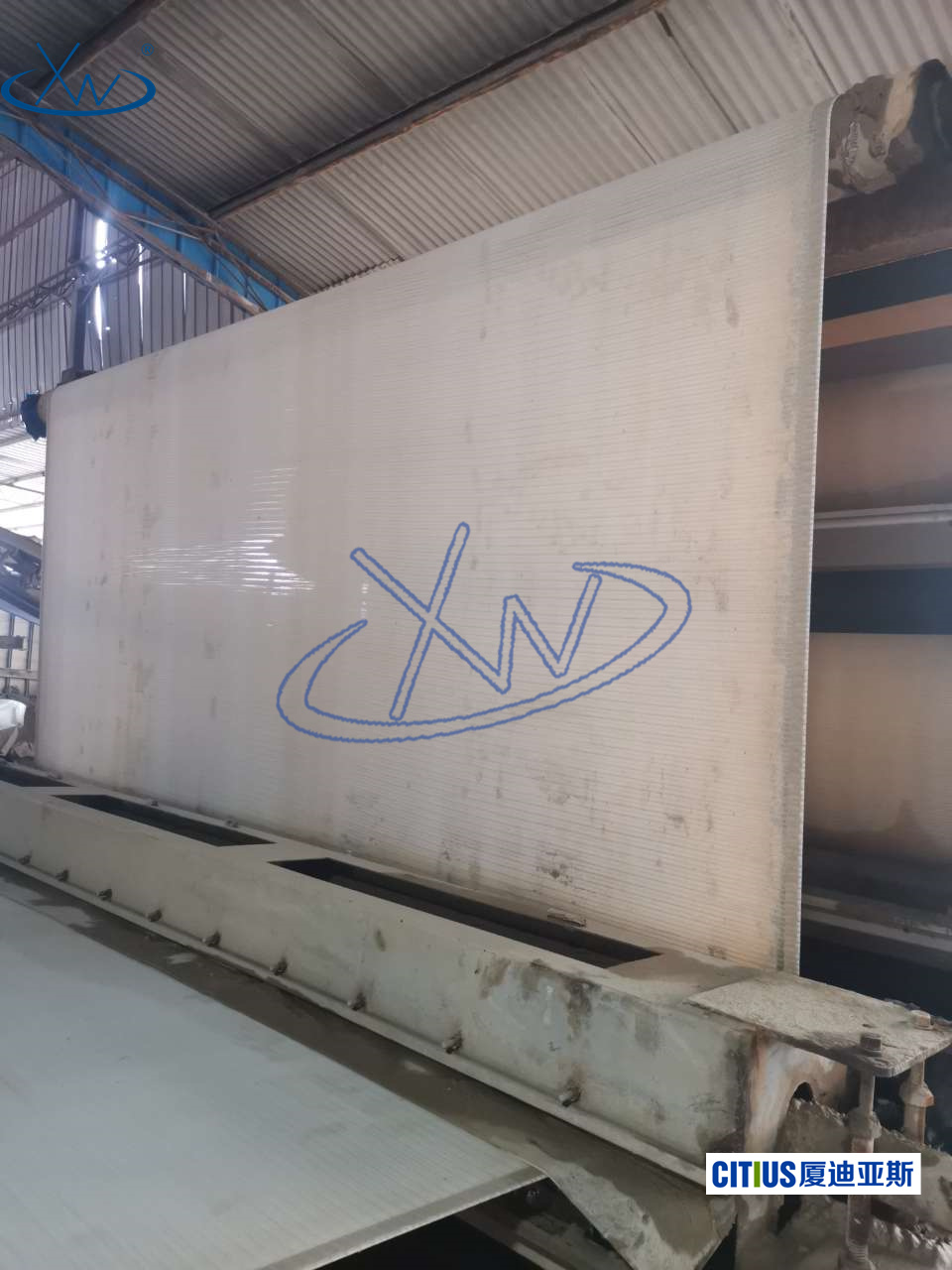
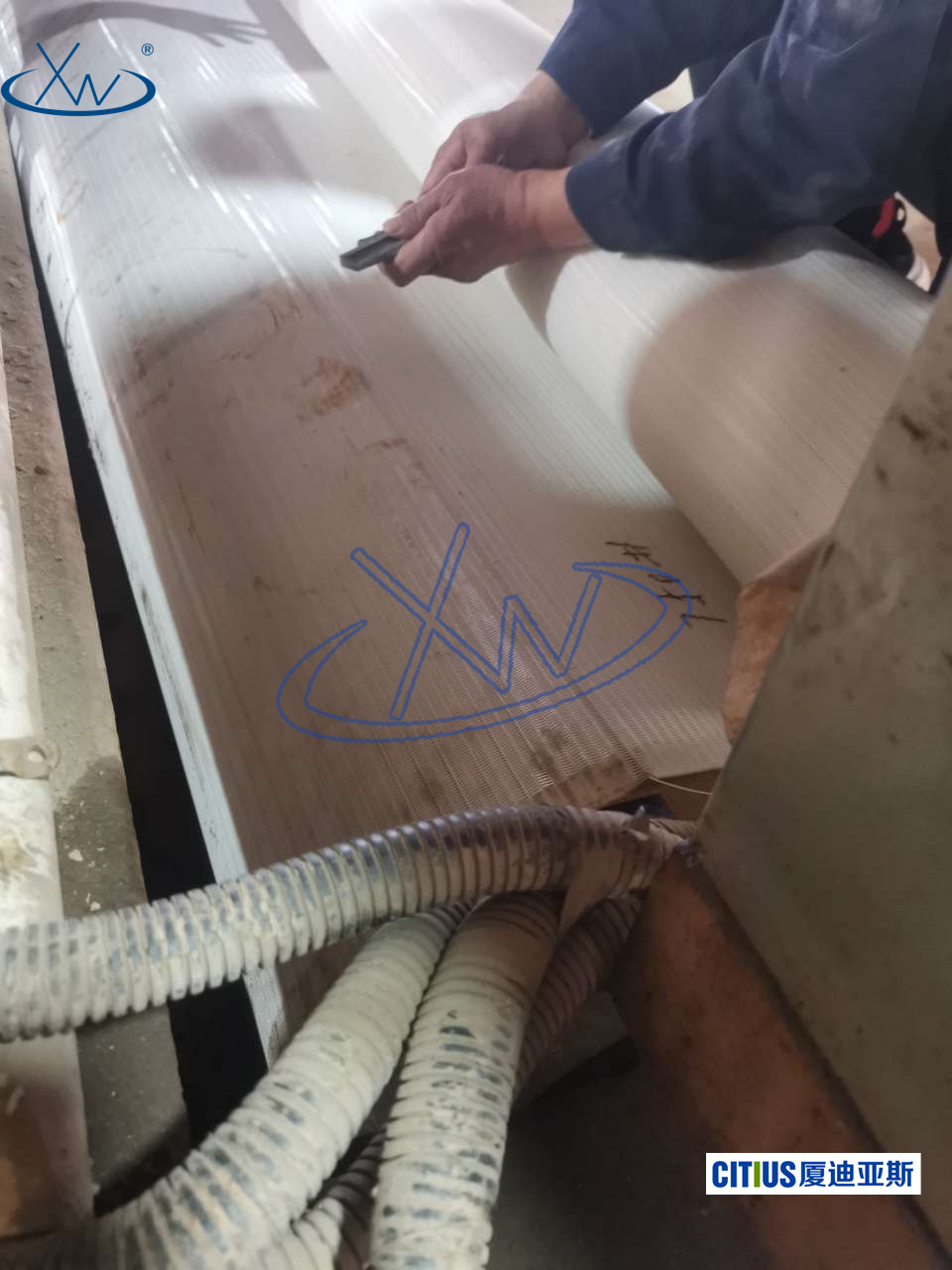

Polyester Spiral Mesh —— The Key Role and Technical Value of Belt Press Filters in Sand Washing Processes
In the modern sand and gravel industry, the sand-washing process has become much more than just “ Wash thoroughly ” It's that simple. With the strengthening of environmental policies, constraints on water resources, and the high-quality demands from the mechanism sand market, the solid-liquid separation stage in sand-washing systems is now becoming the key factor determining both the efficiency and environmental performance of the entire production line. And within this context, Belt-type press filter equipped with a polyester spiral mesh Its application is gradually replacing traditional sedimentation or centrifugation methods, emerging as a key technological approach for treating washed-sand wastewater and dewatering sludge.
I. In the sand-washing process “ Invisible Challenge ” : The Challenge of Mud Treatment
Sand washing production generates large amounts of mud-laden wastewater, primarily composed of fine particles, clay, organic matter, and trace chemical impurities. These sludges typically have a low solids content (<|endofcontentisolation). 3% ~ 10% ), the particle size distribution is broad, making natural sedimentation difficult. If not handled properly, the wastewater can directly affect the quality of recycled water, increase the dosage of chemicals required, and even lead to issues with discharge exceeding regulatory standards.
Traditional treatment methods primarily rely on thickening tanks. + Filter press combination, but this approach has obvious drawbacks in continuous production:
- The thickening tank occupies a large area and has high operating costs;
- Plate-and-frame filter presses have long cycles and require high labor intensity;
- It is difficult to achieve continuous, automated sludge removal.
In contrast, Belt Press Filter Machine Belt Filter Press )Due to their compact structure, continuous operation, low energy consumption, and high processing capacity, they are increasingly adopted by sand-and-gravel plants. In belt press filter machines, the performance of the filter belt directly determines the dewatering efficiency and equipment stability—this is precisely where the polyester spiral mesh comes into play. The core link in demonstrating technological value.
II. Structural Characteristics and Technical Advantages of Polyester Spiral Mesh
Polyester Spiral Mesh Polyester Spiral Mesh Belt ) is a continuous mesh fabric woven from high-strength polyester monofilament spirals, seamlessly joined together using connecting rings and an interlocking system. This design was originally inspired by the paper-making dewatering process, and it has since evolved into a critical medium for solid-liquid separation and sludge dewatering.
In belt press filters used in the sand-washing industry, it boasts the following notable advantages:
- High Strength and Stability
The spiral mesh is made from high-toughness polyester monofilament material and, after precise heat-setting treatment, exhibits exceptional tensile strength and dimensional stability. It can withstand prolonged compressive tension and mechanical stress without deformation. - Good water permeability and sludge discharge performance
Polyester spiral mesh features a continuous spiral open-cell structure with uniform pore sizes and low fluid resistance, enabling rapid drainage of water from the slurry and forming a thick filter cake. This helps enhance both the dewatering rate and the solids content of the mud cake. - Wear-resistant and Anti-clogging Design
At the sand-washing site, filter cloths frequently come into contact with high-hardness particles (such as quartz sand and fine sand), making them prone to wear and tear. The smooth surface and monofilament structure of the polyester spiral mesh effectively minimize abrasion and reduce the risk of clogging, while also allowing seamless integration with high-pressure cleaning systems to keep the mesh surface consistently clean. - Excellent chemical and thermal stability
Facing flocculants, acidic or alkaline environments, or temperature fluctuations in sand-washing systems, the polyester spiral mesh maintains excellent physical performance and filtration stability, extending its service life. - Flexible splicing, convenient maintenance
The polyester spiral mesh can be connected using metal clips or polyester connectors, making on-site replacement and maintenance convenient, reducing downtime, and enhancing the overall efficiency of the production line.
III. Operating Logic of the Belt Press Filter in the Sand-Washing System
In a typical sand washing wastewater treatment process, belt press filters are usually installed after the thickening or sedimentation tanks to further dewater the slurry, enabling solid-liquid separation and recovery of the mud cake. The entire process can be divided into the following stages:
- Mud Conditioning Stage
The slurry recovered from the sand washing pond is first mixed with a flocculant, causing fine particles to rapidly aggregate into flocs and enhancing dewatering performance. - Gravity Dewatering Stage
The slurry is first distributed onto the mesh surface, where gravity assists in permeating and draining water, forming an initial mud layer. At this stage, the polyester spiral mesh plays a crucial role in providing stable support and ensuring even water drainage. - Wedge-shaped Pre-compression Stage
The filter belt enters the wedge-shaped area, where the two-layer mesh belts gradually clamp down on the sludge layer, expelling more free water while preventing the flocs from being damaged. - Pressing and Dewatering Stage
In the main dewatering zone, the filter cake is alternately squeezed by multiple sets of rollers, further forcing out the moisture. The high-strength structure of the polyester spiral mesh effectively withstands multi-point high pressure, ensuring uniform filter cake thickness. - Sludge cake discharging and mesh belt cleaning
The filter cake is scraped off and falls away, while the mesh belt is re-entered into the cycle after being thoroughly cleaned by high-pressure spray rinsing. The smooth surface of the spiral mesh ensures more effective cleaning, reducing the risk of residue.
This series of processes achieves the transition of slurry from having an insufficient solids content. 10% The solid content in the filter cake can reach 30%-40% This transformation facilitates subsequent stacking or transportation, significantly reducing the volume and water content of the sludge.
IV. Application Practices and Economic Benefits of Polyester Spiral Mesh in the Sand-Washing Industry
In practical engineering, the performance of polyester spiral nets often directly affects both production costs and environmental performance.
Take a typical manufactured sand production line as an example:
- Daily wastewater treatment of approximately 3000 m³ ;
- Mud Content Concentration 8%-10% ;
- After adopting a belt press filter combined with a polyester spiral mesh, the moisture content of the dewatered sludge can be reduced to 60% Left and right;
- Reduction in dosage of slurry chemicals per ton 15%-20% , the turbidity of the circulating water has significantly decreased.
More importantly, the mud cake can be directly transported for landfill or reused, while the recycled water can be reintroduced into the sand-washing system, enabling near- “ Zero emissions ” The green production goals.
From an operational perspective, the wear-resistant lifespan of polyester spiral nets typically reaches up to 3-6 More than a month, representing an improvement of about 30%-50% , the replacement and maintenance frequency has been significantly reduced. Additionally, its lower operating resistance also helps cut the press's energy consumption by approximately 10%-15% , reflecting the dual benefits of a stable economy and environmental protection.
V. Industry Trends: From Consumables to Systematic Solutions
As the sand and gravel industry scales up and undergoes automation upgrades, polyester spiral mesh is no longer regarded as merely a… “ Filter cloth consumables ” Instead, it is an indispensable functional component within the entire solid-liquid separation system. More and more equipment manufacturers and end users are starting to pay attention:
- Matching belt tension control with dewatering pressure;
- The compatibility of filter belt permeability, structural parameters, and slurry characteristics;
- Optimization of filter belt selection for different sand-washing processes (mechanical sand, river sand, sea sand).
For example, Xiamen Citius ( CITIUS ) and other enterprises, leveraging their 30 years of accumulated filtration fabric technology, have advanced the design of polyester spiral meshes from “ Single parameter ” Expand to “ System Performance ” At the operational level, through meticulous research and optimization of details such as the spiral ring structure, joint design, and surface treatment processes, the filter belt maintains stable performance even under challenging conditions like high-pressure dewatering, extreme wear, and continuous operation. This delivers a more reliable filtration solution for the sand-washing industry.
VI. Conclusion
In an era that emphasizes both environmental protection and efficiency, the washed sand industry is now witnessing a transformative shift. “ Intelligent, continuous, and green ” The technological transformation. The combination of polyester spiral mesh with belt press filter machines represents not only an upgrade in solid-liquid separation equipment but also a pivotal milestone for the sustainable development of the aggregate industry.
It turns wastewater “ Turn plain water ” , letting the slurry “ Transform resources ” , transforming originally messy, inefficient processes into ones that are controllable, sustainable, and profitable.
In the future, as materials science and filtration technology continue to innovate, polyester spiral mesh will showcase its potential in an even wider range of applications. —— From washed sand to tailings, from sludge to chemicals, and from traditional filtration to intelligent monitoring systems —— It will continue to be the leading force in the industrial filtration field. “ Invisible yet vital veins ”。
Add
No. 16-22 Chunfeng East Road, Xiang'an Torch High tech Zone, Xiamen City, Fujian Province, ChinaAll Rights Reserved. | Privacy Policy |
Tel/ WhatsApp