
-
Filter ClothBelt press filter mesh belt Horizontal belt vacuum filter mesh belt Vertical filter press filter cloth Filter Press Filter Cloth Breathable mesh Technical fabric - drying Technical fabric - high pressure belt Technical fabric - conveyor belt Technical fabric - fiberboard Joint form Edge banding form Accessories (threading)
Search HistoryClear All Records
- All
- Product Management
- News
Industrial Filter Cloth – Belt Press Filter Machine – Municipal Wastewater Filtration Sludge
Share to
Detailed Description
Industrial Filter Cloth – Belt Press Filter Machine – Municipal Wastewater Filtration Sludge
Filter machine type: Belt press filter
Application Industry: Municipal Wastewater
Handling material description: Filtering sludge 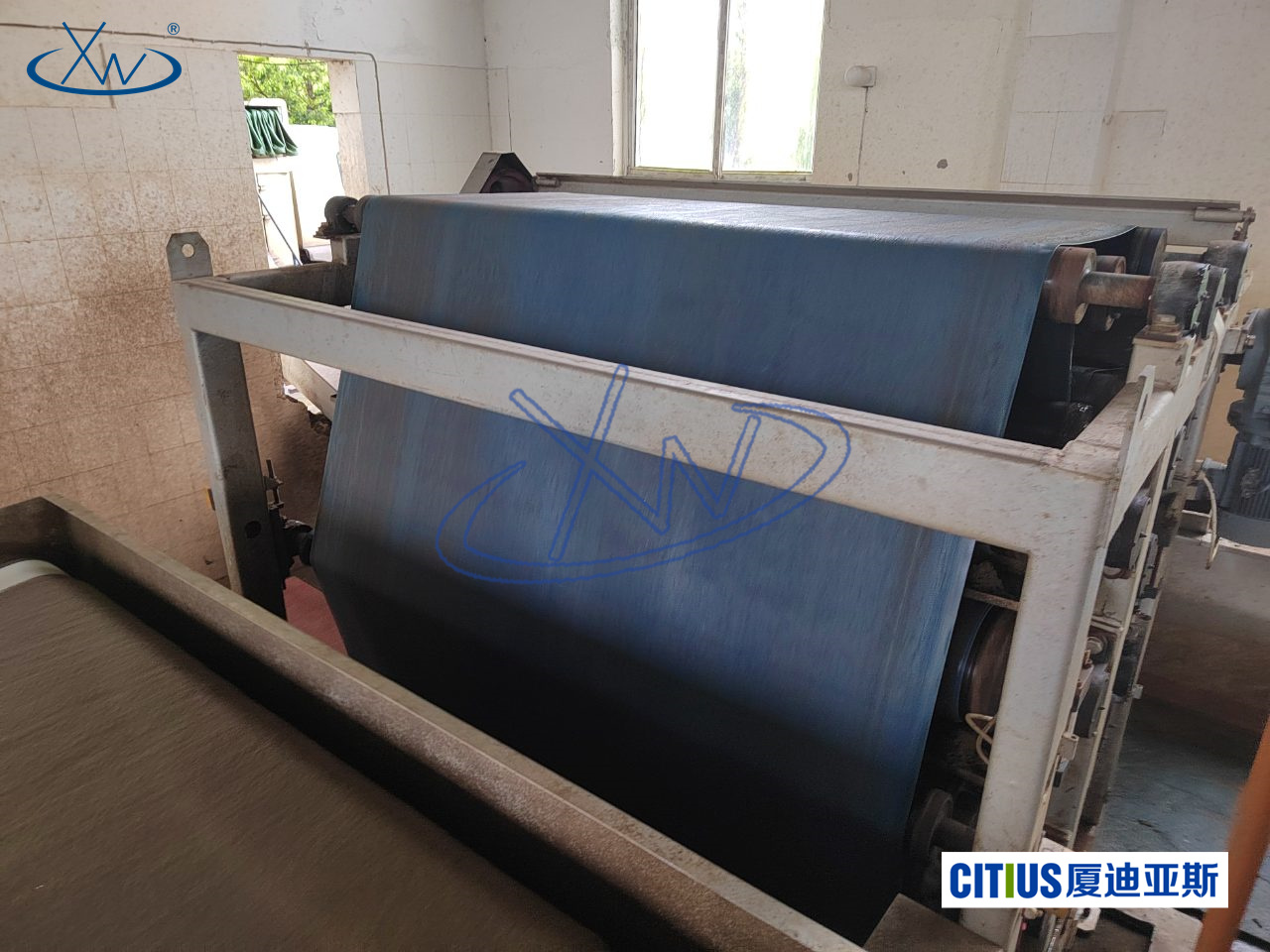
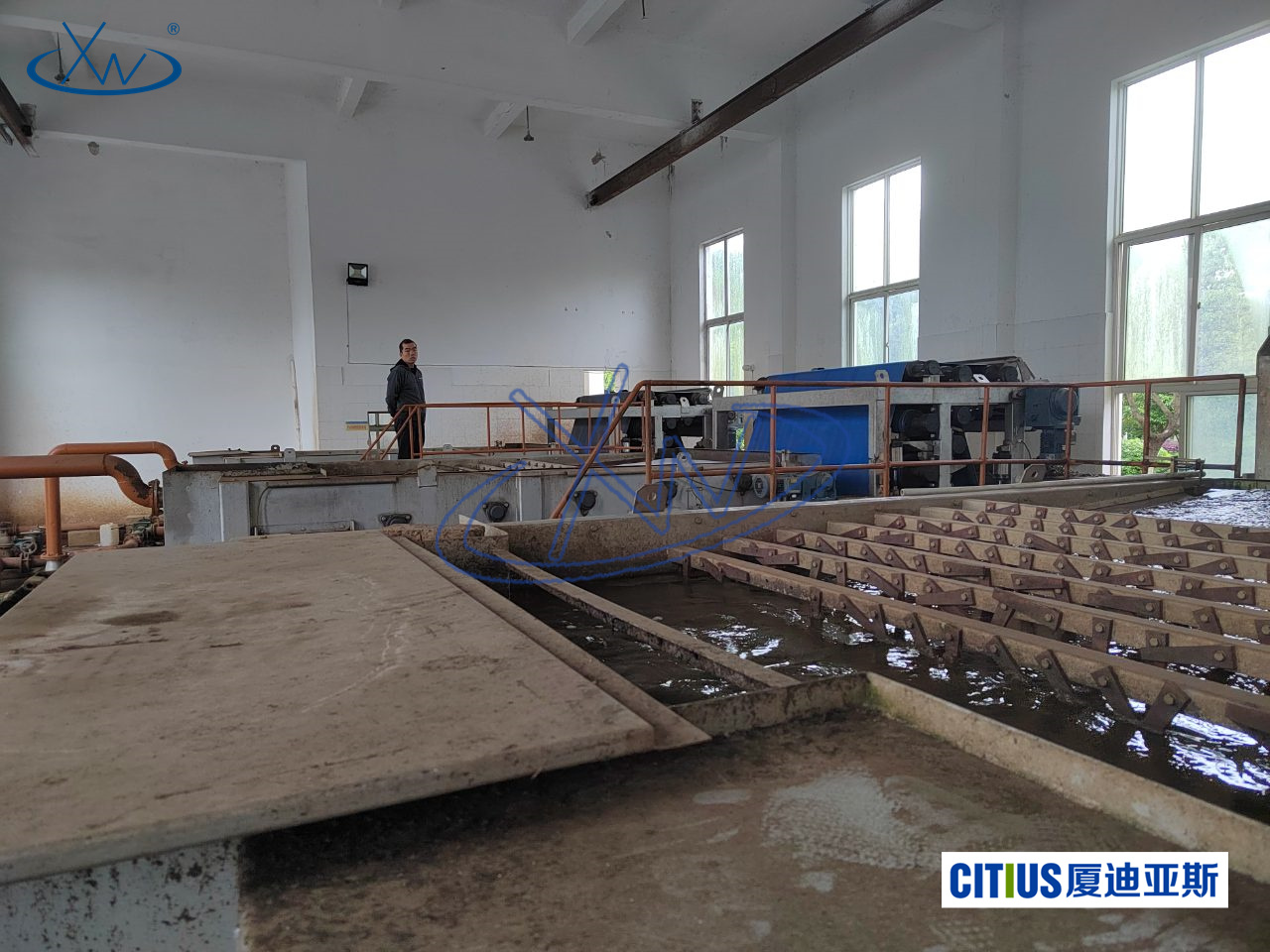
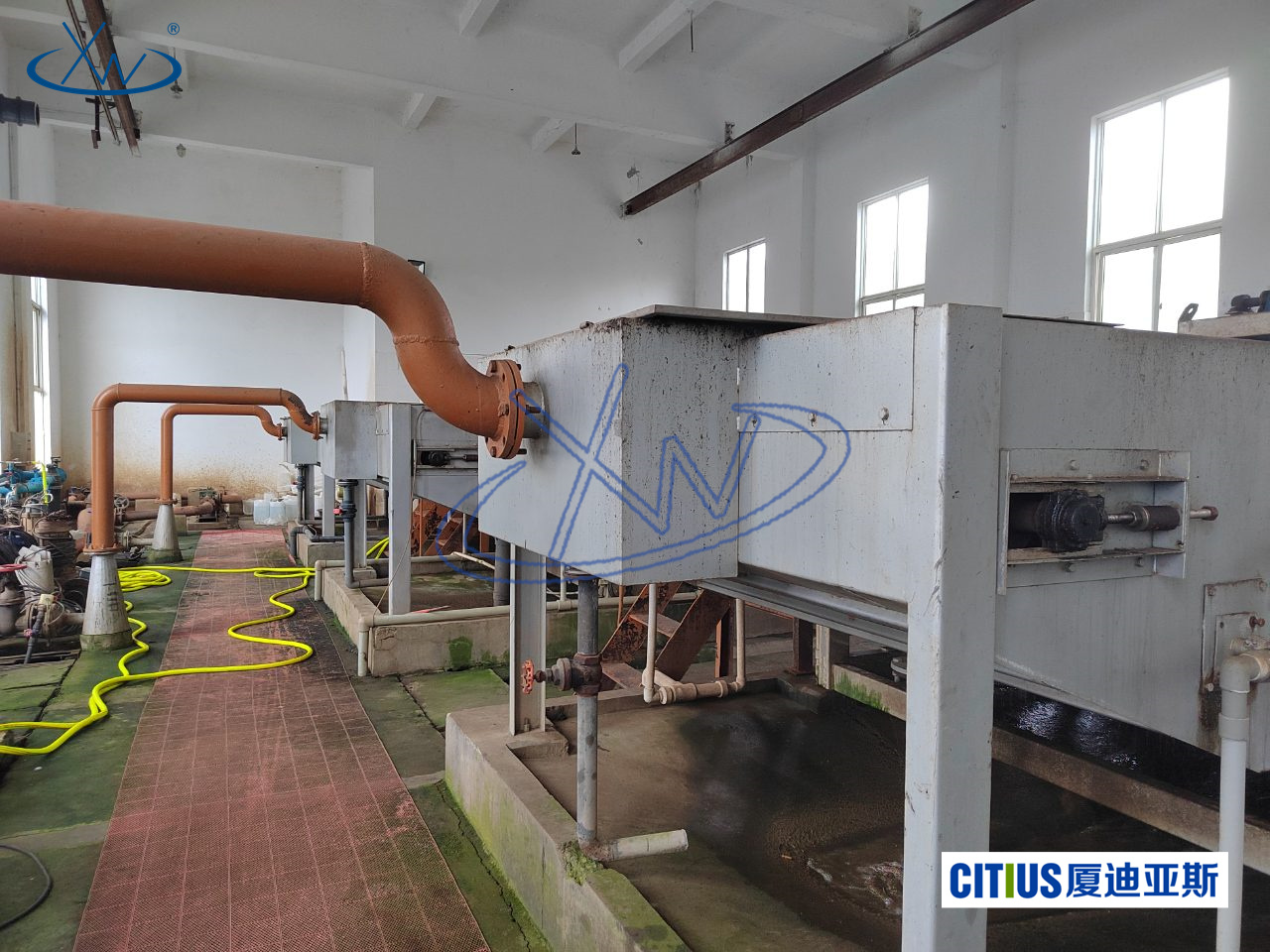
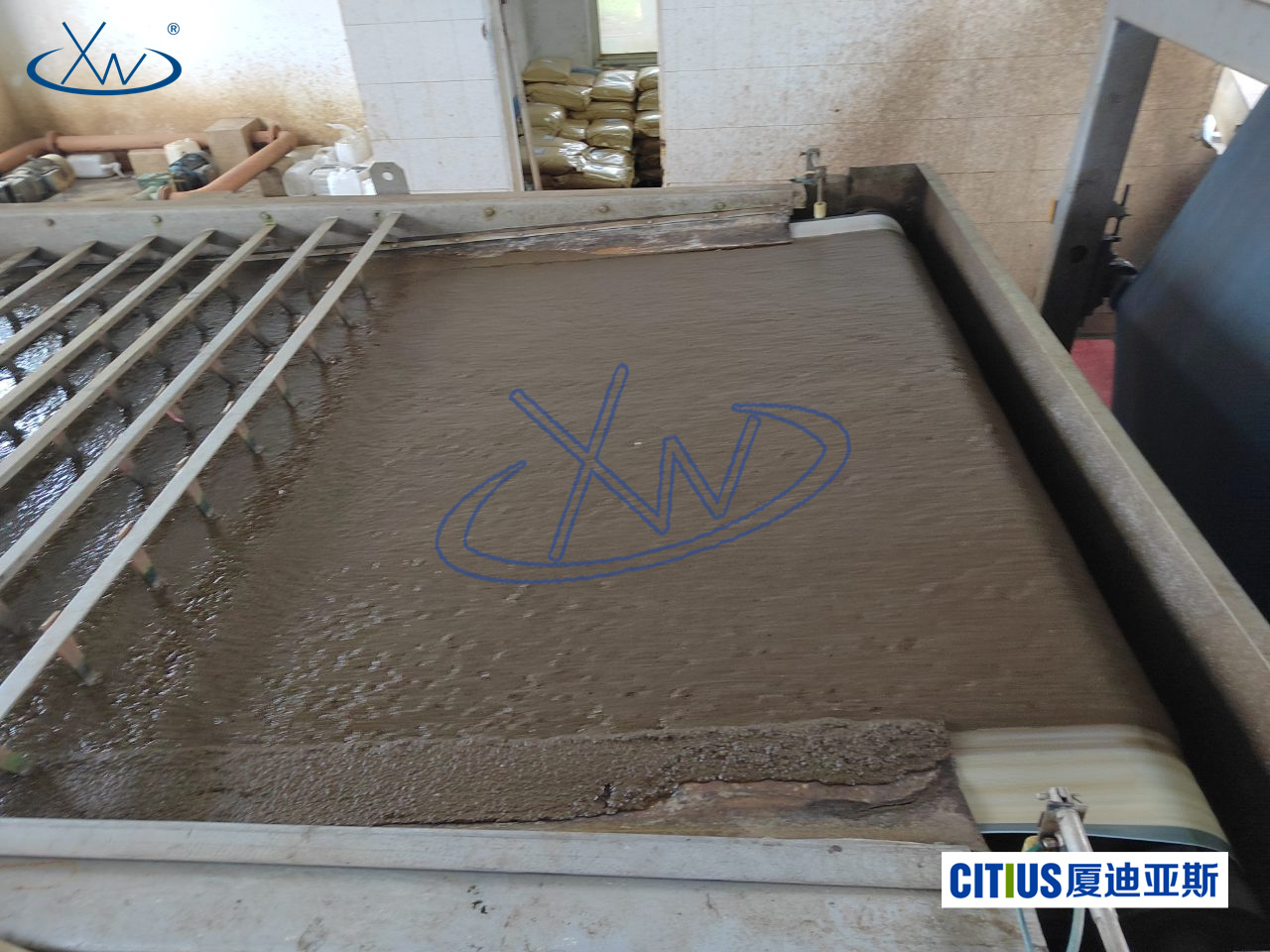
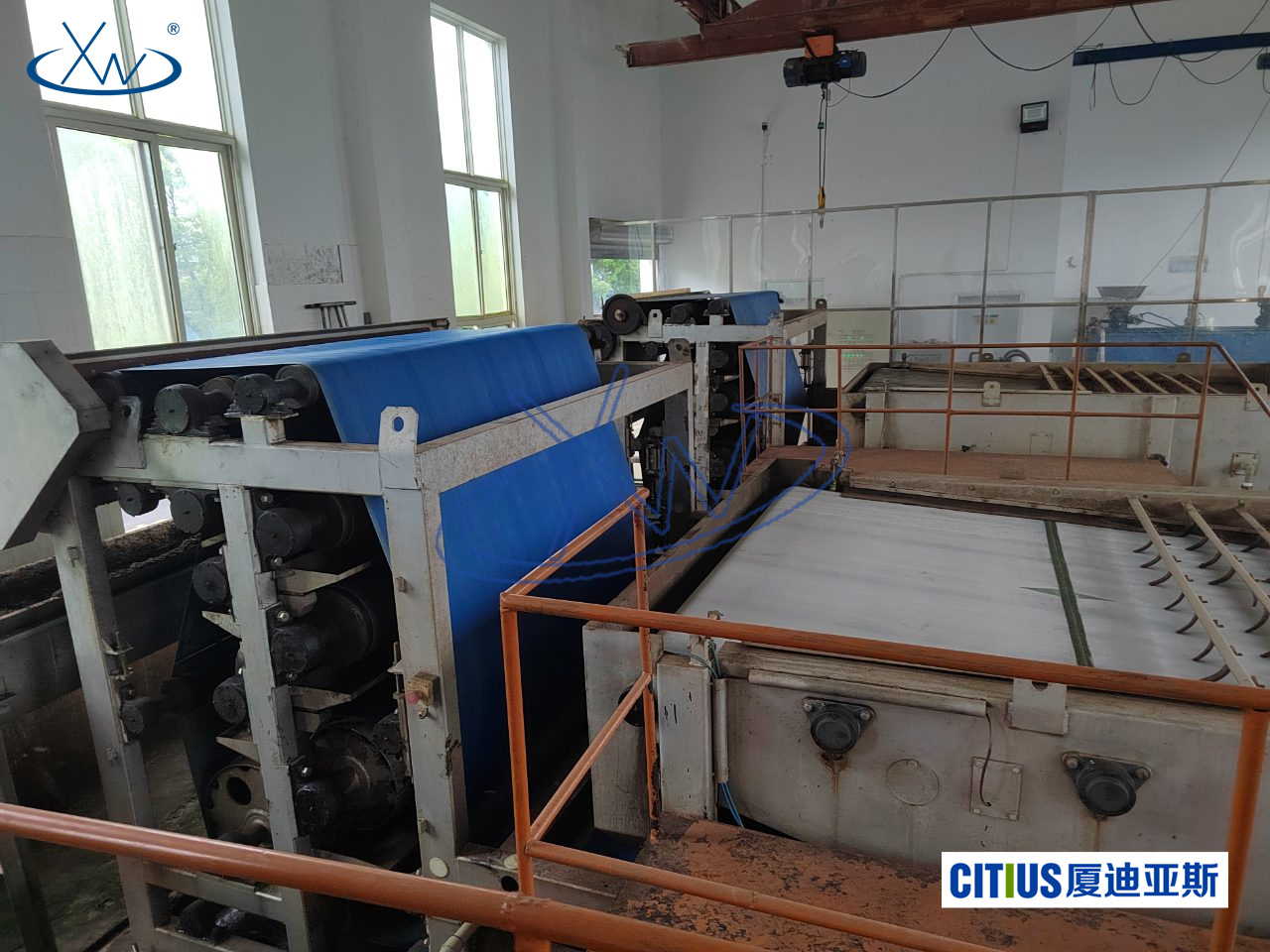

Application of Industrial Filter Cloth in Belt Press Filtration Machines —— Key Technical Steps in Municipal Sewage Sludge Dewatering
In municipal wastewater treatment systems, sludge dewatering is an indispensable link in the entire process chain. Activated sludge, after undergoing biochemical treatment, typically has a water content as high as 98% Above all, the material is bulky and highly fluid; without proper dewatering, this would lead to a sharp increase in transportation and disposal costs. Meanwhile, in the sludge dewatering process, Belt Press Filter Machine Belt Press Filter )With its continuous operation, high efficiency, energy savings, and ease of use, it is widely employed in wastewater treatment plants across the country. And one of the key components that ensures the long-term, stable operation of this equipment is the industrial filter cloth. 。
I. The Working Principle of Belt Press Filters and the Role of Filter Cloth
A belt press filter is a continuous-operation solid-liquid separation device. It uses a filter cloth (or mesh belt) as the medium, evenly spreading the solid-containing liquid (sludge) onto the filter belt. Through gravity pre-dewatering, wedge-zone squeezing, and multi-stage pressing in both low-pressure and high-pressure zones, the process ultimately achieves separation of the filtrate, formation of the filter cake, and its discharge.
In this process, the filter cloth is not merely a simple “ Load-bearing layer ” , it simultaneously undertakes Filtration, liquid guiding, pressure-bearing, and filter cake peeling Multiple tasks await. The filter cloth's water permeability, tensile strength, surface structure, and chemical resistance directly determine the sludge dewatering efficiency, the moisture content of the filter cake, and the service life of the filter cloth.
II. Characteristics of Municipal Sludge and Challenges in Filtration
The sludge from municipal wastewater treatment plants comes from diverse sources, including activated sludge resulting from the mixing of domestic sewage and industrial wastewater, as well as chemical sludge. Its main characteristics are:
- High moisture content ( 95% to 99% ) , Mud and water are hard to separate;
- The particle size distribution is broad, with a high proportion of fine particles. , which easily clogs the filter cloth;
- High in organic content, with strong adhesion. , the filter cake tends to stick to the cloth;
- pH Highly fluctuating, oil-rich, high in salinity, and abundant in biochemical products , which demands high corrosion resistance from filter cloths.
Therefore, when selecting filter cloths, it is essential to comprehensively consider their Water filtration rate, sludge cake release properties, anti-clogging performance, and acid-alkali resistance , only then can we balance efficiency with durability.
III. Structural Design and Technical Features of Industrial Filter Fabrics
Municipal sludge dewatering commonly employs Helical Mesh Filter Cloth Or Double-layer woven filter cloth Structure. Its core design philosophy is to balance “ Dehydration Efficiency and Operational Stability ” Common filter cloth characteristics are as follows:
- Double-layer braided structure
The outer layer uses thicker support fibers to enhance tensile strength and dimensional stability, while the inner layer features a tightly woven fine fiber structure that optimizes water-flow channels, allowing filtrate to pass through swiftly while ensuring more thorough retention of fine particles. - High breathability and uniform water filtration performance
By scientifically controlling the warp and weft density, the filter cloth surface is made smooth, ensuring even distribution of sludge and preventing short-circuiting of water flow. The air permeability of the filter cloth is typically maintained at 3000–6000 L/m²·s ( @200Pa ), which can achieve a relatively ideal pre-dewatering rate. - Excellent mud cake release properties
The filter cloth surface undergoes special heat-setting and surface-modification treatments, enabling the mud cake to detach naturally after pressing is complete, reducing the frequency of manual cleaning and extending the equipment's continuous operating time. - Tensile Strength and Dimensional Stability
In belt presses, filter cloths are continuously exposed to environments with high tension and high friction. High-quality filter cloths can achieve tensile strengths of up to ≥2000 N/5cm , Elongation at break ≤10% , capable of maintaining excellent tension under high-load conditions. - Acid- and alkali-resistant as well as high-temperature resistant performance
Sludge often contains acidic and alkaline chemical substances, so the filter cloth must be resistant to them. pH 3–11 The corrosive environment. Some process sections can reach temperatures as high as 80℃ Therefore, the filter cloth must possess excellent thermal stability.
IV. Typical Application Conditions and Operational Performance
In municipal wastewater treatment plants, belt press filters are typically used as the final equipment for sludge dewatering, primarily applied in the following stages:
- Biological Sludge Dewatering at Municipal Wastewater Treatment Plants
The filter cloth requires excellent drainage performance and anti-clogging properties to prevent floc breakage, which could lead to turbid filtrate. - Wastewater and Mixed Sludge Dewatering in the Industrial Park
The filter cloth must balance chemical resistance and mechanical strength to handle complex components such as oil-containing substances, organic acids, and chloride salts. - Sludge conditioning system paired with dewatering
Combine PAM 、 PAC After the pharmaceutical treatment, the filter cloth must be protected against blockages caused by residual chemicals.
After optimized selection and reasonable debugging, using high-quality industrial filter cloth typically achieves the following operational results:
Performance Metrics
|
Traditional filter cloth
|
Optimized Filter Cloth
|
|---|---|---|
Filter cake moisture content
|
80–83% |
72–78% |
Filter cloth service life
|
3–4 Months
|
6–8 Months
|
Cleaning frequency
|
Per class 1 Next time
|
Every 2–3 Class 1 Next time
|
Energy consumption level
|
Routine
|
Reduce by approximately 10–15% |
V. Operation and Maintenance Recommendations
To ensure the long-term, efficient operation of the belt press, daily management and maintenance of the filter cloth are equally important:
- Keep the filter cloth clean : It is recommended to use an automatic high-pressure spray system to ensure the filter holes remain unobstructed;
- Regularly check tension and misalignment : Prevent the filter cloth from premature damage due to uneven wear or tension;
- Controlling sludge concentration and chemical dosage ratio : Too low a concentration or insufficient flocculation will both reduce dewatering efficiency;
- Keep thorough daily records : Record the filter cloth running time, pressing pressure, and sludge moisture content to facilitate scientific maintenance and replacement.
6. Industry Trends and Directions for Technological Upgrades
As “ Dual Carbon ” With the advancement of energy-saving policies, municipal wastewater treatment plants are accelerating their transition toward “ Low energy consumption, high resource utilization ” The direction. Belt-type press filtration systems are also continuously being upgraded, for example:
- Nanomodified Filter Cloth : Enhancing surface hydrophobicity and anti-adhesion properties through nano-additive coatings, thereby improving mud cake detachment performance;
- Intelligent Control Press Machine : Through PLC Automatically adjusts tension, speed, and pressure to enable real-time monitoring of the filter cloth's operational status;
- Eco-friendly Material Innovation : Utilizing recyclable polymer fiber materials to reduce the equipment's carbon footprint.
Xiamen Citiuss CITIUS A leading domestic manufacturer of filtration materials is currently leveraging Optimization of filter cloth weaving structure, surface treatment technologies, and enhanced anti-clogging performance These innovative approaches provide the municipal wastewater treatment industry with more efficient and durable filtration solutions, helping users reduce operational costs while enhancing the overall environmental benefits of the system.
Conclusion:
In municipal wastewater treatment systems, the core competitiveness of belt press filters often hinges on a high-performance industrial filter cloth. This isn't just the key medium for solid-liquid separation—it also serves as the bridge connecting environmental protection goals with operational efficiency. “ Invisible Bridge ” With the continuous advancement of new materials technology and intelligent manufacturing, future filter cloths will no longer simply be “ Filtering ” Instead, it is the key force behind achieving energy-saving, efficient, and sustainable sludge management.
Add
No. 16-22 Chunfeng East Road, Xiang'an Torch High tech Zone, Xiamen City, Fujian Province, ChinaAll Rights Reserved. | Privacy Policy |
Tel/ WhatsApp