
-
Filter ClothBelt press filter mesh belt Horizontal belt vacuum filter mesh belt Vertical filter press filter cloth Filter Press Filter Cloth Breathable mesh Technical fabric - drying Technical fabric - high pressure belt Technical fabric - conveyor belt Technical fabric - fiberboard Joint form Edge banding form Accessories (threading)
Search HistoryClear All Records
- All
- Product Management
- News
Ultra-fine Retention Filter Cloth – Vertical Pressure Filter – Chemical Aluminum Hydroxide
Share to
Detailed Description
Ultra-fine Retention Filter Cloth – Vertical Pressure Filter – Chemical Aluminum Hydroxide
Filter machine type: Vertical pressure filter
Application Industry: Chemical Industry
Handling Material Description: Aluminum Hydroxide
Filter cloth model: 2015
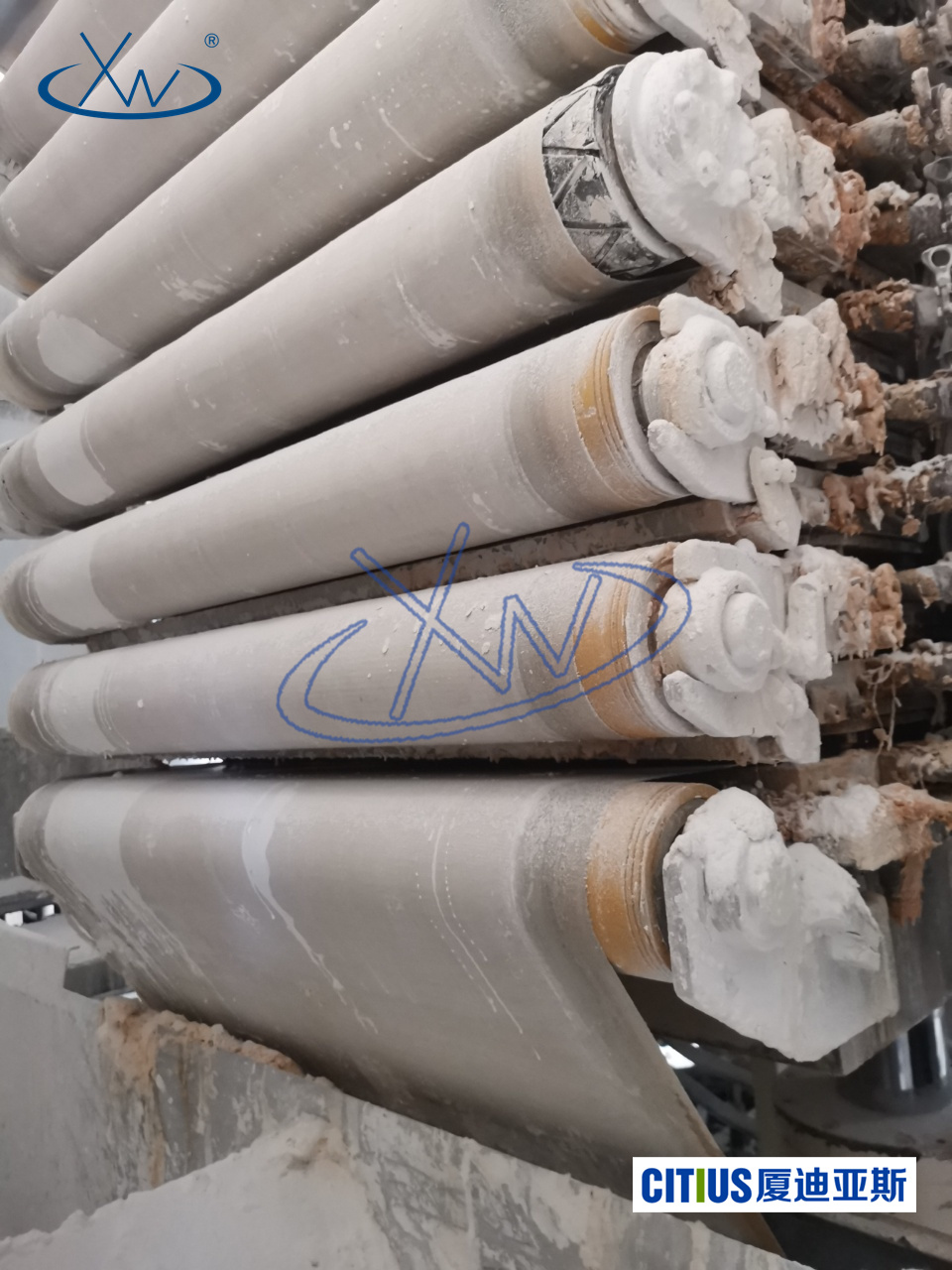
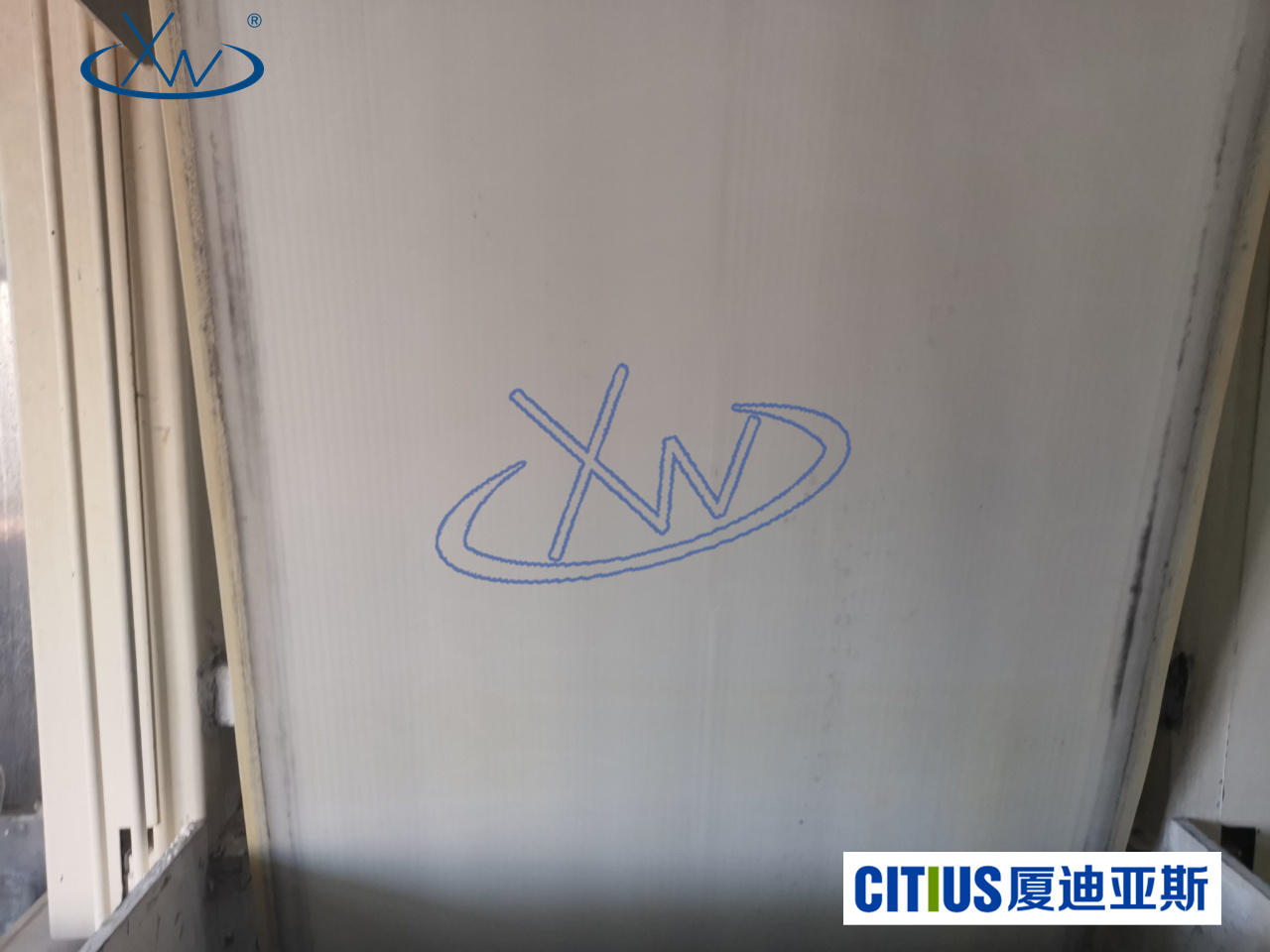
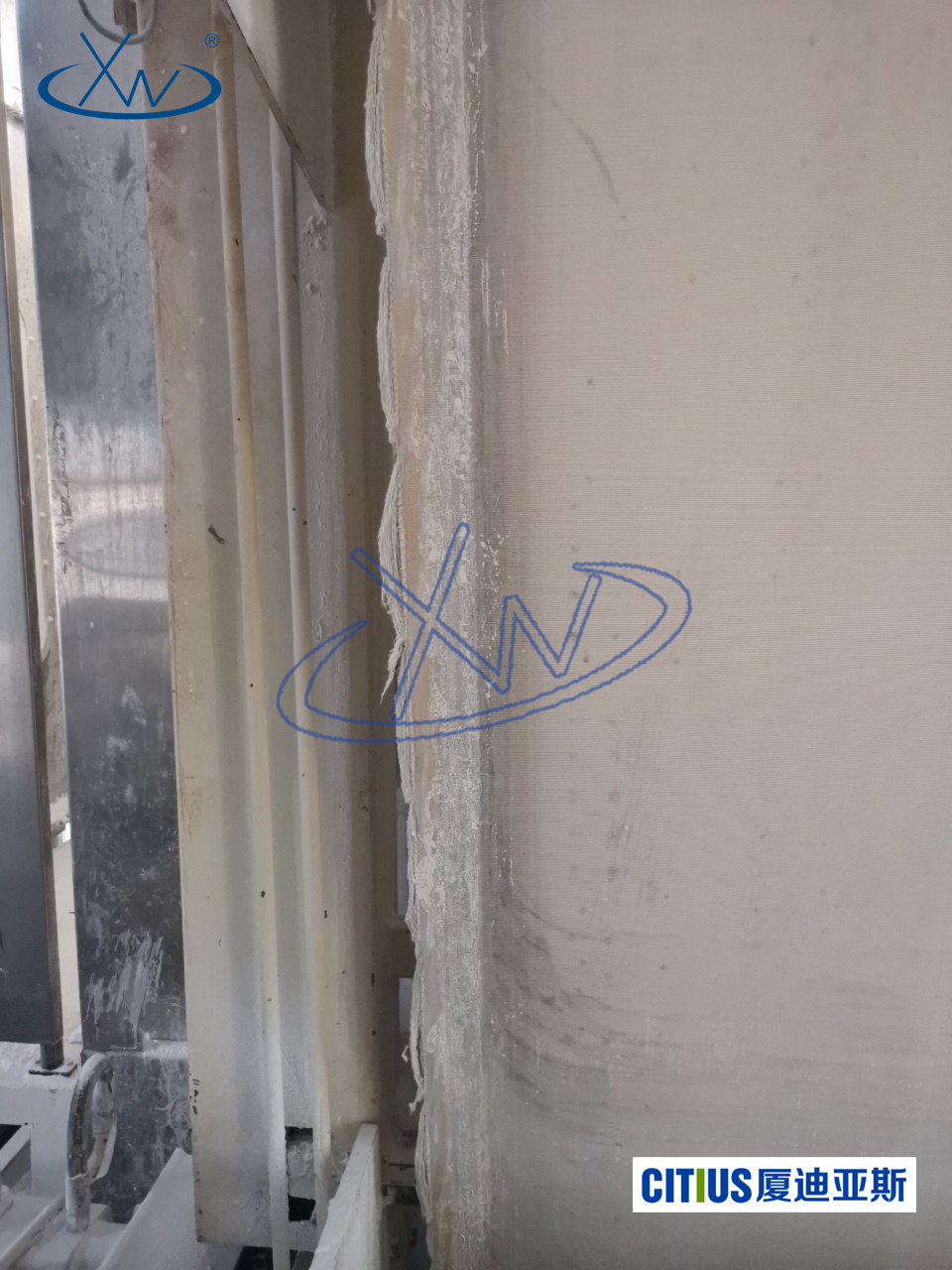
The Application of Ultra-Fine Retention Filter Cloth in Chemical Aluminum Hydroxide Production
—— Efficient Filtration Practices with Vertical Pressure Filters
In the field of modern chemical materials, aluminum hydroxide ( Al(OH) ₃ ) is an important inorganic chemical raw material widely used in fields such as flame retardants, fillers, electronic ceramics, catalytic supports, and the preparation of high-purity alumina. As market demands continue to rise for product purity, particle size control, and production efficiency, traditional filtration and separation processes have gradually revealed significant bottlenecks: insufficient filtration accuracy, high moisture content in filter cakes, excessive energy consumption by equipment, and frequent clogging of filter cloths.
Against this backdrop, ultra-fine retention filter cloth ( Ultrafine Retention Filter Cloth ) Cooperation Vertical Pressure Filter Vertical Pressure Filter )’s combined solution is emerging as a significant technological innovation in the solid-liquid separation process of the aluminum hydroxide industry.
I. Pain Points in Filtration During Aluminum Hydroxide Production
The production of aluminum hydroxide typically involves multiple processes, including leaching, settling, washing, filtration, and drying. Among these, The filtration step directly determines the product purity and its subsequent thermal decomposition performance. 。
Due to the fine particles of aluminum hydroxide (<|endofcontentisolation) D50 Generally at 1–10 μm (Between them), the particle size distribution is narrow yet prone to agglomeration, and traditional filter cloths often encounter the following issues when filtering high-concentration slurries:
- The filter cake forms slowly, and the filtrate has a high solids content. : Particles clog the filter layer's pores, causing the filtration rate to decline;
- The filter cake is difficult to peel off, and the filter cloth has poor regenerative ability. : Fine powder seeps into the fiber gaps, causing “ Pasted Cloth ” Phenomenon;
- Filter cloth has a short lifespan and high energy consumption. Frequently replacing filter cloths increases downtime and operational costs;
- Unable to simultaneously meet the demands for fine particle retention and high throughput. Especially in sections handling high-purity or ultra-fine products, filter cloth performance has become a bottleneck.
Therefore, how to achieve this through higher-performance filter media Fine particles are efficiently retained, filtrate is clarified, and the filter cloth maintains stable circulation. , becoming the industry's focal point.
II. Structure and Advantages of Vertical Filter Press
Vertical Pressure Filter Vertical Pressure Filter ) is a highly efficient filtration device that integrates automation, containment, and continuous operation.
Its core feature lies in:
- Vertical Filter Chamber Structure : The slurry is fed from top to bottom, relying on gravity and the pressure difference to form a uniform filter cake;
- Automatic Cake-Discharging System : The filter cake can be automatically peeled off after drying, reducing the need for manual intervention;
- Multiple-stage washing and dehydration can be achieved. : Suitable for the production of high-purity products;
- Compact structure, small footprint, and enclosed operation : Meeting the requirements for modern chemical clean production.
However, whether a vertical pressure filter can deliver its maximum performance depends on the suitability of the filter cloth and the filtration accuracy.
III. The Design Principle of Ultra-Fine Retention Filter Cloth
Addressing the fine-particle characteristics of aluminum hydroxide slurry, Xiamen Xedia Filter Materials Technology Co., Ltd. ( Xiamen Citius Filter Media Technology Co., Ltd. ) R&D-developed Ultra-fine retention filter cloth Employing a multi-layered, precision-woven structure and utilizing micrometer-level pore-control technology, it achieves “ Precision Retention + High-speed Liquid Transport ” The balance.
Its design highlights include:
- Multilayer Gradient Structure
- The surface is crafted with high-density monofilament weaving, featuring a uniform pore distribution, enabling it to achieve 1–5 μm Level-based particle retention;
- The middle layer features a cushioning layer to prevent uneven pressure differences from causing fabric deformation.
- The base layer uses high-strength support fabric to enhance overall tensile and compressive performance.
- The surface is crafted with high-density monofilament weaving, featuring a uniform pore distribution, enabling it to achieve 1–5 μm Level-based particle retention;
- Surface Smoothing Treatment
- The filter cloth surface undergoes heat setting and polishing treatment, making the filter cake easier to peel off and reducing the tendency for residue to stick.
- In the high-pressure filtration cycle of a vertical filter press, it can maintain a consistently stable filtrate flow rate over the long term.
- The filter cloth surface undergoes heat setting and polishing treatment, making the filter cake easier to peel off and reducing the tendency for residue to stick.
- Alkali- and abrasion-resistant property optimization
- Regarding the common alkaline systems in the aluminum hydroxide process ( NaOH Solution environment), the filter cloth is made from excellent alkali-resistant fibers to extend its service life;
- By combining a special fiber blending process, the filter cloth's abrasion resistance is enhanced.
- Regarding the common alkaline systems in the aluminum hydroxide process ( NaOH Solution environment), the filter cloth is made from excellent alkali-resistant fibers to extend its service life;
- Low clogging and high regeneration performance
- Unique fiber arrangement reduces particle embedding;
- It can be repeatedly regenerated for multiple uses through online backwashing, ultrasonic cleaning, or chemical washing.
- Unique fiber arrangement reduces particle embedding;
IV. Typical Applications and Performance Comparison
In the alumina filtration production line at a major alumina plant in China, Citiuss ultra-fine retention filter cloths, combined with a vertical pressure filter system, have undergone multiple rounds of industrial verification, and the results show:
Project
|
Regular filter cloth
|
Citius Super-Fine Filtration Cloth
|
|---|---|---|
Filtrate Turbidity
|
60–80 mg/L |
<15 mg/L
|
Average Filtration Cycle
|
60–80 Minutes
|
Extend to 110–130 Minutes
|
Filter cake moisture content
|
32–35% |
Reduce to 26–28%
|
Filter cloth service life
|
20–25 Sky
|
Accessible 40–60 Sky
|
Filter cloth regeneration cycles
|
2–3 Next time
|
≥6 Next time
|
Thanks to the filter cloth's fine pore size and high-strength woven structure, the system maintains a stable filtration rate even under conditions of high alkalinity and high solids content. Meanwhile, the clarity of the filtrate is significantly improved, meeting the stringent requirements for high-purity aluminum hydroxide products.
V. Key Points for On-site Operation
In the coordinated operation of the vertical filter press and ultra-fine filter cloth, Citiuss has proposed several process optimization suggestions:
- Initial Precoating Filtration : Before feeding the slurry, using a small amount of mother liquor to form a thin filter cake layer can effectively extend the lifespan of the filter cloth.
- Automatic back-blowing system combined with chemical cleaning : After every set operating cycle, perform low-pressure back-blowing and dilute alkali washing to keep the filter cloth pores clear;
- Feed concentration and pressure control : Feed solids content controlled at 35–45% , filter pressure is controlled at 0.4–0.6 MPa , which balances filtration rate with filter cake quality;
- Temperature Regulation : Under high-temperature conditions ( >80°C ) Heat-resistant filter cloth must be selected to prevent fabric shrinkage and deformation.
6. Trend Outlook: From “ Filter cloth material ” To “ System Performance ”
In the aluminum hydroxide industry, the filtration process is currently transitioning from “ Single-material performance ” Towards “ System Coordinated Optimization ” Evolution. In the future, filter cloths will no longer be mere consumables—they will become The decisive components of equipment performance and process economics 。
Citiuss' ongoing innovation directions include:
- Nano-surface-modified filter cloth : Further enhance anti-clogging and self-cleaning capabilities through plasma treatment or nanocoating technology;
- Intelligent Monitoring System : Embedding sensing structures within the filter cloth system to monitor flux changes and filter cloth condition in real time, enabling predictive maintenance;
- Greenwashing and Recycling Solutions : Reducing the consumption of water and chemical agents used in filter cloth cleaning, aligning with “ Dual Carbon ” With the green manufacturing trend.
Conclusion
The combination of ultra-fine retention filter cloths with vertical pressure filters is driving the transformation of alumina hydroxide production—from traditional separation methods toward more efficient, automated, and environmentally friendly processes.
By comprehensively optimizing the structure of filtration media, operational parameters, and system coordination, Xiamen Citius has not only provided chemical enterprises with more competitive filtration solutions but also set a new benchmark in the field of solid-liquid separation. “ Make filtration more precise, smarter, and more sustainable. ” The new standard.
Add
No. 16-22 Chunfeng East Road, Xiang'an Torch High tech Zone, Xiamen City, Fujian Province, ChinaAll Rights Reserved. | Privacy Policy |
Tel/ WhatsApp