
-
Filter ClothBelt press filter mesh belt Horizontal belt vacuum filter mesh belt Vertical filter press filter cloth Filter Press Filter Cloth Breathable mesh Technical fabric - drying Technical fabric - high pressure belt Technical fabric - conveyor belt Technical fabric - fiberboard Joint form Edge banding form Accessories (threading)
Search HistoryClear All Records
- All
- Product Management
- News
Industrial Filter Cloth – Horizontal Vacuum Belt Filter – Slag and Ash Treatment in the Nickel Industry Ball Mill Workshop
Share to
Detailed Description
- Industrial Filter Cloth – Horizontal Vacuum Belt Filter – Slag and Ash Treatment in the Nickel Ball Mill Workshop
Filter machine type: Horizontal vacuum belt filter
Application Industry: Nickel Industry
Handling Material Description: Slag and Ash Treatment in the Ball Mill Workshop
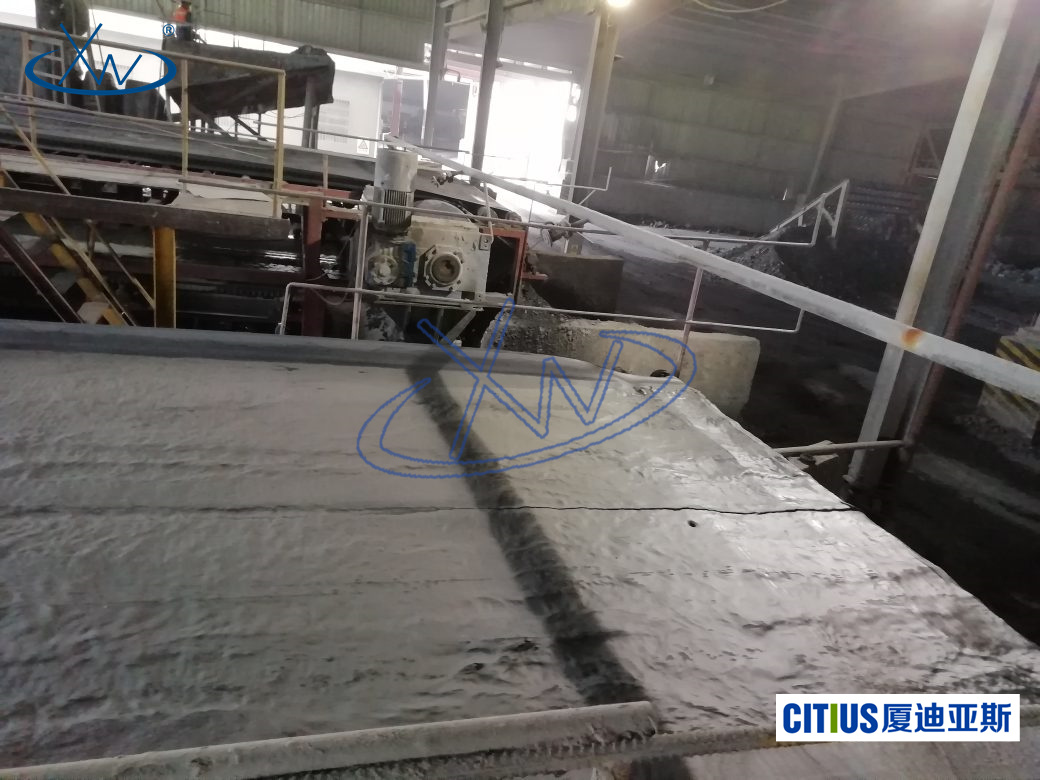
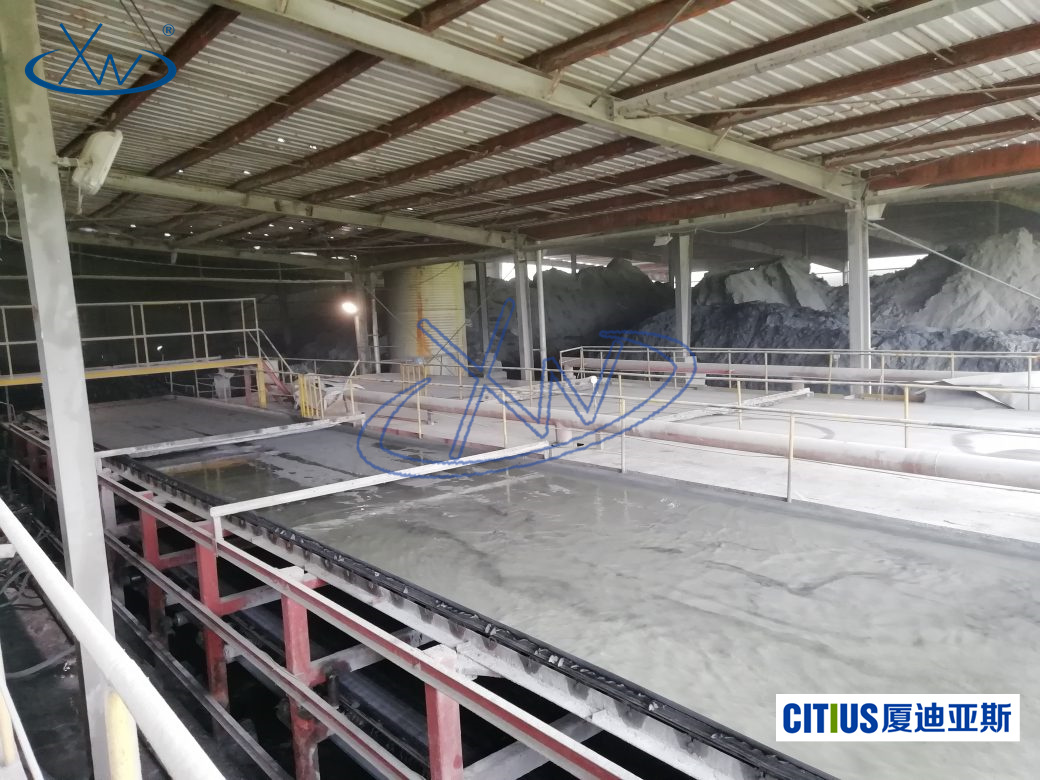
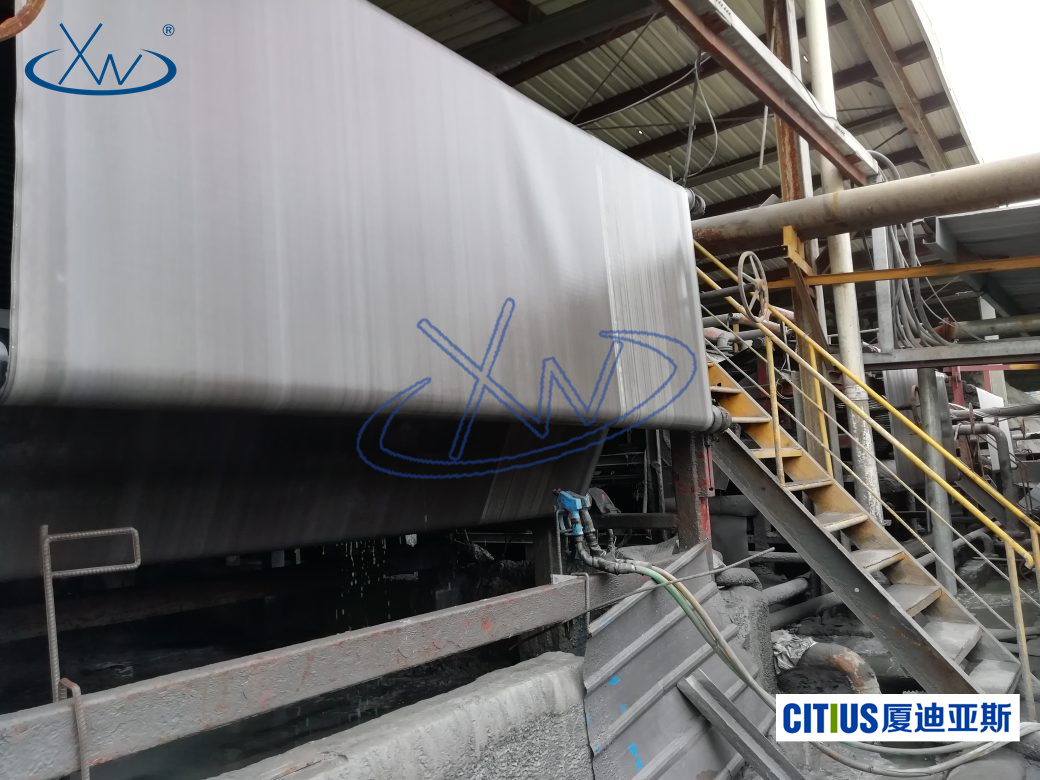
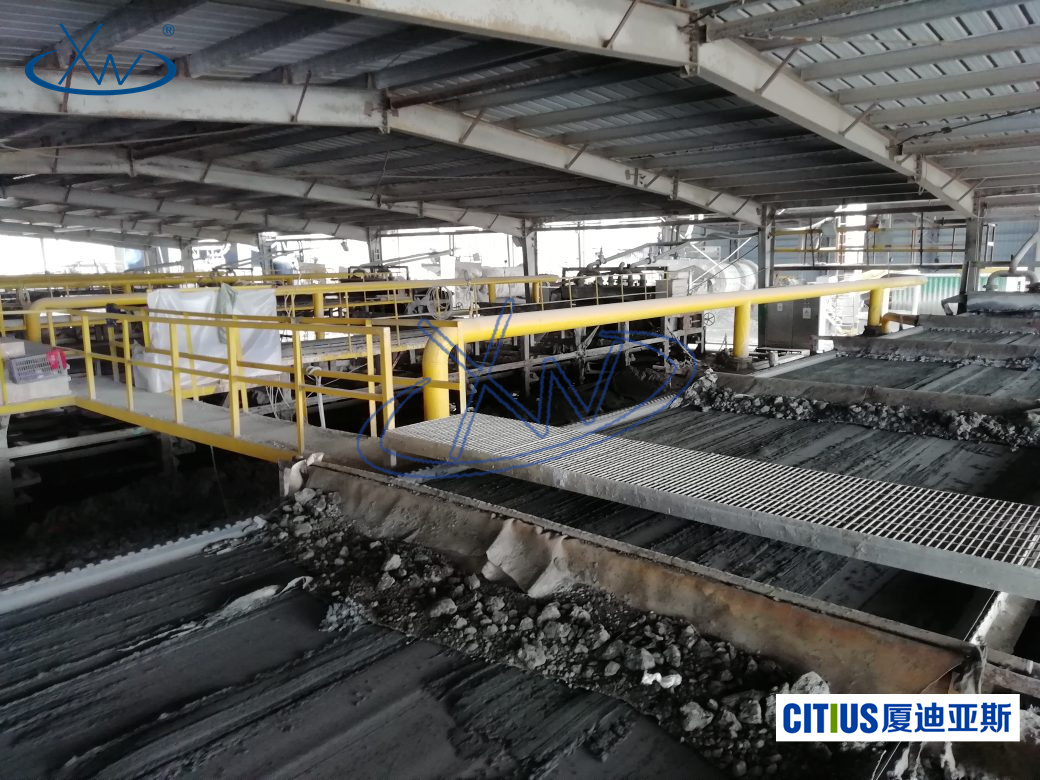
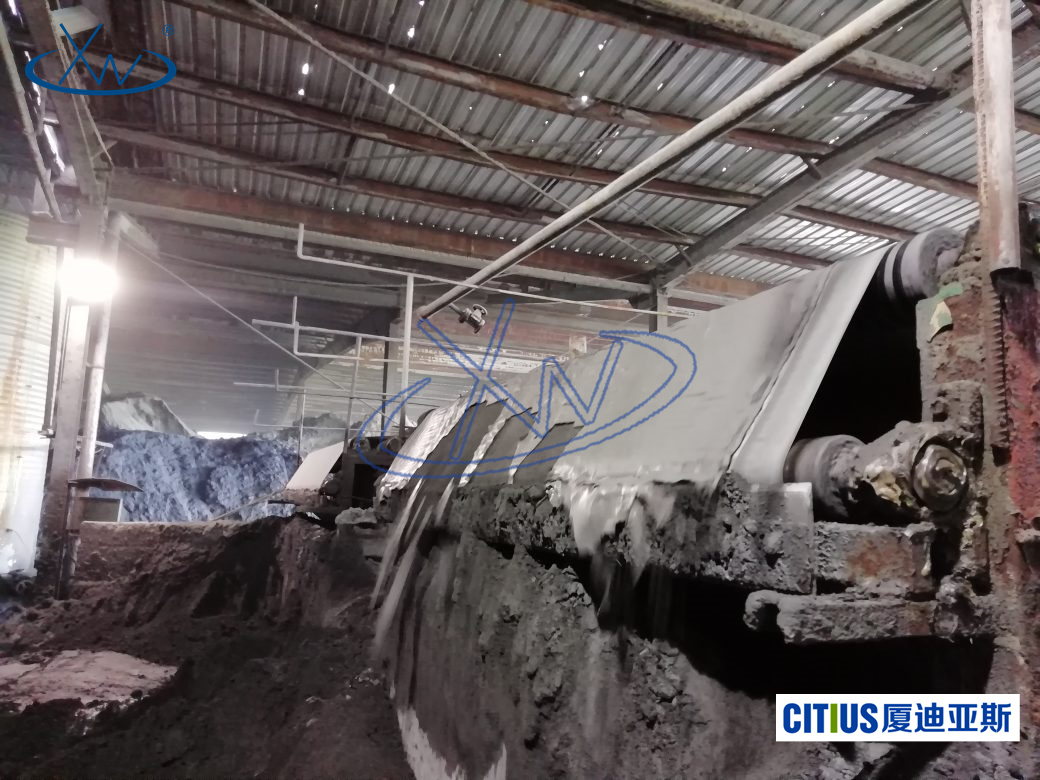
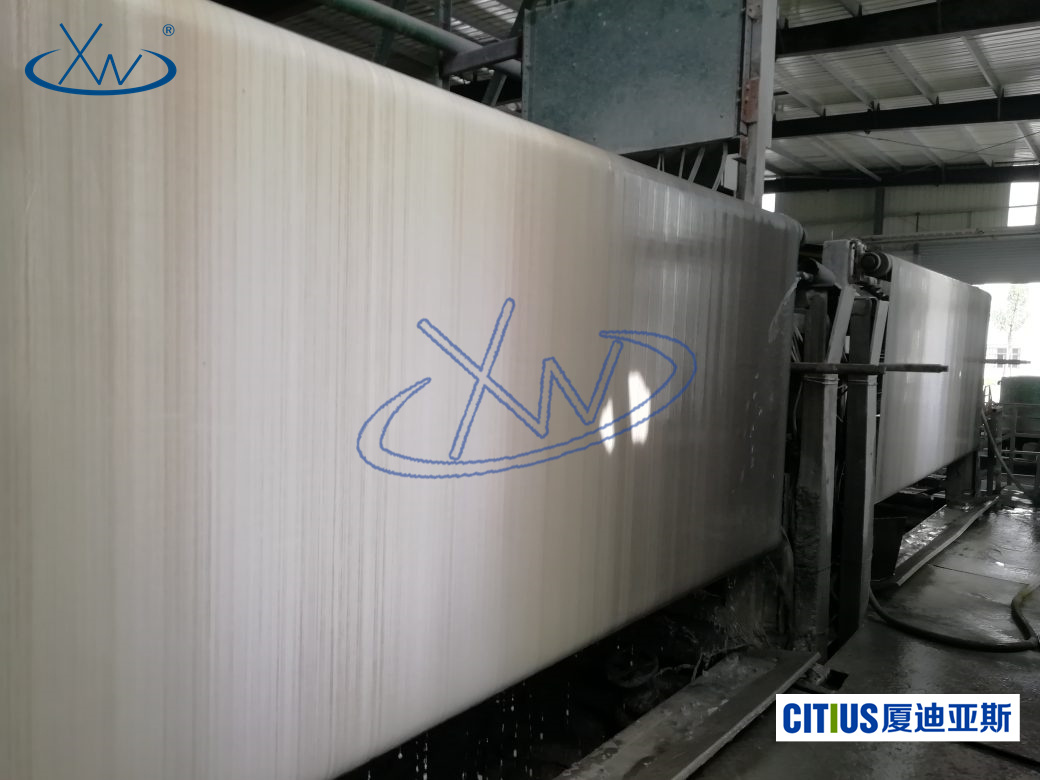
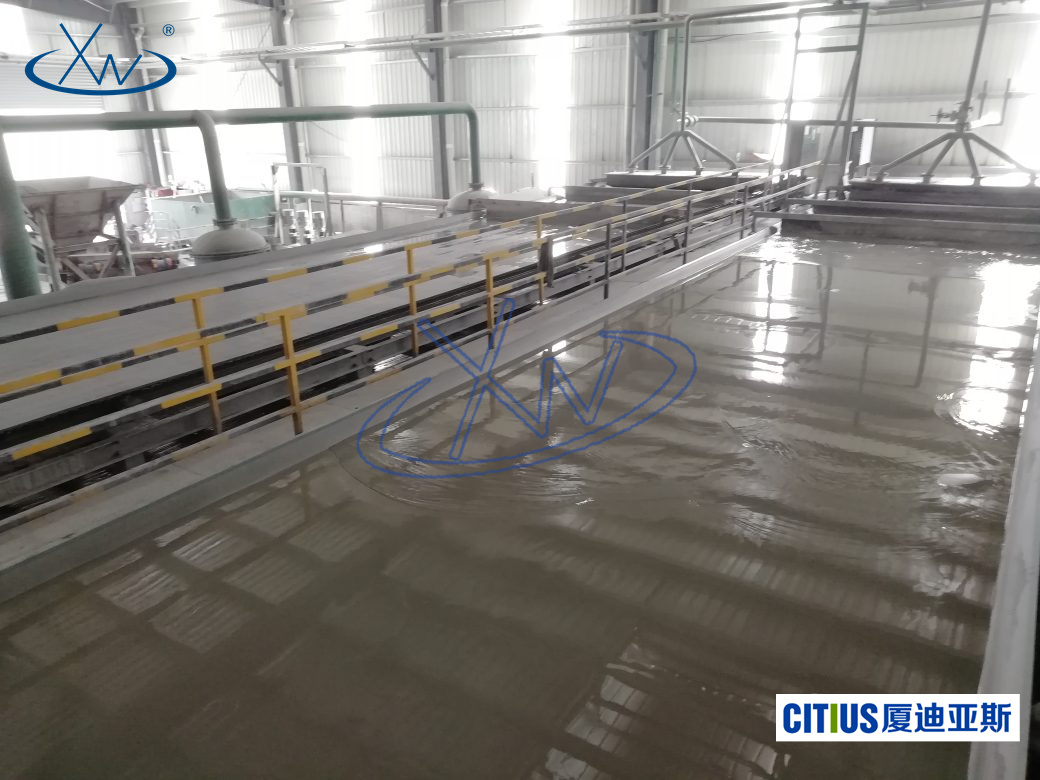
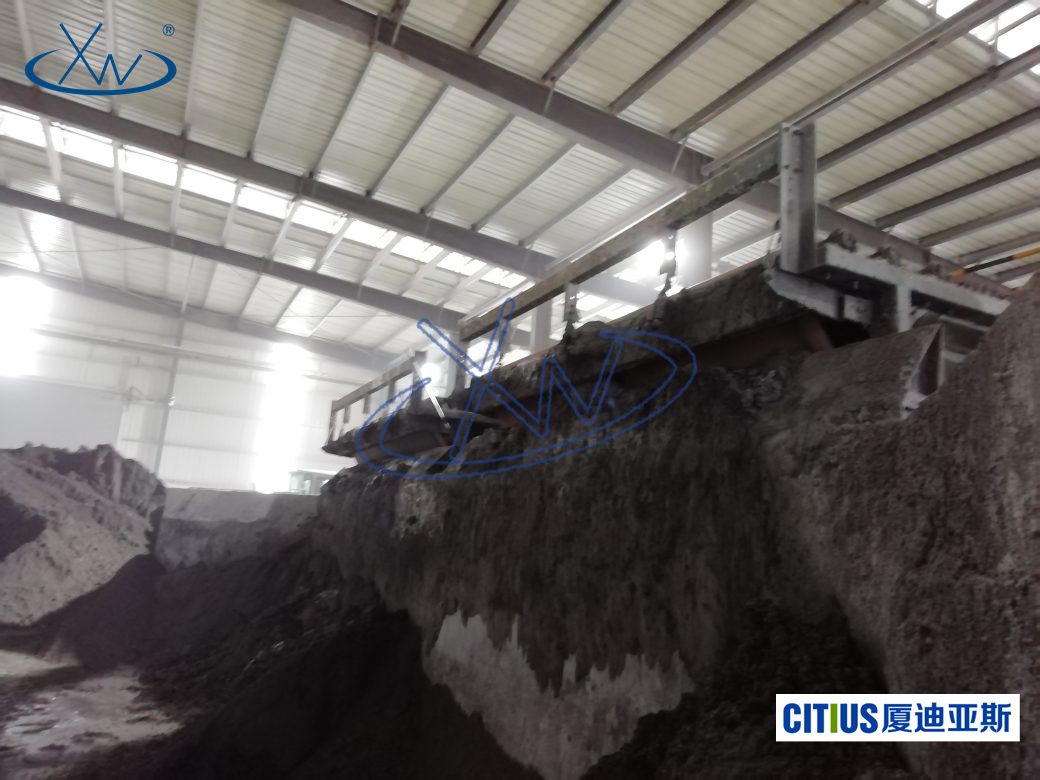
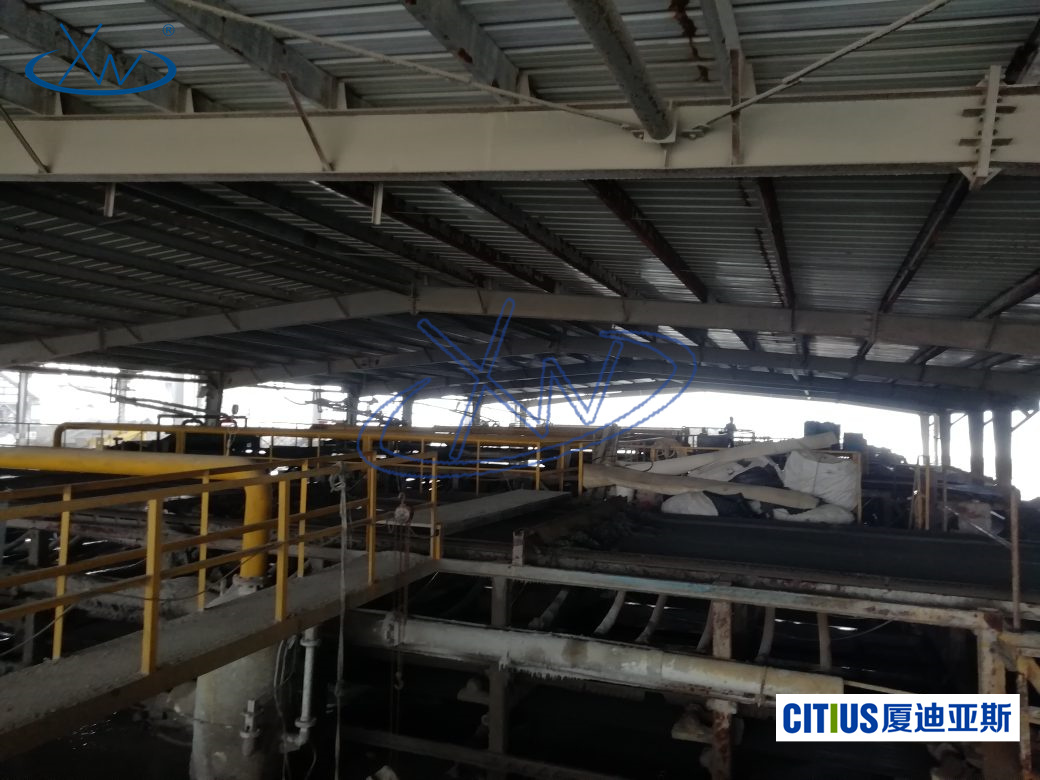
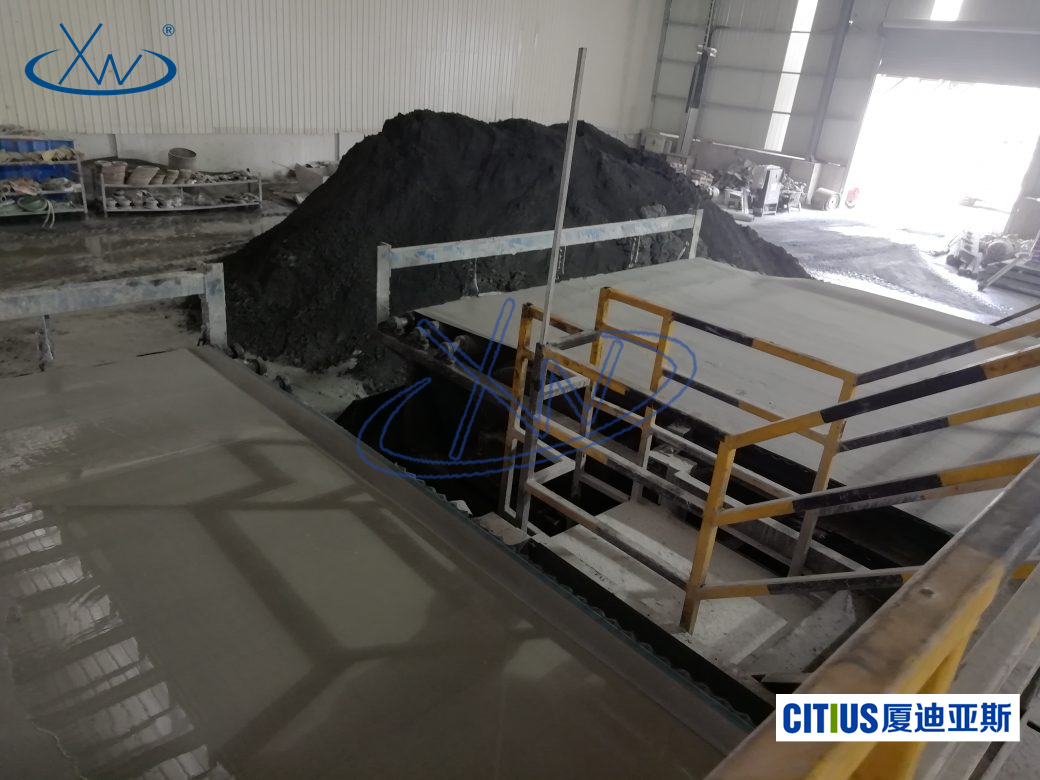
Highly Effective Application of Industrial Filter Cloth in Slag and Ash Treatment at the Nickel Industry Ball Mill Workshop
—— Practical Observations Based on the Horizontal Vacuum Belt Filter
In the complex process of hydrometallurgy for nickel, the ball-milling workshop is one of the critical nodes in the entire system. The slurry formed after the ore is ground by ball milling contains a large amount of fine metal oxides, sulfides, and impurity slag. Efficient solid-liquid separation in this stage not only affects the nickel recovery rate but also directly impacts the energy consumption and operational stability of the production system.
In recent years, horizontal vacuum belt filters ( Horizontal Vacuum Belt Filter, HVBF ) With its continuous, closed, and visualized operational features, it has become a widely adopted solid-liquid separation device in the nickel industry's slag and ash treatment process. And at the core of this system —— Industrial textile technology is playing a crucial role on filter cloths (also known as filtration belts).
I. Process Challenges in Slag and Ash Treatment
The nickel ore slurry has an extremely fine particle size after ball milling, with most particles smaller than 75μm , some of which can reach the micrometer level; this results in high slurry viscosity and significant filtration resistance. The slag ash contains residual unreacted materials as well as particles that are difficult to settle. As a result, conventional gravity settling or plate-and-frame filtration methods clearly fall short in terms of processing efficiency, filter cake moisture content, and operational continuity.
In this context, HVBF It becomes the ideal choice, as its continuous operation can significantly enhance processing capacity—capable of handling up to tens of tons of dry slag per machine. / Hours), while simultaneously achieving automatic filter cake discharge, washing, and regeneration.
But what truly determines the filtration effect is the performance of the filter cloth. —— Including Interception accuracy, gas permeability and liquid transmittance, anti-clogging performance, and peel-off regeneration capability Etc.
II. Filter Cloth in HVBF The work characteristics within
In a horizontal vacuum belt filter, the filter cloth plays a triple role:
- Solid-liquid separation medium —— The slurry forms a filter cake on the surface of the filter cloth, while the clear liquid passes through the cloth into the vacuum zone.
- Bearing and Transmission Structure —— A sealing layer is formed between the filter cloth and the vacuum chamber, bearing both the vacuum suction force and the weight of the material.
- Dynamic Operating Component —— The filter cloth must maintain stable tension, a smooth surface, and excellent wear resistance during continuous cyclic operation.
Therefore, a high-performance filter cloth is not only “ Separation medium ” , and even more so High-Load Sports Fabric System 。
3. Citiuss CITIUS Solutions for Nickel Slag and Ash Treatment
Relying on 30 Years of industrial filtration experience, Xiamen Xedia Filter Materials Technology Co., Ltd. Xiamen Citius Filter Media Technology Co., Ltd. ) Has accumulated extensive field experience in nickel smelting and hydrometallurgical processing. Specifically addressing the characteristics of slag and ash from the ball-milling workshop, Citiuss CITIUS Offering a variety of dedicated models HVBF Filter cloth solutions :
- Optimize the weaving structure : Utilizing a composite weaving of high-strength monofilament and multifilament fibers creates a smooth surface that minimizes filter cake adhesion, thereby enhancing filter cake release efficiency.
- Enhance wear resistance and tensile strength : Maintains stable and even performance under high vacuum and prolonged tension operation, extending service life.
- Micro-aperture Control Technology : The pore size distribution is uniform, effectively trapping fine particulate matter while ensuring rapid liquid permeation.
- Customizable Surface Treatment Such as gluing, edging, heat setting, ultrasonic sealing, and more—these processes enhance the edge sealing performance and overall strength of the filter cloth.
In some nickel plant practices, Citiuss CITIUS Filter cloth assembly HVBF After the system, The moisture content of the filter cake is reduced. 8–12% , the unit's processing capacity has improved by approximately 15% , and the filter cloth's service life is extended 30% That's all.
IV. Key Points for Operation and Maintenance
In practical applications, the performance of filter cloths depends not only on their design but also on operation and maintenance.
- Vacuum Zone Pressure Control : Proper vacuum distribution helps ensure even stress on the filter cloth, preventing “ Localized drying ” Or “ Pasted Cloth ” Phenomenon;
- System Cleaning Optimization : Use backwashing or a high-pressure spray system to regularly remove surface debris and maintain permeability;
- Tension and Misalignment Adjustment : Maintaining constant filter cloth tension and automatically correcting misalignment can effectively prevent edge wear;
- On-site Regeneration Maintenance : Citiuss CITIUS Providing filter cloth regeneration, cleaning, and condition assessment services to extend their secondary lifespan.
V. Trends: From “ Filter medium ” To “ System Solutions ”
As the nickel industry moves toward greater automation and lower energy consumption, solid-liquid separation equipment is gradually shifting from “ Single-machine efficiency ” Turning “ System Optimization ”。
Citiusas CITIUS The concept is also shifting: no longer just providing filter cloths, but actively getting involved in Process adaptation, vacuum system matching, and operational monitoring Within the overall plan.
In the future, new technologies such as nanometer-scale structural design, low-resistance high-flux composite fibers, and smart monitoring filter cloths (capable of sensing tension and flux changes) are set to revolutionize filtration processes in the nickel industry.
Conclusion
In the slag and ash treatment process at the nickel industry's ball milling workshop, industrial filter cloths are no longer “ Auxiliary materials ” Instead, it is a core variable of system performance.
From weaving to craftsmanship, from materials to systems, Citiuss CITIUS Driven by professionalism and innovation, we are advancing the nickel smelting industry toward greater efficiency, cleaner practices, and sustainable development.
Add
No. 16-22 Chunfeng East Road, Xiang'an Torch High tech Zone, Xiamen City, Fujian Province, ChinaAll Rights Reserved. | Privacy Policy |
Tel/ WhatsApp