
-
Filter ClothBelt press filter mesh belt Horizontal belt vacuum filter mesh belt Vertical filter press filter cloth Filter Press Filter Cloth Breathable mesh Technical fabric - drying Technical fabric - high pressure belt Technical fabric - conveyor belt Technical fabric - fiberboard Joint form Edge banding form Accessories (threading)
Search HistoryClear All Records
- All
- Product Management
- News
Livestock Industry: Cow Bedding Material – Belt Press Filter Machine – Spiral Mesh Conveyor Belt
Share to
Detailed Description
- Livestock Industry: Cow Bedding Material – Belt Press Filter Machine – Spiral Mesh Conveyor Belt
Filter machine type: Belt press filter
Application Industry: Livestock Industry
Handling Material Description: Cow Bedding Materials
Filter cloth model numbers: 061/055/057
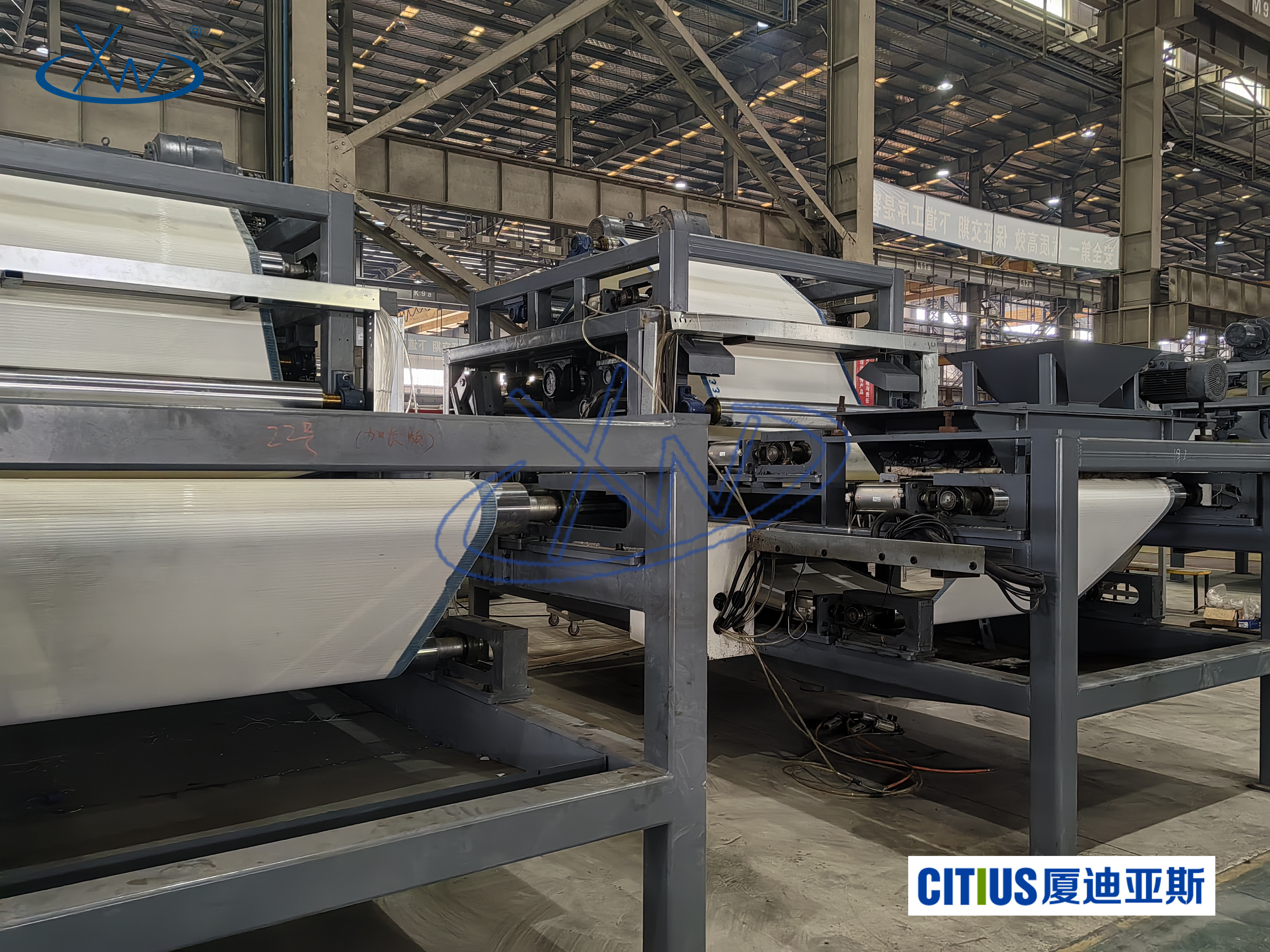
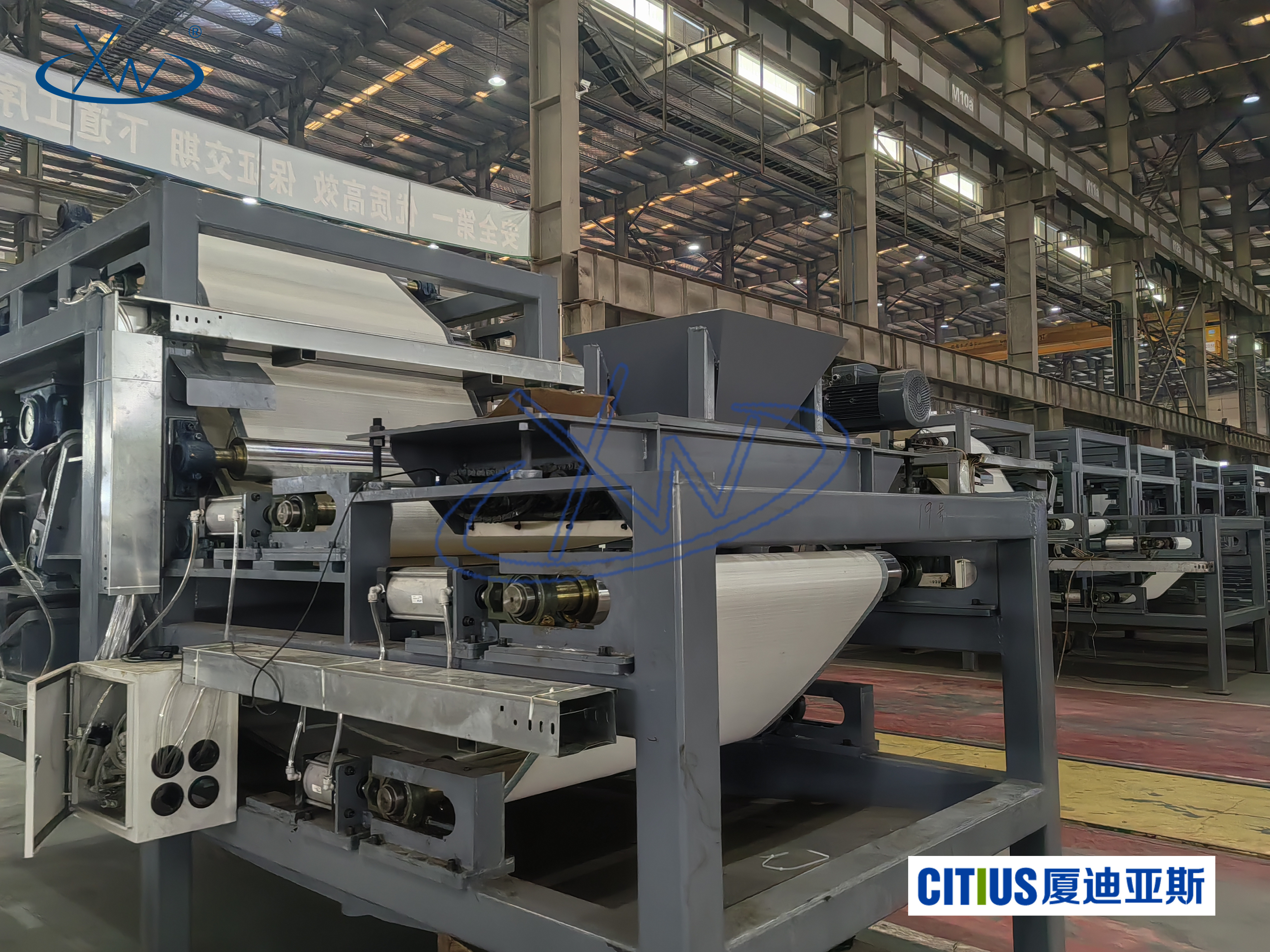
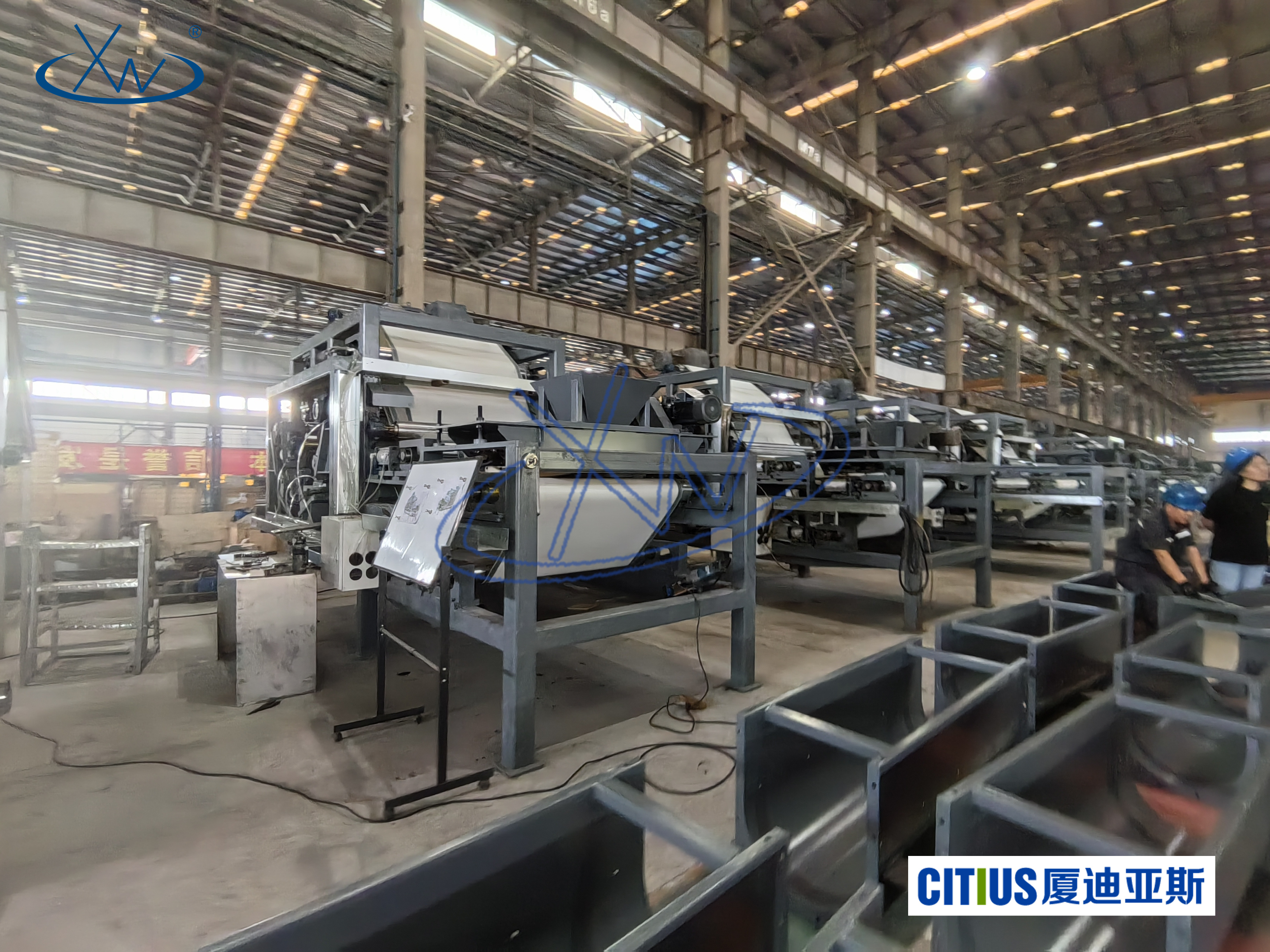
High-efficiency filtration solutions for the recycling of cattle bedding materials in the livestock industry —— Applications of the Spiral Mesh Belt Press Filter Machine
In recent years, driven both by intensification and environmental sustainability, the resourceful utilization of cattle farm waste has emerged as a key direction for industry development. The circular reuse of cattle bedding materials—such as cow manure-sand mixtures and fermented bed residues—not only helps reduce emissions from livestock waste but also offers a sustainable solution for integrated agricultural and pastoral development. And in this process, Belt Press Filtration Machine Combined with Spiral Mesh Belt Technology is becoming a crucial piece of equipment supporting solid-liquid separation of manure and bedding regeneration.
I. Pain Points and Challenges in Livestock Waste Management
Traditional livestock farms typically use scraping, sedimentation, or screw pressing to separate solids from liquids—but these methods often suffer from issues such as high moisture content, unstable residue output, and excessive energy consumption. In particular, during the reuse of cow bedding materials, the high moisture level not only reduces fermentation efficiency and increases drying energy costs, but also poses risks of secondary contamination and hygiene concerns.
To achieve “ Reduction, resource utilization, and harmlessness ” The goal is for livestock farming to begin adopting continuously operating systems. Belt Press Filter Machine , by leveraging the synergistic effect of physical pressing and gravity-based dewatering, the solid-liquid separation efficiency is significantly enhanced, reducing the moisture content in the residue to 60% Following this, ideal conditions are provided for bedding material recycling and subsequent fermentation.
II. The Core Function of Belt Press Filters
The belt press filter utilizes two upper and lower filter belts to clamp the material, achieving deep dewatering of the solid fraction in sludge or cow manure through multi-stage roller tensioning and optimized pressure distribution. Compared to traditional filtration methods, its key advantages lie in:
- Continuous operation, high efficiency : Suitable for the continuous processing needs of large-scale ranches;
- Low energy consumption, stable operation : The mechanical structure is simple, resulting in low maintenance costs;
- Dehydration is thorough, and the material can be reused. : The residue has high dryness, making it suitable for use as bedding material or raw material for organic fertilizer.
However, the core of a belt filtration system lies in the selection and structural design of the filter belt material, among which, ** Spiral mesh conveyor belt Spiral Mesh Belt ) ** Playing a crucial role.
III. Advantages of Spiral Mesh Belts in Cow Bedding Material Handling
Xiamen Xedia Filter Materials Technology Co., Ltd. Xiamen Citius Filter Media Technology Co., Ltd. As a leading brand in China's industrial filtration materials and technical fabrics, we have been deeply rooted in the filtration industry for three decades, accumulating extensive expertise in livestock manure management and the supporting field of belt filter machines.
Its production Spiral Mesh Conveyor Belt Specifically designed for high-load, continuous pressing conditions, it offers the following technical advantages:
- High-strength monofilament structure
The mesh belt is woven from high-quality polyester monofilaments, offering high tensile strength and excellent wear resistance, making it well-suited for the high-friction operating environment created by the mixture of sand particles and fibers found in cow manure. - Excellent dehydration performance
Employing precision weaving technology and heat-setting processes, it ensures uniform mesh openings, a smooth surface, and effortless liquid drainage, effectively preventing clogs and indentation formation. - Anti-stick and Easy-to-Clean Design
For high-viscosity cow manure slurry with high organic content, Citiuss offers anti-stick coatings and microporous calendering treatments to minimize residue adhesion and enhance mesh belt cleaning efficiency. - Excellent alkali and hydrolysis resistance
The mesh belt can withstand the ammoniacal and alkaline environment in cattle manure liquid for extended periods, offering excellent hydrolysis resistance and a long service life, thereby reducing replacement frequency. - Customizable Services
Offering various aperture sizes, jointing methods, and edge-reinforcement structures to seamlessly fit both domestic and imported belt press machines, enabling quick assembly and maintenance.
IV. Sustainable Solutions to Support Green and Circular Livestock Farming
By adopting the Xadis spiral mesh belt-based belt press filtration system, the ranch can not only efficiently separate solid and liquid components from cow manure, but also directly recycle the solid fraction as bedding material for reuse or composting fermentation, thereby achieving the following objectives:
- Reduce drying and transportation costs : Dehydration reduces the moisture content 30% The above;
- Enhancing bedding quality and comfort : Even material distribution and excellent air permeability contribute to the health of cattle;
- Reducing environmental pollution and carbon emissions : Compliant with national standards “ Dual Carbon ” Strategic and Green Farming Standards.
The promotion of this technological solution marks the transition of livestock manure resource utilization from “ Rough-and-ready handling ” Moving toward “ Precision filtration and recycling ” A new stage has arrived. In the future, as smart control technology merges with advanced materials, the spiral mesh belt press filter will continue to play a vital role in various environmental applications, including livestock farming, agricultural waste management, and biogas slurry treatment.
[Conclusion]
Xiamen Xediaos with “ High-quality filtration media, building a clean production system ” Driven by our vision, we are committed to providing comprehensive system solutions for livestock farming, environmental engineering, and solid-liquid separation in agriculture. The innovative application of spiral mesh conveyor belts not only helps farms achieve efficient, energy-saving manure management but also paves the way for a new model of agricultural circular economy and sustainable, eco-friendly development.
Add
No. 16-22 Chunfeng East Road, Xiang'an Torch High tech Zone, Xiamen City, Fujian Province, ChinaAll Rights Reserved. | Privacy Policy |
Tel/ WhatsApp