
-
Filter ClothBelt press filter mesh belt Horizontal belt vacuum filter mesh belt Vertical filter press filter cloth Filter Press Filter Cloth Breathable mesh Technical fabric - drying Technical fabric - high pressure belt Technical fabric - conveyor belt Technical fabric - fiberboard Joint form Edge banding form Accessories (threading)
Search HistoryClear All Records
- All
- Product Management
- News
Belt filter cloth – Belt Press Filter Machine – Food Tomato Wastewater Treatment
Share to
Detailed Description
The Application of Industrial Filter Cloth in Food Tomato Wastewater Treatment
—— Citius's Belt Press Filtration Technology: A Solid-Liquid Separation Solution
In the food processing industry, the production of tomato products is a typical process chain characterized by high water consumption and significant pollution. During the manufacturing of tomato sauce, tomato juice, and canned tomatoes, wastewater often contains large amounts of organic matter, fruit peels, seeds, suspended solids, as well as some sugars and pectin. If this type of wastewater is discharged directly without effective treatment, it will not only impose a heavy burden on the environment but also lead to additional issues. COD 、 BOD Issues such as exceeding standards increase environmental pressure on businesses.
Against this backdrop, Solid-liquid separation Becoming the core component of tomato wastewater treatment. And within the solid-liquid separation technology system, The combination of belt press filters with high-performance industrial filter cloths , providing an efficient, economical, and sustainable solution for treating food wastewater.
Characteristics and Treatment Challenges of Tomato Wastewater
- High Solid Content and Particle Complexity
The suspended solids in tomato wastewater primarily consist of fruit peel fragments, seeds, and partially undissolved pulp fibers, with a wide range of particle sizes—ranging from tiny colloids to larger-diameter fruit residues. - High organic content
Due to its content of natural sugars, proteins, and pectin, the wastewater COD And BOD The numerical values are high, making them difficult to handle. - Seasonal concentrated emissions
Tomato processing is often concentrated during the harvest season, leading to a large volume of wastewater discharged within a short period. This places higher demands on the stability of treatment facilities and the performance of filter cloths. - Environmental Compliance and the Demand for Resource Utilization
At “ Dual Carbon ” Under the trend of green food production, wastewater treatment is not only about meeting emission standards—it also involves the recovery and reuse of by-products (such as sludge and tomato seed oil). This, in turn, demands that solid-liquid separation equipment be both highly efficient and capable of recycling.
The advantages of belt press filter machines
In wastewater treatment within the food industry, Belt Press Filter Machine It is gradually becoming the mainstream choice, with its core advantages primarily evident in:
- Continuous operation : Ideal for high-volume wastewater treatment, particularly meeting the seasonal peak demands of tomato processing.
- High dehydration rate : Multi-stage pressing can significantly reduce the moisture content of sludge or fruit pulp, easing the burden of subsequent treatment processes.
- Low energy consumption and low chemical usage Compared to centrifuges, it consumes less energy and flocculant, making operational costs more manageable.
- Stable operation and easy maintenance : The mechanical structure is simple, making it easy to operate and clean, and well-suited for food processing plant environments.
However, the efficiency and reliability of belt press filters depend on a critical step. —— The Selection and Application of Filter Cloth 。
Citius's Industrial Filter Cloth Technical Solution
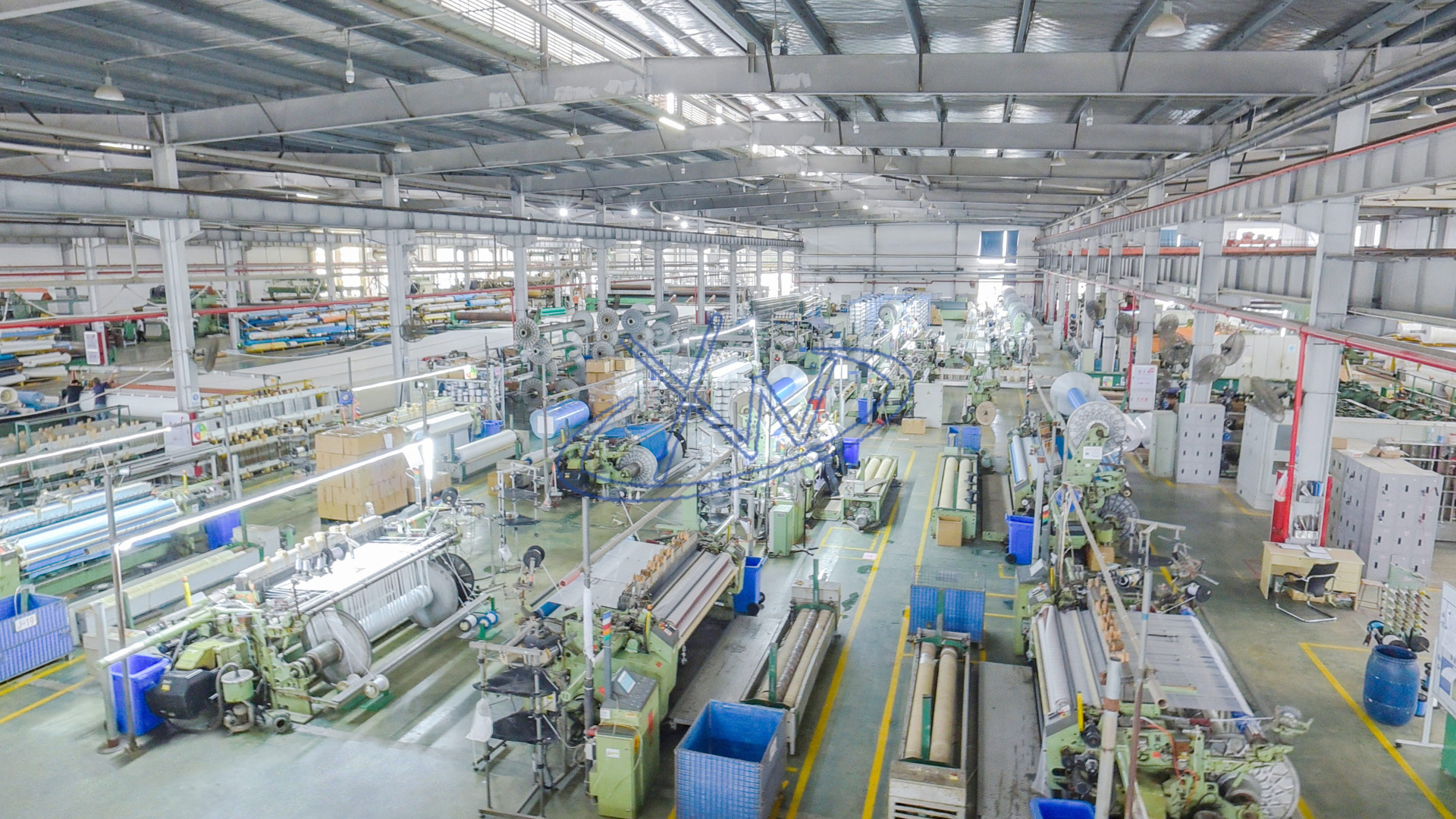
As an expert in the research, development, and manufacturing of industrial filtration systems, Xiamen Xedia Filter Materials Technology Co., Ltd. We have accumulated extensive experience in the field of food wastewater treatment. Tailoring solutions to the unique characteristics of tomato wastewater, the company has developed customized approaches in filter cloth design and processing techniques:
1. Filter cloth structure optimization
- Employing a specific weaving technique, the filter cloth achieves both Interception Performance and Permeability It can effectively retain tomato seeds and skins while ensuring the filtrate flows through quickly.
- Smooth surface design reduces pulp residue, enhances filter cake detachment efficiency, and prevents clogging.
2. Durability and Regenerative Performance
- Citius filter cloths boast excellent tensile strength and abrasion resistance, enabling them to withstand the mechanical stress generated by multi-stage roller pressing in belt presses.
- The filter cloth boasts excellent cleaning and regeneration performance, allowing for rapid restoration of filtration efficiency through high-pressure water rinsing or an online cleaning system, thereby reducing operational costs.
3. Health and Food Safety Standards
- Use materials that meet food-contact safety standards to prevent secondary contamination.
- The filter cloth production process is strictly implemented. ISO The quality management system meets the stringent hygiene requirements of the food industry.
4. Customized Processing Services
- Provide Edge binding, glue brushing, punching, and stitching Customized processing is conducted to ensure the filter cloth perfectly matches the customer's equipment.
- For different pressing conditions, single-filament, double-layer, or composite filter cloths are recommended to optimize the overall solid-liquid separation performance.
Application Cases and Effects
In several wastewater treatment projects for tomato-processing enterprises, Citiuss industrial filter cloths have been successfully applied in belt press filters:
- Improved dehydration efficiency 30% Compared to conventional filter cloths, Citiuss' custom-made filter cloths offer a higher filtrate flow rate and significantly improved cake solids content.
- Reduced operating costs 20% : The filter cloth is highly durable, extending its service life and reducing downtime and maintenance costs associated with frequent replacements.
- Waste Resource Utilization : The pomace left after pressing can be utilized as animal feed or biomass energy, while tomato seeds are further refined into edible oil or industrial raw materials, helping businesses establish a circular economy chain.
Market Trends and Sustainable Development
As “ Dual-Carbon Strategy ““ Green Food Certification ” As policies advance, the food industry's wastewater treatment goals have shifted beyond simply meeting discharge standards—they now place greater emphasis on Resource Recycling and Environmental Friendliness Under this trend:
- High-performance filter cloth It will become the core of the belt press filter's competitiveness.
- Customized Solutions It better meets the needs of different enterprises than general-purpose filter cloths.
- Intelligence and Automation Develop in a forward direction, such as integrating with intelligent pressing systems to enable online monitoring and cleaning of filter cloths, thereby enhancing operational efficiency.
As a participant in shaping industry standards and a technology leader, Citiuss is continuously expanding the application scope of industrial filter cloths into more fields—such as food wastewater, chemical effluents, and mining slurries—through ongoing research and development.
Conclusion
Food tomato wastewater treatment is not only an environmental task but also a strategic component for a company's sustainable development. In solid-liquid separation technology, The synergistic effect of belt press filters combined with high-performance industrial filter cloths , providing a solid foundation for enterprises to achieve cleaner production, reduce energy consumption, and promote resource utilization.
As Filter Technology Solutions Expert Citius, with three decades of industry expertise and innovation, is now providing the food sector with more efficient, safer, and cost-effective filter cloth products and system support. Looking ahead, as environmental regulations become increasingly stringent and green manufacturing continues to evolve, Citius will remain committed to partnering with industry leaders, jointly driving the food processing industry toward a cleaner and more sustainable future.
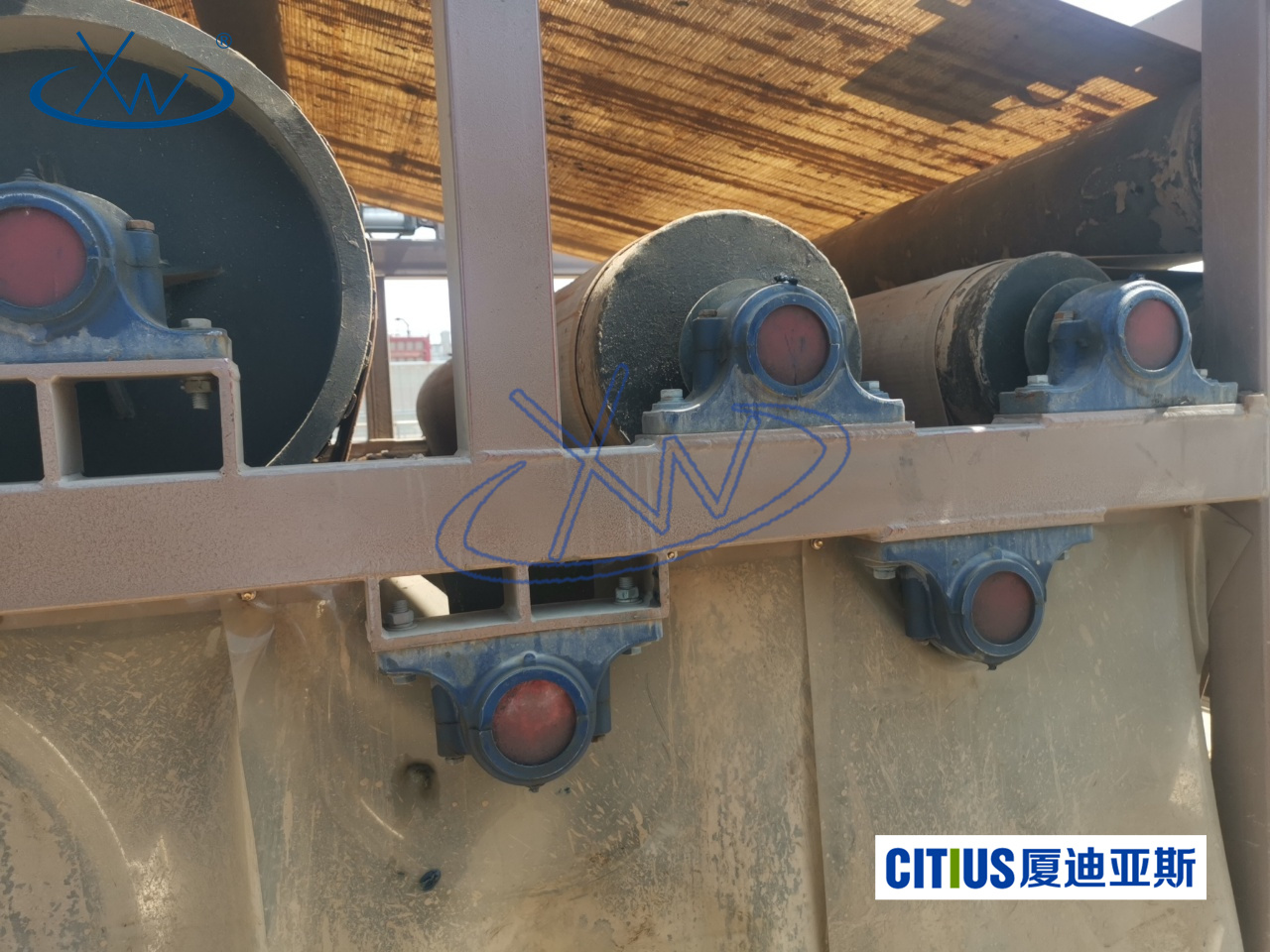
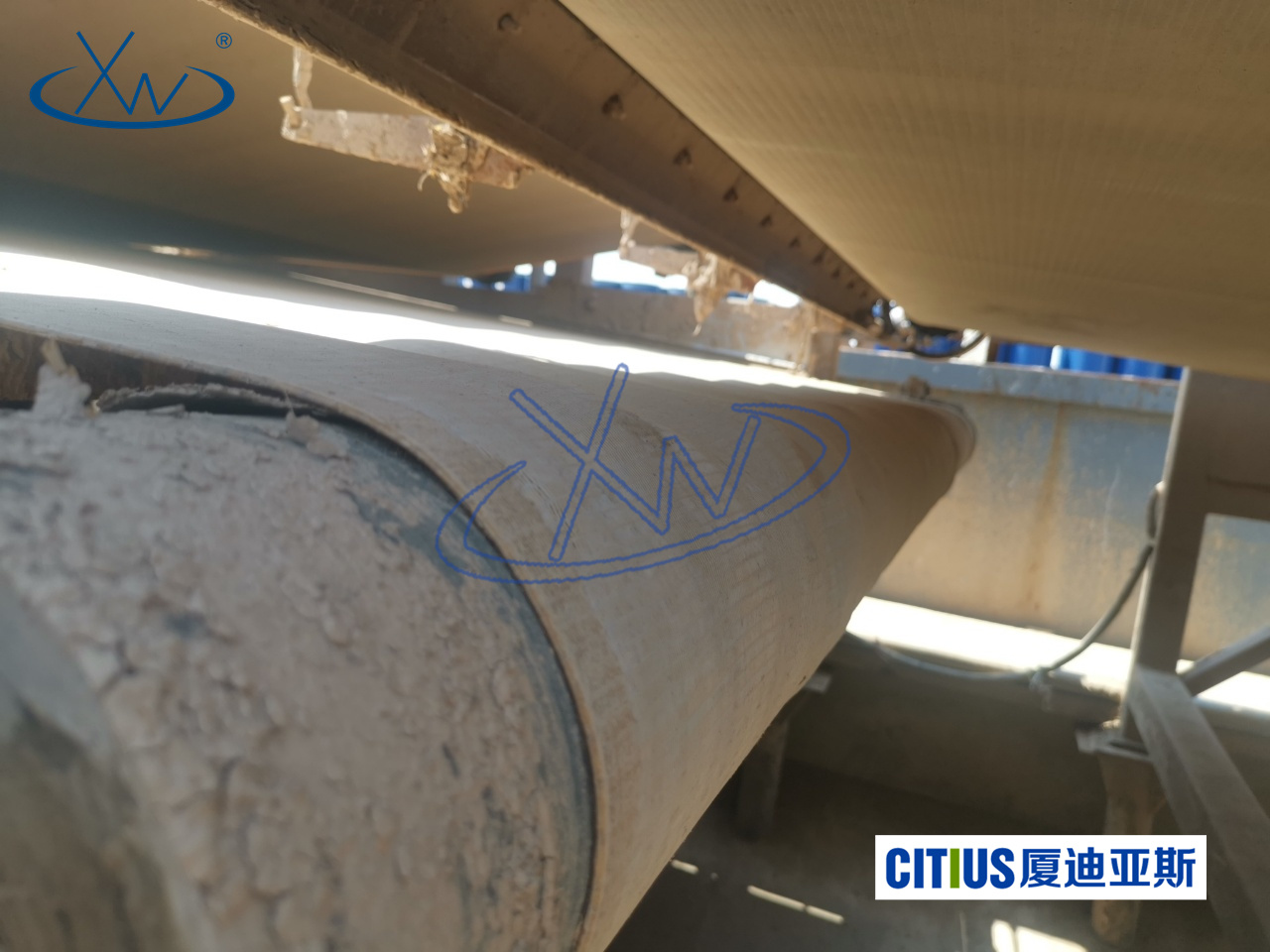
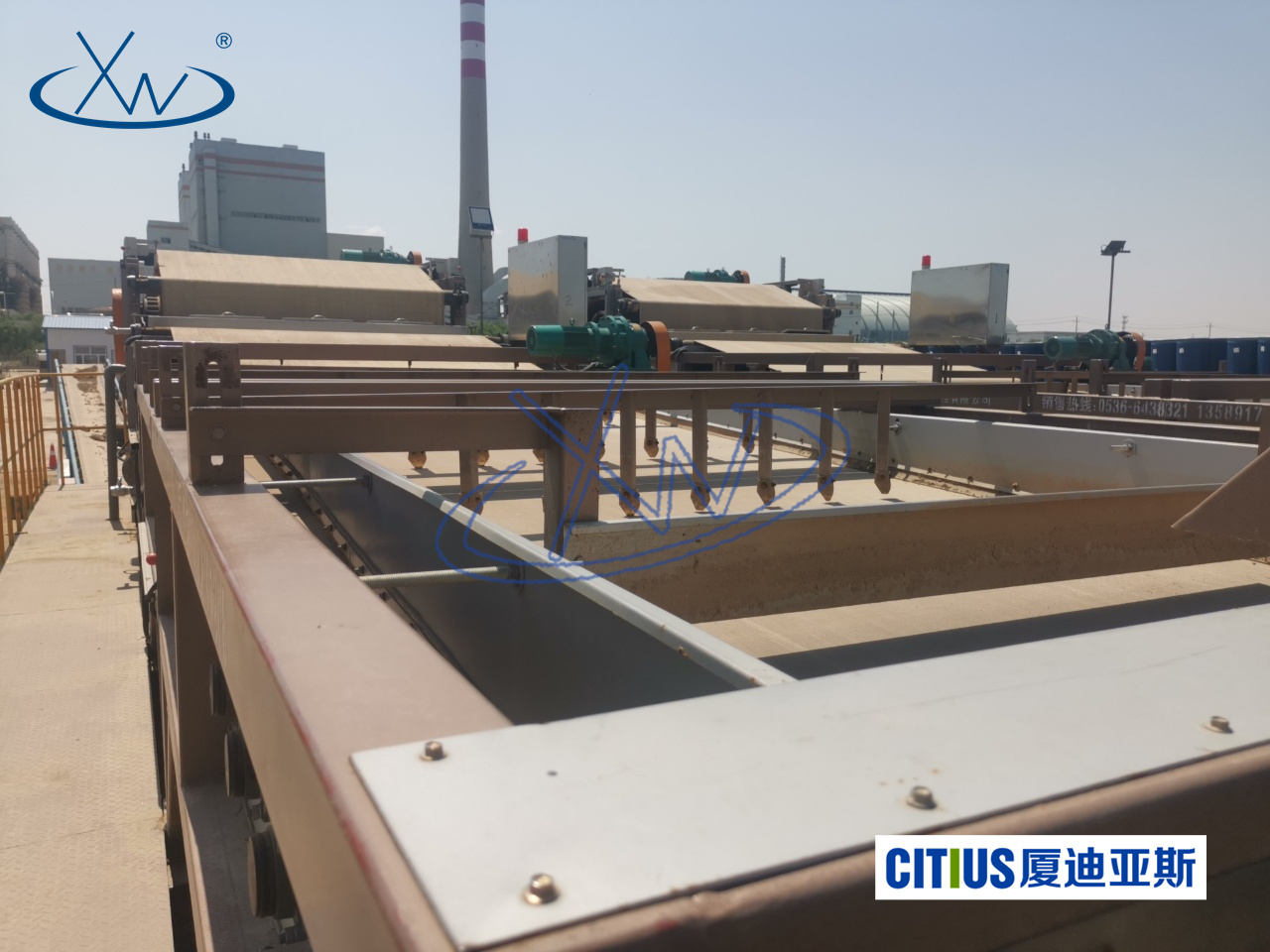
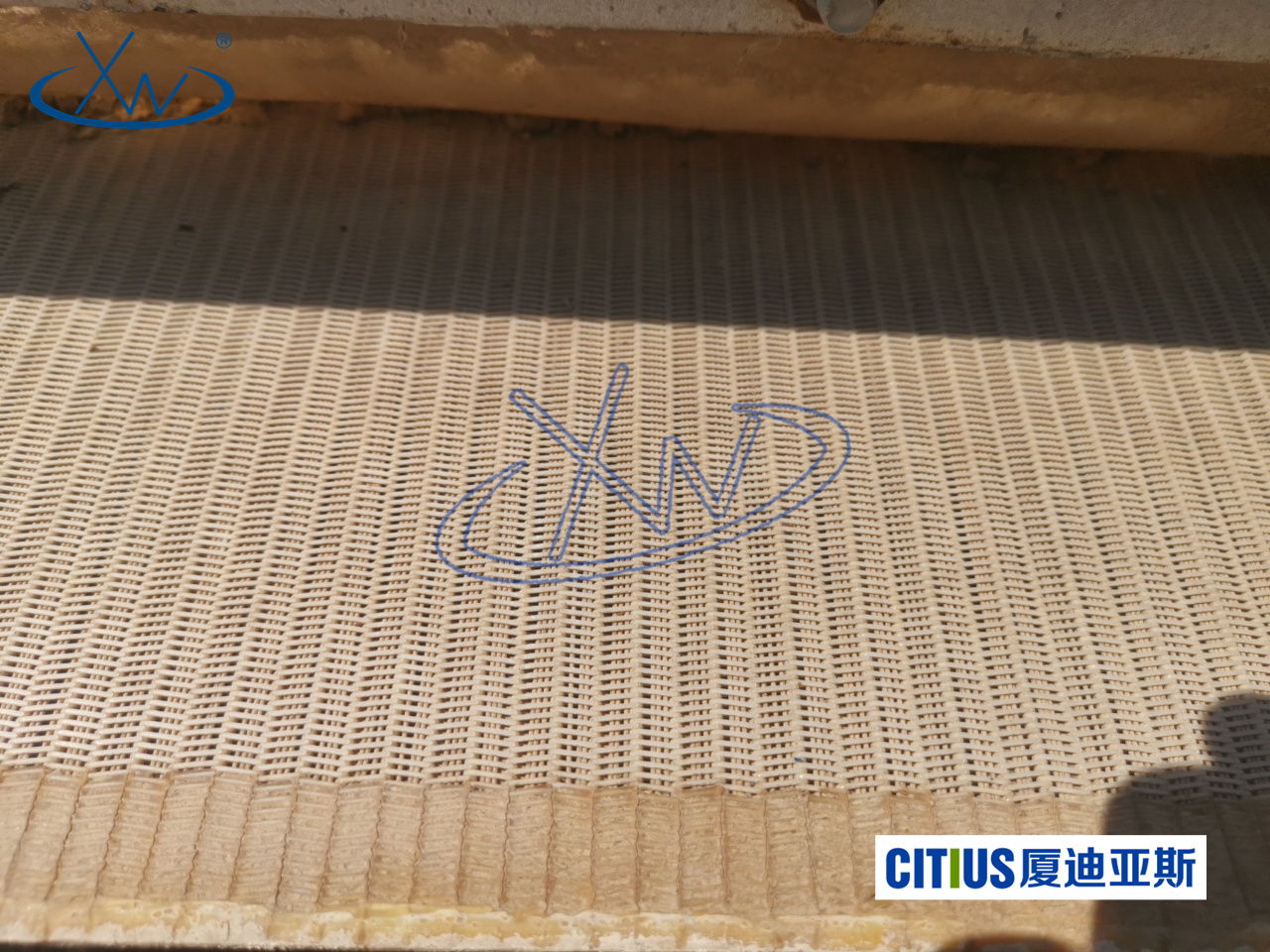
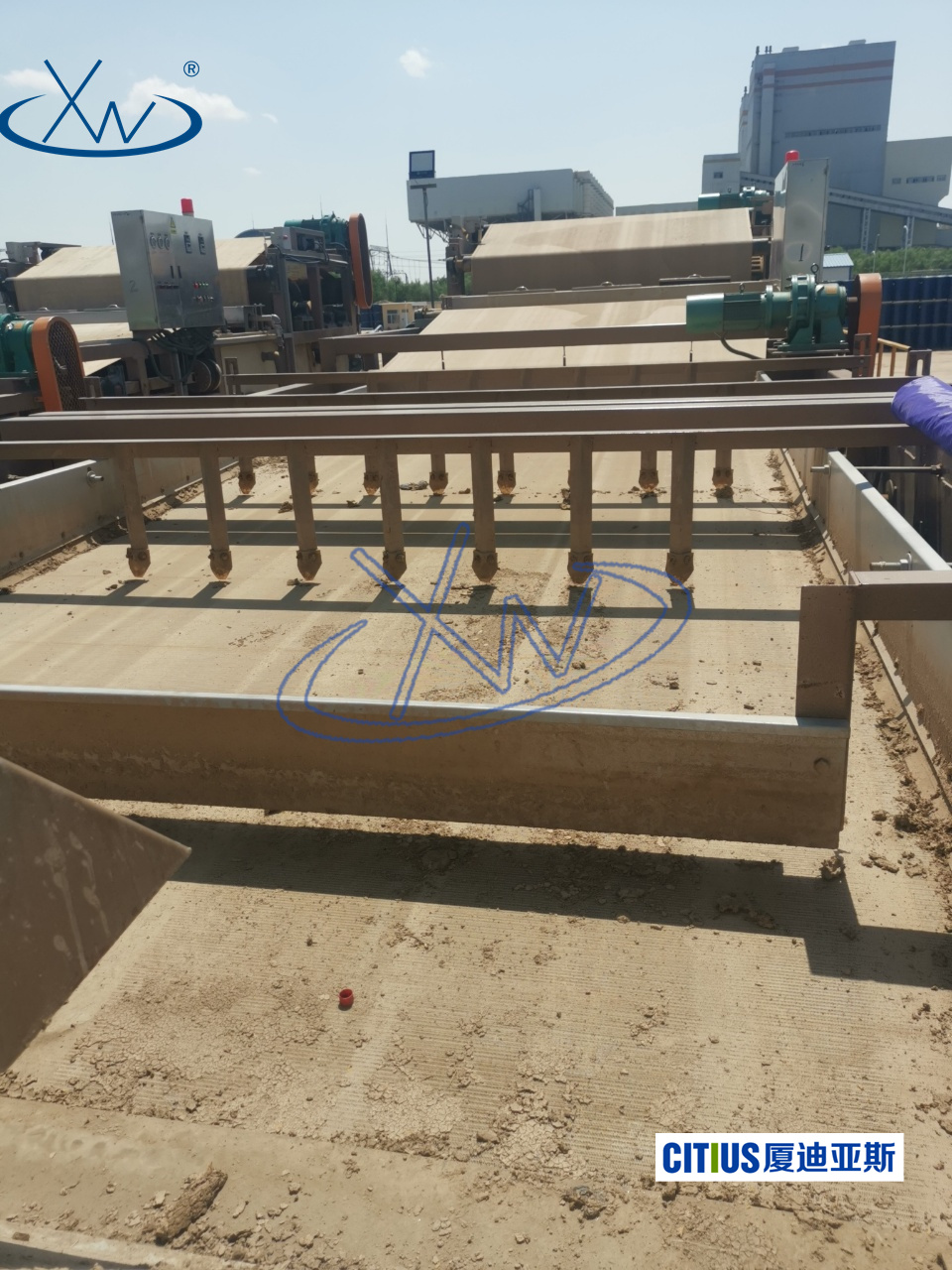
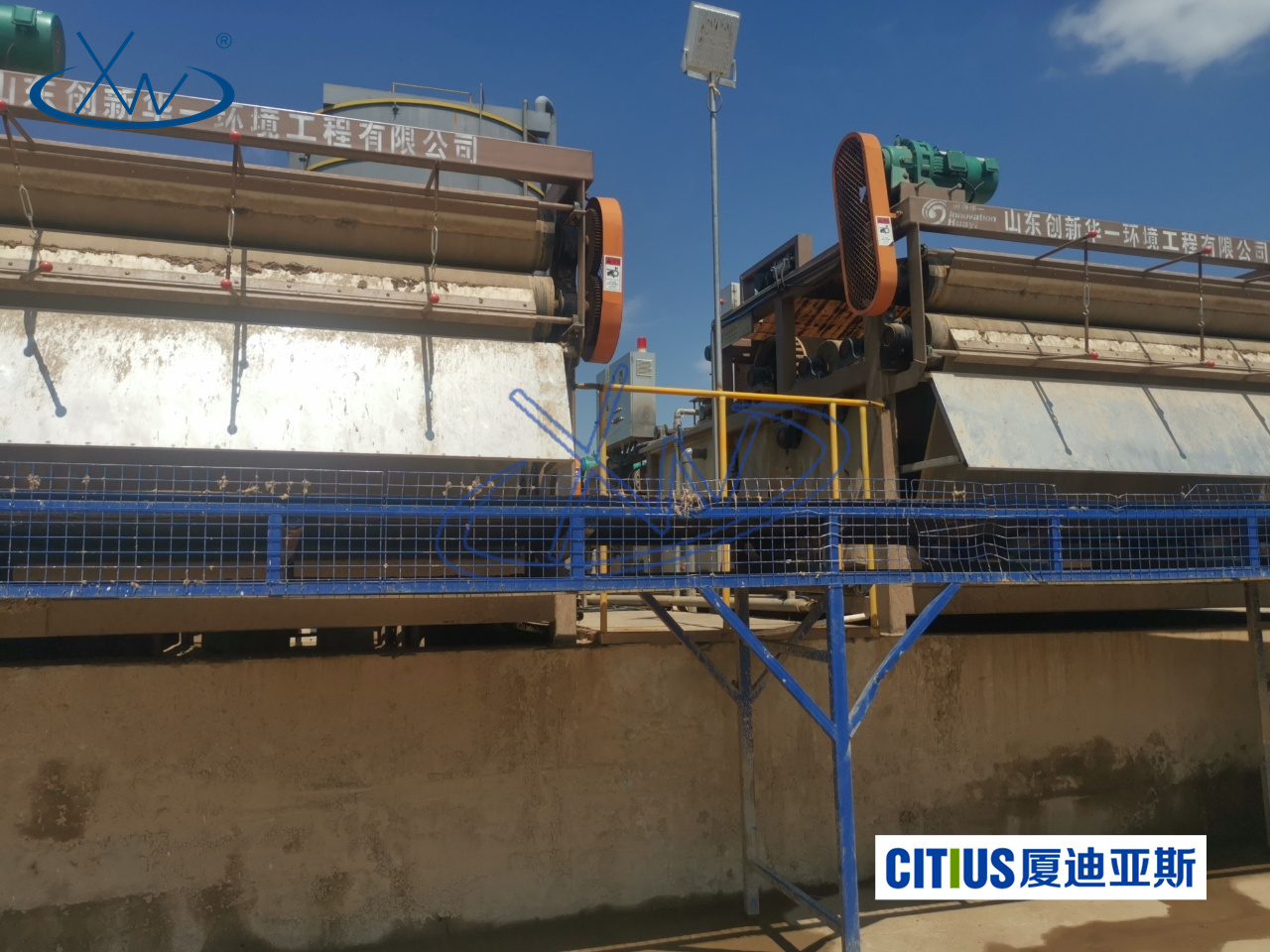
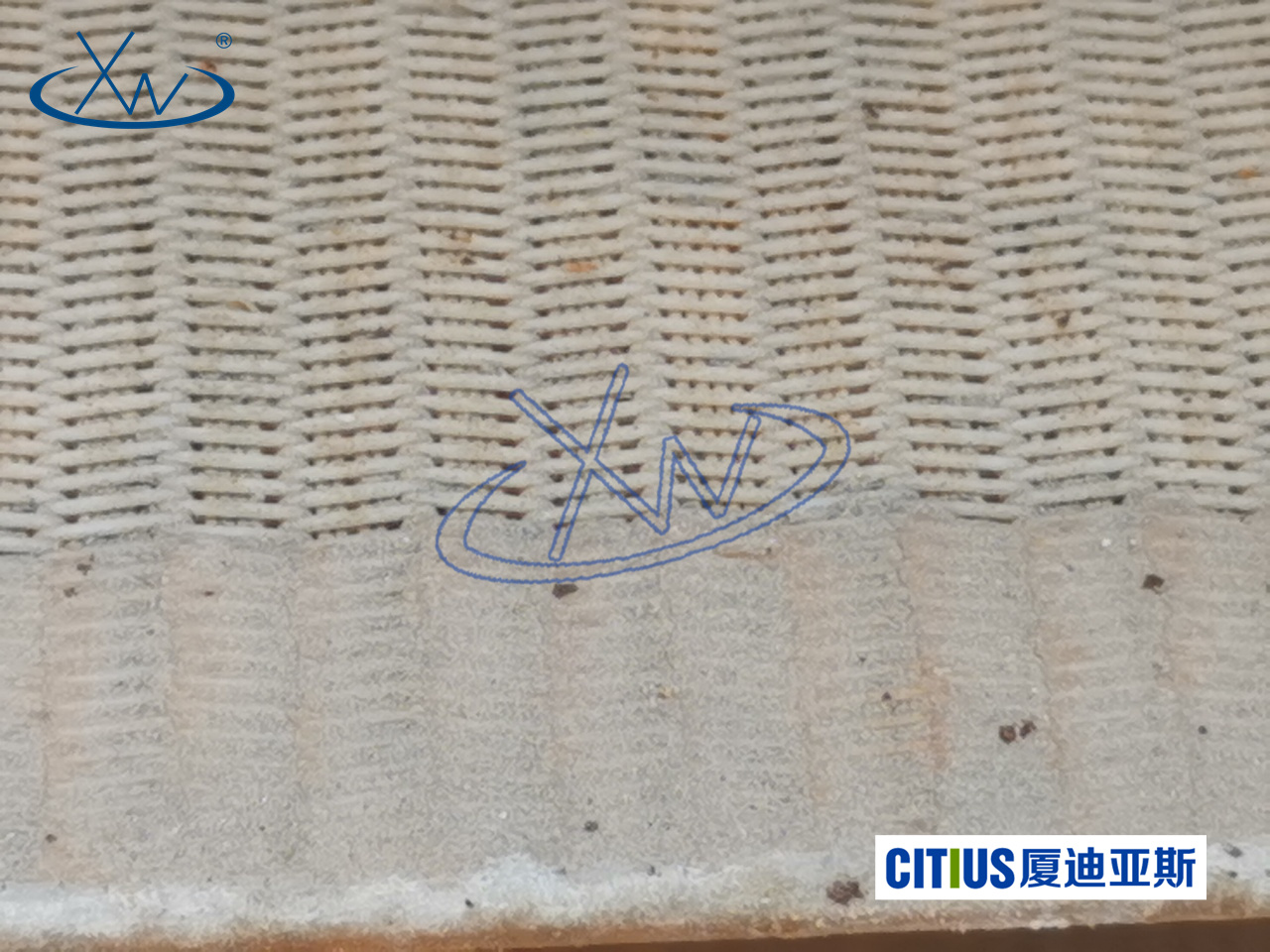
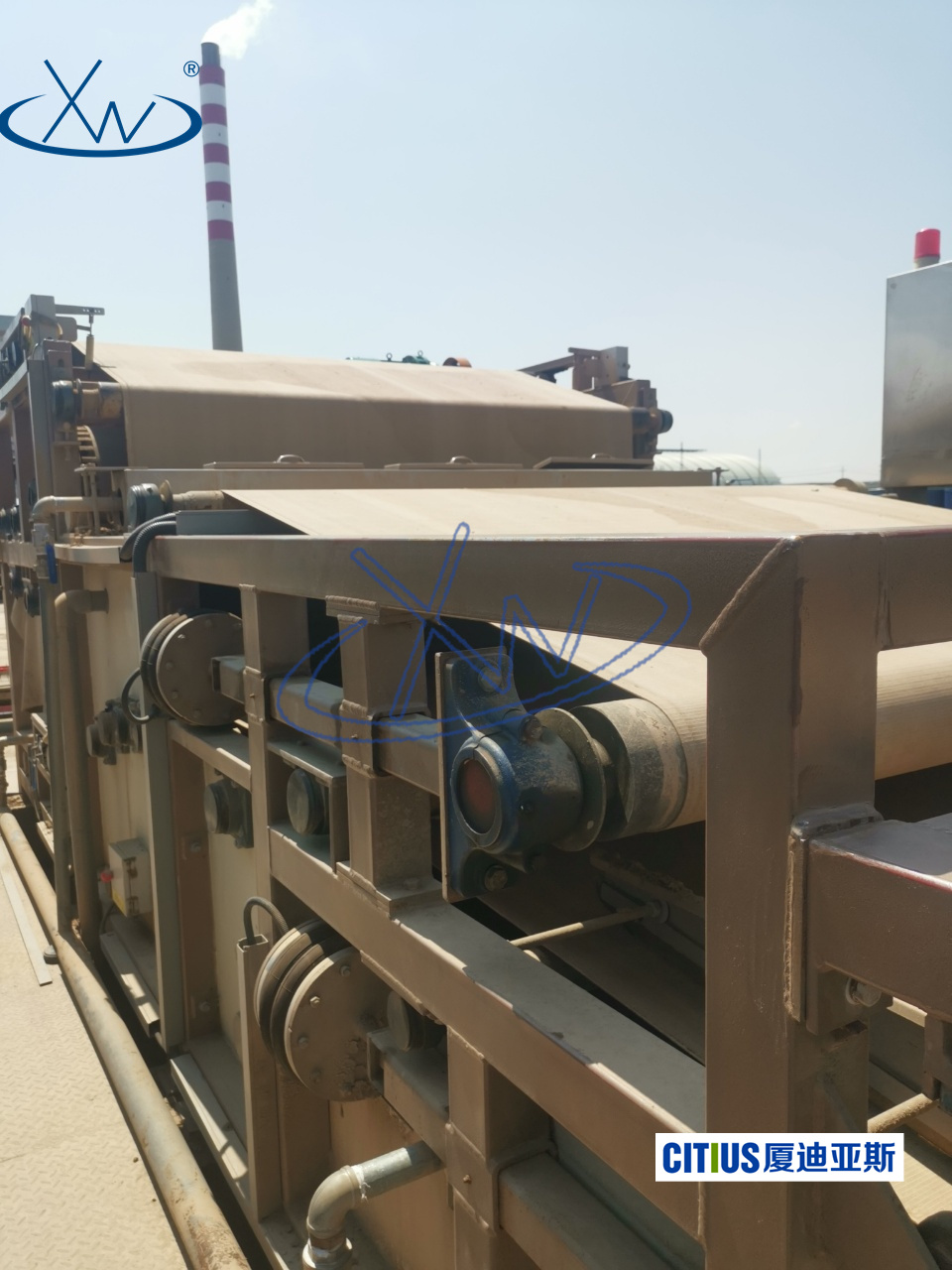
Belt filter cloth with press machine—belt-type squeezing filter—food-grade tomato wastewater treatment
Filter machine type: Belt press filter
Application Industry: Food
Handling Material Description: Tomato Wastewater
Filter cloth model numbers: 051R03, 051R04
Add
No. 16-22 Chunfeng East Road, Xiang'an Torch High tech Zone, Xiamen City, Fujian Province, ChinaAll Rights Reserved. | Privacy Policy |
Tel/ WhatsApp