
-
Filter ClothBelt press filter mesh belt Horizontal belt vacuum filter mesh belt Vertical filter press filter cloth Filter Press Filter Cloth Breathable mesh Technical fabric - drying Technical fabric - high pressure belt Technical fabric - conveyor belt Technical fabric - fiberboard Joint form Edge banding form Accessories (threading)
Search HistoryClear All Records
- All
- Product Management
- News
Vacuum belt filter cloth Industrial Filter Cloth – Horizontal Vacuum Belt Filter Machine – Used in the New Materials Industry for Fly Ash Treatment
Share to
Detailed Description
- Vacuum belt filter cloth industrial filter fabric – horizontal vacuum belt filter machine – used for handling fly ash in the new materials industry
Filter machine type: Horizontal vacuum belt filter
Application Industry: New Materials
Handling Material Description: Fly Ash
Filter cloth model: 15P-30
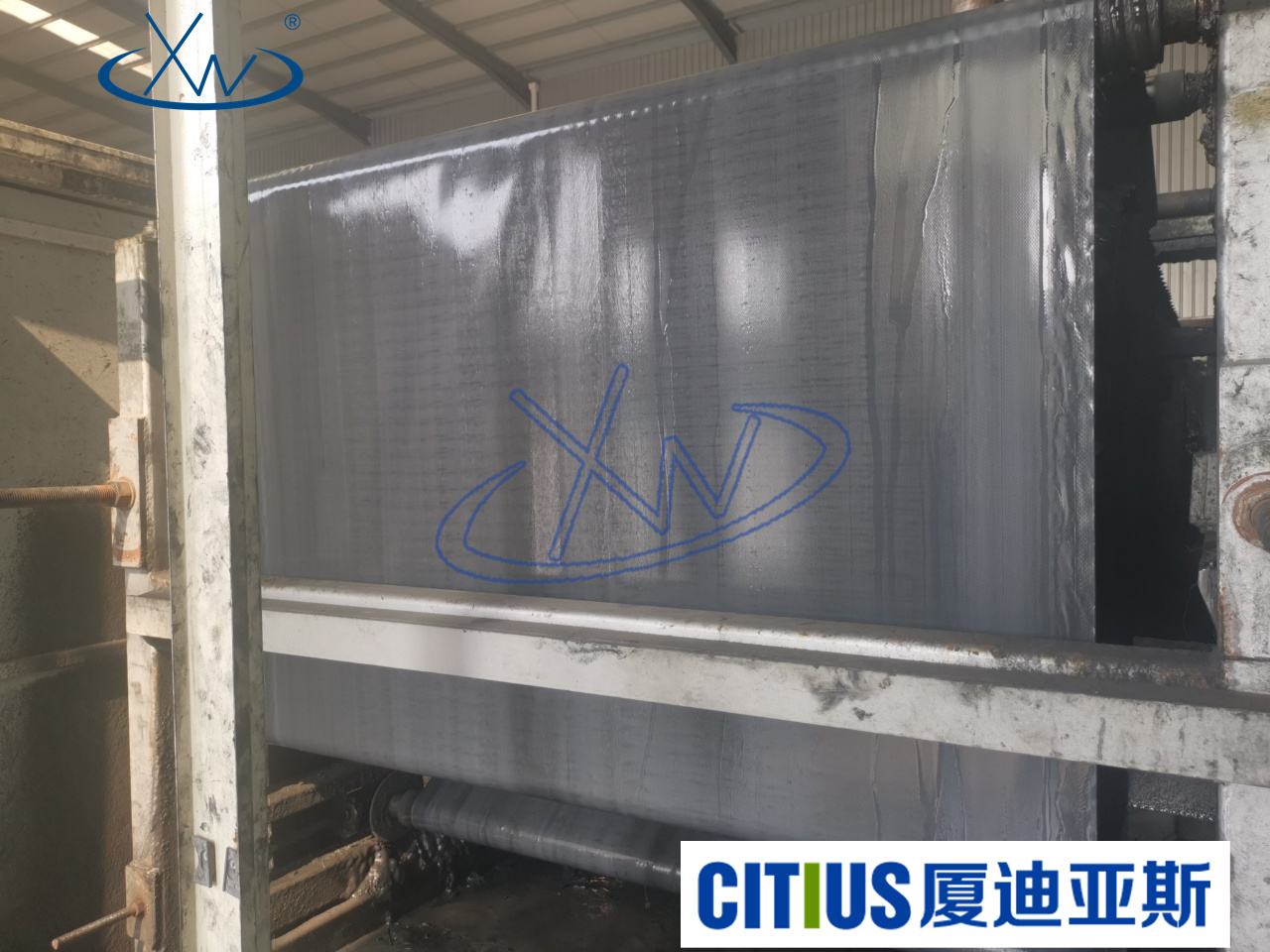
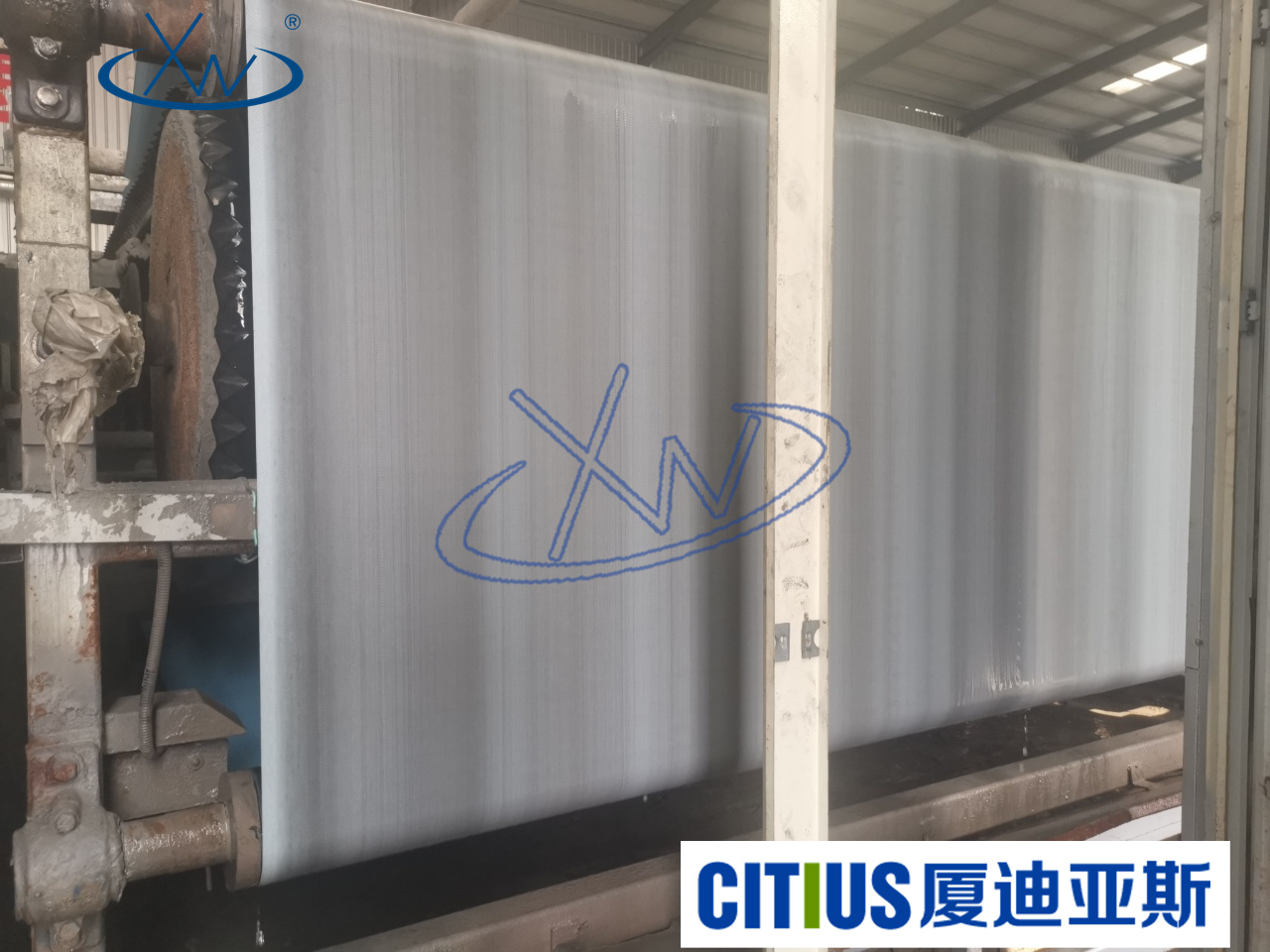
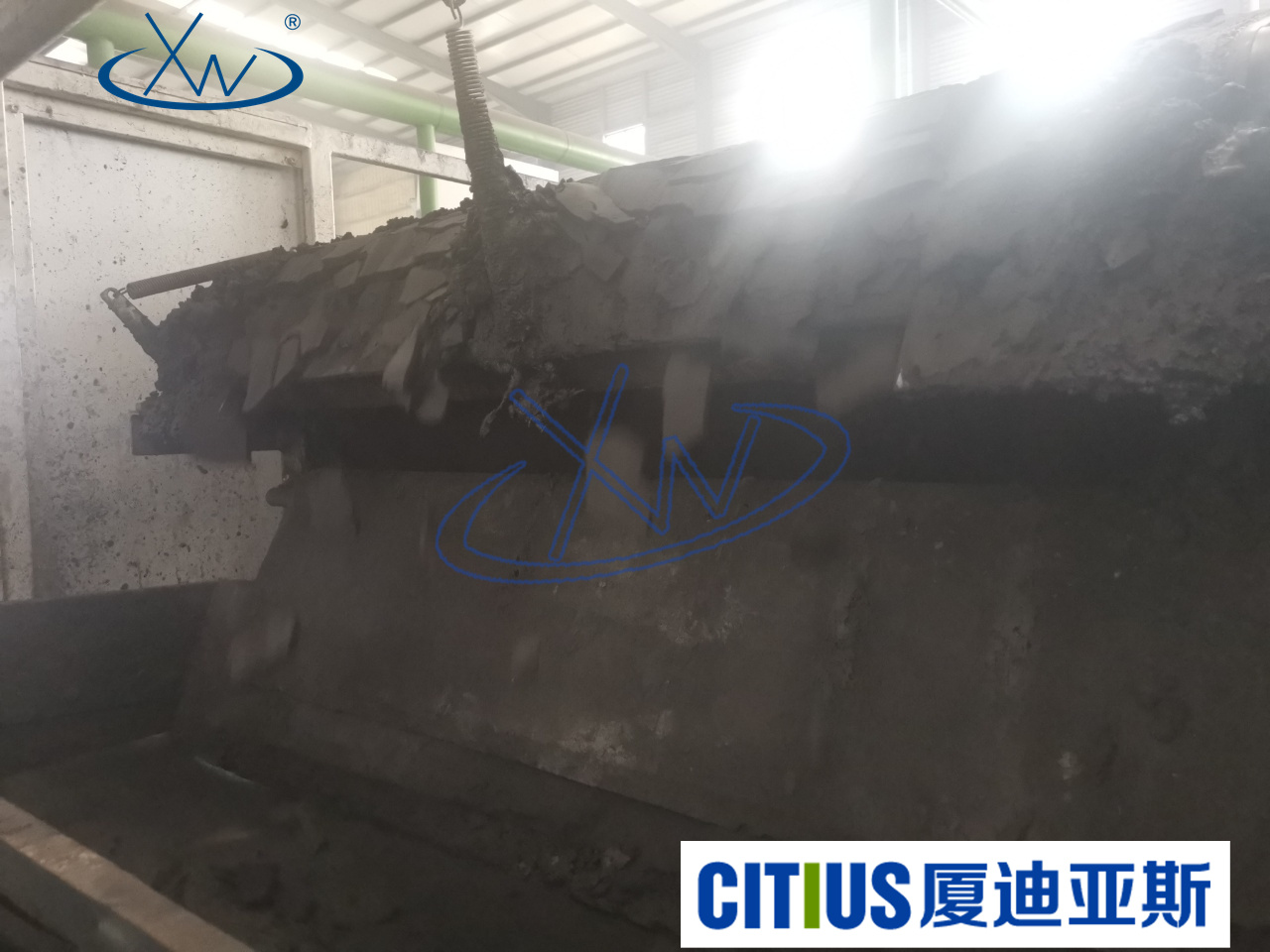
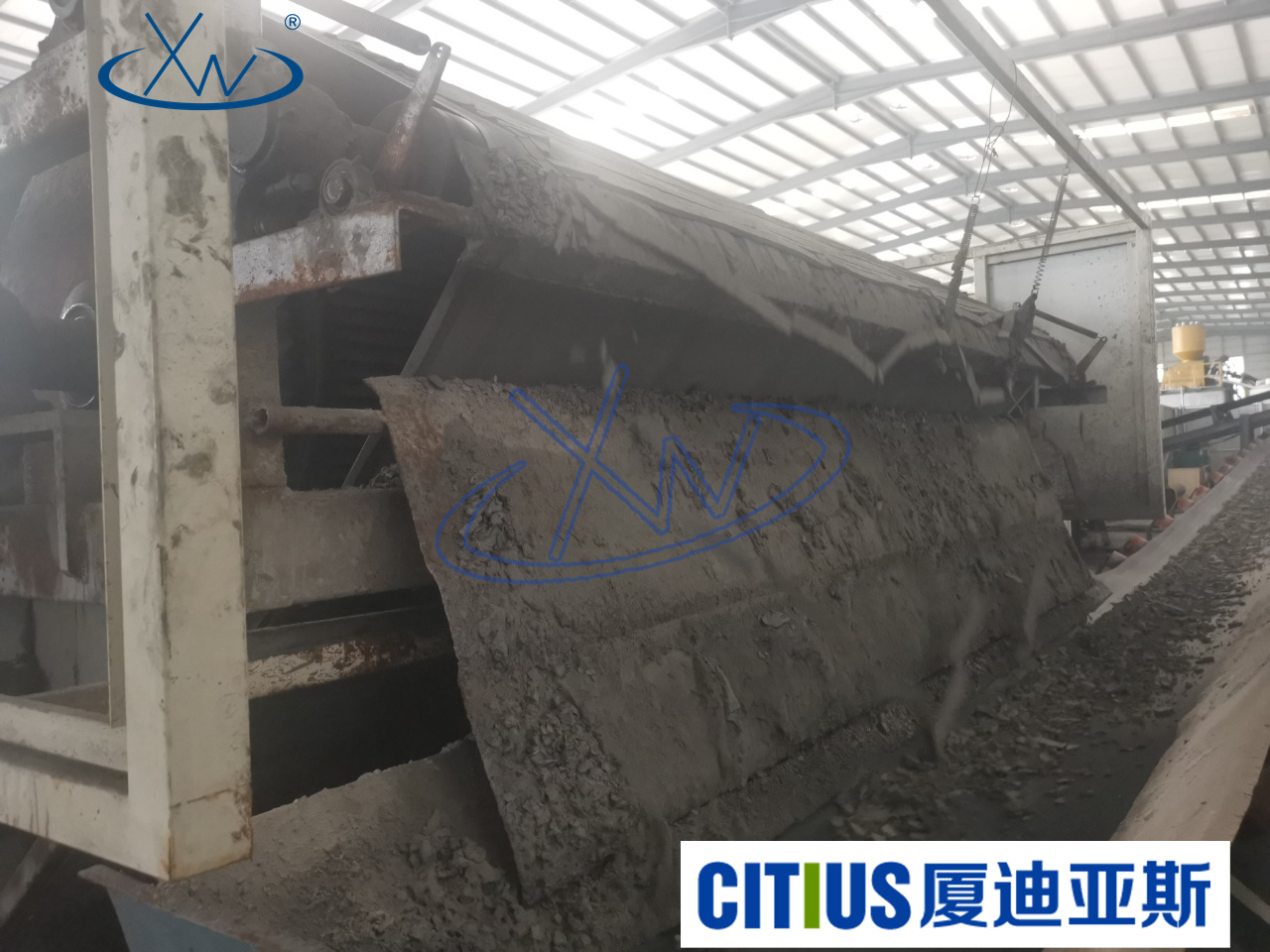
The Application of Industrial Filter Cloth in Horizontal Vacuum Belt Filters —— High-efficiency solutions for fly ash treatment in the new materials industry
In the new materials industry, fly ash—a significant industrial byproduct—is increasingly recognized as a highly valued secondary resource. Whether used as a cement or concrete admixture, or in the development of advanced ceramics, geopolymers, and functional fillers, fly ash has demonstrated tremendous application potential. However, its high fineness, complex particle distribution, and the presence of impurities pose considerable challenges during processing and utilization. As a result, achieving efficient, continuous, and cost-effective solid-liquid separation and dewatering has become a key focus for industry players.
In this process, The combination of industrial filter cloths with horizontal vacuum belt filters , providing a reliable technological pathway for the resourceful utilization of fly ash.
Challenges in Fly Ash Treatment
Fly ash primarily originates from the flue gas dust removal systems in coal-fired power plants. Its particles are typically in the micrometer or even sub-micrometer range, containing significant amounts of silica, alumina, and a certain proportion of unburned carbon. Due to its small particle size, large specific surface area, and poor hydrophilicity, fly ash exhibits an extremely slow settling rate when suspended in slurry form, making solid-liquid separation particularly challenging.
Common questions include:
- The particle distribution is wide, making it difficult to form a filter cake. —— The fine particle size easily causes the filter cloth surface to become clogged, reducing filtration efficiency.
- Slurry concentration is unstable. —— In industrial processes, feed concentrations fluctuate significantly, requiring filter cloths to exhibit strong adaptability.
- Low dehydration efficiency —— Fly ash has a high moisture content, increasing the costs associated with subsequent drying and utilization.
- Insufficient continuity —— Traditional batch equipment struggles to meet the demands of large-scale, continuous industrial production.
The advantages of horizontal vacuum belt filters
Horizontal Vacuum Belt Filter Machine Horizontal Vacuum Belt Filter, HVBF ) Relying on its Continuous operation, vacuum filtration, large-area filtering These features make it an ideal equipment for fly ash treatment. Its main advantages are:
- Continuous operation, efficient and stable Materials are distributed evenly on the filter cloth and move along the conveyor belt, seamlessly completing the entire process of filtration, washing, and drying—thus avoiding efficiency losses caused by batch switching.
- Vacuum-driven,彻底dehydrated : By using vacuum negative pressure to accelerate liquid passage through the filter cloth, dehydration efficiency is significantly enhanced, and the moisture content of the filter cake is reduced.
- Evenly washed, valuable components can be recycled. : In the process of fly ash resource utilization, the washing step effectively removes soluble salts and impurities, thereby enhancing product purity.
- High degree of automation : Equipped with an automatic tensioning and web-guiding system, it enables stable, continuous production while minimizing manual intervention.
The Key Role of Industrial Filter Cloth
In the entire filtration system, the filter cloth is the core component that directly contacts the material. Its performance determines the efficiency of solid-liquid separation, the quality of the filter cake, and the stable operation of the equipment.
1. Filter cloth structure selection
For fine particulate matter like fly ash, the filter cloth needs to strike a balance. Interception Capability and Permeability Performance Common options include:
- Monofilament filter cloth : The surface is smooth, making it resistant to clogging and facilitating easy cake release.
- Multi-filament Composite Filter Cloth : The pore structure is complex, effectively trapping fine particles.
- Double-layer or multi-layer design : By synergistically combining surface interception with bottom-level support, efficient filtration and long-lasting performance are achieved.
2. The process manufacturing of filter cloth
To accommodate the operational characteristics of the horizontal vacuum belt filter, the filter cloth must undergo precise processing:
- Edge wrapping and reinforcement : Prevent tearing during high-tension operation.
- Punching and Gluing : Enhance vacuum adsorption performance and wear resistance.
- Splicing and Seamless Technology : Ensuring that the long-width filter cloth remains stable and does not come loose during high-speed operation.
3. Chemical resistance and abrasion resistance
Fly ash slurry may contain certain alkaline or acidic components, so the filter cloth must exhibit excellent chemical resistance. Meanwhile, prolonged operation under vacuum negative pressure and friction conditions places even higher demands on the filter cloth's abrasion resistance.
Application scenarios in the resource utilization of fly ash
In the new materials industry, fly ash is not only a waste product but also a potential “ Urban Mine ” Through the combination of industrial filter cloths and horizontal vacuum belt filters, breakthroughs can be achieved at multiple stages:
- Preparation of Cement and Concrete Admixtures
The filtered fly ash has reduced moisture content, allowing it to be directly incorporated into concrete or cement production processes, thereby enhancing blending efficiency and improving product performance. - Geopolymer and New Type of Cementitious Materials
By washing to remove impurities, the purity of fly ash is enhanced, making it a high-performance raw material for geopolymers and contributing to the development of sustainable green building materials. - Functional Fillers and Fine Ceramics
The alumina and silica components in fly ash can serve as functional fillers or sources for ceramic powders, while the filter cloth ensures separation purity and particle stability. - Rare Metal Recycling
In some fly ash, trace amounts of rare earth elements or metal oxides are present. Through vacuum belt filtration combined with subsequent processes, it is possible to achieve the preliminary enrichment of valuable elements.
Technology Trends and Market Prospects
As “ Dual Carbon ” With the advancement of sustainability goals and the circular economy, the comprehensive utilization rate of fly ash is steadily increasing year by year. According to industry data, China's annual fly ash production exceeds 6 Hundreds of millions of tons, yet the utilization rate of high value-added products remains insufficient. 40% This creates a significant market demand for filtration and separation equipment.
Future development trends include:
- Filter cloth material upgrade : Developing new fibers that are high-strength, low-resistance, and anti-clogging.
- Equipment Intelligence : By integrating IoT with data monitoring, we can achieve filter cloth life prediction and filtration efficiency tracking.
- Green Recycling : Centered on filtration and dehydration, this process drives fly ash toward applications in building materials, functional materials, and even energy-storage materials.
Conclusion
The combination of industrial filter cloths with horizontal vacuum belt filters is gradually emerging as an efficient solution for handling fly ash in the new materials industry. Not only does it address the longstanding issues of low solid-liquid separation efficiency and poor continuity in conventional methods, but it also paves the way for transforming fly ash into higher-value materials. “ Waste materials ” Towards “ Resources ” The transformation. For businesses, choosing the right filter cloth and equipment means gaining a competitive edge in environmental compliance, cost control, and the development of new materials.
In the future, as technology continues to advance and its applications deepen, industrial filter fabrics will play an even more pivotal role in fly ash treatment and the new materials industry chain.
Add
No. 16-22 Chunfeng East Road, Xiang'an Torch High tech Zone, Xiamen City, Fujian Province, ChinaAll Rights Reserved. | Privacy Policy |
Tel/ WhatsApp