
-
Filter ClothBelt press filter mesh belt Horizontal belt vacuum filter mesh belt Vertical filter press filter cloth Filter Press Filter Cloth Breathable mesh Technical fabric - drying Technical fabric - high pressure belt Technical fabric - conveyor belt Technical fabric - fiberboard Joint form Edge banding form Accessories (threading)
Search HistoryClear All Records
- All
- Product Management
- News
Filter press cloth - plate and frame filter press - sewage treatment plant for domestic sewage Filter press type: plate and frame filter press
Share to
Detailed Description
Filter Cloth for Filter Press - Plate and Frame Filter Press - Sewage Treatment in Wastewater Plants
Filter Press Type: Plate and Frame Filter Press
Application Industry: Domestic Sewage
Description of Treated Material: Sewage Treatment
Filter Cloth Model Used: 2016
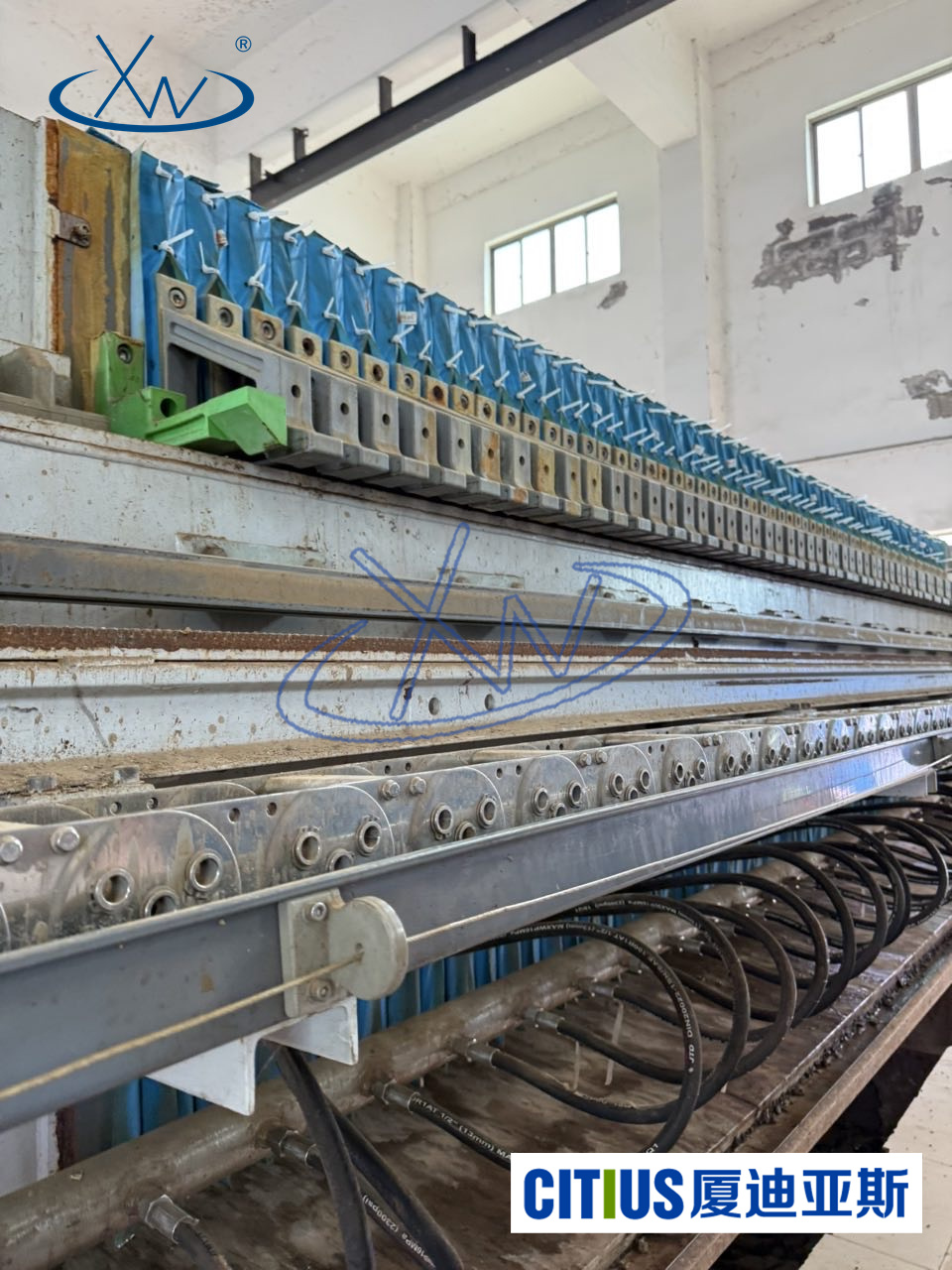
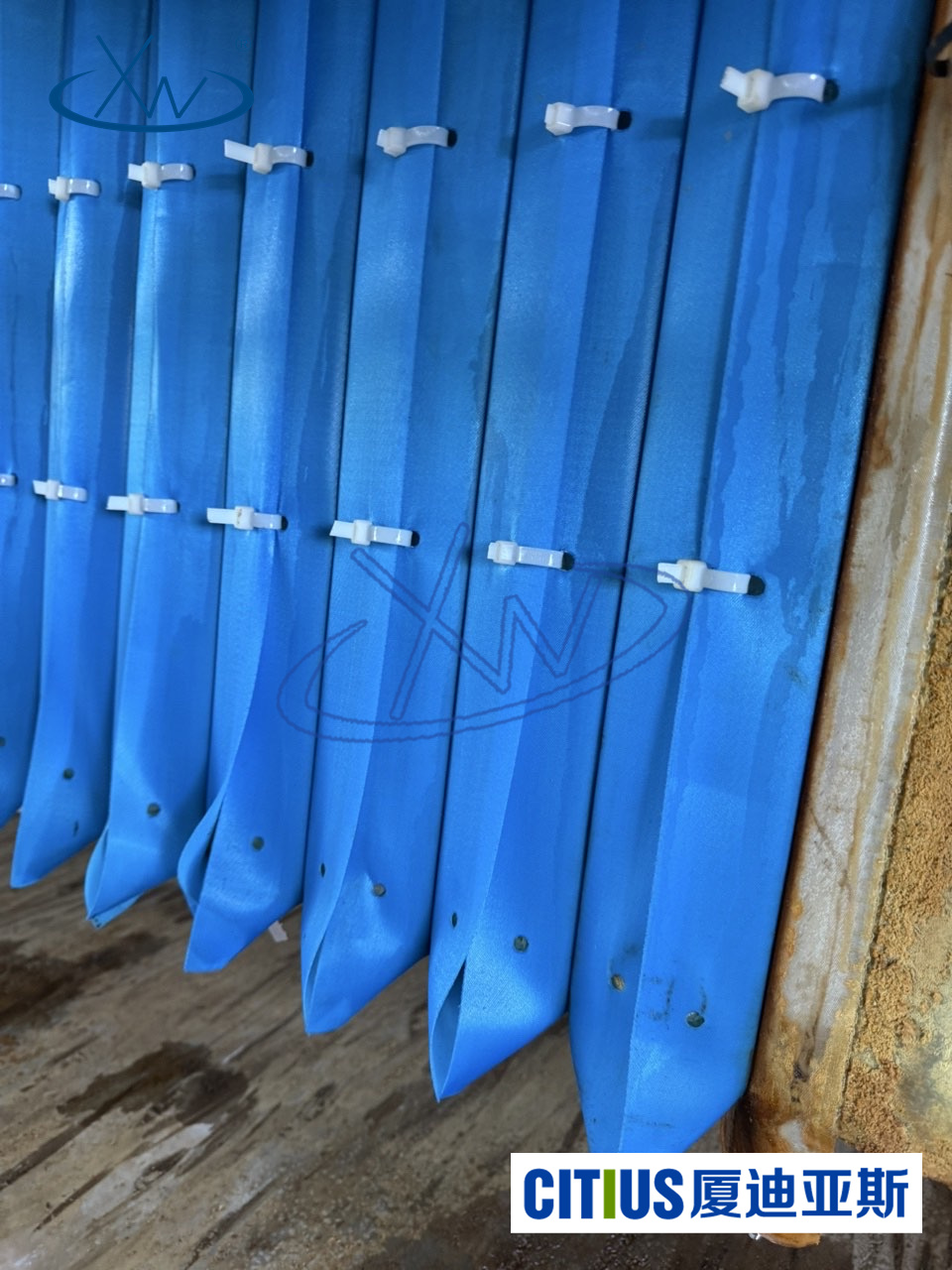

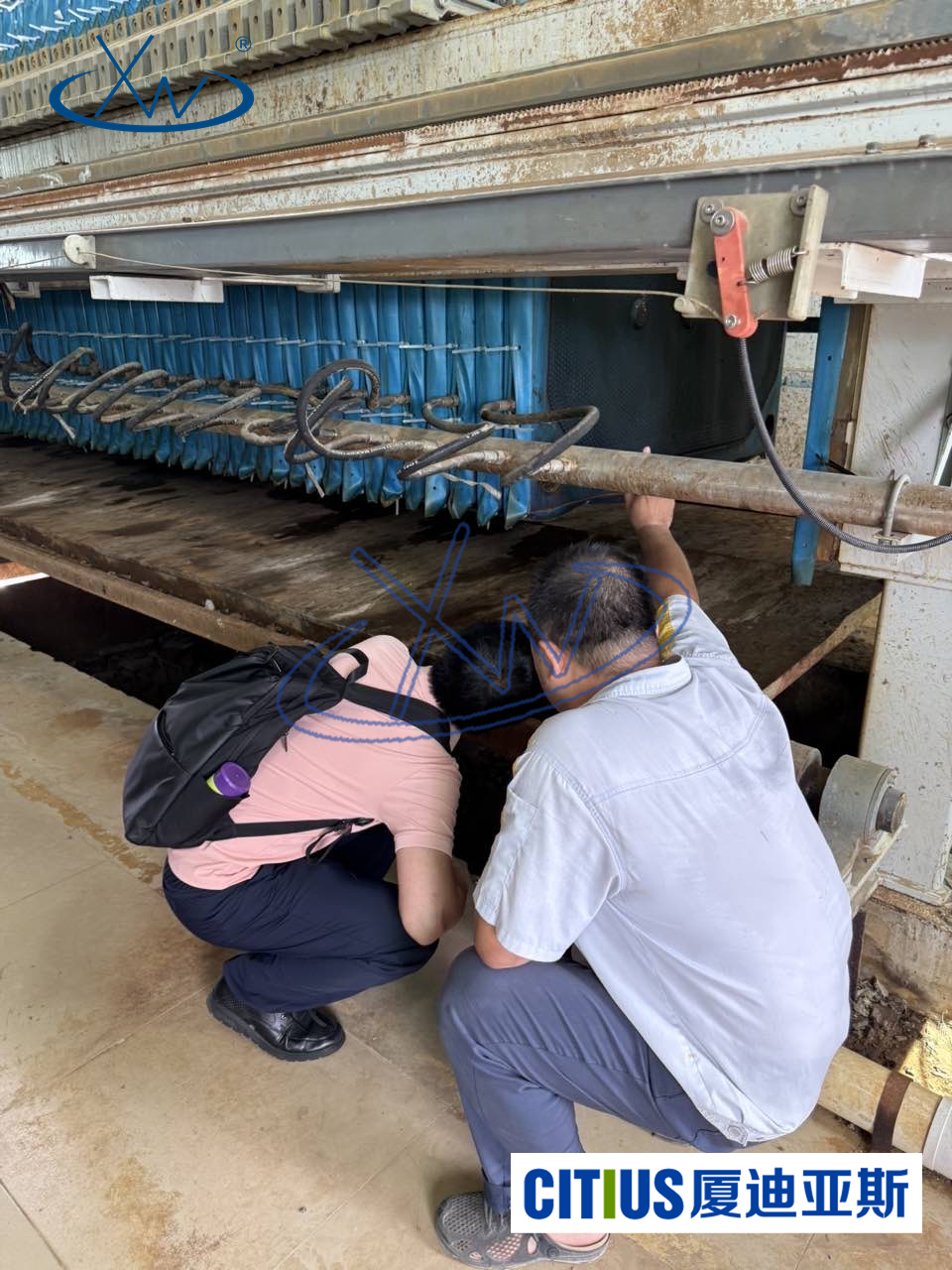
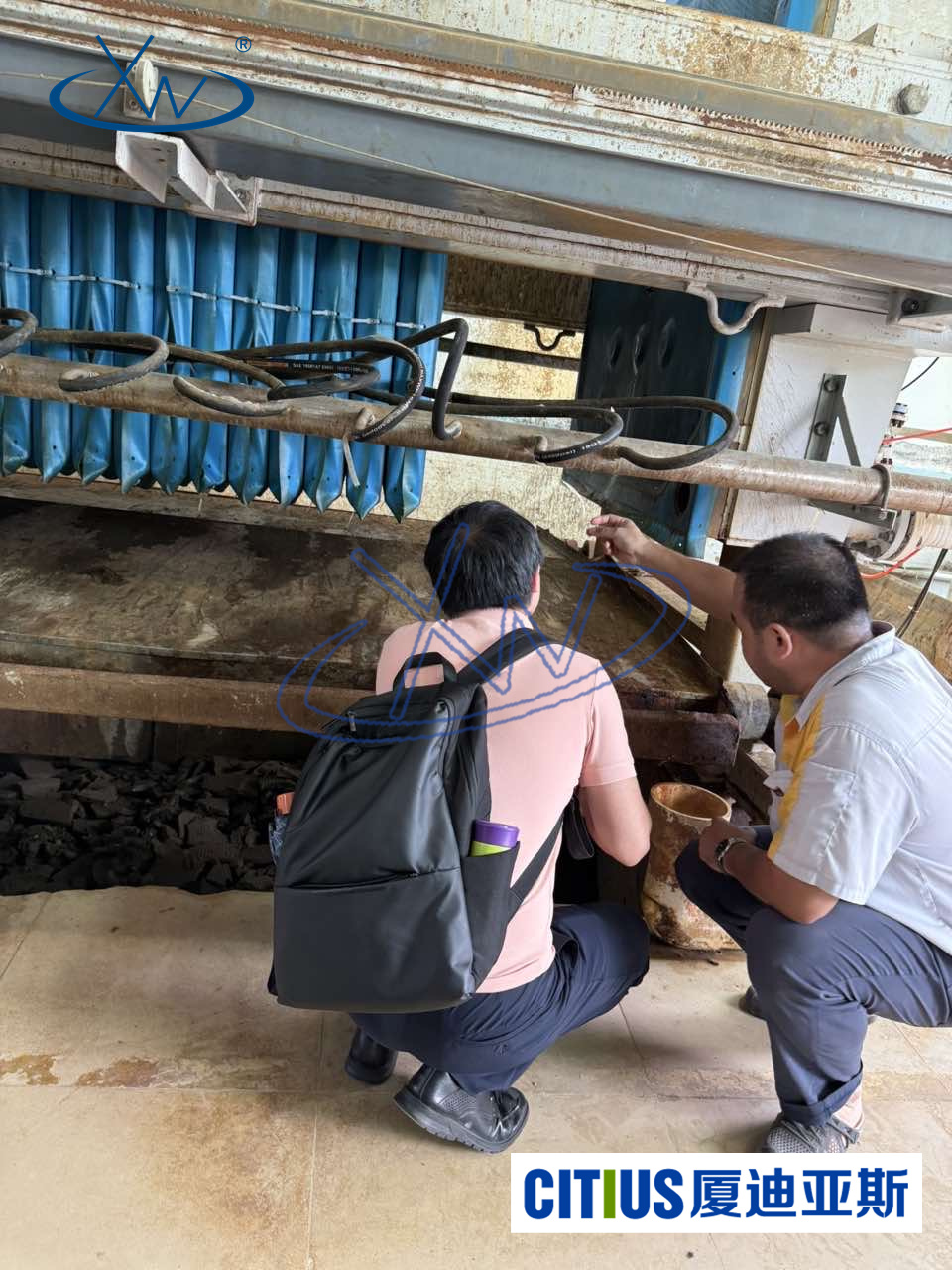
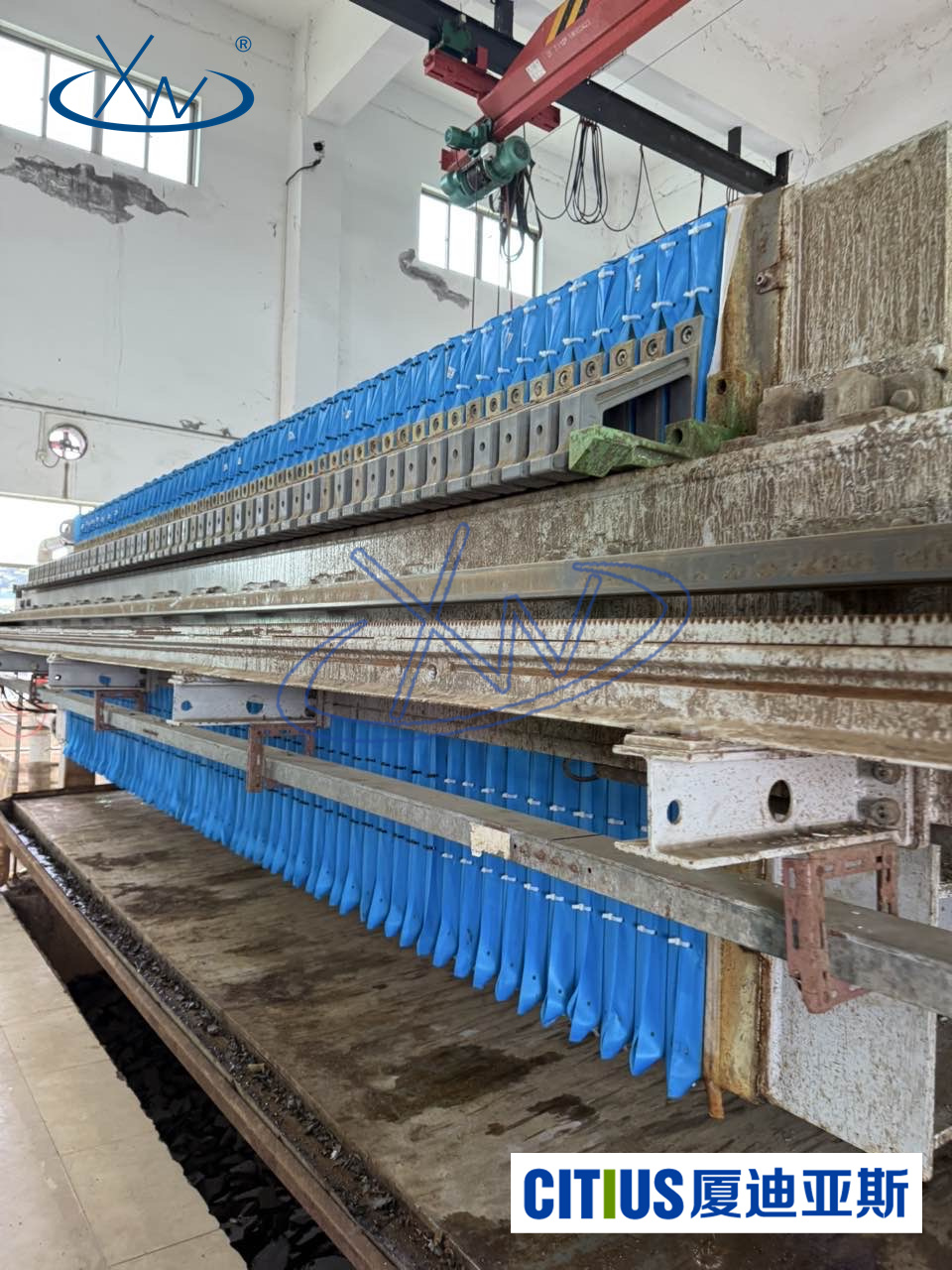
Application of Filter Press Cloth and Plate and Frame Filter Press in Domestic Sewage Treatment at Wastewater Plants
Against the backdrop of rapid urbanization, the discharge of domestic sewage is increasing year by year. How to efficiently and environmentally treat domestic sewage has become an important issue for wastewater plants. Filter press cloth and plate and frame filter press, as common and key equipment combinations in sewage treatment processes, play an irreplaceable role in sewage purification and sludge dewatering.
1. The Necessity of Domestic Sewage Treatment
Domestic sewage mainly comes from residents' daily activities, including washing, cleaning, dining, and toilet flushing. Sewage contains a large amount of suspended solids, organic matter, nitrogen, phosphorus, and other nutrients. If discharged directly into natural water bodies without treatment, it will cause water pollution and eutrophication, seriously affecting the ecological environment and residents' quality of life. Therefore, the construction and operation of wastewater plants are of great significance for environmental protection and resource reuse.
2. The Role of Plate and Frame Filter Press in Sewage Treatment
The plate and frame filter press is a traditional and efficient solid-liquid separation device widely used in chemical, metallurgical, pharmaceutical, food, and environmental protection fields. In wastewater plants, its main purpose is to dewater sludge generated during sewage treatment, reducing sludge volume for easier transportation and subsequent processing.
The plate and frame filter press uses pressure difference to pump high-moisture sludge into the equipment. With the filtering action of the filter cloth, water passes through the cloth and is discharged as filtrate, while solid particles are retained on the cloth surface, eventually forming a filter cake. The filter cake has low moisture content, facilitating subsequent incineration, landfill, or resource utilization.
3. The Importance of Filter Press Cloth
In the operation of the plate and frame filter press, the filter cloth is a key component for achieving filtration and separation, playing the role of " screening ” and " isolation ” Different sewage characteristics require different demands on the filter cloth's material, permeability, wear resistance, and corrosion resistance.
- Material Selection
Common filter cloth materials include polyester, polypropylene, and nylon. Polyester filter cloth is acid and alkali resistant with high strength, suitable for the complex environment of wastewater plants; polypropylene filter cloth is lightweight and chemically resistant, also commonly used. - Filtration Precision
The pore size of the filter cloth directly determines the retention effect on sludge particles. High-precision filter cloth can effectively improve effluent quality but may affect filtration speed, so a balance between precision and efficiency is needed. - Durability and Cleaning
Wastewater plants operate for long cycles, and filter cloths are prone to clogging or wear. Therefore, filter cloths that are wear-resistant, corrosion-resistant, and easy to clean should be selected to extend service life and reduce maintenance costs.
4. Application Case in Wastewater Plants
In a typical urban wastewater plant process, sewage passes through screens, grit chambers, primary sedimentation tanks, and biochemical treatment, where sludge is concentrated. Without dewatering, this sludge often has a moisture content above 95% and a large volume, making transportation and disposal difficult. Through the action of the plate and frame filter press, sludge moisture content can be reduced to below 60% with a significantly reduced volume, greatly improving transportation and subsequent treatment efficiency.
At the same time, combined with high-performance filter press cloth, the concentration of suspended solids in the effluent is reduced, filtrate transparency is improved, meeting sewage discharge standards, and some filtrate can be reused, achieving resource recovery.
5. Advantages of Filter Press Cloth and Plate and Frame Filter Press
- Good Treatment Effect : Significantly reduces sludge moisture content and improves filter cake dryness.
- Strong Adaptability : Can handle various types of domestic sewage and sludge.
- Low Operating Cost : Equipment structure is relatively simple, easy to maintain, and filter cloth can be reused.
- Environmentally Friendly and Energy Saving : Reduces sludge volume, lowering transportation and disposal energy consumption.
6. Future Development Trends
With increasing environmental protection requirements, wastewater plants have higher demands for filter press cloth and plate and frame filter presses:
- Automation : Achieve fully automatic cake discharge and cleaning to improve operational efficiency.
- New Filter Cloth Materials : Develop new filter cloths that are high-temperature resistant, anti-pollution, and easy to clean.
- Energy Saving and Environmental Protection : Optimize filtration structure to reduce energy consumption and improve water resource recovery.
Conclusion
Filter press cloth and plate and frame filter press, as important equipment for domestic sewage treatment in wastewater plants, are playing an increasingly critical role. They not only improve sludge dewatering efficiency but also effectively enhance effluent quality, helping wastewater plants achieve energy saving, emission reduction, and green development. With technological progress, this field will welcome more efficient and environmentally friendly solutions, creating a cleaner water environment for humanity.
Add
No. 16-22 Chunfeng East Road, Xiang'an Torch High tech Zone, Xiamen City, Fujian Province, ChinaAll Rights Reserved. | Privacy Policy |
Tel/ WhatsApp