
-
Filter ClothBelt press filter mesh belt Horizontal belt vacuum filter mesh belt Vertical filter press filter cloth Filter Press Filter Cloth Breathable mesh Technical fabric - drying Technical fabric - high pressure belt Technical fabric - conveyor belt Technical fabric - fiberboard Joint form Edge banding form Accessories (threading)
Search HistoryClear All Records
- All
- Product Management
- News
Industrial filter cloth, horizontal vacuum belt filter, lithium battery new energy lithium slag hazardous waste treatment
Share to
Detailed Description
- Industrial filter cloth, horizontal vacuum belt filter, lithium battery new energy lithium slag hazardous waste treatment
Filter type: Horizontal vacuum belt filter
Application industry: Lithium battery new energy
Material description: Lithium slag hazardous waste treatment
Filter cloth model: 15P

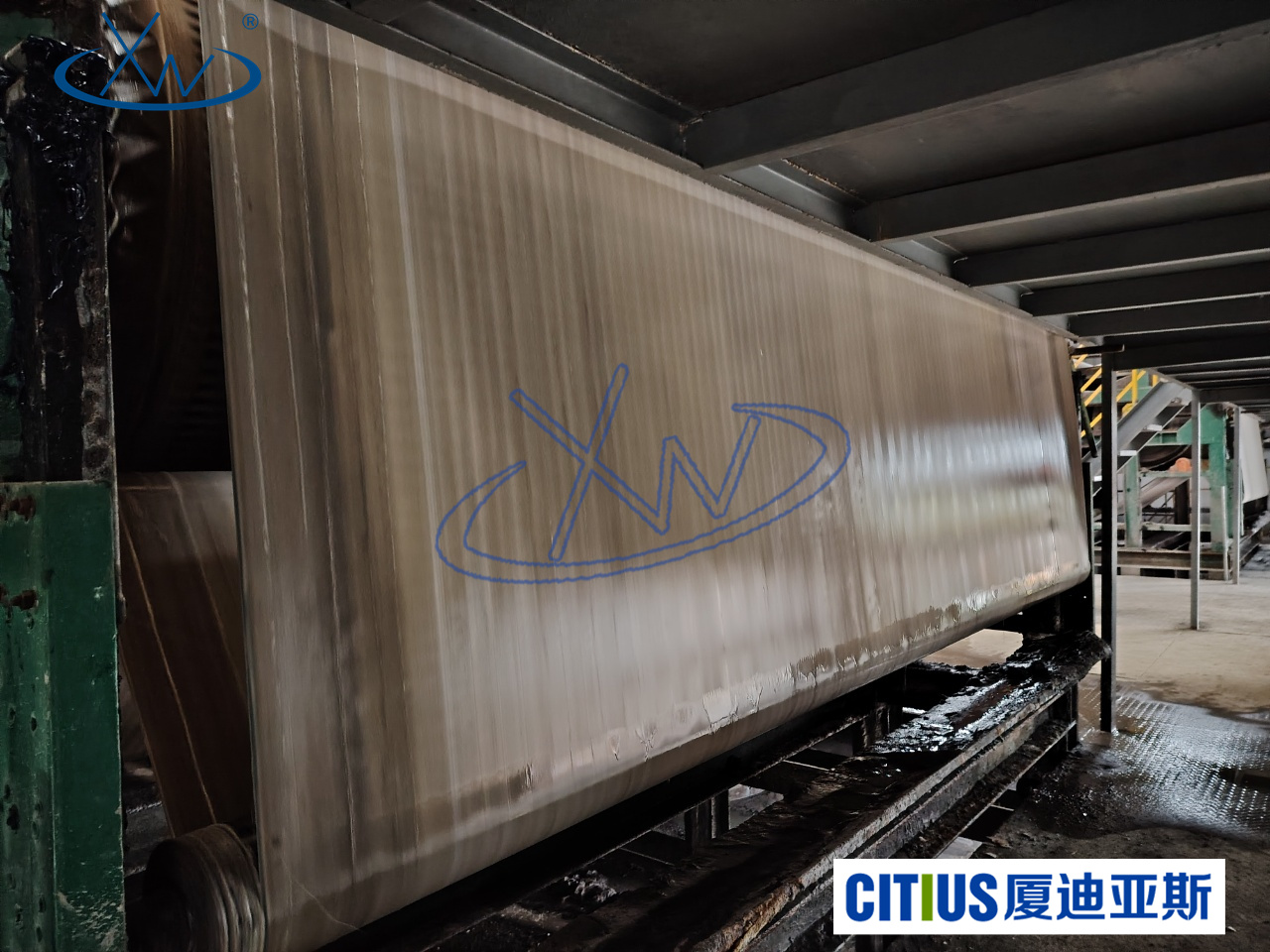
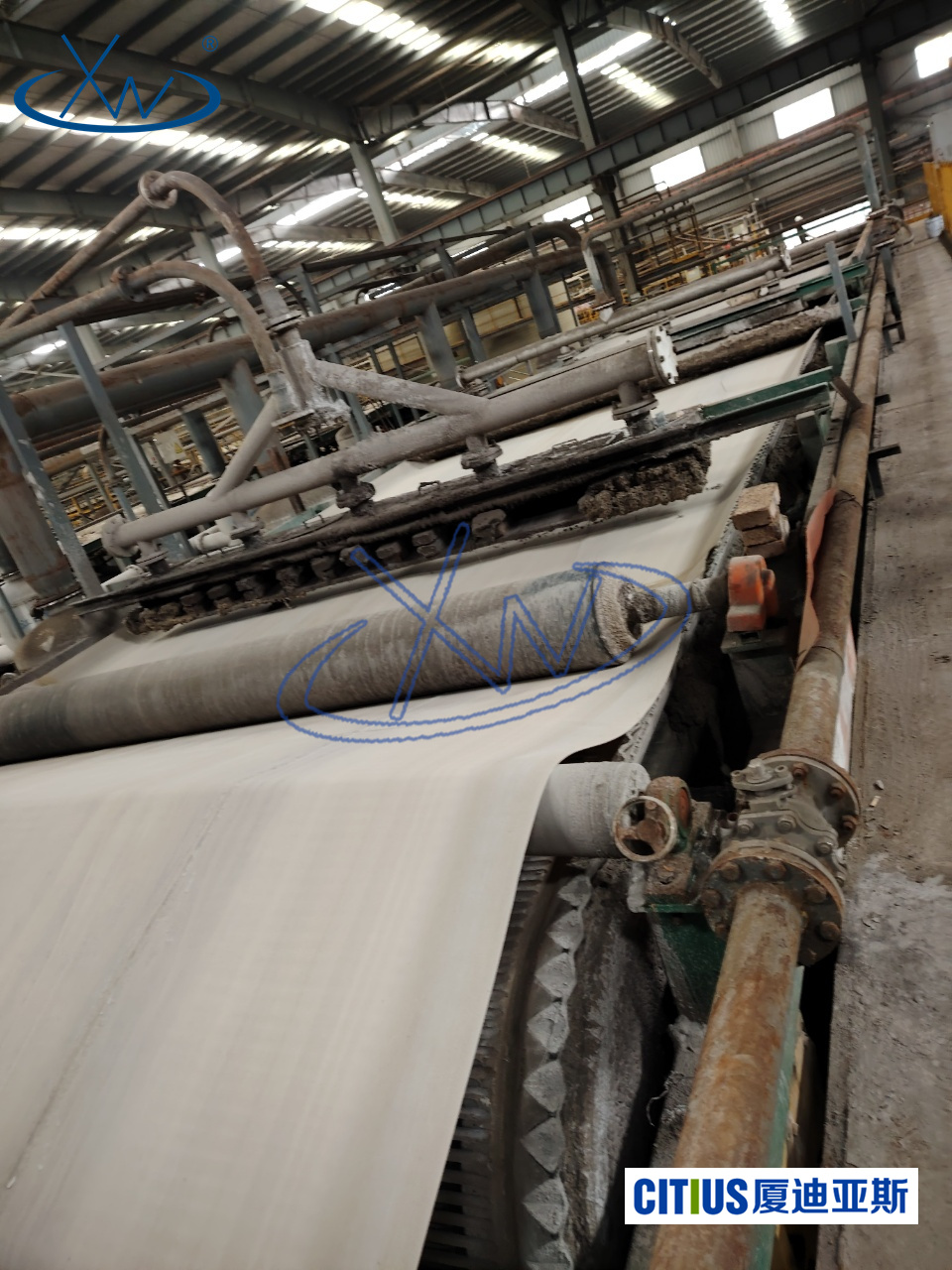
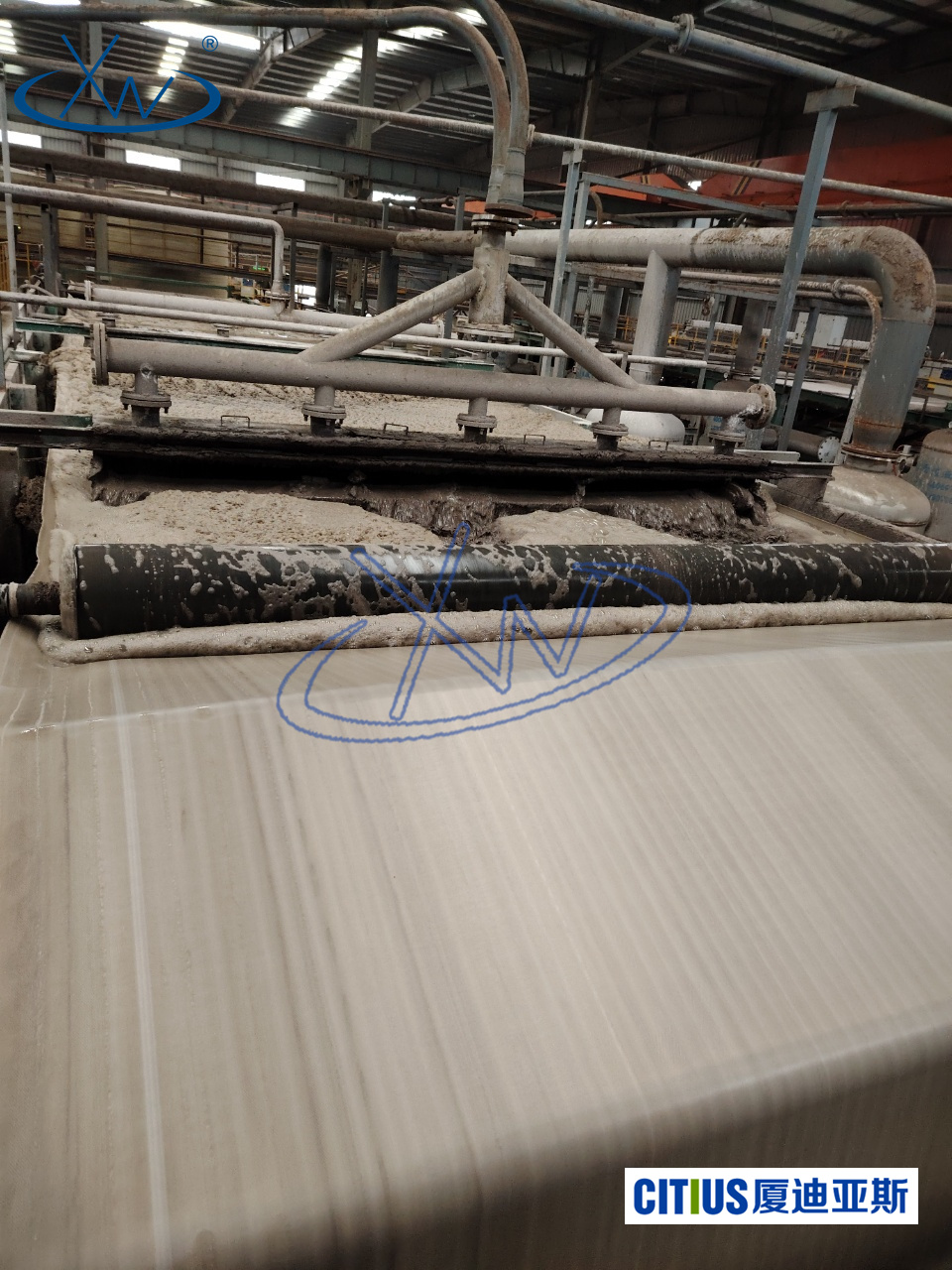

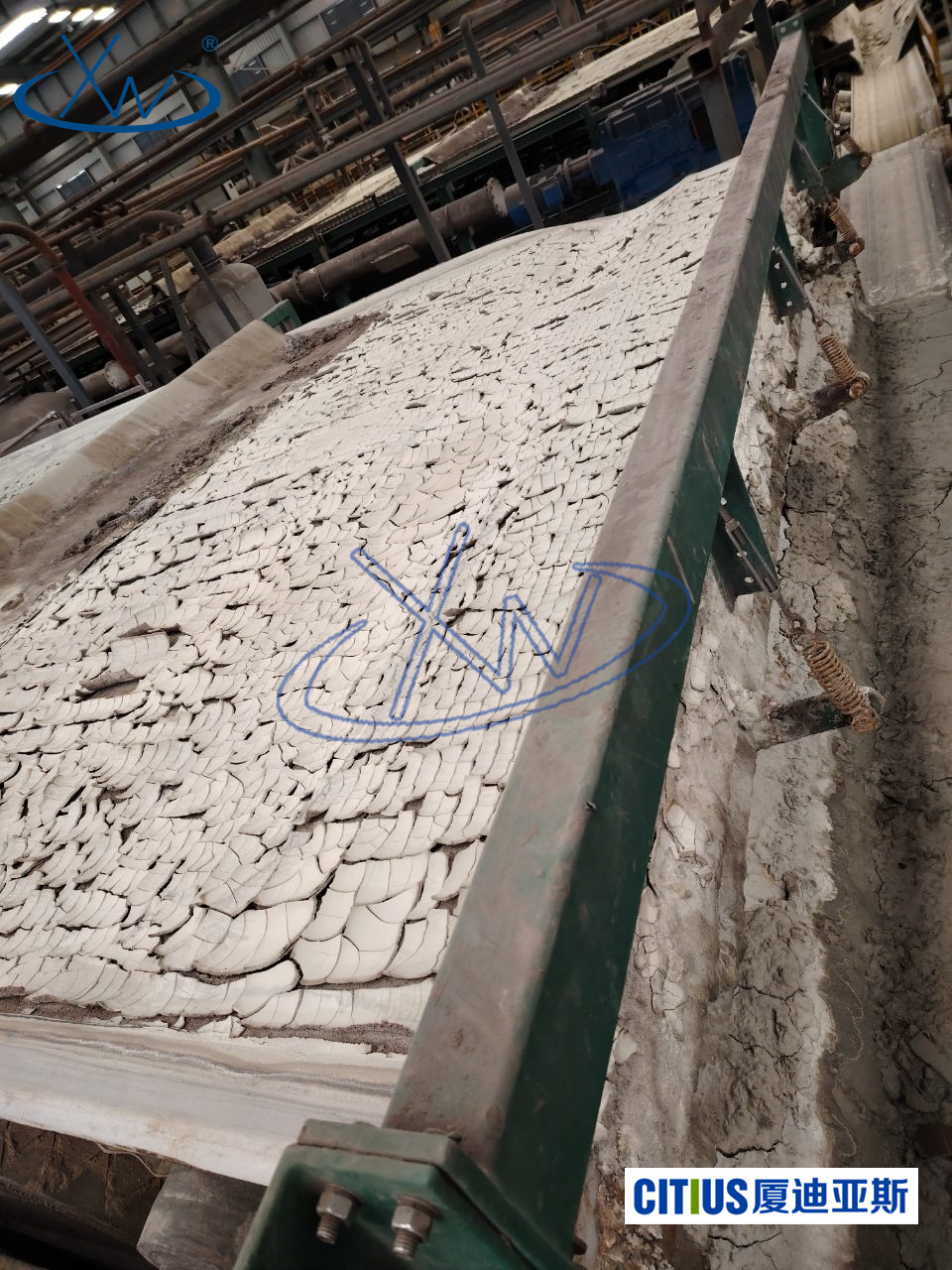


Application of industrial filter cloth in the treatment of lithium slag hazardous waste in the new energy lithium battery industry
—— Practical exploration based on horizontal vacuum belt filter
With the rapid expansion of the new energy lithium battery industry, lithium slag, a by-product, has gradually attracted more attention. Lithium slag is not only large in quantity but also complex in composition, usually containing a certain amount of heavy metals and soluble salts, and is listed as a hazardous waste management object. How to efficiently and environmentally treat lithium slag has become a must-answer question for the green development of the entire lithium battery industry chain.
In this process, Horizontal vacuum belt filter Due to its continuous, automated, and high dehydration rate characteristics, it has become an important equipment in the lithium slag dehydration process. In the entire filtration system, the role of industrial filter cloth is particularly crucial —— It not only undertakes the direct task of solid-liquid separation but also greatly affects the processing efficiency, energy consumption cost, and the final difficulty of waste disposal.
Lithium Slag Characteristics and Filtration Challenges
Lithium slag has the characteristics of fine particle size, strong viscosity, and high water content. In traditional processing processes, problems such as difficulty in filter cake formation, incomplete dehydration, and serious filter cloth blockage are easy to occur. This not only prolongs the filtration cycle but also increases the energy consumption burden of subsequent drying or solidification treatment, indirectly increasing the economic cost of the entire hazardous waste disposal.
Therefore, lithium slag treatment puts higher requirements on industrial filter cloth: the filter cloth needs to have good permeability, while effectively intercepting fine particles, and also take into account anti-clogging and filter cake peelability. In other words, a suitable filter cloth must find a dynamic balance point between filtration accuracy, filtration rate, and durability.
Synergy between Horizontal Vacuum Belt Filter and Industrial Filter Cloth
The working principle of a horizontal vacuum belt filter is to achieve rapid dehydration using vacuum negative pressure during the continuous movement of the filter cloth. The filter cloth here is both a filtration medium and a transmission carrier. Its structural design, surface treatment, and service life will directly affect the operational stability and processing effect of the entire machine.
For high-viscosity fine-particle materials such as lithium slag, high-quality industrial filter cloths usually have the following characteristics:
- Special weaving structure : Optimizing the warp and weft weaving method to balance solid-liquid separation efficiency and anti-clogging performance.
- Enhanced surface smoothness : Improve the natural peelability of the filter cake, reduce scraper wear, and reduce energy consumption.
- Excellent mechanical strength : To cope with the tensile and bending loads under continuous operation of the equipment, extending the service life.
- Good chemical resistance : To resist the corrosive components that may exist in lithium slag, maintaining long-term stable operation.
In addition, in practical applications, the selection and supporting processing of filter cloth (such as edge banding, punching, brushing glue, etc.) are also very important, directly related to installation adaptability, sealing, and later maintenance convenience.
Practical Case Observation
In a lithium slag hazardous waste treatment project of a large lithium battery material manufacturing enterprise in China, a specially customized industrial filter cloth was used with a horizontal vacuum belt filter for continuous dehydration operation. After multiple rounds of experiments and optimization, the following results were finally achieved:
- The water content of the filter cake is significantly reduced, and the energy consumption of subsequent processing is reduced by 20%;
- The daily processing capacity of a single unit is increased 15%-18% ;
- The average service life of the filter cloth is extended 30% The above significantly reduces the replacement frequency and spare parts investment;
- The system runs stably, the failure rate has dropped significantly, and the overall maintenance cost is effectively controlled.
These data not only reflect the value of filter cloth in practical applications but also verify “ Equipment + Systematic optimization of filter cloth ” Necessity.
Trends and Thoughts
In the future, with the continuous promotion of environmental protection policies such as lithium battery recycling and hazardous waste reduction, the requirements for lithium slag treatment will be stricter. As a core component of the filtration system, the development trend of industrial filter cloth is also changing —— Higher filtration accuracy, lower energy consumption burden, and longer stable life have become important directions for the research and development of the new generation of filter cloths.
For equipment manufacturers and filter cloth suppliers, relying solely on the materials themselves is far from enough. Understanding process needs and participating in system optimization design will become the key to enhancing competitiveness.
It can be foreseen that the role of industrial filter cloth in the new energy industry chain is no longer just a passive consumable but has become an important technical support for promoting green manufacturing and assisting in the resource utilization of hazardous waste.
Add
No. 16-22 Chunfeng East Road, Xiang'an Torch High tech Zone, Xiamen City, Fujian Province, ChinaAll Rights Reserved. | Privacy Policy |
Tel/ WhatsApp